In this article
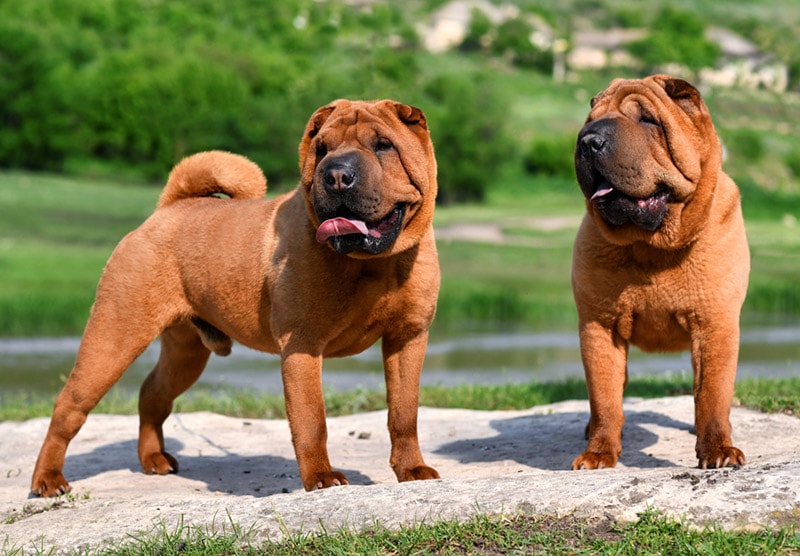
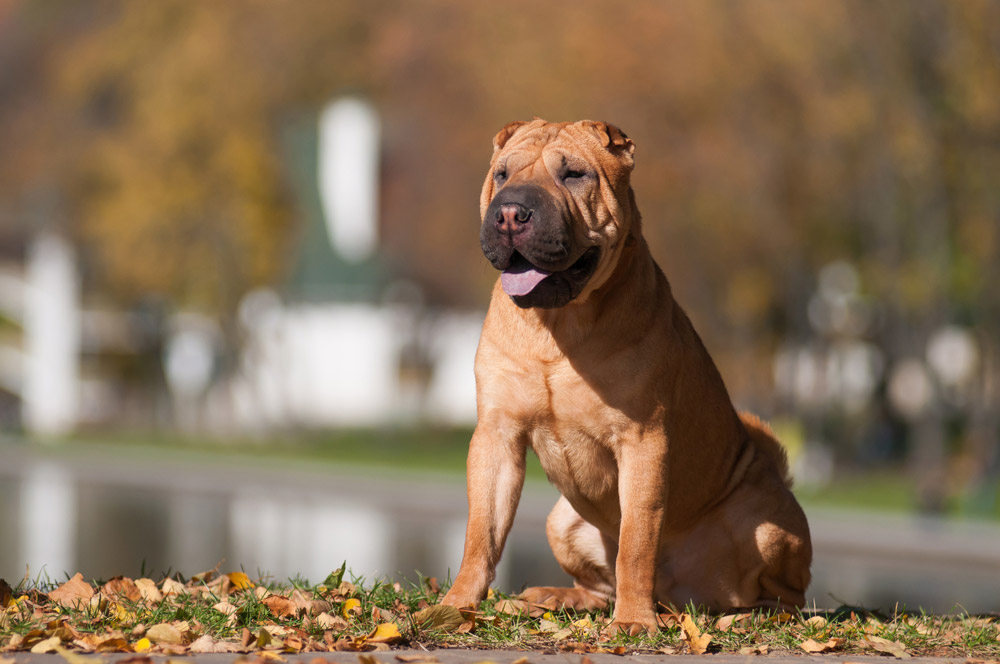
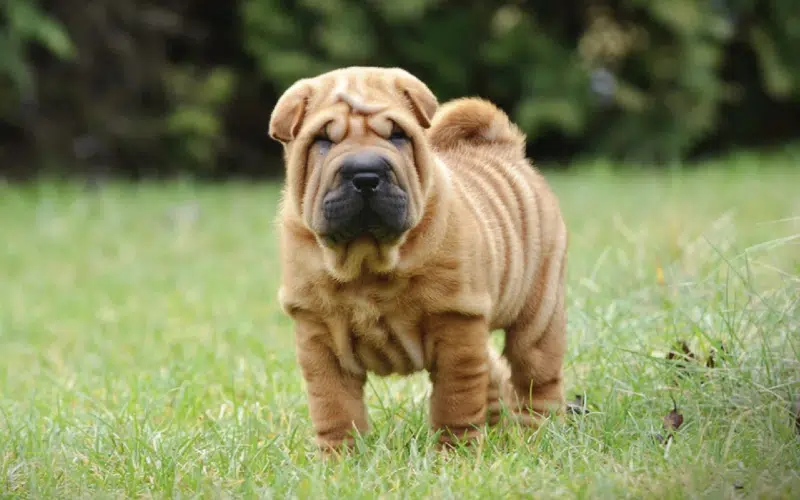
The Chinese Shar Pei or simply the Shar Pei is a strong, smart, and loyal dog. Hailing from China, they have an imposing demeanor, a witty brain, and an affectionate heart. But they can also be incredibly stubborn. For centuries, this dog has been serving as a guardian, always relying on themselves. That’s exactly why obedience training is essential for this breed!
Without proper guidance, a Shar Pei may become overly protective, but with patient, positive training, they develop into calm, well-mannered, and devoted companions. So, how can you successfully potty-train a Shar Pei? How do you help them stop biting or barking excessively? Let’s explore the best approaches step by step.

The 12 Tips to Training a Shar Pei
We begin our deep dive into Shar Pei training techniques with the basics. Being positive, steering the pup in the right direction with a calm voice, and keeping the sessions fun and short are how you earn a Shar Pei’s trust. This is an obstinate, highly intelligent breed that only responds to a friendly and confident human. Here’s how to train them.
General Recommendations
1. Put Positive Reinforcement to Good Use
This is the golden rule of dog training. Whenever the pup does something right, be quick to praise their performance. The biggest motivator is going to be a tasty snack, but the Shar Pei appreciates petting too. Generally speaking, don’t pat them on their back or head, though; instead, go for the chin and chest. Be generous with these reinforcements to create the right associations.
The puppy needs to learn that as long as they do what you want, there’s going to be a treat at the end. Even if the dog only gets half of the assignment right, you should still encourage them.

2. Don’t Scold or Shout at the Shar Pei
Some pups take forever to learn a simple command, and that can be frustrating. Thankfully, that’s typically not the case with the Shar Pei. They are considered quite smart and can master new moves in short periods of time. They do tend to be stubborn, though, so be patient.
But no matter how anxious your furry friend is, never raise your voice at them, let alone use curse words. Treat the dog like a little kid (a very talented one), and try to be the adult in the room. If the dog is attached to you and gets a negative attitude from their human parent, that might break your bond. So, be calm and understanding!
3. Use Your Voice to Guide the Dog
Dogs are gifted with a great sense of hearing and can easily recognize human voices. Call them from a dense crowd, and your pup will come running. More importantly, our four-legged buddies are capable of processing the differences in tone. That’s why, in many ways, the tone of your voice is more important than the actual words you’re saying. In this regard, puppies are just like little kids.
For example, a soft, calm voice makes a dog feel safe and encouraged. In contrast, a firm tone has more authority and is best when teaching commands like “No” and “Quiet.” So, practice a bit before getting started with the dog. Otherwise, you might sound a bit too angry when saying these words, frightening them.

4. Keep the Training Sessions Nice and Short
Dogs, including Shar Peis, can get distracted easily and don’t like to participate in long, repetitive activities. Therefore, long training days are a bad choice for this breed. Instead, keep the sessions short (5–10 minutes, three times a day) yet exciting enough for the dog to look forward to the next day. Also, try your best to make the training diverse by changing things up.
Shar Peis are smart and catch onto things quickly, so think about incorporating more fun elements into each session. Ideally, the routine should focus not only on the pup’s physical condition but also on their mental capabilities. That said, teaching a dog different commands simultaneously is not a good idea.
5. Start Obedience Training at a Young Age
It’s essential to begin working with your Shar Pei while they’re still a puppy. Early learning and positive social experiences have a major influence on a dog’s adult behavior. Most trainers recommend starting short, gentle training sessions once your puppy is around 8–12 weeks old.
The earlier you begin positive socialization—exposing your puppy safely to different people, places, and sounds—the better. Early exposure helps your Shar Pei grow into a confident, well-adjusted adult. If puppies develop unwanted habits early on, those behaviors can be much harder to change later. When you train, choose a calm, distraction-free space to help your pup focus and learn more easily.


Potty-Training a Shar Pei
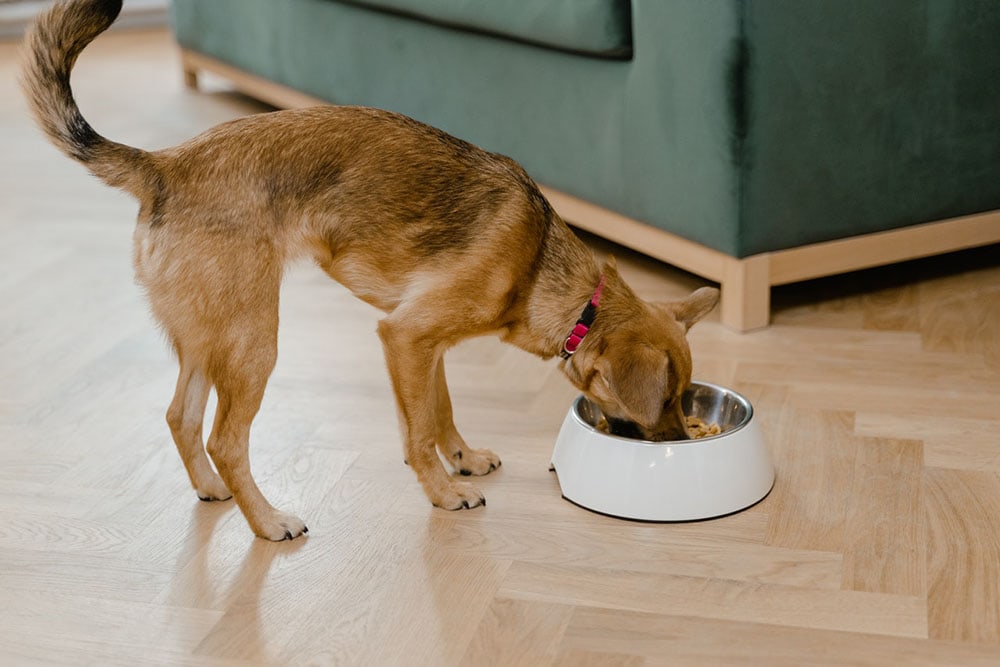
Now that we’ve covered the essentials of training this Chinese guardian, it’s time to talk about an essential topic: house-training the pup. The good news is that the Shar Pei is a witty, quick-to-catch-on dog and likes learning and sticking to a routine. So, if you use the following tips and tricks, it shouldn’t take much effort to get there.
1. Practice Patience and Reward Proper Behavior
This is the best advice that any trainer will give you: Be patient! Sometimes, it may feel like your dog will never learn how to do their business outside. But if you give it time, eventually, your pup will master this oh-so-important skill. To get the best results with a Shar Pei, start potty training them when they’re around 3 months old. Take the dog outside, approximately 20 minutes after eating, after a play session, and after waking up, and give them around 5 minutes to make up their mind about doing their business.
If nothing happens, repeat in an hour or so. The idea here is to let the puppy know that the only place to go potty is outdoors. Always take them to the same area/spot and use the same route. The moment that your pup understands the assignment, give them a treat. Over time, you can make the outdoor visits less frequent until they learn to always use the outside for bathroom breaks.
2. Learn to Recognize the Signs
How do you know exactly when the dog wants to relieve themselves? If they’re approaching the exit door, staring at it, barking, and circling, that means they want to go outside. Sometimes, pups also smell the floor and scratch the door. That’s your cue! We also recommend installing a doggie door. Teach the pup how to use it, and you won’t have to be involved in the process anymore.

Tips for Dealing With Aggressive Behaviors
Shar Peis are naturally loyal and protective, traits that come from their history as guard and farm dogs in China. While this makes them excellent watchdogs, it can also mean they’re cautious around unfamiliar people or animals. True aggression, however, is not typical of a well-socialized Shar Pei. If your dog shows signs of fear or defensiveness, early training can make a big difference.
1. Put a Stop to Biting With Early Socialization
Dogs may bite for many reasons — most commonly fear, pain, or stress, rather than dominance or “meanness.” Teaching your Shar Pei to feel safe and confident around new experiences is the best prevention.
Start socializing your puppy gradually from a young age (after their first vaccines). Expose them gently to different environments, people, sounds, and other animals, always pairing each experience with something positive like treats or play. The goal isn’t to meet “as many strangers as possible,” but to help your pup build positive associations with novelty so unfamiliar situations feel safe, not threatening.
Avoid overwhelming your puppy — keep sessions short, calm, and rewarding. Also, learn to read their body language and adapt the sessions to their emotions. With consistent exposure and encouragement, your Shar Pei will grow into a more relaxed, trusting adult.
2. Consider Sterilizing the Shar Pei
Neutering or spaying has several proven health and population-control benefits. It can help prevent diseases such as uterine infections, mammary tumors, and testicular cancer, and may reduce behaviors linked to hormones (like roaming or mounting).
However, its effect on aggression varies. Neutering can decrease certain hormone-related behaviors, especially in males showing territorial or mating-related reactivity, but it doesn’t guarantee calmer behavior in all dogs. In some cases, behavioral training and environmental management are just as important—or even more so.
Always discuss the timing and potential benefits or risks with your vet, as they can recommend what’s best for your dog’s individual health, age, and temperament.
If you are concerned about your dogs behavior, we suggest speaking to a vet.
If you need to speak with a vet but can't get to one, head over to PangoVet. It's our online service where you can talk to a vet online and get the advice you need for your pet — all at an affordable price!

How Do You Train a Shar Pei to Stop Barking?
As natural watchdogs, Shar Peis are alert and attentive to changes in their surroundings. Barking can be useful—it helps alert their family to unusual sounds or visitors—but excessive barking can become stressful for both you and your neighbors. Fortunately, there are gentle, effective ways to manage this behavior without suppressing your dog’s natural instincts.
1. Stay Calm and Teach the “Quiet” Cue
Dogs are very sensitive to human emotions and body language. If you respond to barking by shouting or showing frustration, your Shar Pei may become more anxious or excited. Instead, remain calm and model the relaxed behavior you’d like your dog to mirror.
Teach the cue “Quiet” in a positive, structured way:
- Wait until your dog pauses barking, even for a second.
- Say “Quiet” in a calm, steady tone.
- Immediately reward that moment of silence with a treat or praise.
Over time, your dog will learn to associate the cue with being calm and quiet. Patience and consistency are key—Shar Peis are intelligent but independent thinkers, so they respond best to positive reinforcement and clear communication rather than punishment or confrontation.
2. Provide Regular Physical and Mental Enrichment
Shar Peis are thoughtful, active dogs that need both physical exercise and mental stimulation. Barking can sometimes be a sign of boredom or frustration, not just excess energy. Instead of trying to “wear them out,” aim to engage their mind through daily walks and play sessions, puzzle toys or scent games, and short, varied training exercises
These activities help reduce stress and give your Shar Pei a healthy outlet for their natural alertness
3. Learn to Read Your Shar Pei’s Body Language
Barking often happens because a dog feels uncertain, startled, or overstimulated. Pay attention to subtle cues—raised hackles, a tense body, lip-licking, or turning away—these can signal that your dog is uncomfortable before barking starts.
If you notice signs of tension, calmly remove your Shar Pei from the situation or redirect their attention with a simple cue or treat. Understanding your dog’s emotional state and helping them feel safe is much more effective than simply trying to stop the bark itself.
Remember, barking is a form of communication, not defiance. When you respond with empathy and consistency, your Shar Pei will learn to relax and rely on your guidance.
Conclusion
The Shar Pei is an affectionate, protective dog that’s quick to adapt yet aloof with strangers. In the right hands, they can be an exemplary canine citizen, with a big, loving heart, friendly attitude, and perfect manners. Start the training early, use positive reinforcement, and keep the sessions short, and the Shar Pei will be a pillar of the community.
Patience, consistency, and plenty of love: That’s the “secret formula” to training this Chinese beauty. Never push the dog to their limit, do your best to keep the training fun and exciting, and be generous with the treats, hugs, and kisses. Lastly, speak to the dog in a calm, cheerful tone, and they will happily follow your commands!
See also:
- Facts About the Chinese Shar-Pei Dog Breed
- 200+ Popular Chow Chow Dog Names: Unique Options For Your Adorable Pet
Featured Image Credit: Natalia Fesiun, Shutterstock