In this article
If you’ve ever seen a happy dog running around with enthusiasm and energy, you know the power of agility training. It’s a great way to keep your pup active and stimulated while also helping build strong bonds between humans and their furry friends.
Not only that, but agility training has plenty of other benefits, too. To find out what these are, let’s take a closer look at the seven benefits of agility training for dogs and their humans!

The 7 Benefits of Agility Training for Dogs and Their Humans
1. Improved Physical Fitness
If you want to help your pup stay fit, active, and strong, then agility training is the perfect solution! Through obstacle courses, they’ll not only build muscle strength but also enhance their coordination and balance.
Plus, it’s a great way for them to learn discipline while having fun at the same time! Exercise is essential if you want your four-legged friend to stay healthy—give agility training a try today and see just how much of an impact it can make on their life.

2. Teaches Discipline
When it comes to discipline, agility training is a great way to teach your pup how to listen and obey commands. This helps them understand what you want from them more easily and allows for easier instruction in other areas too! A dog that’s well-trained is simply pleasant company, so why not use agility training as an opportunity to help your pet learn better obedience?
3. Builds Confidence
By offering your pup the opportunity to take part in agility training, you can help build their confidence and allow them to experience a sense of accomplishment each time they complete an obstacle course.
When successful, it will leave them feeling proud and empowered, propelling them on further adventures with newfound self-assurance! Not only that but rewarding their hard work during the process with gratification makes for an even more gratifying outcome.

4. Strengthens Bond With Human
Boost the connection between you and your pup through agility training! Work as a team to complete obstacle courses, forming an unbreakable bond of trust. Plus, it’s not only incredibly fun, but it also teaches them to listen while allowing for quality bonding time with their beloved humans.
5. Enhances Socialization Skills
Through agility training, your pup can learn invaluable social skills. Through obstacle courses and interactions with other dogs, they will be able to foster relationships while reducing their stress levels, too!
This is a wonderful way for them to practice interacting with people as well as animals in an environment that encourages playfulness without fear of judgment or rejection.

6. Great Form of Mental Stimulation
Agility training is more than just physical exercise—it’s a great way to give your pup some mental stimulation, as well. By having them think through how to approach and complete the obstacles, they’ll be able to use their problem-solving skills and stay sharp.
Plus, this type of training has been proven to help reduce boredom in dogs, making it a great activity for those rainy days or when you just need to keep your pup busy.
7. Great for Distraction Training
Finally, agility training can be a great way to teach your pup how to focus their attention. If your dog tends to get distracted by its surroundings a bit too easily, it might be time to consider agility training.
By having them concentrate on completing obstacles despite surrounding distractions, you’ll be able to help them develop better concentration skills that can come in handy in other situations.

Quick Guide to Agility Training
Now that you’ve seen how beneficial this training can be for both you and your pup, let’s briefly switch gears and go over some helpful information so that you can better understand agility training.
What Is Agility Training?
Agility training is a type of sport that involves both physical and mental activity. It consists of obstacle courses that your pup has to complete, which helps them build mental acuity as well as physical fitness.
It’s an essential component of dog training, as it helps teach discipline and obedience while also providing great bonding opportunities.

Can Any Dog Do Agility Training?
The answer to this question is a resounding “Yes!” Any breed of dog can partake in agility training, regardless of age or size. Of course, if your pup has any physical limitations, it’s important to be mindful of that and adjust the obstacle courses accordingly.
Moreover, some dogs might not be healthy enough to safely complete the courses, depending on their current level of fitness. In this case, it’s best to consult with your vet or a professional trainer first.
What Equipment Is Used?
Agility training requires numerous pieces of equipment to properly construct a safe and effective obstacle course.
- Tunnels
- Hurdles
- High jumps
- See-saws
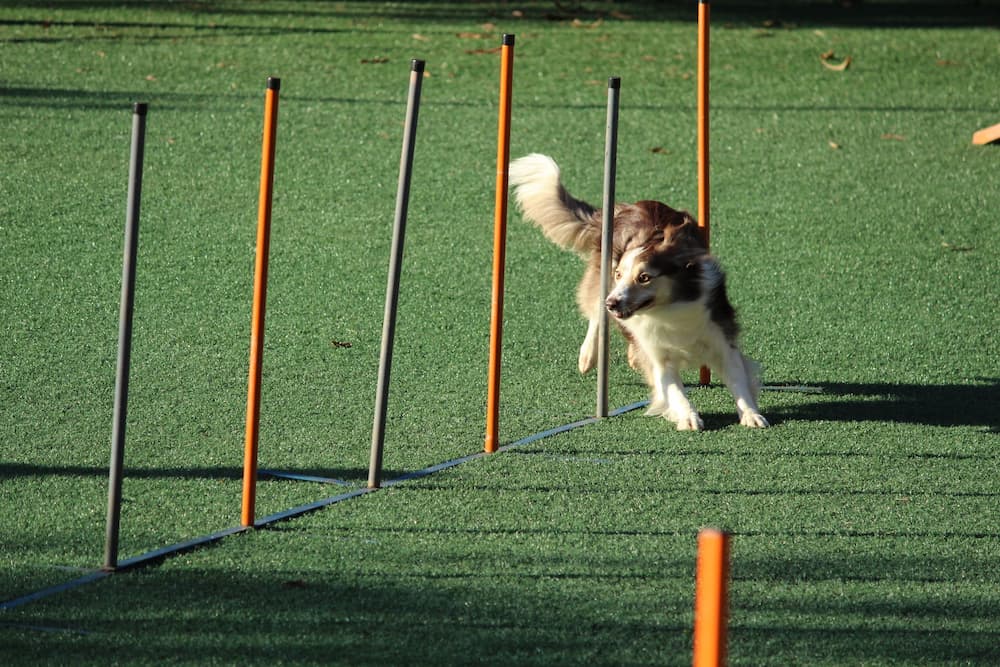
- Weave poles
- Tire jumps
Of course, this is just a basic list—there are many other types of agility equipment available, such as contact obstacles and A-frames.
How Long Does Agility Training Take?
Mostly, agility training takes between 15 and 20 minutes per session. However, this depends largely on the type of course you set up and how comfortable your pup is with the obstacle.
If they need extra time to grasp a certain obstacle, then it’s important to give them the time they need. Concurrently, if their energy levels are low or they become anxious, make sure to take a break and provide them with reassurance.
Finally, all good things must come to an end—keep in mind that agility training sessions should never last more than 30 minutes.

Enjoy the Benefits of Agility Training
Now that you know what agility training is and how it can benefit both you and your pup, it’s time to get out there and enjoy the experience! Just make sure to pay attention to your pup’s needs and adjust the course as necessary. Happy training!
Summary
The advantages of agility training are plentiful and varied. Not only will it enhance your pup’s physical strength, mental aptitude, and obedience, but also their overall well-being. Plus, it can be an enjoyable experience for both you and your furry friend.
So, if you’re seeking a fun way to form a closer bond with your canine companion, then why not give agility training consideration?
Related Read:
Featured Image Credit: Murilo Viviani, Unsplash