In this article
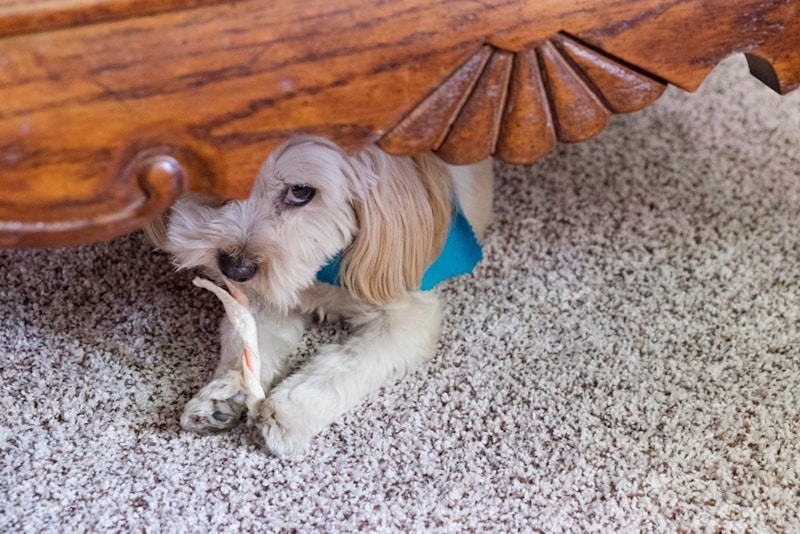
Have you ever given your dog a treat, only to watch them run off and hide it somewhere? This behavior is why dogs burying bones is such an enduring image, as it’s something that many pups actually do.
If you are just trying to understand this odd quirk or want to stop your dog from burying all those pricey treats, we examine here why dogs have this urge and offer tips on how to stop them.

The 6 Reasons That Dogs Hide Their Treats
1. Instincts
Wolves and domestic dogs have common ancestors, and some of those wild instincts are still present. Wolves are scavengers and are known to bury some of their food in a cache to prevent other animals from eating it. This way, they have extra food that they can return to and eat at a later time.
This instinct is still quite alive in dogs, so even though they don’t have to hide their food or treats because they have access to plenty, they do it anyway because the drive is still strong enough to do so.
2. Anxiety and Stress
Some dogs tend to suffer from anxiety and feel the urge to hide their things from people or other pets. This is more common for a dog new to the home, particularly rescue pups that might have lived in an environment where their things were taken from them regularly. This can quite easily turn into resource guarding, in which dogs will guard or hide anything that they see as valuable. This type of behavior needs help from an animal behaviorist because it can easily escalate to aggression.
If you need to speak with a vet but can't get to one, head over to PangoVet. It's our online service where you can talk to a vet online and get the advice you need for your pet — all at an affordable price!

3. Boredom
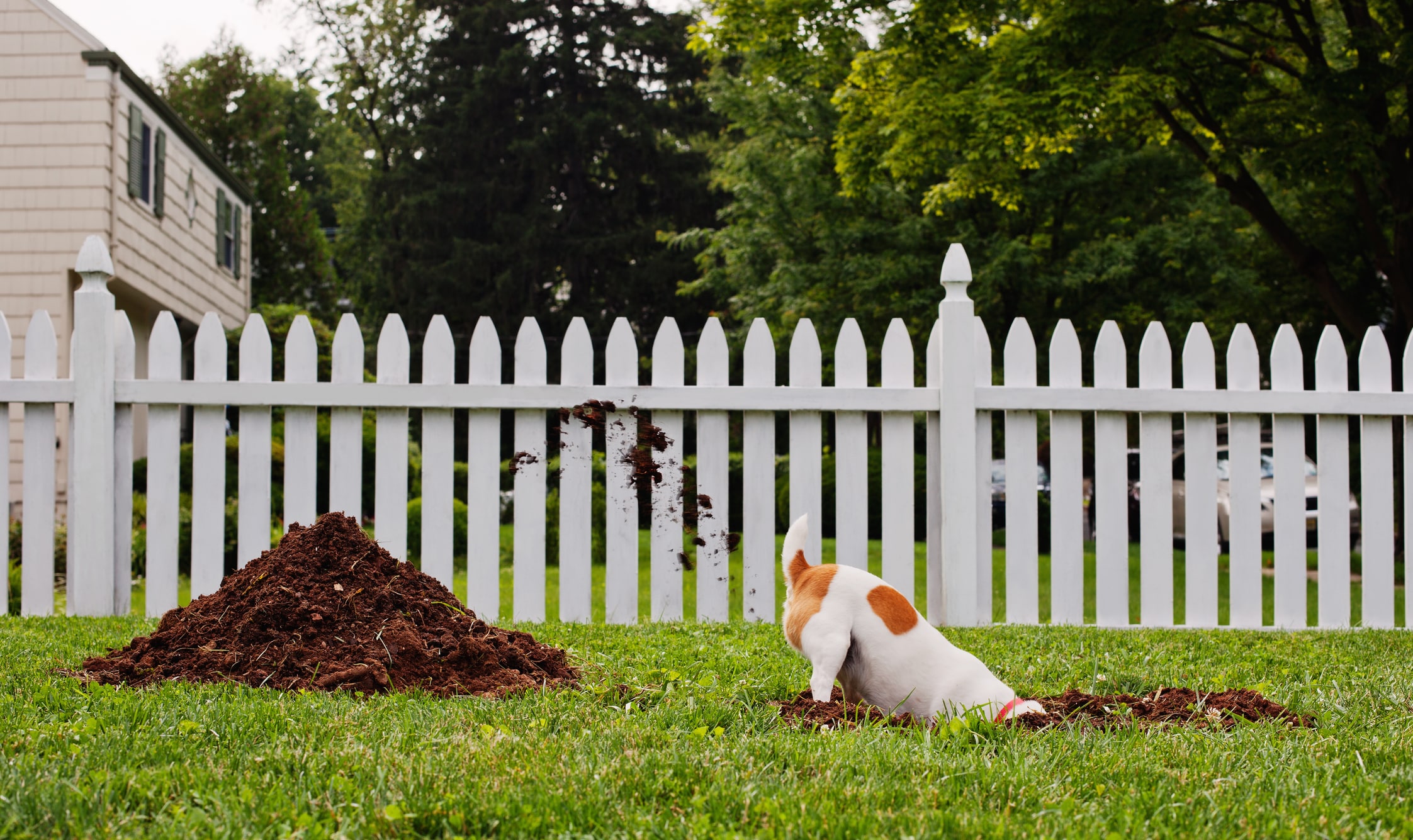
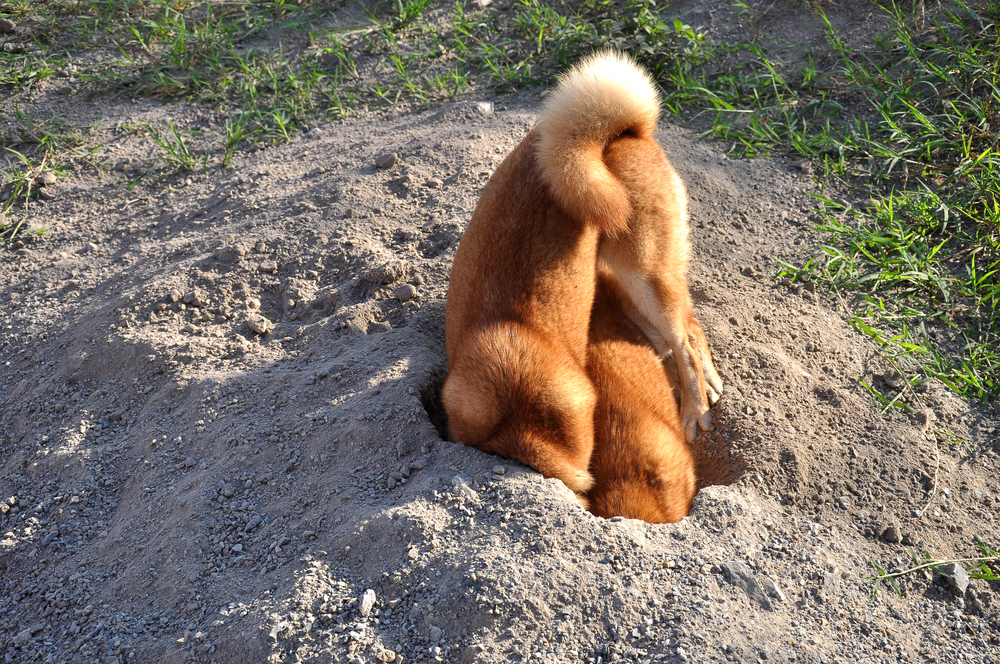
A bored dog can be a destructive dog. All canines need physical and mental exercise, or they can become quite destructive. This is why your dog will dig up your backyard to bury things. They’ll also dig up the yard without burying any treats.
Beyond getting them exercise through walks and hikes, they need to be kept mentally fit through play. Play fetch and tug of war, offer them puzzle feeders, train them, and just keep them busy—too busy to dig up the yard or your couch cushions to hide their treats!
4. Medical Problem
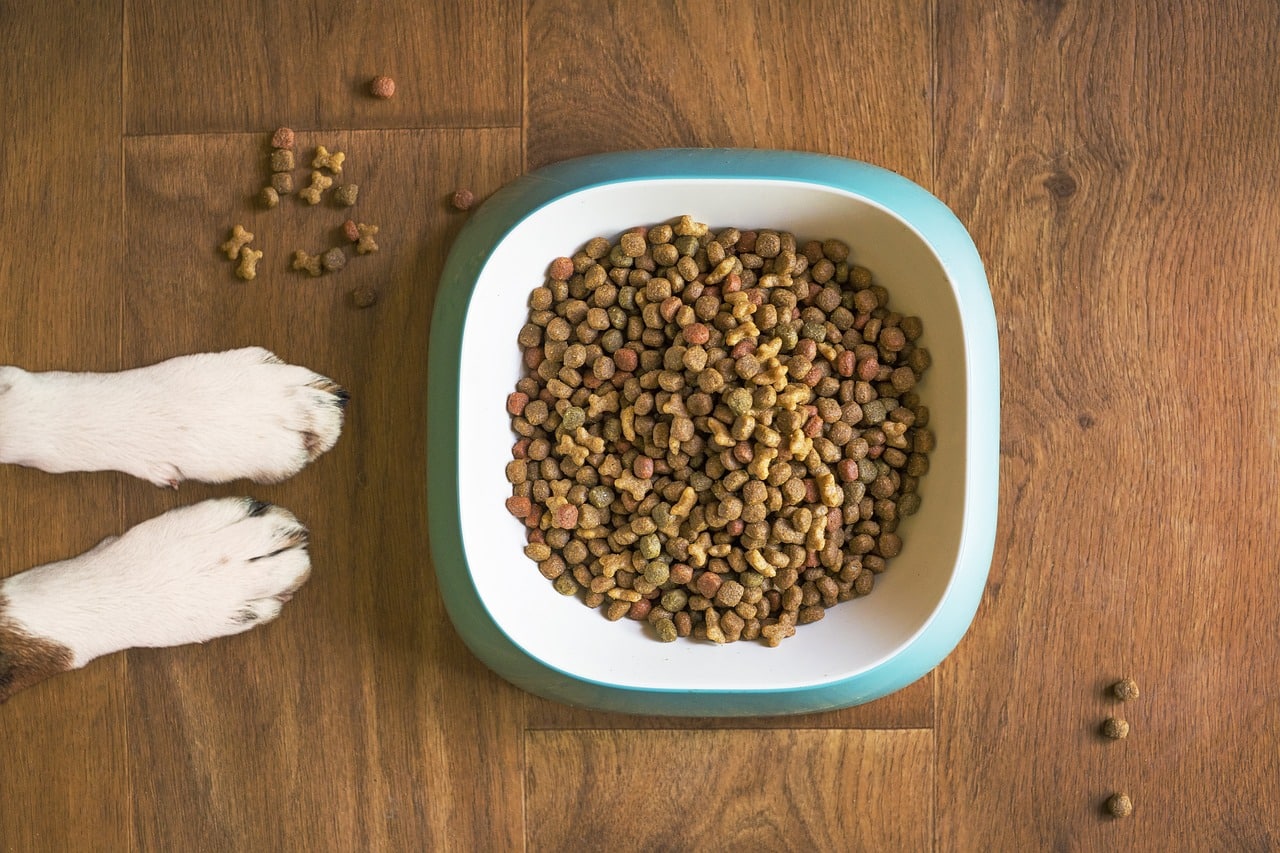
Perhaps your dog doesn’t actually hide their treats all that often. They might be temporarily unwell due to gastrointestinal upset, so they hide their treats. They might simply appreciate the reward from you even if they don’t want to eat them, or they’re trying to save them for later, when they’re feeling better. GI upset can cause the dog to feel nauseated and lose their appetite, so hiding their food and treats can be a response to this.
If your dog isn’t eating much and is salivating excessively, it could be a GI issue. Speak to your vet for further guidance if you suspect that this is a problem.
5. Too Much to Eat
Many dogs love eating everything that you give them (which is why you have to be restrictive; otherwise, you will have an obese dog). But some dogs don’t want to eat anything if they are already full, so they might take to hiding treats for later.
Dog treats should only make up 10% of their diet, so just be sure you are only giving them a few treats when necessary, like for training purposes.
6. Specific Breed Trait
Certain breeds have the instincts for digging and burying. These are not the same kind of wolf/scavenger instincts. Terriers in particular are known to “go to ground” by chasing prey into burrows, so digging behaviors are strong with these breeds.
Some hounds can also display hiding and digging behaviors, so the “hiding treats” drive might just be instinctive for them.
How to Keep Your Dog From Hiding Their Treats
While hiding treats isn’t necessarily bad behavior, particularly if they are doing it on instinct, the behavior can sometimes be destructive, especially if they are digging through pillows and couch cushions. There’s also the rather unpleasant surprise of finding soggy dog bones in your bed or wherever your pup has taken to hiding their treats.
But if your dog hiding treats isn’t stemming from a serious problem, such as anxiety or another issue with their health, and they aren’t destroying things, it’s a fun activity for them. That said, the contamination and build-up of bacteria on an edible item, along with getting your cushions or sofa dirty, are good enough excuses for you to help them find a different activity to engage in.
1. Stop Overfeeding Them
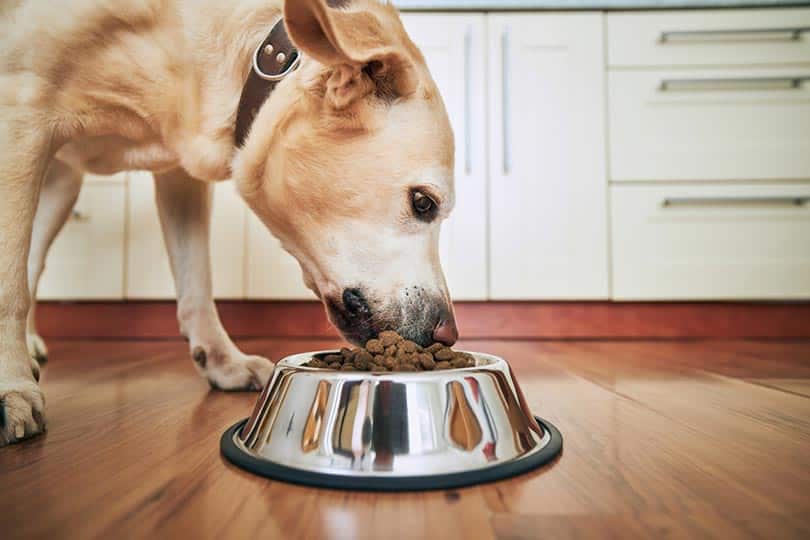
If you suspect that you’re giving your dog too much food and treats throughout the day, you should cut back. Speak to your vet about how much and how often you should feed your dog, and only use treats for training or special occasions. It’s easy to give our dogs too many treats because we love them and want to make them happy!
2. Put Them on a Regular Schedule
This point is essential for those dogs that have anxiety issues around mealtime, especially if you’re looking after a rescue dog. Establishing a regular schedule can reduce anxiety and resource-guarding behavior.
3. Spend Quality Time With Your Dog
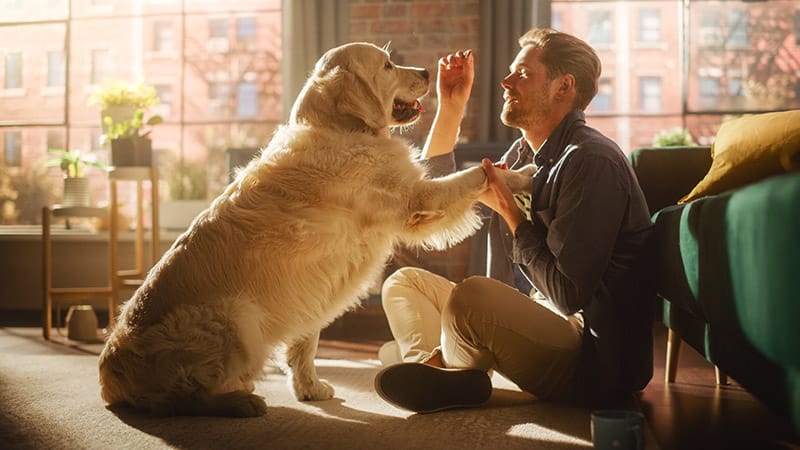
Spending as much time as possible walking and playing with your dog can help reduce the chance of them becoming bored and consequently, destructive. It will also strengthen your bond and give your dog more confidence in you, which is critical if they are a rescue.
4. Don’t Punish Them
Dogs should never be treated harshly, such as being yelled at or physically abused. This teaches a dog to be afraid of their caregiver rather than learning something and stopping the behavior.
This is where using positive reinforcement works; you can train your dog to stop digging if that’s part of the problem.
5. Create Hiding Places for Your Dog
Try to make hiding places that your dog will likely use. For example, create a dog version of a toy box, and train them to put their toys inside. They might end up using the toy box to hide their treats instead of in a hole in your backyard or between the sheets of your bed.
6. Don’t React When Your Dog Hides Treats
Your dog might think that hiding treats is fun because you’re reacting to it. Even if you react with frustration, your dog is gaining your attention, making for a fun game. So, don’t chase them or yell—make no reaction whatsoever.
You should also not react when you find a treat that your dog has hidden. The same principle works here. Your dog will think that it’s a different kind of game after you react upon finding the treat. This will likely encourage your dog to continue hiding them.

7. Supervise Them
If you offer your pup a large chewing or dental treat that will take them a while to work through, it is important to supervise them. This will keep them from hiding it in your bed, but more importantly, you can ensure that they are safe and will not accidentally ingest a too-big piece and end up choking or having to go to the emergency vet clinic.
We recommend avoiding the indigestible and usually chemically processed rawhide treats; digestible ones like yak cheese are safer options. Regardless, with these kinds of items, it is always imperative to keep a close eye on your dog.

8. Block Off the Kitchen
If your dog is in the habit of taking food from their bowl and eating it elsewhere, try blocking off the kitchen using baby or pet gates. This way, they can only eat their food close to their food bowl.
9. Consult a Professional
If you suspect that there might be a health issue or your dog is suffering from anxiety, you should speak to your vet. They can advise on your next steps, which might include referring you to an animal trainer or behaviorist.
Conclusion
Training can be one of the best solutions if you’re trying to stop your dog from hiding their treats. It keeps them mentally sharp and busy, in addition to putting a stop to this behavior.
For the most part, though, hiding treats is purely instinctual, stemming from the dog’s scavenger ancestry. So, unless you’re concerned about your dog’s physical or mental health or they are damaging something, there’s no harm in allowing your dog to hide their treats. Just try to know their usual spots so you can clean them out every few days, and don’t give your pet anything perishable unless you’re certain that they’ll eat it right away. Also, remember that keeping a close eye on them while they are working on large chew or dental treat is necessary to ensure their safety.
Featured Image Credit: Sara Valenti, Shutterstock