As dog parents, we search for the best ways to take care of our dog when they’re sick. Aside from medical management, many of us will also look into treatment approaches focusing on increasing their nutrition by adding certain foods into their diet.
For pancreatitis, a common health problem in dogs, pumpkins might be a consideration due to their fiber and nutritional content. Pumpkin is a low-fat and easily digestible food that is packed with nutrients. But can it really help dogs with pancreatitis? While pumpkin’s nutritional profile can have health benefits—which may, in turn, benefit dogs with pancreatitis—there is currently no scientific evidence confirming that it does.
Read on as we discuss how pumpkin can potentially benefit dogs with pancreatitis, as well as how you can incorporate pumpkin into your dog’s diet—with or without pancreatitis!

What Is Pancreatitis?
The pancreas is an organ in a dog’s abdomen near the stomach. The pancreas produces important enzymes that help with food digestion as well as hormones such as insulin.
Pancreatitis is the inflammation of the pancreas that affects the release of these digestive enzymes, which can cause pain, loss of appetite, vomiting, and other issues.1
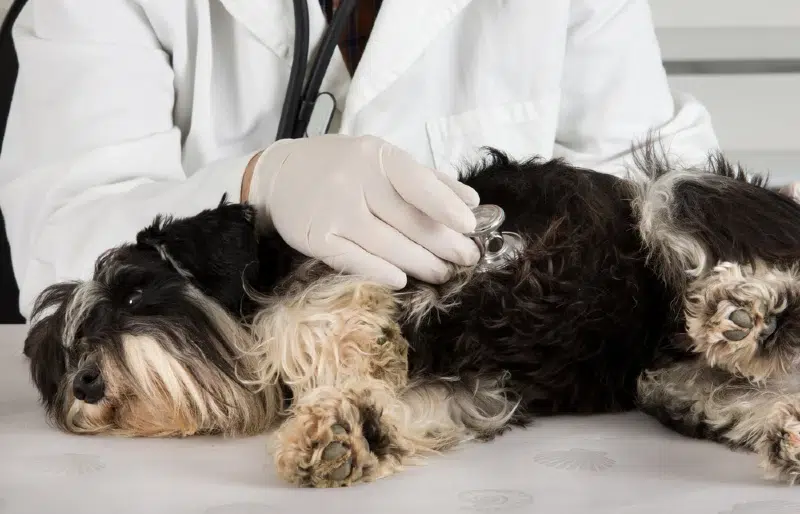
Most causes of pancreatitis are considered idiopathic with no definite and identifiable cause, but a high-fat diet and being overweight are considered risk factors. Breeds such as the Miniature Schnauzer and the English Cocker Spaniel are known to be predisposed to pancreatitis, putting them at higher risk.
Signs of Pancreatitis
- Lethargy and weakness
- Hunched back due to abdominal pain
- Vomiting
- Dehydration
- Lack of appetite
- Fever
- In more severe cases, collapse or shock
Pancreatitis can be acute and sudden with very obvious signs, or it can be long-term and chronic and can grumble along with possible periods of flare-ups and more obvious illness.
If your dog is showing signs of pancreatitis, we suggest you speak to a vet.
If you need to speak with a vet but can't get to one, head over to PangoVet. It's our online service where you can talk to a vet online and get the advice you need for your pet — all at an affordable price!

How Does Pumpkin Benefit Dogs With Pancreatitis?
Pumpkin is a healthy food option for dogs, as it is rich in fiber, antioxidants, vitamins, and minerals that are beneficial to both humans and dogs. Since this illness affects the digestive system, a proper diet and nutrition is very important when treating pancreatitis. Your dog should always be on a complete, balanced diet as recommended by your vet. Pumpkin being low in fat and easily digested may be a helpful addition or treat option as it will put less stress on the pancreas during digestion.
Pumpkins are 94% water, and whatever 6% of flesh remains is filled with nutrients. This makes pumpkins light in calories and fat and may also aid in your dog’s hydration. While light in calories, the amount of nutrients your dog can receive from pumpkin will help their overall health as well. The abundance of vitamins A, C, and E can help boost their immune system.
An important thing to note is that not all dogs are the same. Especially when your dog has a health condition such as pancreatitis, always consult with your vet before incorporating pumpkin into your dog’s diet.

Should I Choose Canned or Fresh Pumpkin?
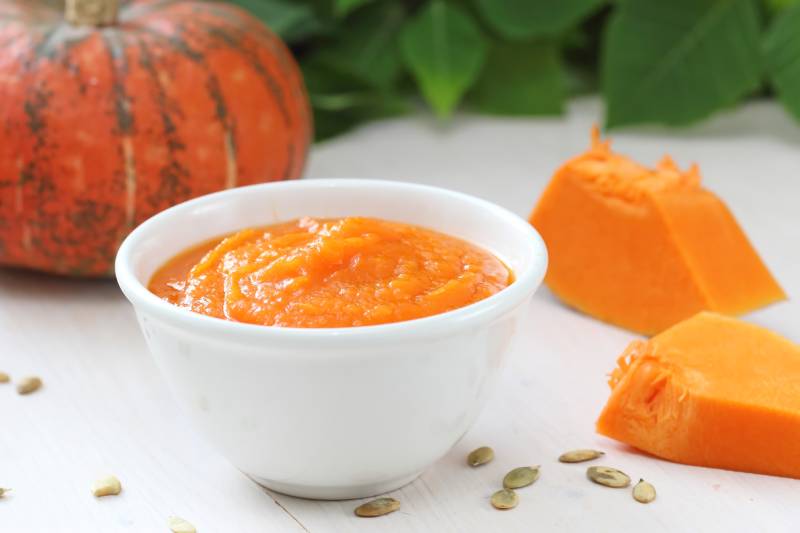
Now that you know pumpkin can be beneficial for your dog, the next step is figuring out what kind of pumpkin is best. Canned pumpkin typically has more nutrients and fiber per serving compared to fresh pumpkin, which has a higher water content. The consistency of canned pumpkin also makes it much easier to control the volume per serving.
When feeding canned pumpkin, it is important to look at the added ingredients, such as sugar, salt, or other flavorings and preservatives. Some ingredients, such as nutmeg and cinnamon, which are common additives in canned pumpkin, can be toxic to your dog. For canned pumpkin, it is best to stick with pumpkin puree with no added ingredients.
Boiled pumpkin can be served, provided that it is properly cooked. Remember to remove the seeds as well!
While tolerable in small amounts, raw pumpkin should generally be avoided.
How Much Pumpkin Should I Give?
The general rule of thumb when serving pumpkin to your dog is 1–2 tablespoons for big dogs, and 1–2 teaspoons for medium or small dogs per meal.
To be more precise, you can serve your dog one teaspoon of pumpkin for every 10 pounds of your dog’s body weight. For smaller or younger dogs, half a teaspoon once a day should be enough to give them the nutrients they need.
Again, not all dogs are the same. To prevent any further complications, it is best to consult with your veterinarian before incorporating pumpkin into your dog’s diet, and to start small before moving on to larger quantities, paying close attention to how your dog responds to the fruit. Remember 90% of your dog’s diet should be on a complete, balanced food, and additions and treats such as pumpkin should account for no more than the remaining 10%.

Can I Give My Dog Too Much Pumpkin?
Excess pumpkin in your dog’s diet can also lead to digestive problems. Pumpkin is high in nutrients, but too much fiber in your dog’s diet can hinder the absorption of nutrients during digestion. This can result in nutritional deficiency, diarrhea, and can even exacerbate the pancreatitis.
Treatment for Pancreatitis
When managing pancreatitis, supportive care is the primary approach.2 The medical management would revolve around managing your dog’s pain, dehydration, and other signs, such as vomiting. Depending on the severity of your dog’s pancreatitis, your veterinarian’s treatment approach may include:
- Intravenous fluid therapy
- Antiemetic medication to address vomiting
- Pain management
- Anti-nausea medication
- Stomach-protectant medication
- Other measures that your veterinarian deems necessary
When handling pancreatitis, it is important to avoid attempting to self-medicate without the advice of a veterinarian. While introducing pumpkins to your dog’s diet may be helpful, consultation and clearance from your medical professional must first be obtained.

What Else Can I Do?
Most veterinarians will recommend a highly digestible, low-fat dog food while your dog is recovering from pancreatitis, along with plenty of fluids. This helps with recovery and reduces the stress on the pancreas while providing all the nutrients your dog needs. If your dog suffers from repeated bouts or chronic pancreatitis, your vet may recommend that this type of food is fed long-term. There are a variety of suitable prescription foods formulated; your vet will be able to help you choose the right one for your dog. Other low-fat, easily digestible foods that may be suitable to give as treats or incorporate into your dog’s diet include:
- Chicken
- Turkey
- Cooked egg white
- White rice
- Cooked vegetables
You should avoid table scraps and any fatty foods or treats, such as cheese.
Summing Up
Pumpkin may be popular during the Halloween and Thanksgiving seasons, but it is also a healthy fruit that is rich in nutrients and fiber! It are healthy and can benefit some dogs recovering from pancreatitis, but with little research, there is currently no evidence that proves this claim.
With the nutritional profile of pumpkins, they can potentially benefit your dog in many ways. But before introducing pumpkins to your dog experiencing pancreatitis, it is best to consult with your veterinarian first before incorporating this tasty fruit into your dog’s diet.
Featured Image Credit: Gamzova Olga, Shutterstock