Aggressive behavior is a serious issue, particularly if you have small children or seniors in your household, as they are the most common victims. Aggression is complicated when it comes to dogs, as it can be a behavioral problem, or it may have internal triggers.
Aggression requires prompt attention and potentially veterinary involvement to determine the cause and means to end this unwanted behavior. Remember that local laws often require or give victims or their guardians the right to euthanize an animal that bites. So, let’s explore some common reasons why your dog is becoming aggressive to see if you can get the behavior nipped in the bud before it becomes a problem.

The 10 Common Reasons for Dogs Becoming Aggressive
1. Fear-Induced Aggression
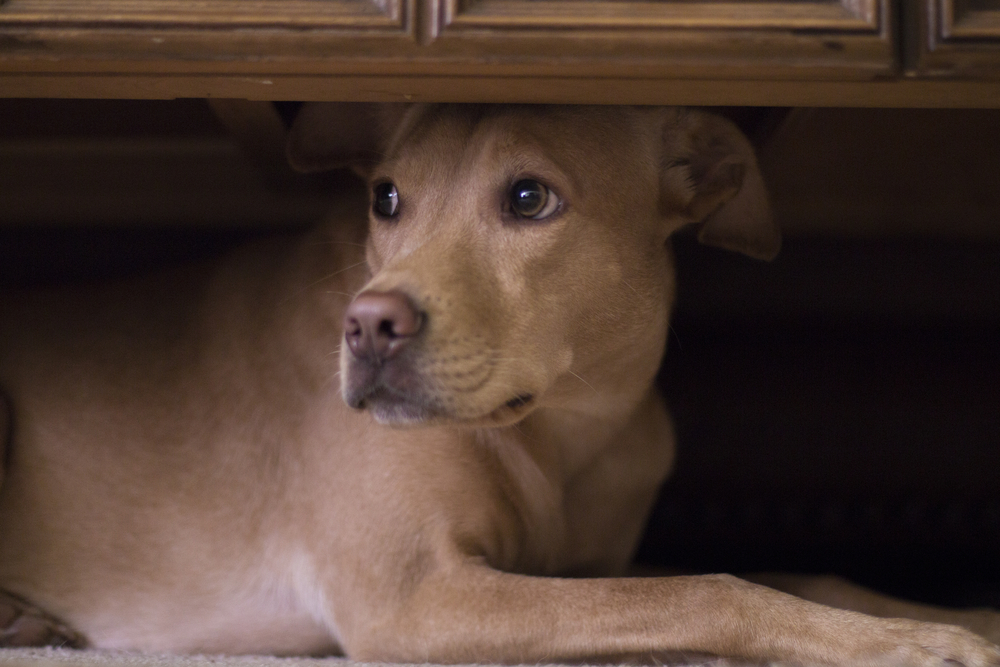
Sometimes, a dog acts aggressively out of fear. They have detected a threat and responded the only way they know how. Puppies separated from their mothers and littermates before 8 weeks may be more likely to be fearful of new experiences and people. Those emotions may cause an animal to become aggressive. Fear is one of a handful of emotions dogs experience, developing early in their young lives.

2. Pain-Induced Aggression
Pain-induced aggression is similar to our last entry. It’s a survival instinct from an animal that feels vulnerable and threatened. Even the sweetest dog in the world may snap in these situations. The behavior is a red flag of a possible problem worth investigating. We recommend contacting your vet for advice about managing this condition.
If you need to speak with a vet but can't get to one, head over to PangoVet. It's our online service where you can talk to a vet online and get the advice you need for your dog — all at an affordable price!

3. Prey Drive
Many enthusiasts raised and selectively bred dogs to be hunters or herding animals. That can add a genetic component to aggression. A dog may instinctively chase a fleeing cat without warning. Likewise, your pet may suddenly go into a guardian or watchdog mode. The aggression isn’t necessarily directed at you or a pet; instinct often controls their response to an environmental stimulus.
4. Territoriality
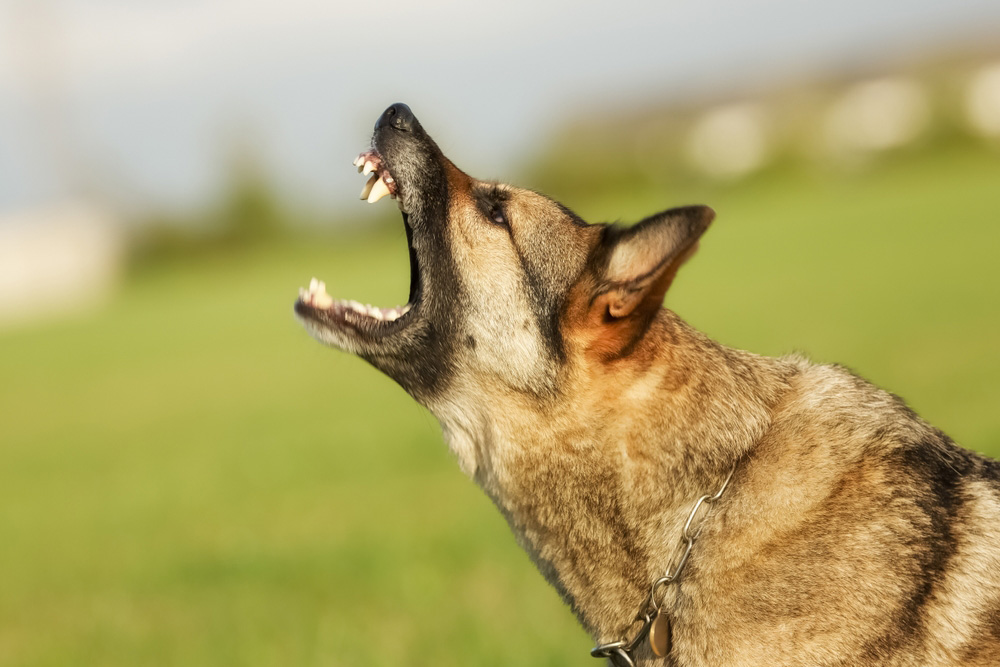
Territoriality can exist in many dogs, particularly in pets who are not properly socialized. Other canines are perceived to be a threat to their family and yard. You may see it in neutered or intact dogs. It’s worth noting that research has shown the latter was most likely to bite, regardless of the sex. You may see this behavior develop as your pet nears sexual maturity.
5. Play Aggression
Play aggression describes roughhousing that has gone too far. Puppies seemingly play rough, particularly when they’re learning about dominance and how to control it. It’s imperative not to encourage this behavior to prevent it from following them into adulthood. Teach your children to avoid tug-of-war or other aggressive play during this stage in your pet’s life.
6. Resource Guarding
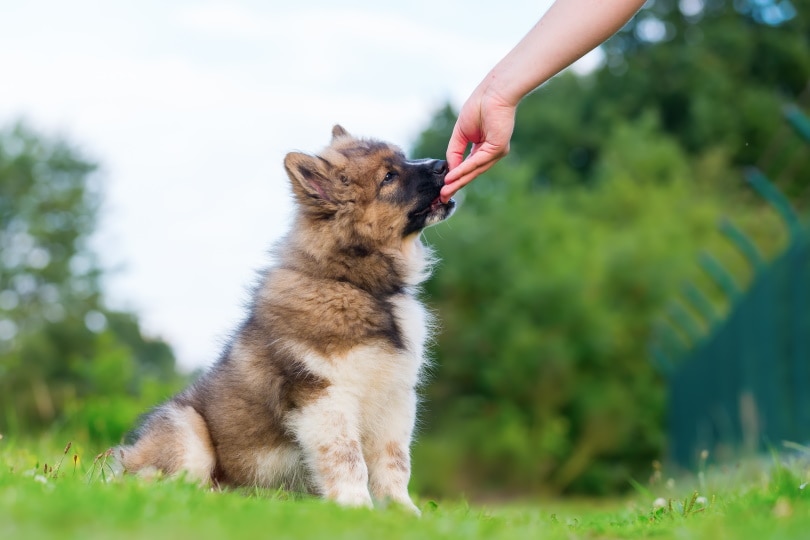
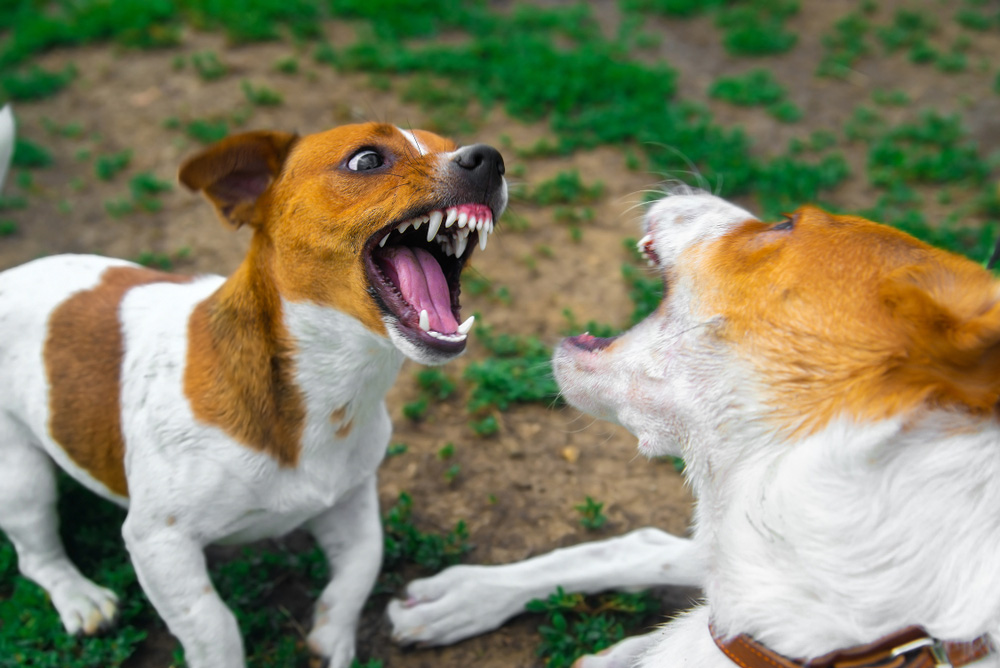
Resource guarding is another riff on territoriality. The reason is often a toy or other treat. The dog aggressively watches over something they value and is prepared to defend it. That’s why it’s essential to teach your pet a “drop” command early in their training. It is especially effective when you reinforce the lesson with a treat that they’ll likely value more than the object.
7. Displaced Aggression
There are times when a dog gets angry or upset about something that they can’t do anything about, and instead of being able to take their aggression out on that thing, they take it out on something else. For example, the neighbor dog might take a shortcut across your yard while your dog watches from the window. But instead of being able to bark or growl directly at the neighbor dog, they turn and nip at your cat since they can easily get at the cat while a window separates your dog from the neighbor’s.
8. Inadequate Socialization
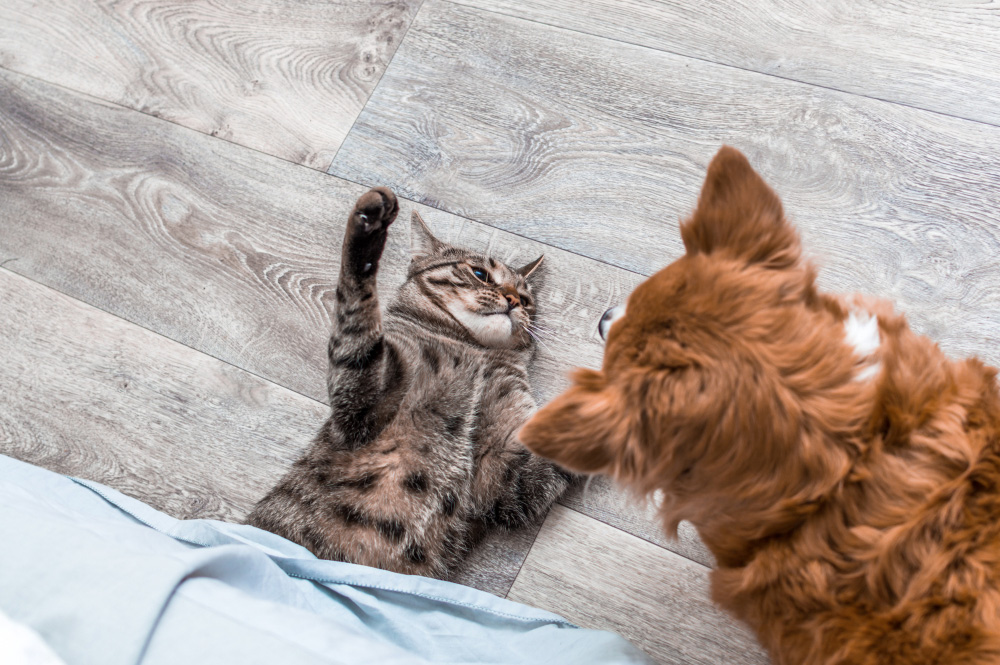
Introducing puppies to novel experiences and even car rides is critical. They should meet new people and other pets. Research has shown that inadequate socialization can increase fearfulness and its complications in dogs. These pets are more likely to bark at strangers and other animals.
9. Motherly Instinct
Caring for puppies is a stressful time for mothers. Their instincts are in overdrive to protect their young from any threats. Seemingly docile dogs may get in touch with their inner mamma grizzly bear during this time. First-time mothers might be particularly prone to this behavior. The best response is to avoid upsetting the mother. Don’t try to handle the puppies when they are most vulnerable, and trust that your dog knows what she’s doing!
10. Medical Causes
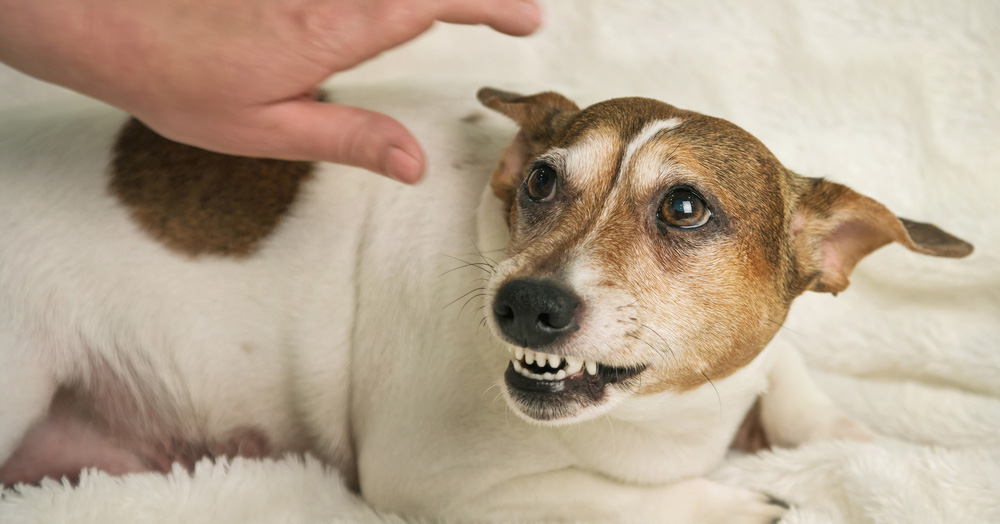
Medical issues can cause some sudden behavior changes. Aging can also affect cognitive function. These pets may become more anxious and respond differently to routine occurrences. You may notice other signs of cognitive dysfunction, including inappropriate elimination, irritability, and lethargy. Medical conditions, such as hypothyroidism, can also cause behavioral changes. If you think that there is a chance that something is wrong with your dog, you need to take them in to see the vet as soon as possible.

How to Handle an Aggressive Dog
You should schedule your dog for a thorough exam if you notice any sudden behavioral changes. Many things can cause these issues, making veterinary intervention necessary. If the problem is behavioral and not physical, your vet can refer you to a specialist to help you manage and cope with the condition. The takeaway is not to ignore this obvious sign of something being wrong with your dog.
Remember that many causes are treatable once you have identified the trigger or problem. Part of being a responsible pet owner is providing the necessary care. You can discuss your options with your vet and improve your dog’s quality of life.

Conclusion
Aggression in a loved pet is upsetting for everyone involved. That’s why it’s imperative to act quickly once you notice something is amiss. Sometimes, dogs become cranky because they don’t feel well, with the problem taking care of itself. Other times, you must act. We strongly urge you not to delay. An aggressive pet is a risk to everyone in your household, but a solution may be close at hand.
See also:
- Why Is My Dog Grumpy All of a Sudden? 7 Vet-Reviewed Possible Reasons
- Previcox for Dogs: Uses & Side Effects
Featured Image Credit: leungchopan, Shutterstock
 The 10 Common Reasons for Dogs Becoming Aggressive