Like humans, dogs may become hard of hearing as they age. However, dogs can also be born deaf, which is a condition known as congenital deafness. Some breeds are more likely to suffer from this medical condition, especially those with white or merle coat colors.
Here are some dog breeds that are prone to deafness.

The 9 Dog Breeds Prone to Deafness
1. Dalmatian

| Height: | 19–24 inches |
| Weight: | 45–70 pounds |
| Life Expectancy: | 11–13 years |
With white with either black or liver spots on their coat, Dalmatians are one of the most recognizable breeds of dogs, thanks in part to their starring roles in numerous films. These athletic dogs were originally bred to run with and protect carriage horses.
Modern pet Dalmatians remain watchful, protective, and energetic animals. Because the Dalmatian is prone to deafness, potential breeding dogs should have their hearing tested. If you’re researching Dalmatian breeders, ask about genetic testing for deafness. Experienced breeders may also double-check that puppies can hear before sending them to their new homes.
2. Bull Terrier

| Height: | 21–22 inches |
| Weight: | 50–70 pounds |
| Life Expectancy: | 12–13 years |
Bull Terriers were originally developed as fighting dogs in England but also make mischievous and playful pets. They can be either pure white, red, brindle, black brindle, or those colors combined. Bull Terriers are stubborn, energetic, and not the best with other pets due to their history; they are not the breed for everyone.
Because the Bull Terrier is prone to deafness, responsible breeders will test parent dogs before breeding, as well as all litters of puppies. Bull Terriers are also prone to heart and kidney issues and knee problems. Research potential breeders carefully and ask for a full health history on any puppy you’re considering.
3. Australian Shepherd

| Height: | 18–23 inches |
| Weight: | 40–65 pounds |
| Life Expectancy: | 12–15 years |
Australian Shepherds originated in a northwestern region of Spain but found their way to Australia alongside immigrant farmers. When the farmers later brought the dogs to the United States, they became known as Australian Shepherds because the Americans assumed incorrectly that that’s where they were from.
This herding breed can be solid black, red, white, or blue merle. Along with white, merle is one of the colors associated with congenital deafness. Since it’s extremely intelligent, energetic, and driven, the Australian Shepherd is best suited for experienced and active owners. Besides deafness, the breed is prone to hip and elbow dysplasia and eye issues.
Look for a breeder who performs recommended screening tests for these conditions and a hearing test for at-risk puppies.
4. Russell/Parson Russell Terrier

| Height: | 10–12 inches |
| Weight: | 9–15 pounds |
| Life Expectancy: | 12–14 years |
Also known as the Jack Russell Terrier, these adorable little dogs act much bigger than their size! They were first bred by an English minister in the mid-19th century to hunt foxes and rodents. They have a high prey drive and the independent, stubborn nature typical of Terriers.
Russell Terriers are also very energetic and get bored easily. Be prepared to spend plenty of time socializing, exercising, and training this breed. Parents and puppies should have their hearing tested before breeding or going to new homes. The breed is also prone to luxating patella (loose kneecaps) and several inherited eye issues.
5. Boston Terrier

| Height: | 15–17 inches |
| Weight: | 12–25 pounds |
| Life Expectancy: | 11–13 years |
The Boston Terrier descended from the same British fighting dogs as the Bull Terrier and was developed in America to serve as a pet. With black, brindle, or seal with white markings, this friendly breed looks like it’s constantly dressed for a formal party.
Since it’s playful, social, and affectionate, the Boston Terrier makes an excellent family pet. Besides deafness, the dog is prone to several health conditions, including luxating patella and multiple eye issues due to their face shape. As a flat-faced breed, the Boston Terrier can also suffer breathing issues, especially in hot weather.
Look for a breeder who tests for hearing, knee conditions, and sight problems before breeding their dogs.
6. English Cocker Spaniel

| Height: | 15–17 inches |
| Weight: | 26–34 pounds |
| Life Expectancy: | 12–14 years |
English Cocker Spaniels were bred to assist hunters by flushing and retrieving game birds and serving as happy companions once the hunt was over. The English Cocker Spaniel is gorgeous, happy, and friendly and is more commonly found as a pet these days.
Since they’re intelligent and sensitive, the Spaniels are typically easy to train and eager to please. In addition to deafness, English Cocker Spaniels are prone to hip and elbow dysplasia and eye and kidney issues. Their thick coats require frequent grooming, including regular hair trims.
7. English Setter

| Height: | 23–27 inches |
| Weight: | 45–80 pounds |
| Life Expectancy: | 10–12 years |
The English Setter is calm, friendly, and social with animals and people and is one of the sweetest dog breeds you’ll find. Their gorgeous, flowing coats are white with speckles in various colors, including lemon, orange, and blue.
All-white English Setters exist but are not breed standard. These sensitive dogs learn quickly with gentle, positive training techniques. They are active dogs that enjoy exercise but are quick to settle down at home too. Look for a breeder who performs hearing tests in addition to hip, elbow, and thyroid evaluations.
8. Catahoula Leopard Dog

| Height: | 22–24 inches |
| Weight: | 50–95 pounds |
| Life Expectancy: | 10–14 years |
The Catahoula Leopard Dog is an all-American breed descended from working dogs owned by Native Americans in what would become the state of Louisiana. This colorful breed comes in various coat and eye colors, including several merle patterns that make them prone to deafness.
Bred as livestock herding and guard dogs, the Catahoula is independent and protective. They are better suited for experienced dog owners because they tend to be territorial and destructive without proper training and socialization. Hip dysplasia and eye issues are common in Catahoula Leopard Dogs. Look for breeders who screen for these health problems before breeding.
9. Australian Cattle Dog

| Height: | 17–20 inches |
| Weight: | 35–50 pounds |
| Life Expectancy: | 12–16 years |
As a true Australian import, the Australian Cattle Dog calls the wild Dingo a close relative. Also called the Blue or Red Heeler, the Aussie Cattle Dog is among the smartest and most energetic of all breeds. They’re working dogs that require plenty of exercise or can quickly become bored and destructive.
They’re also protective and suspicious of strangers, so early socialization is necessary. This is another breed best suited for experienced dog owners with the time to spend keeping their pets occupied. Along with hearing tests, Australian Cattle Dogs should have their hips, elbows, and eyes evaluated for inherited conditions before breeding.

Signs of Deafness in Dogs
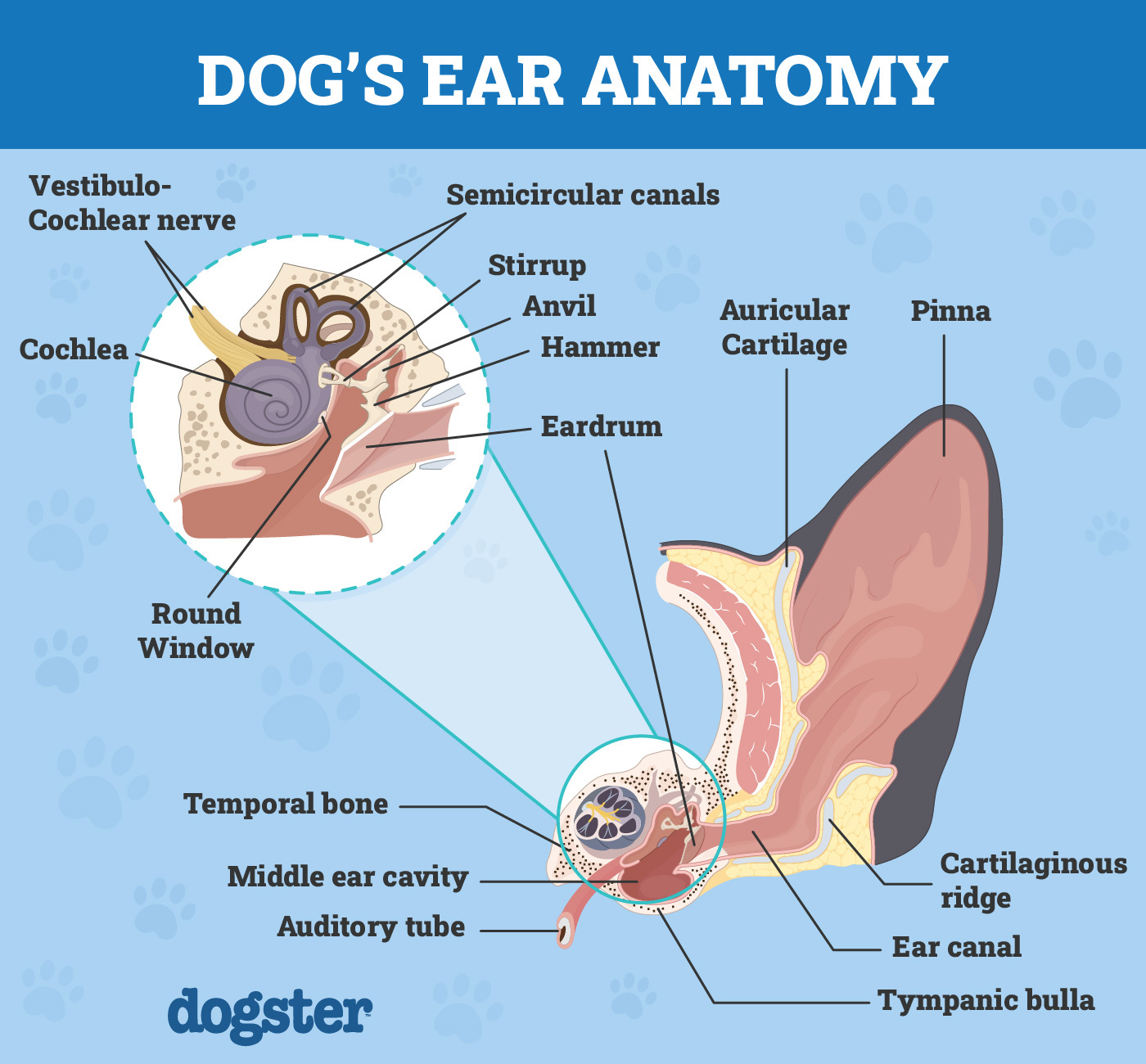
Regardless of the breed or age of your dog, it could be born deaf or lose hearing as it ages. Some health conditions can also temporarily impact your dog’s hearing. Here are some common signs of deafness in dogs:
- Sleeps through loud noises
- Doesn’t respond when called
- Doesn’t respond to toys squeaking
- Doesn’t react to everyday sounds
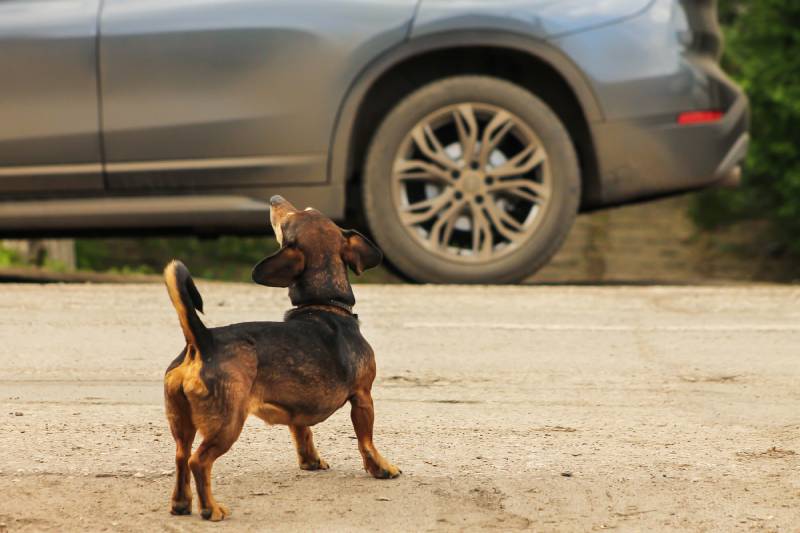
Deaf dogs may also startle easily when approached from behind or out of sight. If you aren’t sure whether your dog can hear, see a veterinarian, especially if the signs appear suddenly.
Did you know you can speak to a veterinarian without having to travel? Just head over to PangoVet. It's our online service where you can talk to a vet online and get the advice you need for your pet — all at an affordable price!


Conclusion
Living with a deaf dog can be challenging, and not every owner is up to the challenge. Everything from training to keeping it safe becomes harder when it can’t hear. If you’re interested in one of these nine breeds prone to deafness, take extra care when selecting a breeder. Don’t be afraid to ask detailed questions about the health history of the puppy you’re considering and whether the breeder offers health guarantees.
Featured Image Credit: 135pixels, Shutterstock
 The 9 Dog Breeds Prone to Deafness