Snake Bites on Dogs: Types, Signs & Treatment (Vet Answer)

In this article
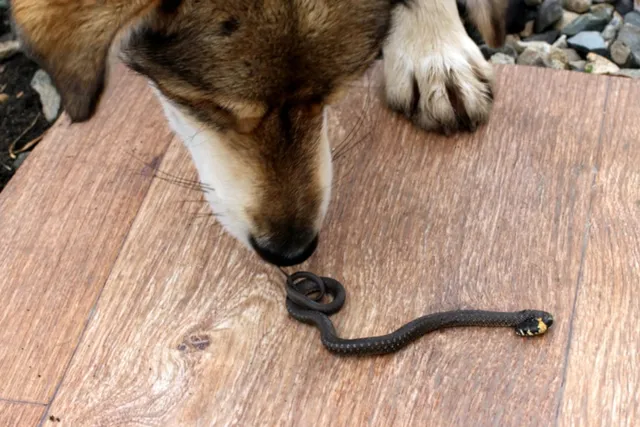
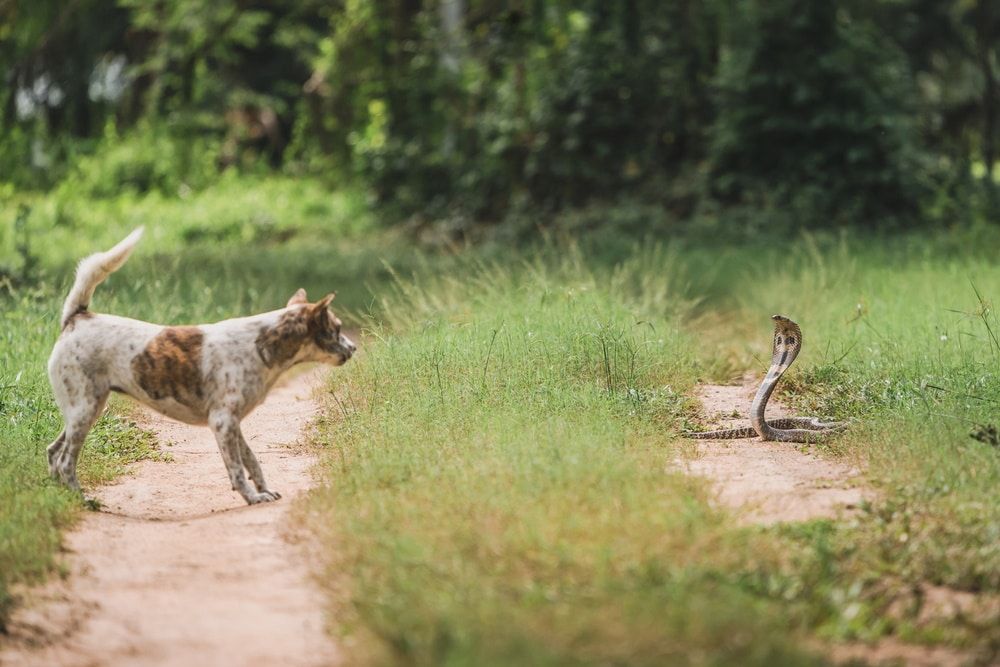
Many people fear snakes, while many dogs are intensely curious about them. Unfortunately, dogs plus curiosity can be a recipe for disaster—in this case, a snake bite. Snake bites on dogs can come in all forms, sizes, and locations, and the severity will depend on the type of snake and where they bite your dog. In any case, seeing a veterinarian immediately is of utmost importance.
Let’s look more into the details of snake bites in dogs, so you’ll know exactly what to do before the snake even has a chance to slither away.

What Are Snake Bites? How Do They Affect Dogs?
There are thousands of snakes in the world, as they thrive in various environments on nearly every continent except for a few islands and, of course, Antarctica. Fortunately, only about 600 of them are venomous, meaning that they are capable of injecting venom when they bite.
That said, if any snake bites your dog, you should be concerned, and if it’s a venomous snake that you’re dealing with, the venom released during the bite can cause tissue damage and, potentially, a whole-body reaction.
Nonvenomous snakes can be a concern because their bite wounds can also lead to significant tissue damage, pain, and infection.

What Do Snake Bites Look Like on Dogs?
A snake bite can take on a varied appearance depending on where it is on your pup, the type of snake that administered the bite, and how long afterward you’re witnessing it. For example, a snake bite may not look like much at first: a couple of small punctures that may or may not be bleeding. After a few minutes, though, you may start to see significant swelling and bruising, which can turn into an infection if untreated.
To better describe what snake bites look like, let’s break it down into venomous versus nonvenomous types.
Nonvenomous Snake Bites
- Paired puncture wounds
- Swelling and bruising that typically lasts a couple of days
- Pain
- Thick, colored discharge if infected
Venomous Snake Bites (Vary Depending on the Species)
- Rapidly spreading swelling
- Possibly bleeding from puncture wounds
- Lethargy, weakness, and/or collapse
- Bleeding from the nose, mouth, or bite
- Incoordination
- Muscle tremors
- Dilated pupils
Since a dog is typically trying to check out the snake when they get bitten, the most common areas for snake bites on dogs are on the nose, face, neck, and front legs.

Why Do Snakes Bite Dogs? Why Are Some Snake Bites More Traumatic Than Others?

Fortunately, snakes don’t normally seek out dogs to bite. They may strike your pup because they’re feeling threatened or cornered by your canine when they inadvertently come across each other’s paths. This situation is more common if you’re out hiking or at a dog park that’s surrounded by vegetation. However, it’s also possible for your dog to get bitten by a snake in your backyard, especially if you have overgrown plants or other areas where snakes may try to hide.
Snake bites can cause a great deal of damage to a dog, venomous or nonvenomous. Snakes have tiny, pointed teeth that can dig deep without leaving large holes that you’ll readily notice. This becomes a problem if you don’t seek treatment because those tiny puncture wounds can easily become infected.
Venomous snakes pack an extra punch. Not only do they create a potential infection site, but the venom can also be incredibly damaging. Some types of venom will only cause a local reaction that may include swelling and tissue damage around the bite. This is still concerning, though, especially if your pup gets bitten on the nose or throat, as any swelling in this area tends to invade important spaces, mainly airways. Other types of venom can create a whole-body reaction that can lead to blood clotting issues, the breakdown of red blood cells, organ damage, and even neurological and muscular damage.
So, now you know why it’s vital to see your veterinarian as soon as possible if you know or suspect that your pup was bitten by a snake.
What Should I Do If a Snake Bites My Dog?
You’ll definitely want to see a vet if a snake bites your dog, but as you make your way to the clinic, there are a few comfort measures that you can take.
Veterinary Treatment for Snake Bites

Your vet will want to know the species of snake that inflicted the damage if that’s possible. If it was a nonvenomous variety, they would treat the bite like they would a puncture wound by cleaning it and prescribing antibiotics and anti-inflammatories.
For venomous bites, the same holds true, along with administering antivenom depending on the species. Some dogs may require further supportive therapy and even hospitalization.
Prognosis for Snake Bites
This depends entirely on the type of snake, where your dog was bitten, and how soon treatment was sought. For nonvenomous snake bites with proper treatment, the prognosis is usually good. Bites to the nose or throat that cause significant swelling are more of a concern.
Venomous snake bites with proper and immediate treatment have a higher success rate than those that aren’t treated within a short period of time.
Frequently Asked Questions (FAQ)
How Do You Know If Your Dog Has Been Bitten by a Snake?
Sometimes, owners may witness the snake bite; other times, they may only see the swelling and wound after it happens. In certain cases, an owner’s first indication that their dog was bit will be sudden weakness, staggering around, or collapse.

Can a Dog Survive a Snake Bite Without Treatment?
Dogs can survive nonvenomous snake bites without treatment as long as the bite doesn’t cause significant swelling of the nose or throat and the puncture wounds don’t get infected. Dogs that are bitten by a venomous snake usually won’t survive without treatment.
Can I Give Benadryl to My Dog for a Snake Bite?
If you know or suspect that a snake bit your dog, contact your veterinarian immediately. Some people may recommend that you give Benadryl to your dog to help prevent an allergic reaction and potentially reduce swelling. However, don’t do this unless instructed by your vet.
Conclusion
Snake bites in dogs need immediate veterinary attention. Bites from both venomous and nonvenomous snakes can create significant swelling and tissue damage, and the venom can affect a dog’s whole body. If you know or suspect that a snake bit your dog, call your veterinarian and get to the veterinary clinic immediately. See also:
Sources
Featured Image Credit: Tharaka Wickramarathna, Shutterstock
Expert dog care, straight to your inbox
Vet-reviewed advice, training tips, and the best of Dogster. Free, and you can unsubscribe anytime.
By signing up, you agree to our Terms & Conditions and Privacy & Cookies Policy.
Dr. Chyrle Bonk DVM (Veterinarian)
On top of caring for animals and writing for veterinary publications, Dr. Chyrle Bonk owns a small cattle herd! When she’s not busy with those things, she can be found somewhere enjoying the Idaho outdoors with her husband and two kids. Dr. Chyrle Bonk received her Doctor of Veterinary Medicine (DVM) from Oregon State University in 2010.
Chyrle has practiced in a mixed animal clinic for over a decade. She also writes for various veterinary websites and magazines, like Dogster!
Join the conversation
Ask a question, share your story, or send private feedback.