7 Reasons Why Your Dachshund Is Shaking: Vet-Reviewed Facts & Info

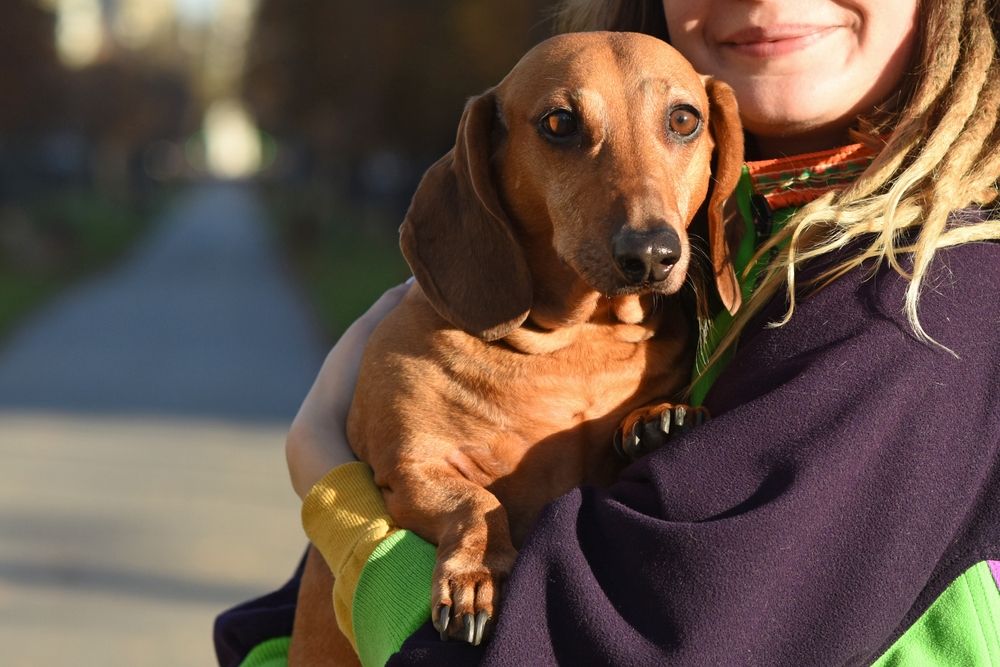
Dachshunds are sweet, loving dogs known for their curious natures and playful behavior. These small pups are incredibly adaptable and happy to meet and engage with new people and four-footers. Standard versions of the breed can grow up to 9 inches and weigh 32 pounds. Miniature Dachshunds are much smaller; most weigh 11 pounds or less.
Dachshunds have short legs and long bodies and can be found with smooth, longhair, and wirehair coats. Although they’re excellent pets, they can make their owners worry when they begin shaking. This breed can shake for several reasons, including being cold, stress, and illness. Keep reading to discover possible reasons that your Dachshund may be shaking.

Top 7 Reasons Why Your Dachshund Is Shaking
1. They're Cold
Healthy dogs have body temperatures between 101°F and 102.5°F. Shivering can be a sign your pet is cold! Most dogs are fine until the mercury drops to around 45°F. Smaller breeds, like Dachshunds, often can't tolerate being outside for long in extremely cold weather.
Once the temperature drops to 32ºF, many dogs are at risk for frostbite and hypothermia if they stay out for long without winter protection. Because Dachshunds have short legs and their tummies are close to the ground, they often quickly become cold, particularly in cool, wet conditions. Older pets and thin dogs sometimes have more trouble regulating their temperatures.

2. They're Stressed, Anxious, or Afraid
Many dogs naturally shake when frightened or afraid. Like many small breeds, Dachshunds can often be sensitive to loud noises, particularly unpredictable ones, such as thunder and fireworks. Swaddling and playing quiet background music relieves stress in some pets. Creating a hide-a-way your dog can retreat to when scared may also help your pet stay centered during stress-inducing events.
Some Dachshunds are frightened of vacuum cleaners. Putting your pet in a different room while you vacuum usually takes care of the situation. Give your dog a few toys to keep them busy, and put on calming music or white noise to give your dog something to concentrate on other than the noise. Gradual desensitization paired with positive reinforcement for calm behavior can sometimes help change their perception of the vacuuming noise.
3. They're Excited
Dogs often shake out of sheer excitement, essentially becoming overwhelmed with emotion. Shaking can be a way of getting rid of excess energy. Some dogs shake when their favorite human comes home, and others shake when you're playing with them, or they know it's time for a fun activity like a walk.
Younger pets are more likely to shake due to excitement, as they're often still learning to control their emotions. Wait until your dog is relaxed and calm, and then reward them with treats and cuddles to ease them away from the behavior.

4. They May Be Getting Old
Shaking is occasionally seen in older dogs, often due to weakened muscles. Senior pets sometimes become fatigued more easily simply because they've lost muscle tone. Dogs' rear legs are often involved. Muscle-weakness-related shaking generally goes away if you give your dog a few minutes to rest and recover.
Pain and certain neurological conditions can also cause dogs to shake, so speak with a veterinarian if your pet's shaking is a new development. Exercise and physical therapy can often help keep older dogs on their feet for longer.
5. They May Be Dreaming
Many dogs twitch and shake while sleeping. It's normal and probably indicates your pet is having an exciting dream involving something active that's triggering muscle movement in response. Dogs experience two types of sleep: slow-wave sleep and deep rapid eye movement (REM) sleep. Dreaming occurs during REM sleep in canines and humans. Dogs usually start dreaming about 20 minutes or so after entering REM sleep.
Veterinarians suspect that dogs dream about things they experience while awake. Small dogs like Dachshunds tend to dream more frequently than larger breeds, and puppies often dream more than adult animals. Dogs sometimes have bad dreams, leading them to thrash about, cry, and sometimes even growl. Waking dogs from nightmares sometimes results in unintended aggression, so it's usually best to let your pet sleep in these situations.

6. They're in Pain or Ill
Many pets tremble when they're in pain. Pain-related trembling is often seen in combination with other signs such as pacing, whining, or drooling. In older pets, shaking is sometimes related to joint pain caused by osteoarthritis. It can sometimes indicate that a dog is suffering from a medical condition. Kidney and certain neurological illnesses can trigger trembling in some dogs. Because shaking can have so many causes, it’s best to discuss any unexplained trembling with a veterinarian.
7. They Want Some Love
Most dogs are intelligent and Dachshunds are no exception. Dogs observe how their behavior impacts their humans, and some Dachshunds learn that shivering usually results in attention and use the behavior to get their humans to fulfill their need for a bit of love. Unfortunately, this can make it difficult to accurately identify when your pet is shaking for reasons like an illness.
Consider encouraging your pet to ask for attention more appropriately using positive reinforcement techniques. If you're sure your pet isn't shivering because of cold, fear, excitement, illness, or stress, wait until they stop shaking before picking them up or petting them. Provide them with an alternative way to let you know they're in the mood for a little loving attention and reward them when they use it.


Final Thoughts
Dachshunds shake for several reasons, from combating cold weather to illnesses. Dogs often tremble when chilly, and small dogs tend to get cold faster than larger pets. However, they'll also tremble when scared or afraid. Thunderstorms and vacuum cleaners often prompt Dachshunds and many other dogs to shake due to fear, stress, and anxiety. Younger dogs sometimes shake from excitement, while muscle weakness can prompt it in senior pets. Health conditions like kidney disease and certain neurological conditions can also cause shaking.
Sources
https://www.purina.co.uk/articles/dogs/behaviour/common-questions/do-dogs-dream
https://www.akc.org/expert-advice/lifestyle/why-small-dogs-behave-differently-than-large-dogs/
https://www.hillspet.com/dog-care/behavior-appearance/why-is-my-dog-shaking-and-shivering
https://www.purina.com/articles/dog/behavior/why-are-dogs-scared-of-thunder
https://www.petmd.com/dog/general-health/how-many-hours-does-dog-sleep-day
https://www.petmd.com/dog/training/why-are-dogs-scared-vacuums
https://www.purina.co.uk/articles/dogs/behaviour/understanding-dogs/why-do-dogs-shake
https://www.akc.org/expert-advice/health/easy-do-at-home-exercises-for-senior-dogs/
https://www.metlifepetinsurance.com/blog/pet-health/vestibular-disease-in-dogs/
https://www.metlifepetinsurance.com/blog/pet-behavior/why-is-my-dog-trembling
https://vcahospitals.com/know-your-pet/taking-your-pets-temperature
Featured Image Credit: TetiBond, Shutterstock
Expert dog care, straight to your inbox
Vet-reviewed advice, training tips, and the best of Dogster. Free, and you can unsubscribe anytime.
By signing up, you agree to our Terms & Conditions and Privacy & Cookies Policy.
Lorre Luther is a writer from Rotterdam. A former lawyer from the United States, she moved to the Netherlands to follow her dreams and become a writer. Lorre enjoys traveling and reveling in the astonishing beauty of our world. She has a soft spot for animals and is firmly convinced that cats are smarter than humans.
Join the conversation
Ask a question, share your story, or send private feedback.