In this article
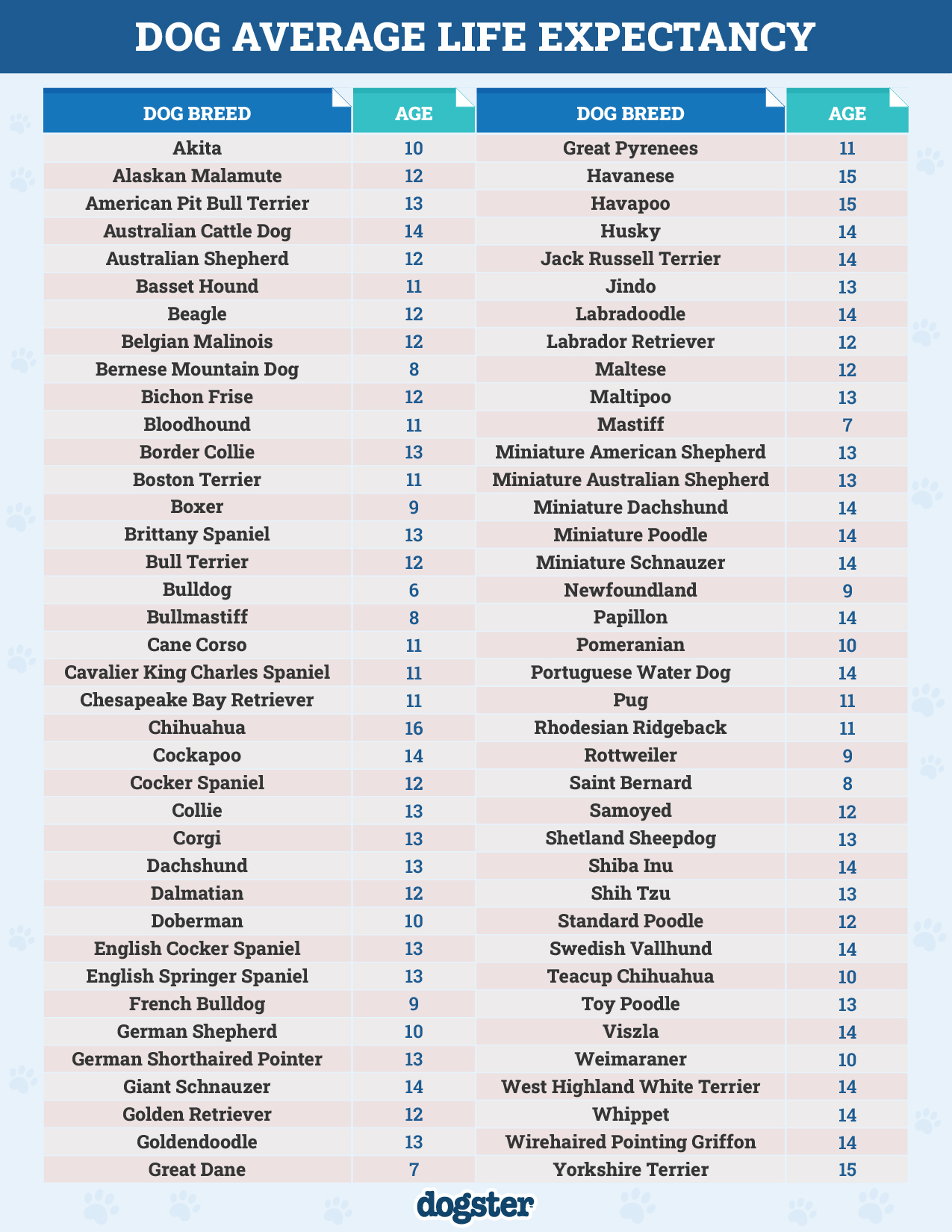
Often referred to as a “Newfie,” the Newfoundland is a large breed of working dog that is more intimidating in appearance than in temperament. They make wonderful companions because of their friendly nature and patience with kids, and they are excellent pets for kids to grow up with. The Newfoundland is expected to live an average of 9–10 years.
In this article, we’ll discuss the lifespan of a Newfoundland and the factors that affect their longevity so that you can provide your Newfie with the best care for a long and happy life.

What’s the Average Lifespan of a Newfoundland?
The average life expectancy for the Newfoundland is 9–10 years. Like some large-breed dogs, Newfoundlands are predisposed to a few health issues. Understanding how you can help Newfoundland live a long and happy life involves examining the factors that can affect it. There are a few, so let’s dive in and look at why some Newfies live longer than others.


Why Do Some Newfoundlands Live Longer Than Others?
1. Nutrition
Like all dogs, nutrition plays a large role in their overall health, and it is also an important factor in their longevity. A Newfoundland is a breed that needs a diet and nutrition to match its immense size. They require a high-quality, well-balanced diet and food recommended by a veterinarian that is compliant with the Association of American Feed Control Officials (AAFCO).
Another factor to discuss with a veterinarian is whether your Newfie’s diet should include grains. There is a link between dilated cardiomyopathy and a diet free of grains, and Newfies are sadly predisposed to this health issue.
If you need to speak with a vet but can't get to one, head over to PangoVet. It's our online service where you can talk to a vet online and get the personalized advice you need for your pet — all at an affordable price!
2. Healthcare
While Newfoundlands are generally a healthy breed, they are vulnerable to a few conditions that pet parents need to be aware of. Awareness of these predisposed health issues can help you pick up signs early and better understand how to care for your Newfie. Some of the conditions include dilated cardiomyopathy, hip and elbow dysplasia, and gastric dilation-volvulus.
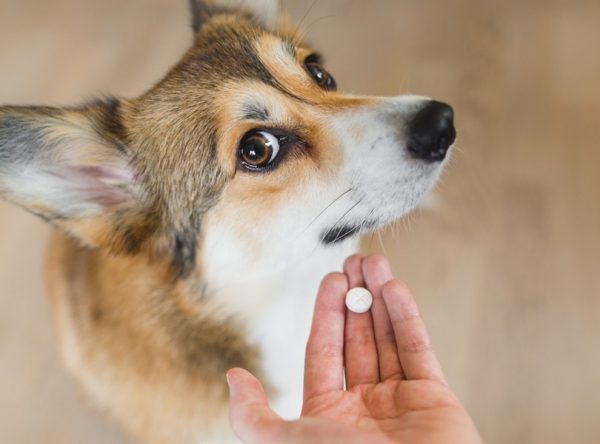
Proper healthcare also includes regular checkups with the veterinarian, keeping up with your dogs’ vaccine schedule to help prevent diseases and health issues, and administering the appropriate flea, worm, and tick preventatives recommended by a vet. By following these simple steps, the lifespan of your Newfoundland can be significantly increased.
3. Environment and Conditions
It may seem surprising, but your dog’s environment and living conditions will also affect its lifespan. If your dog lives in an environment where it is not getting enough love, attention, and stimulation, it can lead to stress, separation anxiety, and even depression, which can affect their eating and sleeping habits and longevity.
A dog that lives in conditions where it is prone to fleas and ticks will more likely get sick. It should also be kept safe from other dogs or animals that may pose a threat, and a sturdy fence is essential for Newfoundlands that roam around in the yard. Always ensure your dog’s environment is sanitary and safe.

4. Exercise and Training
Like all dogs, Newfies require exercise to maintain their weight and be mentally stimulated. They will need at least 30 minutes a day of moderate exercise, including walking, hiking, and swimming. Because Newfoundland is prone to arthritis and obesity, it is vital to maintain their body weight and keep their joints healthy with regular exercise.
Newfoundlands are intelligent dogs, but it’s best to begin training when they’re puppies. They grow fast, and it’s much easier to teach commands to a young dog that hasn’t reached 100 pounds. Early socialization is also important for raising a well-mannered and obedient dog. A dog that obeys and can be around other dogs is less likely to engage in dog fights or run off and injure itself. This includes leash training and obeying basic commands.
5. Size
A Newfoundland is considered a large-breed dog, and big dogs generally live shorter lives than small dogs. It is said that large breeds age faster and will, therefore, succumb to age-related issues earlier. Larger dogs also die more often from cancer than small breeds, which is likely because they grow faster and are more likely to experience abnormal cell growth.
6. Sex
The sex of your Newfoundland can affect its lifespan if it is not sterilized. A dog that is neutered or spayed typically lives longer than a dog that is still intact. This can be attributed to the fact that intact dogs are more likely to roam, exposing them to fights, injuries, infections, or trauma or death, such as being hit by a car. Sterilizing your dog also reduces the risks of specific ailments associated with reproductive organs, such as uterine infection and testicular cancer.

7. Dental Health
A doctor reported in the Journal of the American Animal Hospital Association that yearly dental cleanings could decrease the risk of death by 20%. Keeping on top of your dog’s dental health can help prevent organ damage because bacteria found in the plaque can enter the bloodstream and make their way to the liver, kidneys, and heart.
8. Breeding History
Getting your Newfoundland puppy from a reputable breeder is a great start to a long and healthy life. A reputable breeder cares about the health of their litter and the dogs’ parents. They will allow you to meet the parents and visit their home where breeding takes place. Their home should be well-maintained and clean, and the animals should look healthy and happy with quality diets, space to run, and warm, comfortable beds.
A responsible breeder will have their dogs scanned for health conditions, while a backyard breeder or puppy mill will typically produce unhealthy pups, which will affect their health and longevity.

The 4 Life Stages of a Newfoundland
Puppy Stage
The puppy stage of your Newfoundland is from 0–6 months. This is the fun, snuggle, and playtime stage, where you get to watch the pup grow quickly. This is also the crucial stage for training and socialization and the opportunity to get your dog’s diet and health off to a good start.

Adolescent Stage
The adolescent stage is from about 6 months to 3 years. This stage is likely the most energetic and the stage where your Newfie becomes more independent. This is where you start to learn their boundaries, and your training starts to pay off. Don’t stop training! And remember, this is when training your Newfie requires a lot of patience, commitment, and interaction.
Adult Stage
The adult stage is between 4 and 6 years. By this time, your Newfie has settled in, and all your hard work has paid off. This is also an important time to pay extra attention to its health and not to skip those check-ups!

Senior Stage
Your Newfie’s senior stage starts at about 6–7 years old. You will notice its energy level will begin to decrease, and this is when you will experience the most health issues if it is likely to develop any. At this point, it wouldn’t hurt to turn your annual checkups into bi-annual examinations with your vet.

How to Tell Your Newfoundland’s Age
If your Newfie came from a shelter, it may be difficult to tell its age. There are a few physical attributes that can help you determine the age of your dog. A clear one is a gray muzzle. Just like humans, some dogs turn gray, which indicates they are mature adults. It may also have lost a bit of hair and suppleness in its skin.
Your dog’s teeth are probably the best way to determine its age. At 6 months, a dog should have all its adult teeth, and as it grows older, they will become more discolored and have a bit of tartar buildup. Older dogs also have cloudy eyes, hardened paw pads that may be cracked, and brittle nails. Your Newfie’s overall appearance, appetite, and energy levels can help you determine the general life stage it may be in.

Conclusion
There is no certainty as to how long any Newfoundland will live, but their average lifespan is 9–10 years and sometimes even longer. For a Newfie to live the longest and happiest life, it is essential to adopt them from a reputable breeder, feed them a quality diet while watching their weight, understand their healthcare needs, provide adequate exercise and grooming, and give lots of love and attention.
Featured Image Credit: Pandas, Shutterstock