If Your Dog Eats Glass - Here's What Happens Next


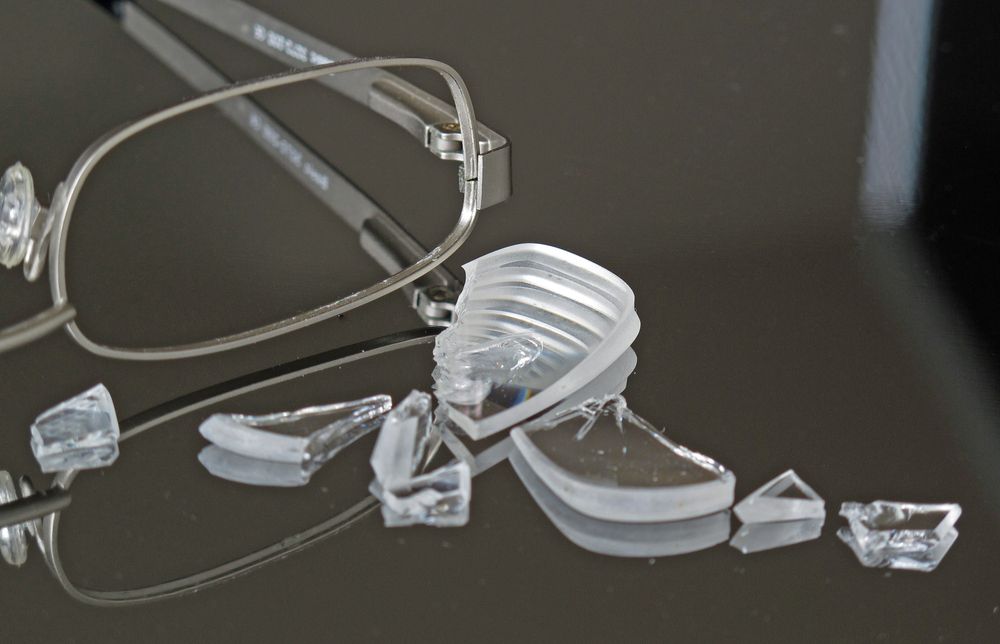
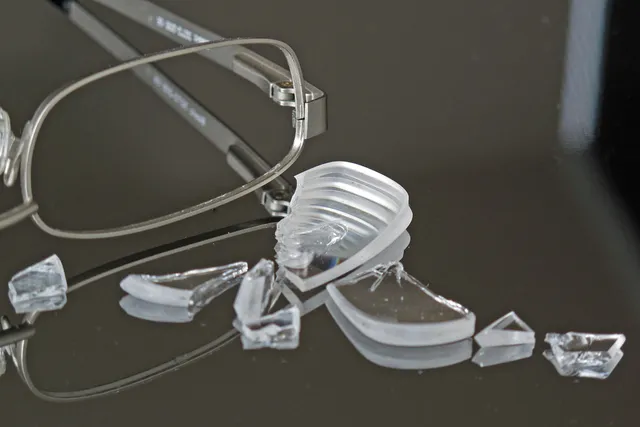
The sound of shattering glass brings your dog running instead of hiding. By the time you get to the kitchen, they're already sniffing the wreckage - or worse, licking at it with curious enthusiasm. You shoo them away, but the nagging question immediately hits: did they swallow any?
Then you spot it. A piece is missing from the pile. Or maybe you saw them do it - watched a shard disappear before you could react.
Glass in a digestive system designed for kibble and questionable backyard finds is a genuine emergency. But what happens next depends entirely on factors you can't see: how sharp the pieces are, how big they are, how many there are. Some dogs pass glass without incident. Others require emergency surgery to survive.
Here's what you need to know right now - whether you're already in the car heading to the vet or trying to figure out if that's where you need to be.

First Things First: Call Your Vet

Every situation is different. The size of the glass pieces, how sharp they are, and how much your dog ate all matter enormously. Smooth glass pebbles carry very different risks than jagged shards from a shattered wine glass. This isn't something you can safely monitor at home and hope for the best.
Get your dog to the vet! While you're on your way, here's what could be happening inside your dog's body right now.
The Five Possible Scenarios
1. It might pass through completely
Yes, sometimes glass travels through the entire digestive system and comes out the other end without causing damage. This has happened in both humans and dogs, particularly when the glass pieces are smooth rather than sharp-edged. Your dog might experience some abdominal discomfort, but the glass could exit naturally within 1-2 days (sometimes longer).
This is the best-case scenario. It's also not something you should count on.
2. It could lodge in the esophagus
Glass can get stuck on its way down to the stomach. When this happens, your dog will show it. Excessive drooling, coughing, gagging, vomiting, and even bringing up blood. They'll likely refuse food and water because swallowing hurts.
Glass trapped in the esophagus can lead to serious complications in the chest cavity, including mediastinitis (inflammation of the tissue around the heart and lungs) or pneumothorax (collapsed lung). If you see these symptoms, you're dealing with an emergency.

3. It might damage the intestines
Sharp glass moving through the intestinal tract can slice the inner lining. Beyond the obvious pain this causes, those cuts create openings for infection to take hold. You might notice blood in your dog's stool or vomit. Dark, tarry feces indicate digested blood further up in the digestive system.
4. It could perforate the stomach or intestines
This is where things get life-threatening. Sharp glass shards can completely puncture the stomach or intestinal walls as these organs naturally contract and move. When that happens, stomach acid, digestive enzymes, partially digested food, and gut bacteria spill into your dog's abdomen.
The result is called peritonitis. When bacteria are involved, it's septic peritonitis. Your dog's immune system triggers massive inflammation to fight this contamination. Signs include fluid buildup in the abdomen, severe abdominal pain, and fever. Without immediate treatment, this can rapidly progress to systemic inflammatory response syndrome (SIRS) and sepsis, both of which can be fatal.

5. It might cause internal bleeding
If a piece of glass cuts into a blood vessel at any point along its journey, your dog could bleed internally into their gut, chest cavity, or abdomen. Watch for signs of blood loss: pale gums, rapid breathing, and elevated heart rate. These symptoms indicate your dog is in crisis.
How Vets Remove Glass
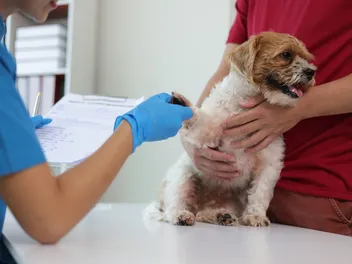
Your vet will start with X-rays. Glass shows up clearly on imaging, which helps determine how much your dog swallowed, how big the pieces are, and exactly where they're located. Based on what they find, they'll recommend the best approach.
1. Letting it pass naturally
Sometimes, if the glass pieces are small and relatively smooth, your vet might suggest a wait-and-see approach with a high-fiber diet. The extra fiber essentially pads the glass as it moves through, reducing the chance it will cause damage. You'll be monitoring your dog's stool closely for the next few days.
2. Endoscopic removal
If the glass is still in the esophagus or stomach, endoscopy is often the best option. Your dog is anesthetized, and the vet uses an endoscope (a flexible tube with a camera, light, and grasping tools) to locate and remove the glass pieces. It's less invasive than surgery and highly effective when the glass hasn't moved into the intestines yet.
3. Surgery
When the glass has traveled past the stomach or endoscopic removal fails, surgery becomes necessary. It's more invasive and carries more risk than endoscopy, but it beats the alternative of intestinal perforation and peritonitis. Sometimes you simply don't have a choice.

What You Should Do Right Now
If your dog just ate glass, don't wait to see what happens. Don't try home remedies. Don't feed them bread or other foods, hoping to "cushion" the glass. Get them to a veterinarian who can assess the situation with proper imaging and make a treatment plan.
The difference between a dog who passes glass uneventfully and one who develops septic peritonitis often comes down to the size and sharpness of what they swallowed. You can't know that by looking at the broken glass on your floor.
Key signs that mean "get there NOW":
- Drooling, gagging, or coughing
- Vomiting (especially with blood)
- Blood in stool or dark, tarry feces
- Refusing food and water
- Abdominal pain or bloating
- Pale gums
- Rapid breathing or heart rate
Even if your dog seems fine right now, glass can cause delayed problems. What doesn't hurt today could perforate tomorrow. Your vet can track the glass's location and intervene before a manageable situation becomes a crisis.
Dogs do absurd things. They "help" clean up broken glass by eating it. They investigate strange sounds by consuming whatever made them. You can't predict every dangerous thing your dog might swallow, but you can respond quickly when it happens.
Right now, that means getting professional help before those glass pieces have time to travel.
Sources
https://www.cliniciansbrief.com/article/glass-ingestion-boxer-1-case-2-options
https://todaysveterinarypractice.com/gastroenterology/endoscopic-foreign-body-removal-dogs-cats/
https://www.vin.com/apputil/content/defaultadv1.aspx?id=7259318&pid=14365
https://www.vin.com/apputil/content/defaultadv1.aspx?id=4516311&pid=11310
Feature Image Credit: dba duplessis, Shutterstock
Did You Know?
- Our brand-new posts are rounded up and included in our weekly emails. Don't miss out on the latest - sign up for our newsletter below!
Expert dog care, straight to your inbox
News, insights, expert advice, and everything dog.

No spam — unsubscribe anytime.
By signing up, you agree to our Terms & Conditions and Privacy & Cookies Policy.
How useful was this post?
Click a star to rate. You can leave written feedback afterwards. (We read all feedback.)
Dan has been working in the dog world for over 4 years, covering dogs and all other pets, helping pet parents keep their companions happy, healthy, and totally spoiled! Originally from London, Dan now works remotely, which sadly means no pets at home, but plenty of opportunities to fuss over other people's furry friends.