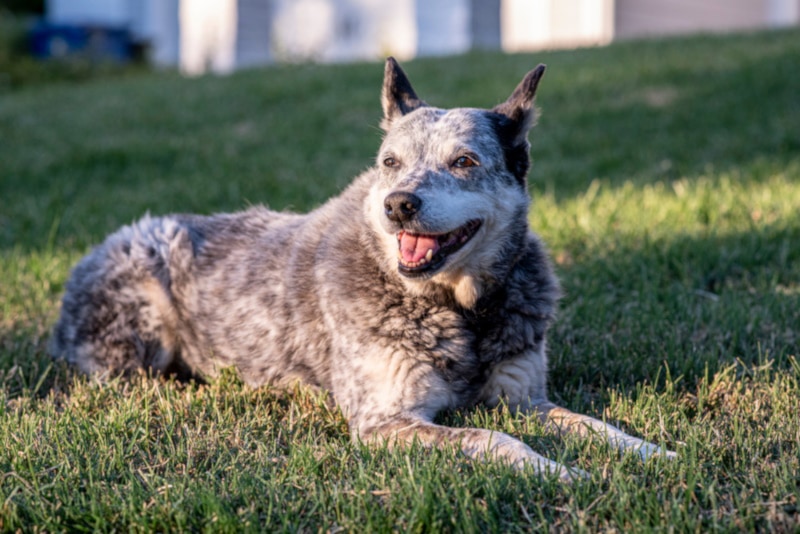
The Australian Cattle Dog or Queensland Heeler is a medium-sized herding breed known for being highly intelligent and reliable. As their name suggests, Australian Cattle Dogs were originally bred to drive cattle.
This popular dog breed has many interesting characteristics, but one of their most distinguishing features happens to be their smooth double coat. Their coat is short and available in two colors, namely red or blue speckled. While the Australian Cattle Dog’s mental stimulation and exercise requirements might be difficult to meet, their grooming needs are not.
Australian Cattle Dogs are fairly easy to groom once you get them used to a proper grooming schedule and this article has some great tips to get you started.

Benefits of Grooming Australian Cattle Dogs
Grooming and maintaining an Australian Cattle Dog’s coat is part of the breed’s care requirements. All Australian Cattle Dog owners will need to groom their dogs at some point unless they are regularly taken to be professionally groomed.
- Helping to prevent their fur from becoming matted or unkempt.
- Reducing the amount of fur they shed.
- Keeping their nails trimmed and at a comfortable length to prevent them from becoming overgrown.
- Gives you a chance to inspect their skin for any abnormalities like bumps or lesions.
- Provides an opportunity for you to bond with them.
- Helps to keep away ticks and fleas.
Preparing to Groom Australian Cattle Dogs
Good first impressions are important for this dog breed, especially when they are getting used to being groomed. Most Australian Cattle Dogs are going to be easier to groom when they associate it with a positive experience. Avoid shouting or punishing them when they are being groomed, and keep in mind that patience is key. The former will only make your Australian Cattle Dog dread being groomed in the future, making it an unpleasant experience for all involved.
Furthermore, Australian Cattle Dogs do not enjoy being forced to do things if they are feeling skittish or uncertain. It is important to work at a pace your Australian Cattle Dog is comfortable with when you start grooming them. Their environment should be calm with few disturbances. Try playing some relaxing music at a low volume and speak to them in a calm voice throughout the grooming process.

What You Will Need
Before you start grooming your Australian Cattle Dog, the following supplies will come in handy:
- A quality de-shedding brush
- Their favorite treat
- A clean towel
- Dog-safe toothpaste and toothbrush
- Pet-safe wipes
- Doggy nail clippers
- A gentle shampoo and conditioner
The 8 Tips for Grooming Australian Cattle Dogs
1. Brushing
Regular brushing is an essential part of an Australian Cattle Dog grooming routine. It is recommended to use a de-shedding brush that can effectively work through their dense undercoat without damaging their skin. Choose a time during the day a few times a week to spend a few minutes brushing through your Australian Cattle Dog’s coat. Most Australian Cattle Dogs do not need to be brushed daily, and two to four times a week is sufficient.
2. Bathing

You do not need to bathe your Australian Cattle Dog frequently, usually only if they get their coat dirty or if they require a flea-bathe. Australian Cattle Dogs have natural oils on their fur and skin that are easily removed by harsh cleansing shampoos. These oils, along with the harsh outer guard hairs, make their coat water-resistant. However, their skin and coat may dry out when they are bathed too often with the wrong shampoos.
Australian Cattle Dogs should only be bathed with a mild shampoo when necessary. Some Australian Cattle Dogs may need to be bathed more often than others, depending on their lifestyle factors. If your Australian Cattle Dog’s coat gets dirty easily, they will benefit from a bath once or twice a month. Otherwise, Australian Cattle Dogs typically only need to be bathed every couple of months to keep their fur clean and prevent dirt buildup.
3. Dental Hygiene
This aspect of dog grooming is often overlooked but it is just as important as their coat health. Australian Cattle Dogs should have their teeth cleaned at least three times a week using a dog toothbrush and toothpaste.
Brushing helps to prevent a buildup of plaque and tartar on your dog’s teeth while reducing gum inflammation caused by certain periodontal diseases. Getting your Australian Cattle Dog used to having their teeth brushed is essential from an early age, especially when they are still being trained. To make brushing your Australian Cattle Dogs’ teeth easier, try using a finger brush and a toothpaste flavor that they love.
For the first few days, start rubbing a bit of the toothpaste over their gums. Once they get used to the taste and feel of the toothpaste in their mouth, you can begin rubbing the toothbrush over their teeth.
4. Ear Cleaning
Australian cattle puppies typically have floppy ears that become more erect as they age. Regardless, their ears can trap dirt that needs to be regularly cleaned. You should never get the inside of their ears fully wet or use shampoo in their inner ear flap. This is because the excess moisture in their ears can lead to an environment in which fungus and bacteria thrive.
Instead, you should use a pet-safe wipe to cleanse away the dirt a few times a week. The wipe should be gentle on their skin and never used directly in their ear canal to avoid damaging it.
5. Fur Trimming
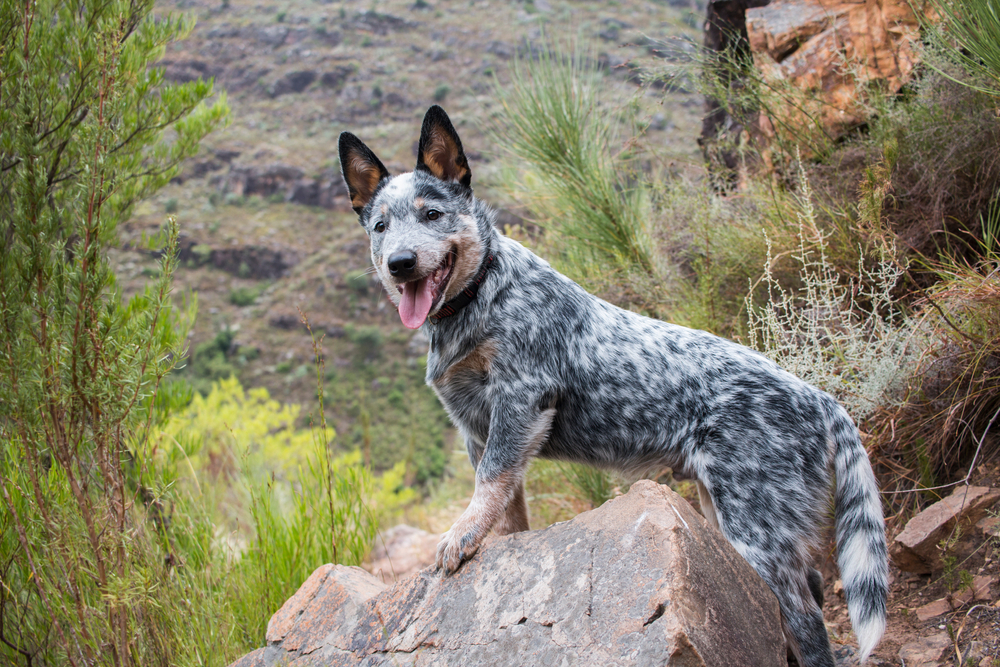
Most Australian Cattle Dogs do not need their fur trimmed because their coat is relatively short. However, some Australian Cattle Dogs might need the fur on their tails or chests trimmed to keep their coat a similar length.
6. Nail Clipping
Australian Cattle Dogs need their nails trimmed every few weeks to prevent them from becoming overgrown. You can either take them to a veterinarian or dog groomer to have their nails clipped or do it from home if you have the experience. However, you will need to purchase a quality doggy nail clipper and aim to clip the tip of their nail to avoid the quick.
The quick or cuticle of their nail located slightly above the curve of their nail should not be cut as it will bleed. It is easier to see the quick on dogs with light-colored nails, but Australian Cattle Dogs usually have dark nails. If you do cut the nails too short, apply gentle pressure right away. You can use cornstarch or styptic powder to help stop the bleeding.
If you’re uncertain about trimming your dog’s nails or are uncomfortable doing so, consult a veterinarian for guidance.
If you need to speak with a vet but can't get to one, head over to PangoVet. It's our online service where you can talk to a vet online and get the advice you need for your dog — all at an affordable price!

7. Shedding Management

Australian Cattle Dogs are moderate shedders that shed year-round. However, seasonal changes can trigger more shedding than usual twice a year. To keep the amount of fur your Australian Cattle Dog sheds, regular brushing and de-shedding tools will be beneficial. Using de-shedding tools like a rake can help remove the loose hairs from their undercoat. You may need to brush their fur more frequently during the season transitions from spring to fall.
8. Reward for Good Behavior
When you are done grooming your Australian Cattle Dog, giving them a treat as a reward is a great way to get them to associate grooming with a positive experience. Treats can be used as motivation when they are adjusting to a new routine, like grooming. Most Australian Cattle Dogs are food-motivated and understand that by allowing you to groom them, they are likely going to be rewarded.
In Conclusion
Grooming is an important part of caring for Australian Cattle Dogs, and it should be done a few times a month. Fortunately, their coat is easy to manage and does not require much grooming. Australian Cattle Dogs do not need to be bathed often unless they are dirty, and their nails only need to be trimmed a few times each month.
Brushing, dental care, and ear cleaning will need to be done more often, typically a few times a week.
Featured Image Credit: Yana Tinker, Shutterstock