In this article
Puppies tend to do a great deal of biting, as it’s a normal part of how they learn about and interact with their environment. However, if you don’t take steps to curb it, it will continue into adulthood, where it can be a real problem. If you need help getting your dog to stop biting, read on for training tips that you can use to increase your chance of success.

The 11 Tips to Get a Puppy to Stop Biting
1. Understand Their Behavior
First, take the time to understand their behavior, as this will help you be more patient and understanding of their actions. Puppies often bite and chew on things as they explore and learn about their environment, and they will also need to chew on things when they are teething. It is a normal behavior and important in their development however, that doesn’t mean that biting/mouthing at human flesh has to be put up with indefinitely.
2. Provide Appropriate Toys
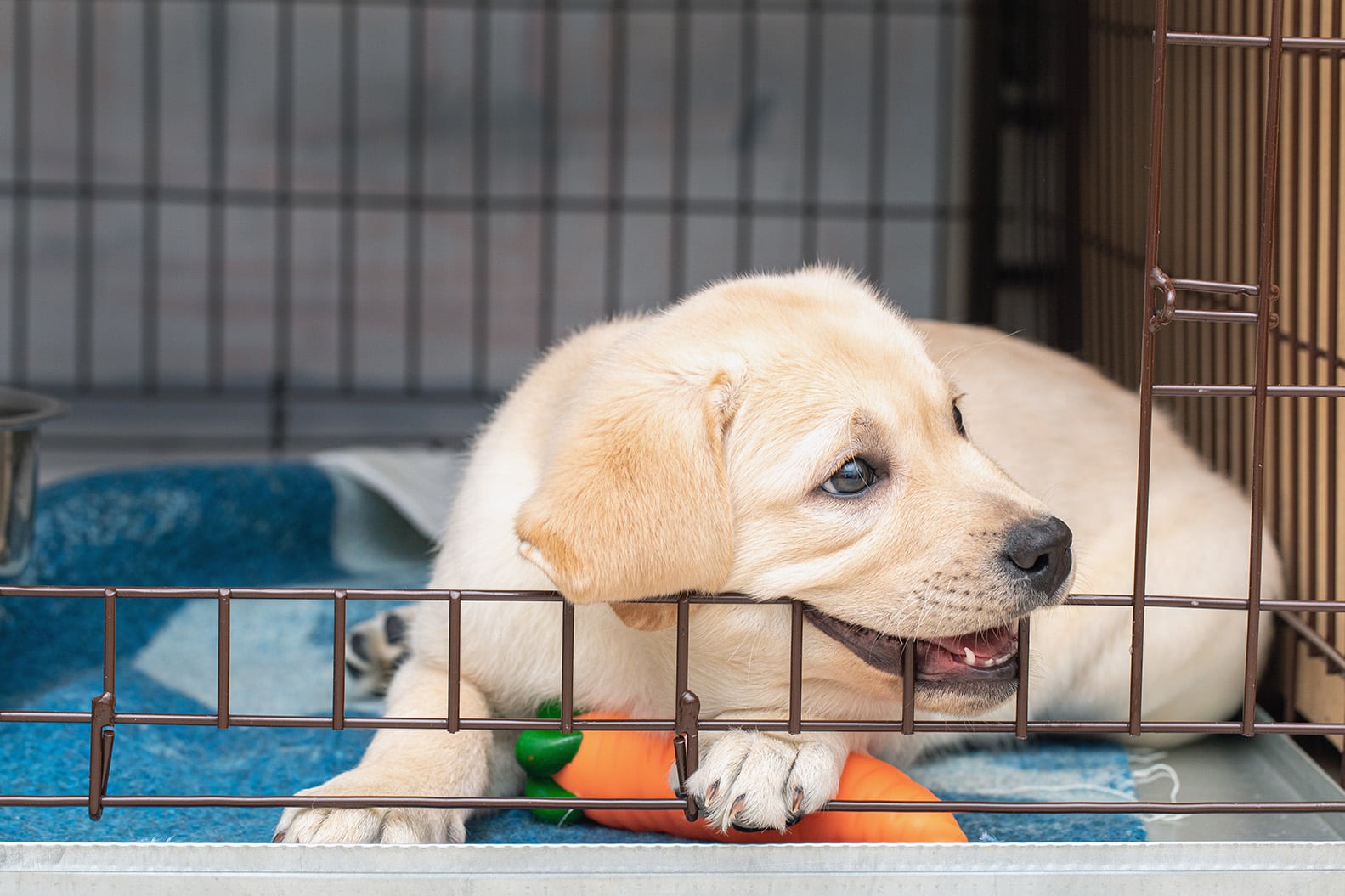
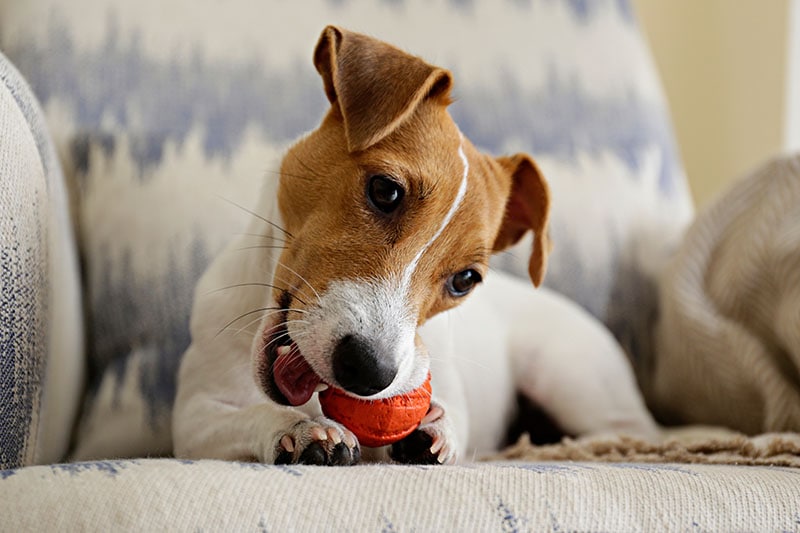
Since your puppy needs to chew, providing them with appropriate toys is a vital part of getting them to stop biting inappropriate objects. Many commercial teething toys are available, and you can also use chew toys when the dog is a bit older. Every time your dog starts to bite something that they shouldn’t, redirect them to a safe dog chew toy, and they will eventually reach for that instead.
3. Watch Your Hands
Many puppies will bite at your hands when you pet them. You can get them to stop by offering a toy with your other hand to distract them. What starts out as a seemingly harmless game of them chewing on your hands as a tiny pup can lead to more problematic behavior down the line. We recommend avoiding letting them get into this pattern of behavior and redirect them to appropriate objects.

4. Use a Cue Word
A cue word is one which you link to a behavior, such as sit or fetch. A commonly used cue word in this situation would be “No”. Use a firm “No” and finish your interaction with the dog when they try to bite. This lets them know that biting is not tolerated, but don’t yell or punish them. For some pups any reaction is a good one, in that it provides more attention and stimulation, for others yelling will cause anxiety and damage the relationship of trust you are trying to build with your dog.
5. Do Bite Inhibition Training
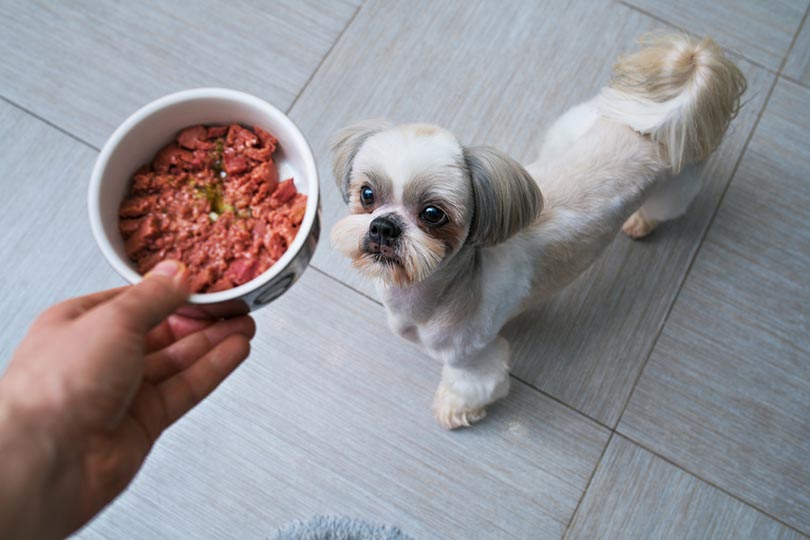
Bite inhibition training is training your dog with feedback on how to moderate the pressure they apply when biting, to teach them to have a “soft mouth”. Consistently ending playtime whenever they break the rules will teach them that biting stops the fun. Since most dogs enjoy when you are playing with them, they will pay attention to what causes you to stop, making bite inhibition training a powerful way to reduce unwanted biting. Ways to teach bite inhibition include daily handfeeding.
6. Avoid Rough Play
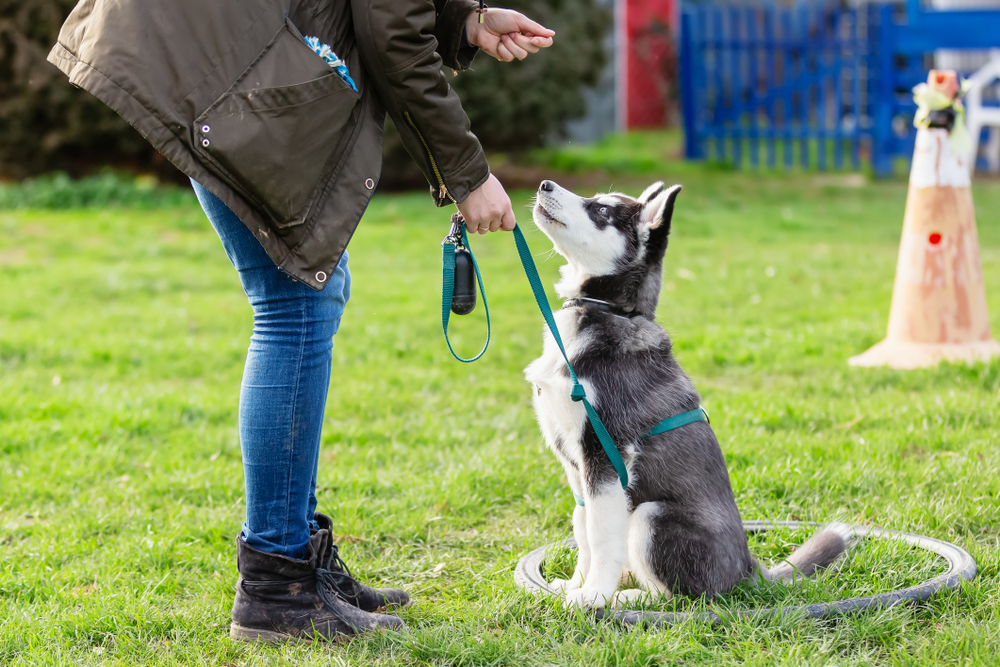
Many people enjoy wrestling and other forms of rough play with their dogs, and while this can be great fun, it can also lead to more excitation and therefore more play biting. Instead, games like fetch or training your dog to learn new tricks or tackle obstacle courses can be a great substitute that still allows you to spend plenty of time with your pet and form strong bonds. If they enjoy a bit of ruff and tumble then playing tug is a great alternative and can incorporate the skills of “leave it”, “drop it” and help with bite inhibition.
7. Help Your Dog Get Plenty of Exercise
Dogs can misbehave when they’re looking for attention, which can include biting and barking more frequently because they are bored. Ensuring that your pet gets plenty of exercise can help them burn off extra calories, which will help them be more relaxed and better behaved when in your home. The amount of exercise that your dog needs can vary significantly depending on their breed, age, health, and other factors, so it’s best to consult with your vet to find out how much time your pet needs to spend playing each day.
8. Socialize Your Dog
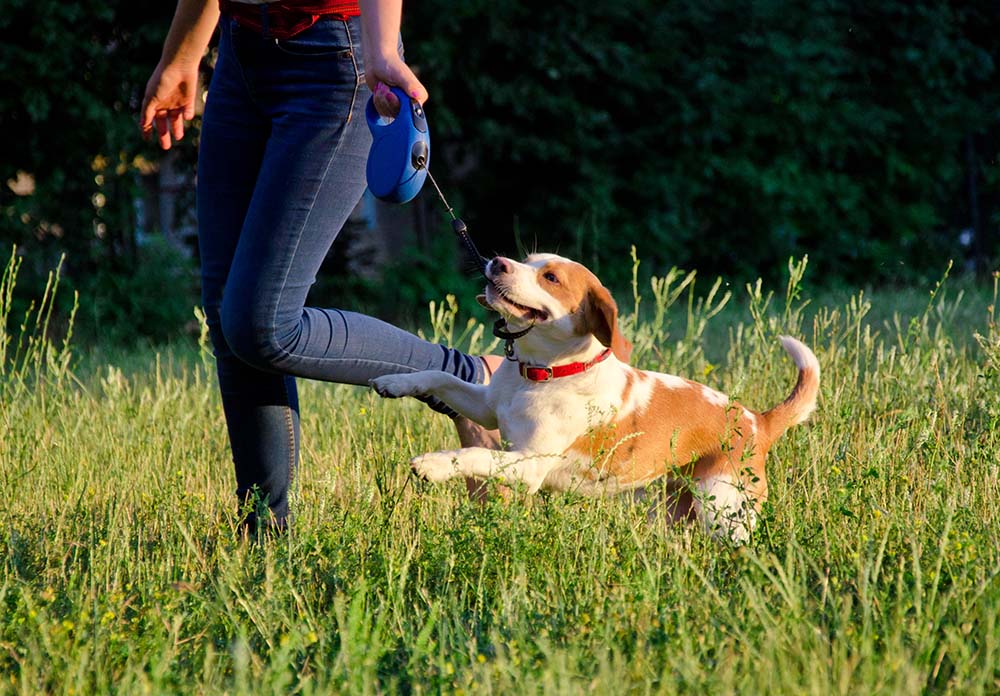
Socializing your dog with other well-behaved dogs can help reduce the amount of biting that your dog does. Plenty of socialization with other animals, places, and people will also help your pet feel more comfortable around those things as adults. A calm dog is less likely to engage in biting behavior. Older dogs will often also help to teach younger dogs by correcting unruly behavior.
9. Stay Consistent
Consistency is extremely important when training your pet. Once you implement something like bite inhibition training, it’s vital to stick with it. Everyone else in the household should also know the rules and follow them. Doing so will help reduce the risk of your pet becoming confused, which can dramatically slow the training process.
10. Reward Good Behavior
When your dog behaves correctly, you should reward them with treats, praise, and pats to help send the signal that not biting is the right thing to do. They will also likely try to get treats again and will quickly learn that not biting is the way to get them.
11. Hire a Professional
If you have been struggling with biting for a while and nothing seems to be working, hiring a professional behaviorist or trainer can be a good choice. Professionals have plenty of experience, even with difficult pets, and can usually get the dog to stop biting after a few sessions. In many cases, they may also provide tips and tricks specific to your pet that will help make your efforts more successful. Be sure to check for qualifications as many people advertise their services as trainers or behaviorists but may not have the skills and qualifications needed.
If you need to speak with a vet but can't get to one, head over to PangoVet. It's our online service where you can talk to a vet online and get the advice you need for your pet — all at an affordable price!


Frequently Asked Questions (FAQ)
When Should I Start Discouraging Biting Behavior?
You should start discouraging biting behavior as early as possible. At 8–10 weeks old, puppies are most receptive to learning, so it’s important to use bite inhibition training and avoid rough play at this age.
How Long Will It Take to Train My Puppy Not to Bite?
Unfortunately, many things can affect how long it takes your puppy to stop biting, including their personality, consistency in training, and environment, so it can take anywhere from a few weeks to several months before you start to see any positive results.
When Is It Too Late to Train a Dog Not to Bite?
While training is usually easier and faster when working with puppies, inhibition training and redirection can still be effective for older dogs. Therefore, it’s never too late to start training your pet not to bite.
Summary
Getting your puppy to stop biting can take time as it is a natural behavior and part of growing up, many owners have success with bite inhibition training. Providing appropriate toys and redirecting your dog to those toys when they bite can also be effective. Positive reinforcement in the form of treats, praise, and pets will help drive the point home for your pet.
If the tips and tricks in this guide don’t help you reduce the biting behavior, consulting a professional behaviorist or trainer can help you get advice specific to your puppy.
Featured Image Credit: Helen Sushitskaya, Shutterstock