Parvo in Dogs: Our Vet Explains Causes, Signs & Treatment

In this article
Canine parvovirus is one of the most devastating viral diseases to affect dogs, second only to rabies. It is also one of the most preventable. If you have ever seen—and smelled—a puppy with parvovirus, it is not something you will soon forget. Weakness, pain, dehydration, profuse vomiting, and bloody diarrhea cripple the infected dog, while vets and nurses fight to beat back this horrific disease. Most dog owners shudder when they hear the word “parvo,” and rightfully so. In many parts of the world, vaccination rates are high enough that there are vets who have never seen a case of parvo, but sadly, there are still plenty of dogs that fall victim to this deadly disease. In recent years, rumors of a new strain of parvo have put vets and dog owners on high alert, so it’s a good time to brush up on everything you need to know about parvo.

What Is Parvo?
Canine parvovirus (CPV) is a virus that affects the lining of the gastrointestinal system and, in some cases, the heart muscle. Most cases involve puppies between the ages of 6 weeks and 6 months, but it can also affect older and younger dogs. It is related to the feline panleukopenia virus, also known as feline enteritis or feline parvovirus, which causes similar gastrointestinal signs in cats and kittens.
The virus first replicates itself in the lymphatic system before spreading through the bloodstream to attack rapidly dividing cells in the bone marrow, crippling the body’s defenses. It then starts to destroy the lining of the gastrointestinal tract, which is extremely painful and prevents the absorption of fluid and nutrients.
Without treatment, parvo is fatal around 90% of the time; treatment reduces the mortality rate to around 20 to 50%, which is why prevention is far better (and more likely) than cure.


What Are the Signs of Parvo?
The clinical signs of CPV start to appear around 3 to 8 days after exposure to the virus and progress rapidly. A puppy can deteriorate significantly within just a few hours. Initially, the signs may be vague and non-specific, but even mild signs in an unvaccinated pup should be treated with a high level of suspicion.
Infected dogs will show most, if not all, of the following signs:
With each passing hour, a pup’s chances of survival diminish, so do not hesitate to get your dog to the vet if you think there is even a small chance they could have parvo.
How Is Parvo Diagnosed?
CPV is diagnosed by testing a blood or fecal sample. In areas where cases of parvo are more common, veterinary practices will usually have the capability to test on site, but in places with a low prevalence, there may be a delay as samples are sent to an external lab. If parvo is suspected, your vet will err on the side of caution until the diagnosis is confirmed or ruled out and start treatment immediately.


How Is Parvo Treated?
Being a virus, there is no specific treatment for CPV, which is why it is safer to start treatment even if parvo hasn’t been confirmed. If a puppy is showing signs of parvovirus, they will still likely need the same treatments, but their prognosis and management will be different if they do not have CPV.
Dogs with parvovirus are taken to an isolation ward, where there are strict protocols to reduce the risk of spreading the virus to other patients. This typically includes disposable gowns, gloves, masks, and shoe protectors, and anything used on infected patients must be kept in clinical waste containers until they can be disposed of. This also means that you will not be allowed to visit with your dog in the hospital.


How Do Dogs Get Parvo?
CPV is shed in the feces, and unlike many other viruses, it is very stable in the environment. Your pup could be exposed to CPV from contaminated bedding, food bowls, clothing, and toys, or from being in contact with people or animals that have been exposed to the virus. Under the right conditions, it can survive for several years in the soil. This means that dogs can become infected with parvo without even seeing another dog.
Worried yet? Good. When it comes to parvo, it’s far better to be paranoid than complacent.
Parvo can infect wild canid species such as wolves, foxes, and coyotes, but they are not a significant contributor to the infection of domestic dogs. It is pet dogs and stray dogs that spread the virus.
How Do I Protect My Dog Against Parvo?
Here’s the good news: Vaccination is virtually 100% effective in preventing parvovirus infection, but there are a few things to be aware of.
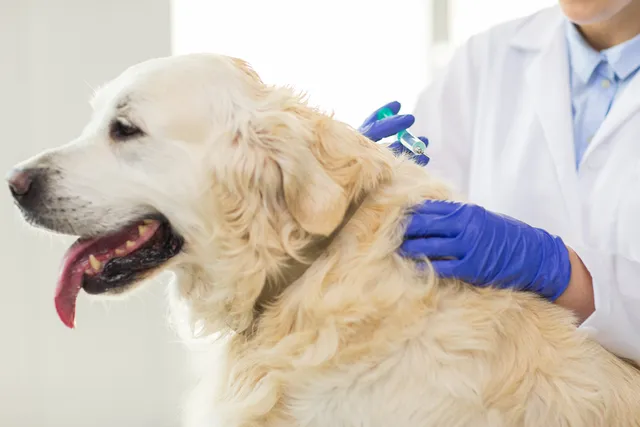
- Most puppies will need two or three inoculations, given 2 to 4 weeks apart from the age of 6 to 8 weeks. A booster is given 12 months later, and every 3 years after that. Different vaccine manufacturers will have slightly different protocols, so make sure you follow your vet’s directions carefully.
- Some breeds are more susceptible to the virus than others, so extra precautions and vaccine doses may be recommended. They are:
- Rottweilers
- Doberman Pinschers
- American Pit Bull Terriers
- English Springer Spaniels
- German Shepherds
- Vaccine protocols may vary geographically based on the prevalence of the virus in the area.
- It is far safer to give an extra vaccination than to risk exposure.
Other steps you can take to protect your dog:

Can Dogs Get Natural Immunity to Parvo?
Not every dog that is exposed to CPV will get sick, and it is possible for some dogs to gain natural immunity to the virus without showing clinical signs, but this is rare. Natural immunity will result from infection with the virus, but with the high mortality rate, it is not a method we would recommend.

The New Parvo?
Like most viruses, there are a few different strains of CPV, and they can mutate over time. Several years ago, there was renewed concern about a new, deadlier strain of parvo infecting dogs that were previously vaccinated. Since then, this concern has died down, and it is possible that the dogs affected were immunocompromised or had not received a booster vaccination in some time.
Vaccinations are always being improved and updated to ensure they are protective against current strains, which is another reason why it is important to pay attention to those booster reminders.

Frequently Asked Questions
Do Adult Dogs Get Parvo?
Yes. It’s much less common, but dogs of any age can be infected with CPV, and when they are, the disease is often more aggressive with a higher rate of fatalities. This is likely due to the fact that, compared to an actively growing puppy, the gastrointestinal lining and bone marrow of an adult is not replicating as rapidly, so the destruction of these cells will take longer to recover from.

Why Do Puppies Need More Than One Injection?
Puppies have some protection from their mothers for the first few weeks (maternal antibodies), which can interfere with the effectiveness of the vaccine. Because there is variation in the timing of when the maternal antibodies give protection/inhibit vaccination, multiple doses of the vaccine are used to ensure that pups are protected from a young age and also receive an additional dose(s) to ensure there is an adequate immune response.
Can Cats Get Parvo?
Although cats do get a form of Parvovirus, it is quite distinct from CPV. They cannot be infected with parvovirus (feline panleukopenia) from dogs, and vice-versa.
Can Humans Get Parvo?
There is a human Parvovirus, also known as the B19 virus, or “slapped cheek disease,” due to the telltale red rash produced on the face. It is most common in children and usually only causes mild clinical signs. They are completely distinct viruses, and there is no risk of giving your dog parvo or getting it from them either.
Are There Any Alternatives to Vaccination?
Some dog owners prefer to have blood tests, called titer testing, performed to check their dog’s immunity to viruses like parvo and only vaccinate if their immunity is low. We would only recommend relying on titer testing after your dog has received their puppy vaccinations and the booster after 12 months.

I’m Not Sure if My Dog Is Vaccinated—What Should I Do?
You can either opt to have a titer test to see if they have immunity or just go ahead and book them in for vaccination. Adult dogs can, and do, die from parvo, so don’t risk it.
Final Thoughts
The fact is, parvovirus should no longer exist. The immune response to the CPV vaccination is so strong that if every dog that was able to be vaccinated was vaccinated, the virus could virtually be eradicated within 2 to 3 years. Knowing this and then seeing puppies wither and die from a completely preventable illness is not just devastating; it is infuriating.
When a heartbroken owner tearfully asks if there is anything else we can do to save their pup, it takes every ounce of self-control not to scream, “You could have vaccinated them!”
There is so much suspicion and misinformation surrounding vaccination these days, but we cannot let it stop us from protecting our pets. The CPV vaccine is known to be up to 100% effective in preventing parvovirus infection when given at the right age and intervals, and it has a very low risk of serious side effects. Parvovirus kills in a horrible and cruel way, but not if we protect our puppies through vaccination.
Sources
Featured Image Credit: Todorean-Gabriel, Shutterstock
Expert dog care, straight to your inbox
News, insights, expert advice, and everything dog.

No spam — unsubscribe anytime.
By signing up, you agree to our Terms & Conditions and Privacy & Cookies Policy.
How useful was this post?
Click a star to rate. You can leave written feedback afterwards. (We read all feedback.)
Dr. Karyn Kanowski, BVSc MRCVS (Vet)
Dr. Karyn is originally from Queensland, Australia, and has resided in the UK for the past 10 years. She graduated from The University of Queensland School of Veterinary Science in 2010, and also holds a Bachelor’s degree in Zoology. Karyn is passionate about using experience, evidence, and working with pet owners to provide the best solutions for pets. She also believes in making reliable information about animal health accessible to everyone. 5 cats and 4 dogs let her share their home with her and her husband, and when she is not practising as a veterinary surgeon, she spends her time writing, gardening, and cleaning up pet hair!