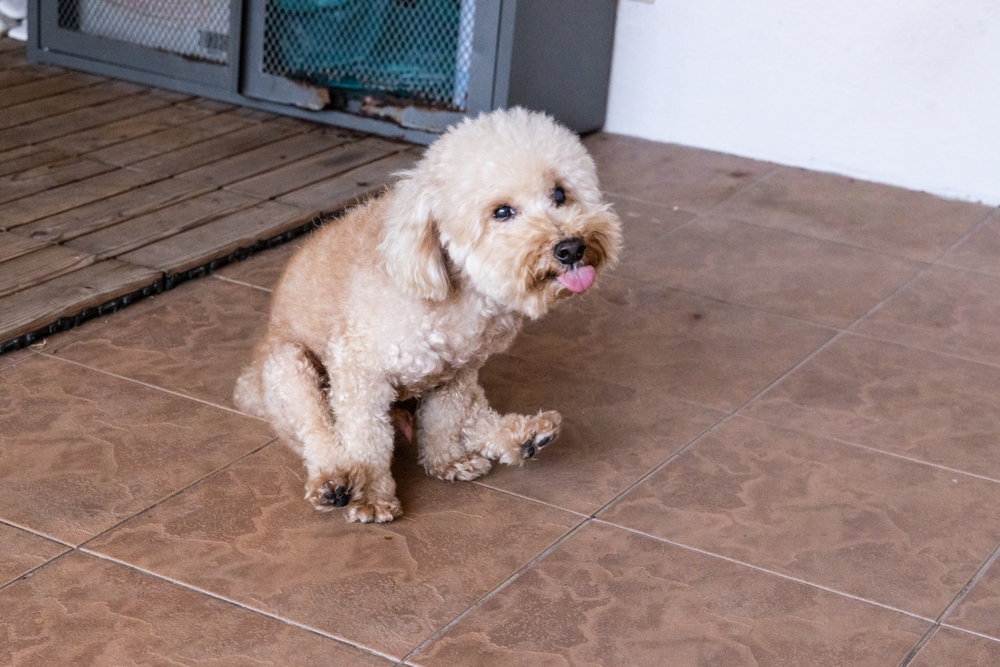
Some aspects of pet ownership aren’t pleasant. After all, the good comes with the bad. Dogs scooting their butts is an example of the latter. When this happens, it’s apparent your pup is uncomfortable. Itchiness and irritation are annoying sensations and sometimes downright painful. It’s no different with your dog.
So why do dogs scoot on their butts? And what can be done to resolve it? Luckily, several causes of dog butt scooting are easily remedied, but treatment and relief start with a vet examination to rule out any serious issues.

The 6 Reasons Your Dog May Drag Their Butt & Remedies
1. Anal Sac Disease
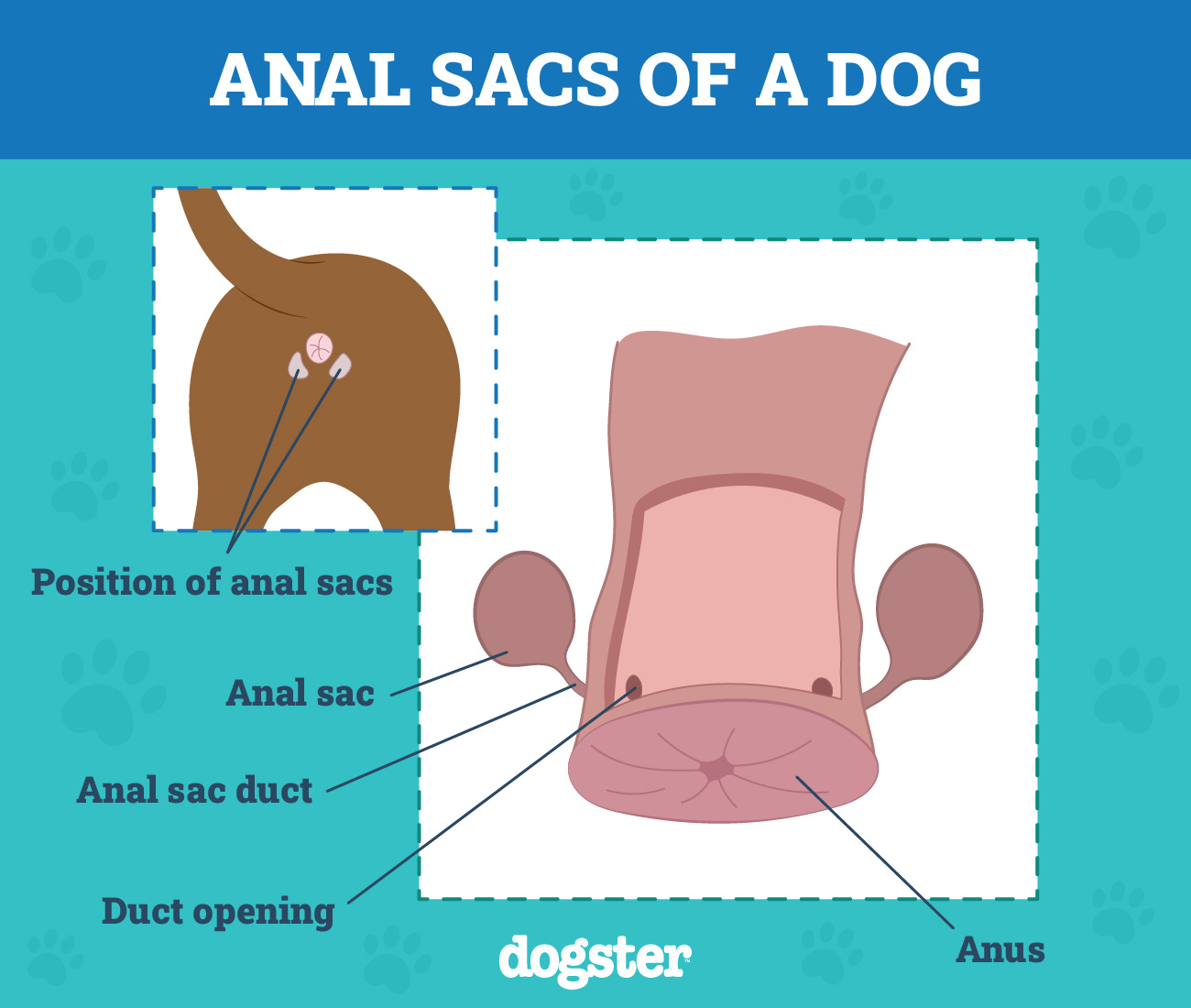
Blocked anal sacs are one of the most common causes of a dog scooting their butt. Dogs have a pair of anal sacs (also known as anal glands) located inside their rectum which contain foul-smelling fluid normally released when a dog passes feces. If these anal sacs get too full it causes pressure and discomfort, which dogs try to relieve by dragging their bottom.
Left untreated, impaction of the anal sacs can progress to an infection or abscess. You may also observe your dog having difficulty trying to defecate and trying to lick or chew at their rear end. They may appear in obvious pain and distress.
The treatment often involves expressing the anal sacs, something best left to a vet. Additional measures might be necessary, such as antibiotic treatment if they have become infected or formed an abscess. A fiber-rich diet may also provide relief. Severe cases may require surgery. Research has shown that Cavalier King Charles Spaniel, King Charles Spaniel, and Cockapoo are most susceptible to this condition.1
2. Dirty Hind End
Another frequent cause of dogs scooting their butts is a dirty hind end. Gastrointestinal (GI) issues can cause diarrhea, which can stick to your pup’s anus, causing itchiness. Meanwhile, your dog acts instinctively to take care of themself and scratch the itch. However, complications can include bacterial infections if your pooch is overzealous and breaks the skin. That invites problems that can make a simple issue worse.
You can use a damp paper towel or medicated wipe to help your dog and spare your carpets. Some pets may not welcome your assistance, but at least you can try to make it less irritating.
3. Skin Allergies
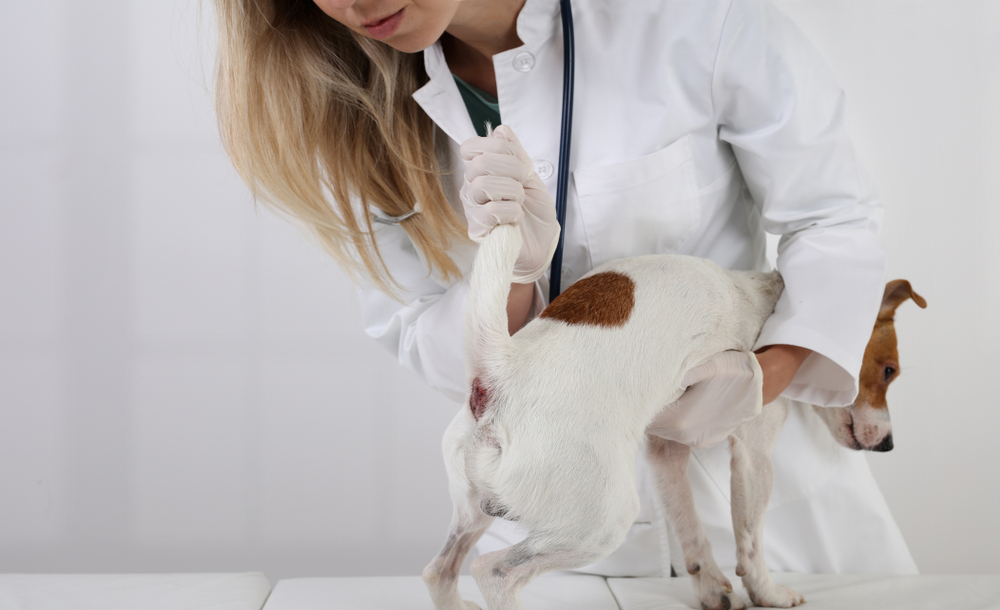
Allergic skin disease is one of the most common causes of itchy skin in dogs and can often affect the skin around the bottom area, causing scooting as dogs try to relieve the itchiness. Dogs can be allergic to things in the environment (such as pollen and dust mites), flea bites and food (usually to animal based proteins). Generally other signs will be present including recurrent ear infections, foot chewing, and GI issues for food allergies.
It can take time and patience to work out what your dog is allergic to and it may be more than one thing. Anti-itch medication may be started while the issue is investigated to keep your dog comfortable. Your vet will likely start with ruling out allergies that can be more easily controlled such as flea bite and food allergies. They may prescribe a prescription flea treatment and suggest an elimination diet trial with a simplified ingredient list. You may not notice results right away since your dog’s body must heal.
If you need guidance on treating your dog’s skin allergies, we suggest you speak to a vet.
If you need to speak with a vet but can't get to one, head over to PangoVet. It's our online service where you can talk to a vet online and get the advice you need for your dog — all at an affordable price!
4. Skin Infection
Scooting can result from skin infection around the back end, but many of the items on this list can also lead to damage to the skin, secondary infection and thus, more scooting. Rashes, redness, swellings, broken skin or pus may indicate infection. Get your dog to the vet promptly if you notice any of these signs.
If the infection is serious, it can also be painful. We recommend taking your pet to the vet so they can determine the cause of the infection and provide appropriate treatment.
5. Intestinal Parasites
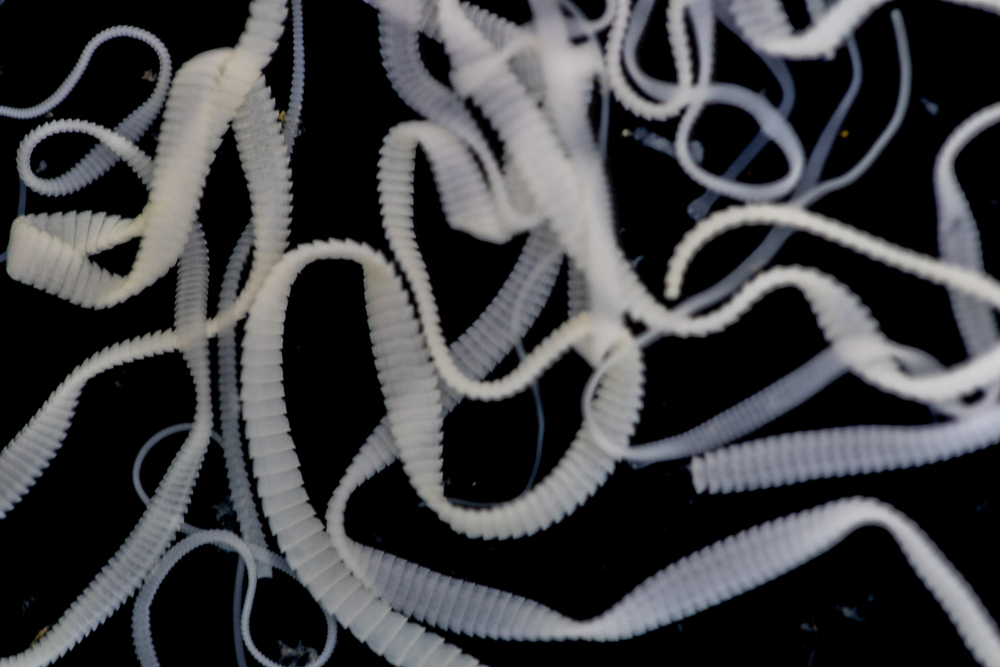
Intestinal parasites are also a cause of scooting. You may notice the worms themselves or the white bits or proglottids near your dog’s hind end or in their feces. Canines fed raw meat or access to the outdoors are most vulnerable to contracting tapeworms. Thankfully, they aren’t as common as other internal parasites, such as roundworms, although complications are serious.
Correct identification is imperative for treating the condition properly. Your vet must also take care of secondary conditions. Prevention is essential to avoid a recurrence. Depending on their lifestyle dogs may require regular prophylactic treatment. Transmission to humans isn’t common, although it’s possible, especially with children.
6. Anal Sac Tumor
An anal sac tumor or anal sac adenocarcinoma can occur in dogs and cats. Scooting can be one sign. You may also see lethargy, increased thirst, greater urine volume, and vomiting. The fast-growing mass puts pressure on the animal’s intestines, affecting elimination. The other concern is that the cancer will metastasize and spread throughout your pet’s body.
Surgery is the go-to treatment once your vet has a diagnosis. If it has metastasized, the plan may also include chemotherapy and radiation. High calcium levels (hypercalcemia) are also possible, further complicating treatment, so early detection is always preferable. The prognosis for anal sac adenocarcinoma is an average of 3 years if surgery is possible.

Final Thoughts
A dog dragging or scooting their butt is an obvious yet unpleasant sign of a health issue requiring attention. Some causes aren’t serious and easily treated, while others need more extensive care. You shouldn’t ignore the behavior because it’s apparent your dog is uncomfortable. Your role as a pet owner is to ensure prompt attention to your pup’s quality of life. It’s the best way to avoid complications and ease treatment.
See also:
Featured Image Credit: ThamKC, Shutterstock
 The 6 Reasons Your Dog May Drag Their Butt & Remedies