Get

In Your Inbox

Dogster is reader-supported. When you buy via links on our site, we may earn an affiliate commission at no cost to you. Learn more.

Do Dogs Like Cold Water? Vet-Reviewed Drinking, Swimming & Bathing Temperature

pomeranian spitz drinking water

Do dogs like cold water? Indeed, most dogs prefer to drink cool water, and this remains true in both cold and warm environments! Providing enough fresh water is critical for your dog’s health, and pet fountains are a great way to encourage your companion to drink enough to stay healthy and full of energy. Pay attention to your pet’s particular preferences and provide plentiful water at whatever temperature your companion appears to enjoy the most.

And just in case you’re wondering, it’s perfectly safe to allow your buddy to drink icy cold water if that’s what they enjoy. And it’s fine to let your canine friend enjoy a shaved or crushed ice treat on hot days. Since dogs generally love getting their paws on ice, it’s a great way to hydrate your four-footed friend when things get steamy outside. Your buddy should be okay if you stick with chipped or shaved ice!

Dogster divider_v3_NEW_MAY_24_

Do Dogs Like Swimming in Cold Water?

Many dogs love water. There’s nothing some pooches get more excited about than a day romping through the waves or running through a sprinkler. Any game involving water will do! But if you’re wondering whether your dog enjoys swimming and playing in cold water, the answer is that it depends.

Most dogs are fine swimming in water as cool as 45°F. But remember, not all dogs enjoy swimming, and some can barely tolerate water. So, follow your canine friend’s lead, and don’t push them to take a dip if they don’t want to!

However, water temperature that low is not suitable for puppies, small dogs, skinny dogs, or older dogs, particularly on cold or windy days, as it may predispose them to hypothermia. Luckily, most dogs will just choose not to go in if the water is too cold for them. Temperatures this low may be suitable for spring and summer warm days when they’re handy to cool off, but not during the winter months.
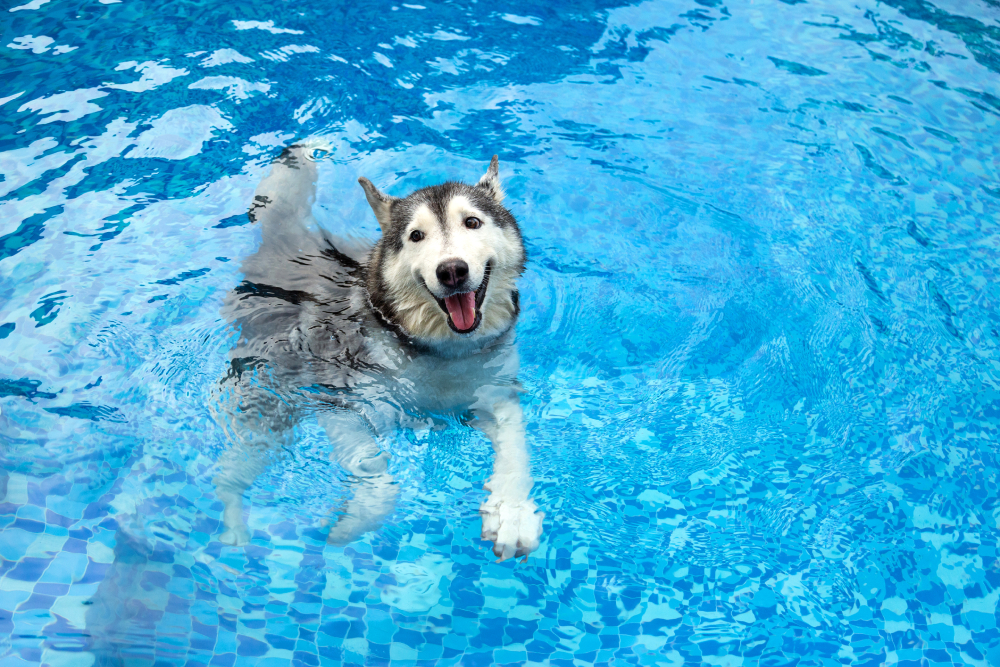
Siberian husky is swimming in the pool with smiling or happy face
Image Credit: Ratthaphong Ekariyasap, Shutterstock

Dogs and Cold Water Swimming Safety

Dogs, like humans, are generally safe swimming when the water is above 45°F or so. Stick to short dips when the water temperature is below 50°F, and dry your buddy off right away to keep them from cooling down further after they’re done with their aquatic fun.

Dogs with thick coats like Newfoundlands and Huskies can typically withstand colder water temperatures. But remember, all animals begin to lose body heat when submerged in water, so it’s important to limit how long your companion spends hanging out in lakes and oceans, even in water warmer than 45°F.

Certain breeds, including Chesapeake Bay Retrievers and English Setters, tend to relish time romping in lakes and along river banks. But while most dogs can swim, not all enjoy getting wet. Chihuahuas and Boxers, for example, don’t really look forward to dips in the water.

Dogster divider_v3_NEW_MAY_24_

When is Cold Water Bad for Dogs? Hypothermia Concerns

There are centainly times when cold water is bad for dogs. If your dog spends too much time swimming or bathing in cold water, their body temperature will decrease, and hypothermia can set in if you don’t intervene in time. Chilled pets often feel cold to the touch and shiver. While a healthy dog usually has a temperature between 100.5 and 102.5°F, one in the beginning stages of hypothermia will have a much lower temperature, below 99°F.1

Dogs experiencing the advanced stages of hypothermia often become sluggish and confused. If the condition is allowed to progress, it can quickly become a medical emergency, so it’s best to bring your pet out of the wind and cold and get them warmed up as soon as you notice any signs of cold-related discomfort.

Puppies, young dogs, very old dogs, small breeds, hairless dogs, or dogs that are skinny are more prone to hyperthermia and should avoid spending much time in cold water.

If you need to speak with a vet but can't get to one, head over to PangoVet. It's our online service where you can talk to a vet online and get the advice you need for your pet — all at an affordable price!


PangoVet_Mention-in-Content Savings V1

Dogster divider_v1_NEW_MAY_24_

Do Dogs Like Cold-Water Baths?

Dogs tend to prefer bathing in lukewarm water, but your pup should be fine as long as the water stays at a temperature you feel comfortable putting your hands into.

If your companion sports a particularly heavy coat or sheds a ton, it’s suitable to bathe them outside with a garden hose, provided the weather is warm enough and you can get lukewarm water from your garden spigot. To be safe, stick to indoor bathing or take your buddy to the groomer if the temperature drops much below 80°F.

To prevent your dog from becoming too cold after their bath, have plenty of fresh towels on hand to help remove whatever water is left over once your pup is done shaking it off. Most breeds benefit from a bit of pre-bath brushing to minimize post-bath coat matting and tangling. If your buddy has a thick coat, make sure to spend extra time drying their undercoat to help prevent skin problems.
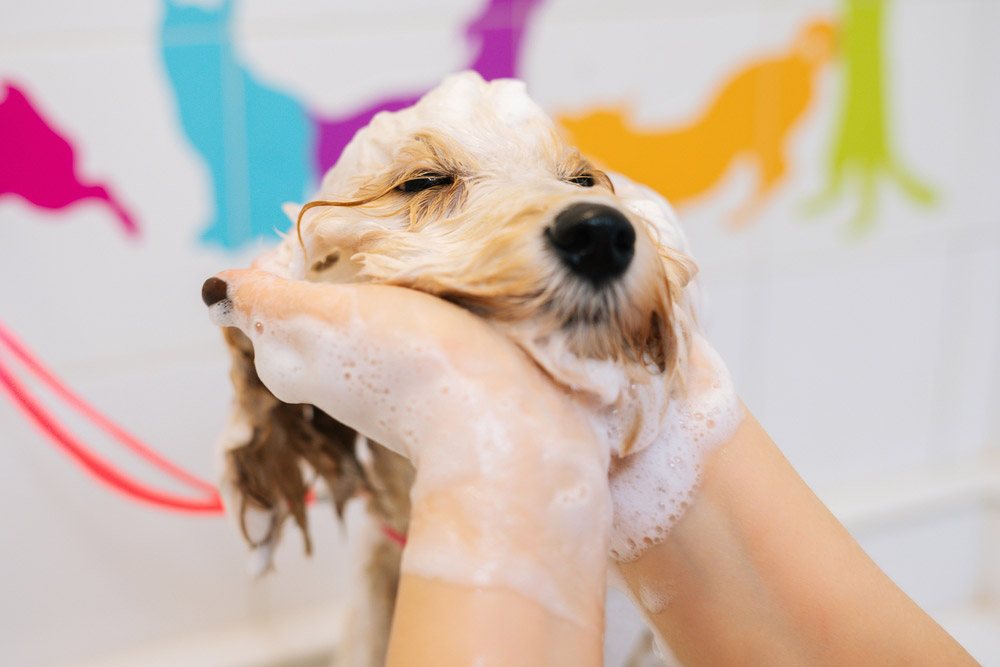
puppy getting a bath
Image Credit: Dikushin Dmitry, Shutterstock

Dogster divider_v3_NEW_MAY_24_

Final Thoughts

Water-loving dogs with bushy coats can swim and play in cold water as long as their fur is quickly dried off after returning to dry land and they are not exposed to wind or cold air temperatures. However, breeds without undercoats, hairless breeds, small dogs, skinny dogs, puppies, and old dogs are more vulnerable to becoming chilled from cool water, and their exposure to it should be limited. As long as you limit your pet’s playtime in water below 60°F and dry your canine off quickly when they’re wet, you can allow your pup to frolic in the water.


Featured Image Credit: LightField Studios, Shutterstock

Want content like this delivered to you?

Sign Up For Our Newsletter

News, insights, expert advice, and everything dog

* By submitting, you agree to our Terms & Conditions and Privacy & Cookies Policy.

How useful was this post?

Click on a star to rate (you can leave written feedback after clicking submit)


Help us improve Dogster for pet parents!

Your feedback really matters.

What did you like about this post? Also how can we improve it?

Join the conversation

Leave a Reply

You’re very welcome to leave a comment or question. Please know that all comments must meet our community guidelines, and your email address will NOT be published. Let’s have a positive and constructive conversation.

Talk With A Vet Online

Peace of mind,
anywhere, anytime

Affordable vet advice

How to Train for a 5K Run With Your Dog: 17 Essential Vet-Approved Tips

Many people participate in 5K runs every year. It is one of the most common road running distances, especially for those new to...

5 Tips on Disaster Preparedness for You & Your Dog (2025 Guide)

During the long, hot summers, my thoughts turn to the threat of wildfires. We live in the Santa Cruz Mountains, and the charred...

Unspayed Female Dog Problems: Vet Reviewed Problems & What to Avoid

“Unspayed” refers to a female dog who has their reproductive system present and intact. Surgical sterilization of a female dog refers to the...

How to Socialize a Puppy: 8 Vet-Approved Training Tips

Socialization is necessary for healthy growth and development in puppies. Puppies will learn a lot about their surroundings within their first 3 months...

More related

How Much Do Papillons Bark? 5 Ways to Control It

Small dogs often have a reputation for being “yappy” and excessive barkers, which can be an annoyance for many people. The Papillon, a...

Dog Training for Beginners: 9 Vet-Approved Tips

If you’re new to being a dog owner, you may be overwhelmed regarding how to train your new pup. Many people offer tips...

Dementia in Dogs: Our Vet Explains the Signs, Causes & Treatment

It’s normal for dogs to show signs of aging—things like arthritis, loss of hearing, reduced energy levels, and greying of the hair are...

Why Do Dogs Bury Their Food? Reasons & What to Do

Have you ever seen your dog try to bury their food? Maybe they take a treat and run to the backyard or drag...

Keep reading

Can Dogs Eat Cornbread? Vet-Approved Facts & FAQ

During dinner, your dog may stand near you and beg for table scraps, but some food is unhealthy and hazardous to canines. Cornbread seems harmless enough, and it is generally safe to serve. Dogs can enjoy a little cornbread occasionally,...

Can Dogs Eat Cornbread

10 Best Dog Foods for Less Poop in 2025 – Reviews and Top Picks

If it feels like you’re going through an excessive amount of poop bags, you might wonder if there is a way to decrease the amount of waste your dog creates. Sometimes, your dog may be dealing with a medical issue...

yorkie dog pooping on the grass

Can Dogs Eat Mackerel? Vet-Verified Nutrition Facts

Mackerel is a term that applies to various species of swift-moving fish that are mainly part of the Scombridae family. These oily fish are rich in nutrients, provide an excellent source of protein, and are loaded with omega fatty acids.1...

Can Dogs Eat Mackerel

7 Best Budget-Friendly Dog Foods in 2025 – Reviews & Top Picks

Feeding our dogs can be a monumental task. Sometimes it does seem like they never stop eating! The cost of food and treats can add up quickly and leave pet parents scouring the recesses of the internet and ad booklets...

labrador with its food close up

Dog Feeding Schedule for Puppies, Adults & Senior Dogs (Vet Approved)

In addition to determining how much to feed your dog, establishing a feeding schedule can also be very beneficial. This means feeding your dog at roughly the same time every day, according to how many meals they need and how...

golden retriever dog eating healthy dry food from bowl at home

What Is Salmon Meal in Dog Food? Vet-Approved Facts & FAQ

Salmon meal is a rich, protein-heavy ingredient. Typically, it is created by drying salmon to remove most of its moisture content. This leaves a dried meal that is usually broken down into a powder. Since dry dog foods have little...

smoked salmon outdoors

Can Dogs Eat Raw Chicken Breast? Vet-Verified Nutrition Facts & Precautions

Feeding dogs a raw diet has often been promoted as a great nutritional option due to claims that raw meat matches a dog’s natural ancestral diet. As a result, many raw dog food companies incorporate raw chicken breast into their...

raw chicken breast

What Can Be Mixed With Dry Dog Food? 25 Vet-Approved Suggestions

If you’re like most dog owners, you want what’s best for your furry friend, including a healthy diet with plenty of nutrients and protein. But, should your pup eat only the same dry food day in and day out? Absolutely...

dachshund dog eating from elevated bowl