In this article
There are so many dog foods on the market today that it can be overwhelming to select one. You want your furry friend to be healthy and to have a balanced diet. You know your dog needs protein, but what kinds of proteins are best? How can you make sure you are feeding them the right food for their dietary needs? Read on to learn more about your dog’s nutritional needs and the difference between complete and incomplete proteins.

Dog Dietary Needs
Dogs must eat a complete, balanced diet to be healthy. Your dog needs proteins, fats, carbohydrates, minerals, and vitamins.
The amount of each nutrient your dog needs is dependent on a number of factors, including their age, size, activity level, and health. You should always speak with a veterinarian about the proper balance for your dog at their current stage of life.
If you need to speak with a vet but can't get to one, head over to PangoVet. It's our online service where you can talk to a vet online and get the personalized advice you need for your pet — all at an affordable price!
The Importance of Protein
Your dog can get protein from plant or animal sources. It is crucial that they get enough. Protein is necessary for muscle growth and repair. It also helps your dog form new skin cells and grow hair and nails. Protein provides energy for your dog, aids injury healing, and regulates different body functions, including hormone and enzyme production.
One important thing to note about protein is that your dog needs it every day. Dogs do not store excess protein in their bodies, so it has to be consumed as part of their daily diet.
Protein is made of amino acids. There are 22 total amino acids required by your dog, more than half of which their bodies can make on their own. However, 10 must be consumed as a part of your dog’s diet.
This leads to the question of what types of protein your dog should be eating. Should they get all of their protein from meat and animal products? Or can they also have their needs met by consuming non-animal sources of protein? Read on for a breakdown of complete and incomplete proteins and how each has a place in your dog’s diet.
What Are Complete Proteins?

Complete proteins are proteins that contain all of the essential amino acids. There is enough of each amino acid present to form a complete protein. These are typically animal products, though soy and the fungi known as koji are also considered complete protein sources.
Complete Proteins for Dogs
While dogs can consume certain plant-based proteins, most by themselves do not provide all the essential amino acids that dogs require. Animal proteins supply all of the essential amino acids, so you can be confident that your dog is getting what they need. Dog food manufacturers will balance the ingredients in their foods, meaning that they use a mixture of plant-based incomplete proteins and animal-based sources to ensure that a dog will get all the amino acids that they require, hence the package’s statement of “complete and balanced.”
Sources of Complete Proteins
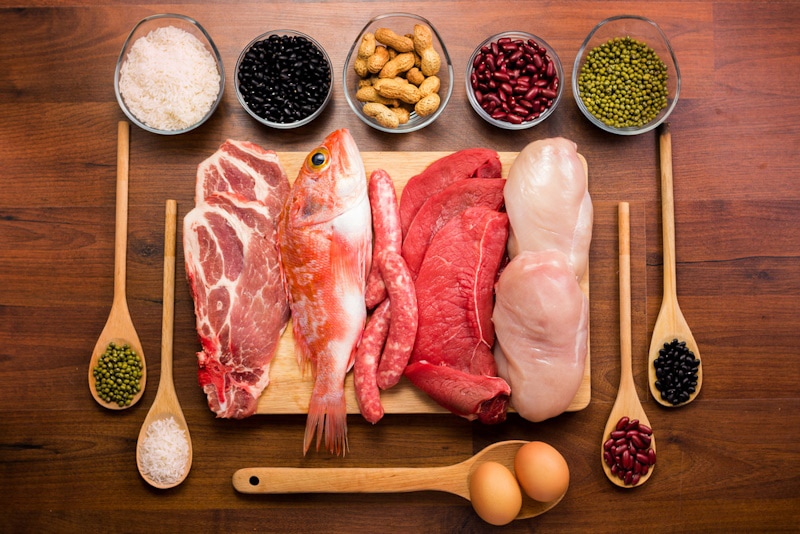
There are many sources of complete proteins often found in dog food. These include the following:
- Chicken
- Turkey
- Beef
- Fish
- Lamb
- Eggs
- Meat by-products, such as liver, heart, spleen, kidneys, and intestines
- Soy
- Quinoa
- Buckwheat
Other than soy, quinoa, and buckwheat, all the foods on this list are animal sources of complete proteins.
What Are Incomplete Proteins?

Unlike complete proteins, incomplete proteins do not contain all the essential amino acids. This does not mean they are not healthy or useful in your dog’s diet. It just means that they must be supplemented with other proteins to ensure your dog is getting all of the essential amino acids they needs for optimum health.
Incomplete Proteins for Dogs
Many incomplete protein sources contain other vitamins and nutrients essential for your dog’s health. Many high-quality dog foods will contain both complete and incomplete proteins.
Sources of Incomplete Proteins
You have probably noticed many of these ingredients in your dog’s food, but you may not have been aware of their role in your dog’s diet. Sources of incomplete protein include:
- Legumes
- Pulses
- Seeds
- Grains like corn, rice, wheat, oatmeal, and barley
All of these foods contain varying amounts of protein, along with other nutrients. The main role of a lot of these products is to provide an energy source in the form of carbohydrates. Your dog does need a few carbohydrates for energy. Removed the last part. However, excess carbohydrates are converted into glucose or glycogen, which can also be converted to fat. This is how excessive energy is stored in the body for the long term. If your dog is consuming too many carbohydrates for their energy level, they will put on weight. Excess weight can lead to many health problems in dogs.
What to Look For in a Dog Food

If you have ever tried to read the label on a bag of dog food, you know how confusing and misleading it can be. Fortunately, there are a few things you can look for to make sure you are buying high-quality food.
First, a complete protein source should be one of the first ingredients. Chicken, beef, lamb, or another protein should be the primary ingredient. The bag may also list a “meal,” such as chicken meal. “Meal” refers to a processed and dehydrated form of that specific animal.
While all dogs will have different requirements, a general rule of thumb is that at least 20% to 25% of the food should be crude protein. The rest of the food should be a balance of fats, carbohydrates, and micronutrients like vitamins and minerals. Your pet’s needs will vary for these nutrients as well.
Finally, you can feed your dog fresh, canned, or dry dog food, provided the food you pick is made of quality ingredients. Canned food can be more expensive, but it does contain extra moisture if you have a dog that doesn’t like to drink a lot of water.
When it comes to keeping any dog or puppy fit and healthy, diet and high-quality protein sources are key. Spot & Tango uses excellent ingredients to provide your fur baby with the best possible nutrition.
Are you ready to save 50% on Spot & Tango HUMAN-GRADE premium dog food? Click here to get started!
Conclusion
Hopefully, you now feel confident choosing a complete and balanced food for your dog. Quality food should have balanced nutritional value and should contain a protein source as the first ingredient. Protein should make up at least about 1/4 of the food’s content. While incomplete proteins are healthy for your dog to consume in moderation, you should try to focus on complete proteins to ensure they are getting all the amino acids they need for optimum health.
Related Read:
Featured Image Credit: nehophoto, Shutterstock