Get

In Your Inbox

Dogster is reader-supported. When you buy via links on our site, we may earn an affiliate commission at no cost to you. Learn more.

How Long Does It Take for a Dog to Digest Food? Vet-Approved Digestive System Basics

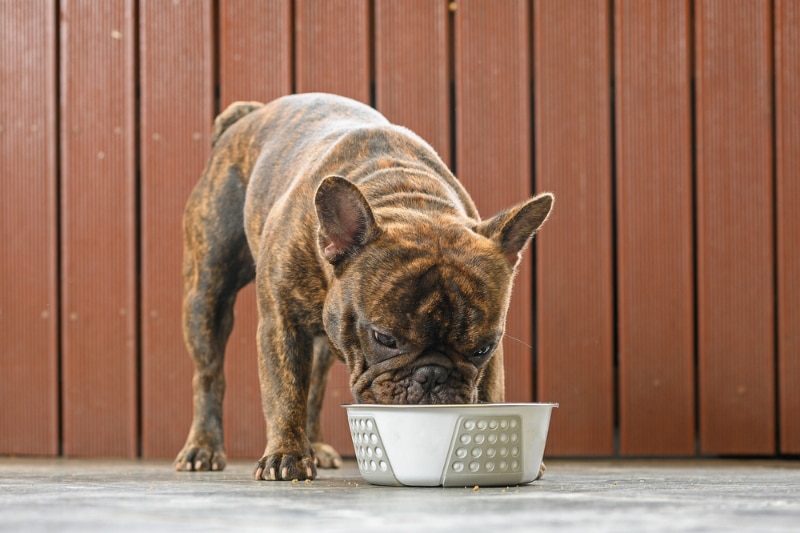
french bulldog eating or drinking from a bowl

We all know that what we feed our dogs—and how they digest it—plays a key role in their overall health. If you’re wondering how long it takes for a dog to digest their food, unfortunately, the answer is not a straightforward one. The truth is that digestion time is hugely affected by a variety of factors, including the size of the dog, their age, activity, and what they are being fed.

Canine gastrointestinal total transit time (TTT), or the amount of time it takes for food to travel through the digestive system and be digested, is a widely debated topic. A review paper collating various studies that have been done on dogs fed dry food, showed that TTT ranged from 19.1 to 55 hours.1 This will generally be faster in dogs fed wet or moist diets.

If you’re curious to know more about a dog’s digestive system, we’ll explain all the basics and look in more detail at what factors can impact how fast they digest their food.

dogster paw divider

The Canine Digestive System: The Basics

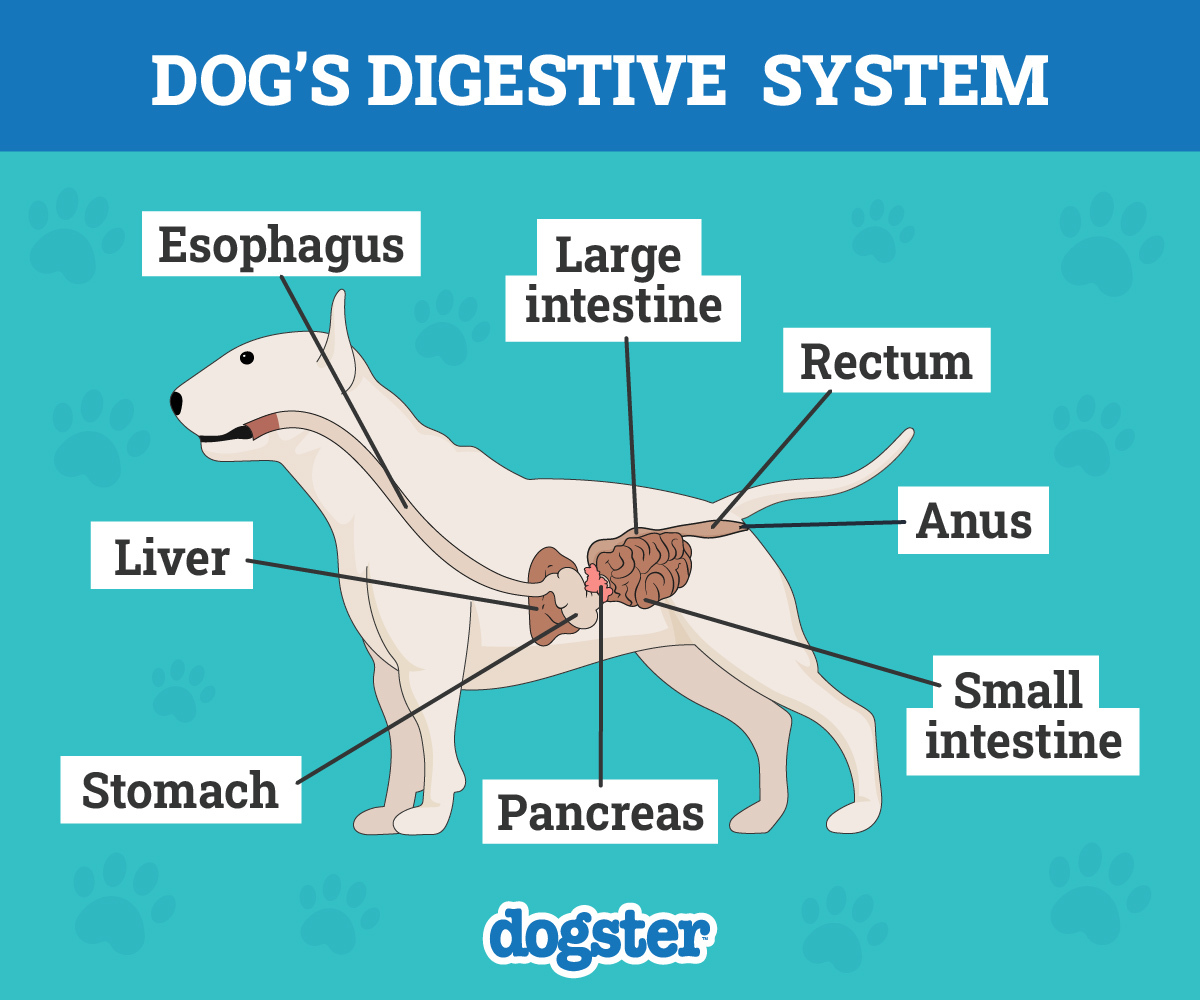
When we think of digestion, it’s usually just the stomach and intestines that spring to mind. But the digestive system also includes:

  • Mouth
  • Teeth
  • Salivary glands
  • Esophagus (food pipe)
  • Stomach
  • Liver and gallbladder
  • Pancreas
  • Small intestine
  • Large intestine
dog digestive system
You are free to use this image but we do require you to link back to Dogster.com for credit.

The Digestive Process

Digestion actually starts in the mouth; food is chewed and mixed with saliva to form a clump of food called a bolus that can be swallowed. This bolus travels down the esophagus to the stomach. The stomach secretes hydrochloric acid, pepsin, and lipase to start to break down proteins and fats in the food.

The next section of the digestive tract is the small intestine, which along with the pancreas and liver, plays a key role in digestion. The pancreas produces pancreatic enzymes that are delivered into the small intestine and are connected with protein, carbohydrate, and fat digestion. The liver and gallbladder produce bile acids essential for fat digestion.

The last part of the canine digestive system is the large intestine (colon) and is involved in absorbing water and electrolytes. It also contains very important resident gut bacteria which break down any residual nutrients so they can be absorbed. Waste (feces) are stored in the rectum, and passed out of the body through the anus.

divider dog paws 2 oct 2024

The 6 Factors That Influence How Long It Takes a Dog to Digest Food

Total transit time (TTT) refers to the amount of time taken for food to travel through the digestive system, from when a dog eats their food to when they poop out the waste. Each dog is individual and will have a variety of factors that will affect the amount of time it takes for them to digest their food.

Let’s take a look at some of these:

1. Size

On average, smaller dogs digest their food faster than larger dogs. Although a small study in 2010 suggested that dogs with a lower body weight had a longer gastrointestinal transit time, a 2022 review paper in the International Journal of Biological Sciences gathered data from all available studies from dogs and concluded that TTT showed a connection with body weight of the dog.2

The TTT times showed overlap in the different weight categories and were as follows:

  • Small dogs (under 22 lbs): 22.9 to 31 hours (median 24 hours)
  • Medium dogs (22–66 lbs): 19.1 to 55 hours (median 32.9 hours)
  • Large dogs (> 66 lbs): 18.2 to 45 hours (median 43.2 hours)

puppy, bone, dog
Image Credit: SNGPhotography, Unsplash

2. Breed

In addition to the size effect, a dog’s breed may also affect their digestion times. Some breeds of dogs are more typically sensitive and affected by stress, while others are known to be more prone to gastrointestinal issues like German Shepherds.


3. Age

Digestion in puppies is generally faster, although their digestive system takes time to fully develop. In many animals (including cats) the digestive system becomes less efficient as they age, although digestibility studies carried out in dogs have shown no evidence of an age-related decline in digestive efficiency.3
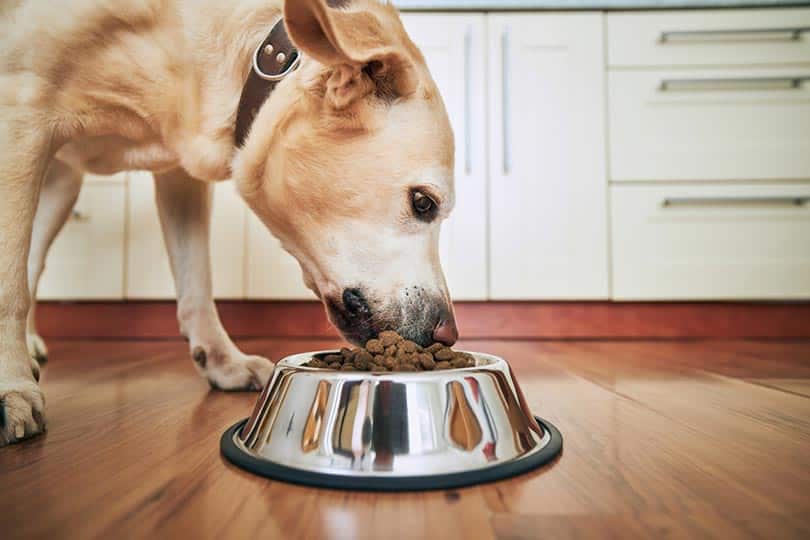
labrador retriever eating dog food from a bowl
Image Credit: Jaromir Chalabala, Shutterstock

4. What They Eat and When

Dogs can digest wet, fresh, and raw foods faster than dry kibble. The protein and fat content of the food will also affect the transit time through the GI tract. High-fat foods will take longer to leave the stomach for example. Eating in general also stimulates waste to be expelled from the colon.

So, if your dog defecates soon after eating, it’s not that they are digesting their food quickly; they are passing poop from the food they have digested earlier.


5. Exercise

The more active your dog is, the faster they will digest their food. The digestive process will take longer in sedentary dogs.
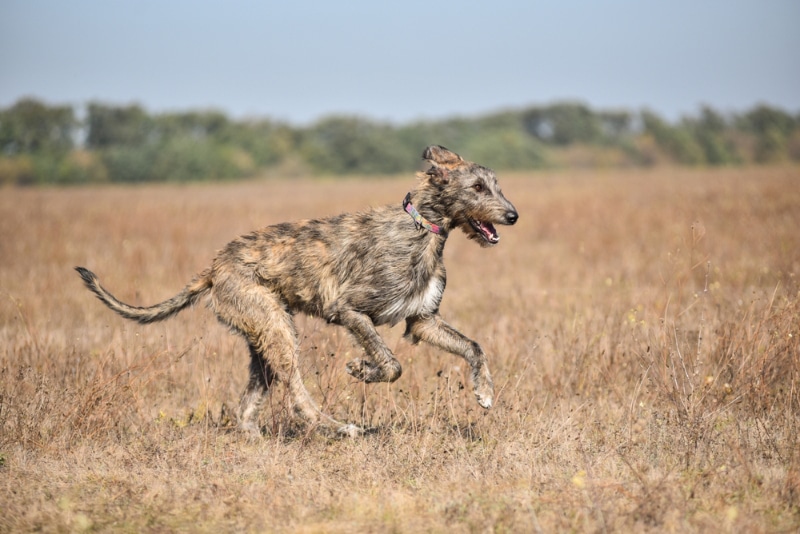
Irish Wolfhound dog running in the field
Image by: Oksamutnaya, Shutterstock

6. Digestive Health

Of course, any condition that affects the digestive system will affect how a dog digests their food, for example, exocrine pancreatic insufficiency (EPI) or inflammatory bowel disease (IBD), both of which affect how a dog is able to absorb nutrients.divider dog paws 2 oct 2024

Final Thoughts

While researching your dog’s digestive processes may bring up some stuff you’d rather not have mental images of, it is a great idea to learn about it because this can give you clues as to the health of your dog, and what is and isn’t normal. If you’ve spotted any signs of gastrointestinal issues in your dog such as a loss of appetite, diarrhea, or vomiting, get them to your vet for a check-over.

Related Reads:


Featured Image Credit: Elayne Massaini, Shutterstock

Want content like this delivered to you?

Sign Up For Our Newsletter

News, insights, expert advice, and everything dog

* By submitting, you agree to our Terms & Conditions and Privacy & Cookies Policy.

How useful was this post?

Click on a star to rate (you can leave written feedback after clicking submit)

Help us improve Dogster for pet parents!

Your feedback really matters.

What did you like about this post? Also how can we improve it?

Join the conversation

Leave a Reply

You’re very welcome to leave a comment or question. Please know that all comments must meet our community guidelines, and your email address will NOT be published. Let’s have a positive and constructive conversation.

Talk With A Vet Online

Peace of mind,
anywhere, anytime

Affordable vet advice

My Dog Got Stung by a Bee: Our Vet Explains What to Do

Any vet who works in an emergency clinic can attest to the surprisingly high frequency at which dogs are stung by bees. Some...

14 Cat Breeds That Get Along With Dogs (With Info & Pictures)

If you already have a dog but would love to add a cat to your family, you might assume that it’s a no-go....

Can Dogs Eat Chocolate? Vet-Reviewed Health Risks & Safety Guide

One of the most forbidden of all foods for dogs is none other than chocolate, an indulgent treat for us humans. Chocolate contains...

Why Do Dogs Eat Snow? Vet-Approved Explanation & Safety Concerns

If your dog has recently eaten some wintery marshmallow fluff, you don’t need to worry. Dogs have known for a long time that...

More related

When Can You Start Running With Your Puppy? Vet-Approved Facts & FAQ

If you’re an avid runner and just added a new pup to your family, you may be wondering when you can start running...

220 Popular and Unique Cockapoo Names: Ideas for Affectionate and Fluffy Dogs

You’ve just gotten home with your adorable new bundle of Cockapoo fluff. You may have a few awesome names in mind for your...

80+ Dog Puns: Paw-Some Wordplay That Will Make You Smile

Dogs can bring a lot of joy and laughter to people’s lives, and the only thing that might be more fun than a...

What Were Greyhounds Bred for? Origin & History

Greyhounds are one of the most ancient breeds of all, showing up in artworks and historical books. They have accompanied royalty, played characters...

Keep reading

Lamb vs. Chicken vs. Salmon Dog Food: Pros, Cons & Differences

In this article, we’ll look at three of the most common protein sources found in commercial dog food: lamb, chicken, and salmon. Chicken is by far the most widely used protein. In fact, some chicken components may even be found...

Lamb vs chicken vs salmon dog food ft

10 Best Dog Foods for Shih Poos in 2025 – Reviews & Top Picks

If you have a Shih Poo, you know all about little dog preferences and demands. All pup owners want the best for their pooch—big or small. But diet needs change depending on body structure—just like with humans. So, we have...

shih poo sitting on a grass

Can Dogs Eat Haddock? Vet-Approved Nutritional Facts & FAQ

Many dog owners today are looking for healthier food options for their pets, including fish. Most fish are high in protein and other nutrients and are an excellent addition to a dog’s diet. One question you might have is whether...

Can Dogs Eat_Haddock

How Much Food Does a Great Dane Need? With Feeding Chart

Great Danes are one of the biggest dogs in the world, and it’s no surprise when you meet one face to face. If you decide to add one of these gentle giants to your family, one of the first things...

great dane dog outdoor

Can Dogs Eat Leeks? Find Out How Safe They Are!

Dogs love to nibble on human food. Most canines would clearly prefer to snack on bits of chicken and slices of cheese than stick to boring old healthy dog food. While most pet parents try to avoid giving their companions...

Can Dogs Eat_leeks

11 Best Wet Dog Food for Huskies in 2025 – Reviews & Top Picks

Every Siberian Husky owner knows that these dogs have tons of energy. Huskies require a quality, high protein diet low in carbs to recharge and refuel, making the decision of what to feed an important task. Huskies are extremely active...

husky eating

What Is Turkey Meal in Dog Food? Vet-Verified Facts & Safety Info

You might be concerned about how safe turkey meal is and why pet food companies don’t just use more real turkey meat. Turkey meal and other meat meals are common ingredients found in dog food. Most dog food companies put...

labrador retriever dog eating its food from a bowl

Spirulina for Dogs: Vet-Reviewed Benefits, Uses & Tips

Everyone has heard of the benefits of plant-based foods, and this way of eating has become more popular among people in the last two decades. Spirulina is a supplement used every day by thousands of people because it’s rich in...

spirulina powder and tablets in a wooden bowl