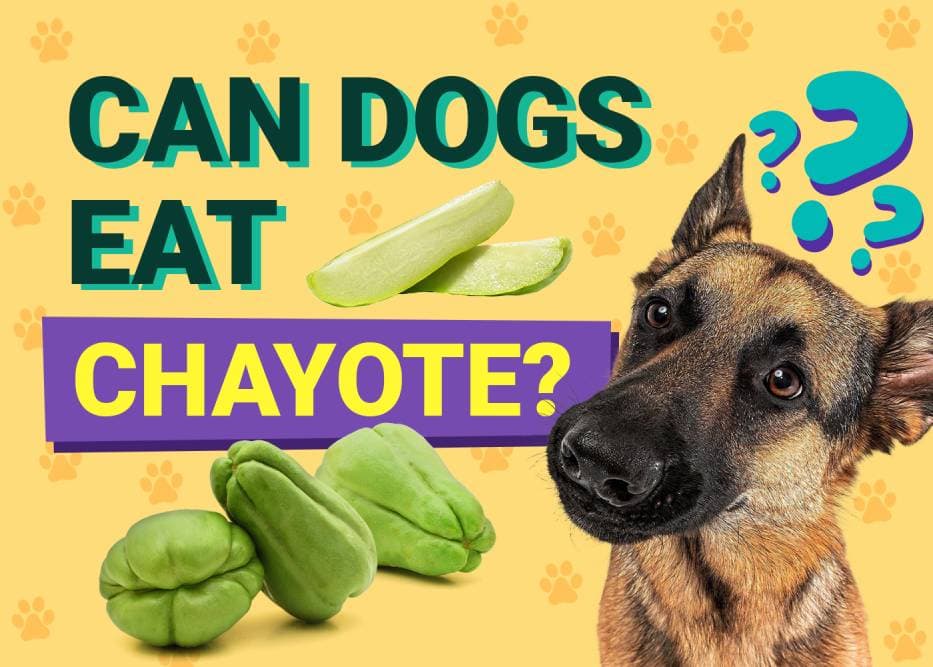
Can Dogs Eat Chayote? Vet-Verified Facts & FAQ


In this article
Chayote (or mirliton/choko) is a fruit that belongs to the gourd family and was first cultivated in Mexico and Honduras. These fruits are a great snack for dogs; they can eat them without any issues. Chayote is nutritious and versatile, offering people and dogs vitamins and minerals alongside fiber and moisture.

What Is Chayote?
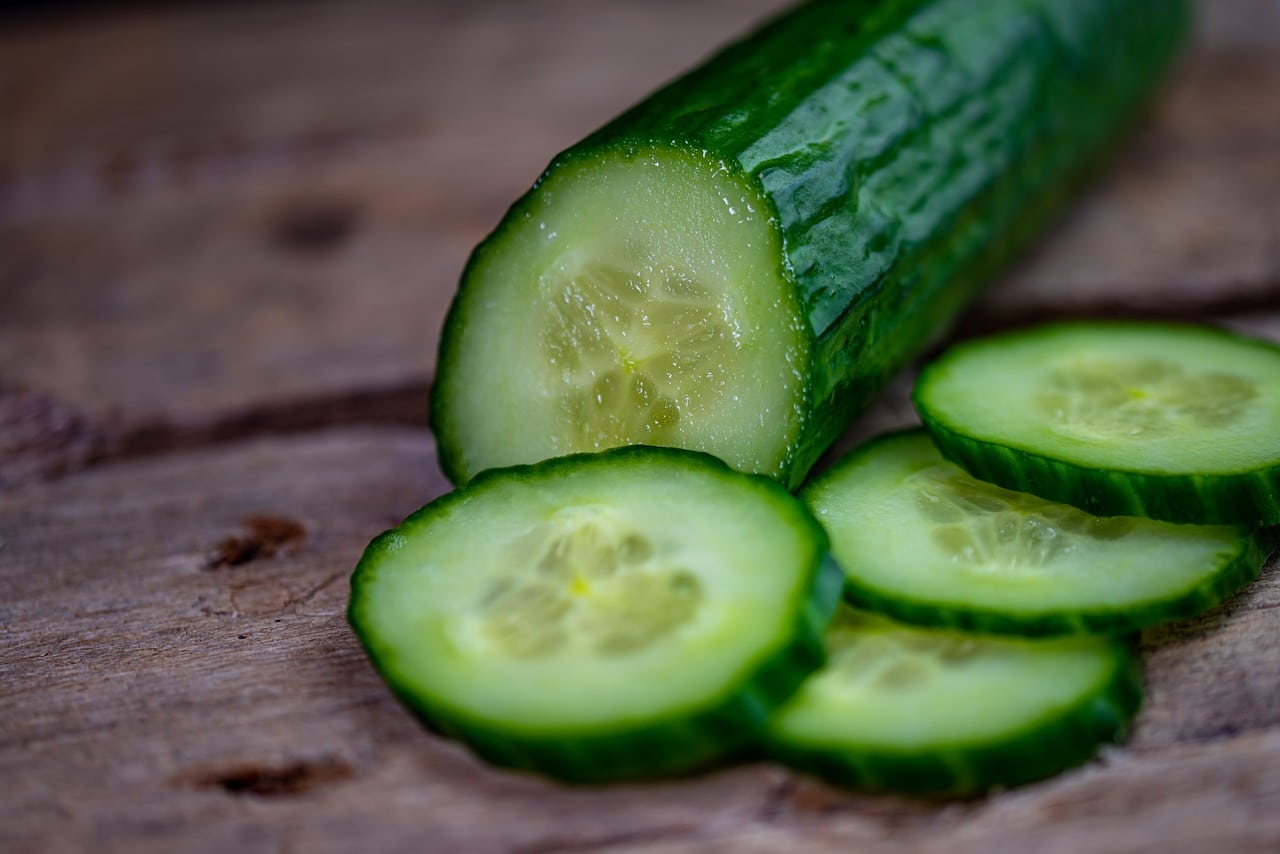
Chayote squash is part of the same family as summer squash and has a mild flavor likened to that of a cucumber. The entirety of the chayote plant can be eaten, including the fruit itself, the stem, the leaves, and the roots. The chayote fruit grows on a fast-growing vine and is widely available year-round in the US and Mexico. Chayote can be eaten cooked and raw and prepared for roasting.
Is Chayote Safe for Dogs?
Chayote is safe for dogs in moderation and is healthy for them. Dogs can eat chayote cooked or raw, but it's best to give them small amounts of cooked chayote first to see how they react to it.
Not many dogs will have intolerances to the fruit, but it can cause mild digestive upset in some dogs due to its high fiber content. The chayote fruit itself is completely non-toxic.
How Can I Safely Prepare Chayote for My Dog?
If chayote is fed raw, it might cause gastrointestinal issues since it's harder for dogs to digest, so we suggest giving your pup cooked chayote. Peel the fruit and chop it into bite-sized chunks to prevent choking; this is particularly important if giving it raw, as raw chayote is hard and can present a choking hazard. Next, you can boil, bake or steam the chayote flesh for your dog, or fry it in a tiny amount of oil (although no oil is best).
It's important not to add additional ingredients to your chayote if you're sharing it with your dog, as many of the seasonings and flavors commonly added to the squash when cooked for humans are harmful (or toxic) to dogs.
Avoid adding salt to the chayote if you're feeding it to your dog, as too much salt can lead to dehydration. In addition, sodium toxicity can occur in cases of excessive salt consumption. Likewise, avoiding oil is best, as too much oil can cause vomiting and diarrhea, weight gain, and a painful inflammation of the pancreas, known as pancreatitis.
Chayote is often fried with onions and garlic when given to humans, but these additions and their powdered forms must never be given to dogs. Garlic and onions (members of the allium family) are very toxic to dogs1. They can cause hemolytic anemia, so avoid them altogether when serving up chayote to your pup.

Is Chayote Good for Dogs?
Chayote has many health benefits for humans as it's packed with vitamins, minerals, antioxidants and fiber. Although there is no specific research into feeding dogs chayote the nutrients it contains are likely to be beneficial to dogs too. Only a small amount of the fruit can pack a nutritional punch, and it is an excellent option for dogs on a diet because it's low in calories! The nutrients that chayote can provide include:
1. Vitamin C
Vitamin C is an antioxidant that helps remove free radicals from your dog's body. Free radicals are created as a part of the natural aging process, and antioxidants like vitamin C reduce their effects. In addition, vitamin C can reduce inflammation caused by these free radicals, including the inflammation that can contribute to cognitive changes attributed to aging in canines. Dogs synthesize vitamin C in their bodies, unlike humans who must get it all from their diet. Dogs don’t need much extra vitamin C from their food.
2. Folate
Folate is an important nutrient essential in producing red blood cells in the body and neurons in the brain. Red blood cells are what the body uses to carry oxygen, with the oxygen molecule attaching to the unique shape of the red blood cell's surface. Therefore, too little folate in the diet can cause anemia. Folate has also been known to improve some of the signs of certain gastrointestinal illnesses in dogs, and it is needed to create DNA.
3. Vitamin K
Vitamin K Is essential in the diet as your dog's blood cannot clot without it. Vitamin K creates the proteins that allow the blood to clot. If your dog gets cut, it won't continually bleed, and its blood will eventually coagulate. Dogs that have suffered poisoning with an anticoagulant (usually rodenticide—rat poison) are given large amounts of vitamin K to help clot their blood. Vitamin K also helps the body deposit calcium in the bones, making them stronger.

4. Manganese
Manganese is a mineral involved in the body’s production of energy. It also helps dogs make fatty acids used around the body, helps keep bones and cartilage healthy, and helps dogs metabolize carbohydrates and protein correctly.
5. Potassium
Potassium is needed for the body to create the electrical charges that power the most critical parts of the body: the heart and brain. Electrical impulses make the heart pulse and facilitate the firing of neurons in the brain. That is why potassium is beneficial! It also helps muscles function correctly and helps dogs absorb other nutrients faster.
6. Magnesium
Magnesium is a valuable mineral that helps with relaxation and mood in dogs. It is used by the body to produce energy inside the cells, but it's also active in the function of muscles and nerves. This is thought to be why magnesium affects stress.

How Much Chayote Can My Dog Have?
As with any fibrous fruit or vegetable, moderation is the key when it comes to chayote. Chayote is low-calorie and nutrient-dense, but too much can cause gastrointestinal problems due to its fiber content, such as vomiting, painful cramps, gas, and diarrhea. We recommend only feeding your dog a few pieces of cooked chayote as an occasional treat, providing you check that it's okay with your veterinarian first.
Final Thoughts
Chayote is a versatile fruit often cooked like a vegetable with spices or tossed in a hearty stew. It is a healthy treat for dogs on occasion, as it contains loads of nutrients and antioxidants but is fiber-heavy. Dogs on a diet can particularly benefit from chayote, as it's a low-calorie treat for them that's beneficial and can help them feel full. Above all, chayote is safe and non-toxic; if it's prepared properly, your dog can eat it and enjoy all its health benefits.
See also:
Expert dog care, straight to your inbox
Vet-reviewed advice, training tips, and the best of Dogster. Free, and you can unsubscribe anytime.
By signing up, you agree to our Terms & Conditions and Privacy & Cookies Policy.
Beth is a mom to two kids: one with four legs, one with two. Beth has years of practical experience as a veterinary care assistant , working in both the consult and in operating room, expanding her knowledge to gain certification in her favorite subject: feline behavior and welfare! When she's not writing about her favorite topics (cats and creature comforts), she's looking after her daughter and her mischievous Nebelung, Kiba. When she gets a moment to herself, Beth loves to delve into fiction books. Horror is her favorite genre, with fantasy and rich history being her second go-to's.
Join the conversation
Ask a question, share your story, or send private feedback.