In this article
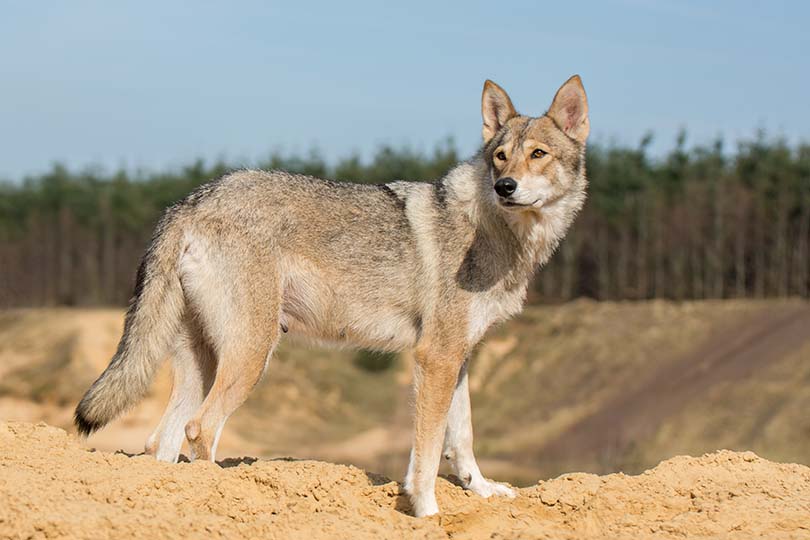
View 8 More +Do you love large furry dogs with a wolflike appearance? Then you’ll want to meet the Tamaskan, a recently developed rare dog breed that blends the striking good looks of a wolf with the personality of a domestic dog.
How did the Tamaskan come to be, and does it have any actual wolf DNA in its ancestry? Here’s a quick look at the history of this unique dog.
The Tamaskan was developed in the early 2000s by a group of British breeders interested in creating a large dog with a very wolflike appearance. They found a breeder in Finland that was creating wolflike dogs using Agouti Huskies, Czechoslovakian Vlclaks (Wolfdogs), and American Wolfdogs.
Breed Overview
Height:
Males: 25 – 29 inches; Females: 24 – 27.9 inches
Weight:
Males: 66 – 99 pounds; Females: 51 – 84 pounds
Lifespan:
14 – 15 years
Colors:
Red-gray, wolf-gray, black-gray agouti
Suitable for:
Experienced dog owners, active families, large fenced-in properties
Temperament:
Active, alert, intelligent, friendly, independent
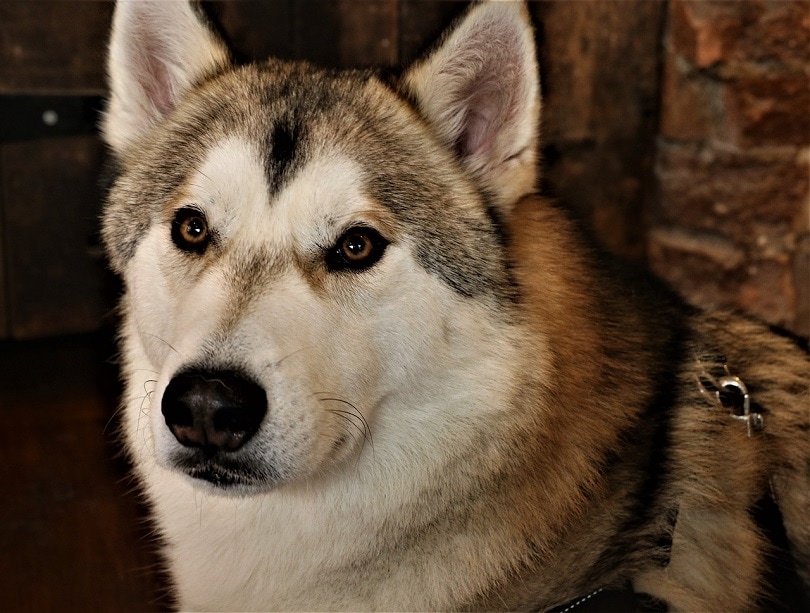
The English breeders crossed some of these Finnish dogs with two other breeds known for their wolflike appearance: the Northern Inuit and the Utonagan. The Tamaskan was born from this main mix, although some other breeds are also added to diversify the gene pool.
Does the Tamaskan have wolf DNA? DNA testing of various individuals shows that some Tamaskans can have a small percentage of wolf DNA, while others have none.
While its appearance is very wolflike, a well-bred Tamaskan will have the friendly and affectionate temperament of a normal domesticated dog.
Tamaskan Dog Characteristics

Tamaskan Dog Puppies
Tamaskan puppies look like adorable little wolf pups, but how easy are they to find if you are interested in getting one? Tamaskans are rare but growing in popularity so you can find Tamaksan breeders throughout the US, Europe, and other parts of the world. Because they are gaining interest among many dog lovers, you may also be put on a waiting list before a puppy becomes available.
Tamaskan dogs are very big so they will need plenty of space to run and play. They’re very energetic and will ask for a lot of exercise and playtime sessions. They’re also very warm and affectionate dogs, making them great for active families.

Temperament & Intelligence of the Tamaskan Dog
Are These Dogs Good for Families?
A Tamaskan Dog can do well in a household with active adults or families with children. Because they are very large and energetic dogs, they may not be the best choice for families with younger children.
Despite their wolflike appearance, Tamaskans are affectionate and friendly, but their active and rambunctious natures make them more suited to active families with older children who are comfortable handling a strong and sometimes willful dog.
They are probably not the best choice for novice dog owners or someone looking for a lap dog. And even though they may look imposing, they don’t have the characteristics of a typical guardian dog, if that’s what you’re looking for.
Does This Breed Get Along with Other Pets?
Tamaskans are generally friendly and not aggressive with other dogs. Adult Tamaskans can be a little reserved around strange dogs and people, but they’re not overly shy.
What about cats and other small pets?
While all dogs are individuals, some Tamaskan owners report that their dogs have a strong prey drive. They can take off and chase small animals, which is why a fenced-in yard and walks on a leash are highly recommended for this breed.
Things to Know When Owning a Tamaskan Dog:
Food & Diet Requirements
The Tamaskan Dog needs a diet that is appropriate for its large size and high energy level. Large breed dog food can be a good choice for the Tamaskan. You should also feed your dog a diet appropriate for its age: puppy, adult, or senior.
The Tamaskan is a very tall and rangy dog, so for their comfort and to reduce the risk of bloat, provide your dog with food and water bowls that are elevated around one foot from the ground; the ideal height is in line with the base of the neck.
Exercise
A good amount of regular daily exercise is a must for the Tamaskan Dog. One or two short walks around the block will not be enough for this active breed.
Tamaskans enjoy running, so the larger space you can provide for them the better. A large fenced-in yard is ideal. It is not recommended that you walk your Tamaskan off-leash.
Huskies are notorious escape artists, and since Tamaskans have Husky ancestry, some will run off if given the chance.
Tamaskans thrive on exercise and can make good sled dogs, service dogs, and certainly good hiking companions for active owners.
Training
The Tamaksan Dog is intelligent which makes it trainable, however, it is known to have an independent nature, which means training can be challenging for inexperienced dog owners.
Large, independent-minded dogs like the Tamaskan require consistent training and socialization from puppyhood.
You should always use only positive reinforcement training techniques. Organized puppy kindergarten classes or sessions with a professional trainer can also be helpful.
Because some Tamaskans have a strong prey drive and a tendency to run, it’s important to maintain firm control of your dog when outdoors. Some Tamaskans may be fine walking off-leash but it’s best to be cautious unless you’re sure.
Grooming
The Tamaskan’s wolflike double coat consists of medium-length guard hairs and a softer undercoat that varies in thickness, depending on the season.
Like Huskies and other northern-type dogs with similar coats, your Tamaskan will shed a good amount, especially seasonally.
A weekly overall brushing is recommended, but your dog’s undercoat will shed heavily at times, so it will need to be raked consistently.
The Tamaskan should be kept in its natural coat, so trimming and trips to the groomer are not necessary. Shaving a double-coated dog can cause irregular regrowth. An occasional bath is fine.
Besides grooming the coat, your dog will need regular nail trimming, tooth brushing, and ear cleaning.
Health and Conditions ✂️
The Tamaskan Dog Register maintains a comprehensive list of health conditions seen in the breed. Because the breed is so new, they can track the exact number of dogs affected by various conditions.
While the Tamaksan is a generally healthy breed, a few inherited health problems have been passed on from the founding dog breeds. Some are seen more frequently than others.
Let’s look at the most common.
- Cryptorchidism (retained testicle)
- Cleft palate
- Hip dysplasia
- Epilepsy
- Addison’s disease
Male vs Female
Like most large breed dogs, the Tamaskan has noticeable sex-based size differences. Males can stand as tall as 29 inches at the shoulder and weigh nearly 100 pounds. A small female can be 24 inches in height and weigh in at around 50 pounds.
Besides size, it can be difficult to identify sex-based personality differences in dogs. All dogs are individuals with unique personalities.
Any sex-related temperament issues such as male aggression or female restlessness can be solved with spay/neuter. A Tamaskan’s tendency to run off can also benefit from neutering.
Besides helping with behavioral issues, spaying and neutering can prevent certain cancers and other diseases in dogs as well.

3 Little-Known Facts About the Tamaskan Dog
1. “Tamaska” means “mighty wolf” in the Algonquin language.
2. A Tamaskan Dog’s wolflike coloring comes from the agouti gene which causes light and dark bands of color in the hair.
3. Tamaskans can be outcrossed with German Shepherds, Samoyeds, and Alaskan Malamutes.

Conclusion
The beautiful Tamaskan Dog is one of the most wolflike dog breeds in the world. DNA testing has found that some Tamaskans have a small percentage of wolf DNA in their genes.
But the Tamaskan was bred to look like a wolf, not act like a wolf, so you can expect your pet Tamaskan to be a friendly, active, and social dog—not a big bad wolf!
These large, energetic, and exotic-looking dogs need lots of room to run and play and a firm, confident owner.
If you’ve dreamed of owning a wolflike dog, the Tamaskan may be for you!
- Related Read: Utonagan Dog Breed Guide: Info, Pictures, Care & More!
Featured Image Credit: