How Big Will My Shiba Inu Get? With Growth & Weight Chart
In this article
Bringing home a Shiba Inu puppy is an exciting experience filled with anticipation and curiosity about how they will grow and develop. As a responsible dog owner, you may wonder how big your dog will get. Understanding the growth patterns and expected weight of your Shiba Inu can help you provide appropriate care, plan for their future needs, and ensure their overall well-being. As an overall answer, they will likely grow to be 13–17 inches tall at the withers and weigh 16–24 pounds. Keep reading for an overview of how large the Shiba Inu can get and factors that can affect their growth to help you properly plan for the future.

Shiba Inu Overview
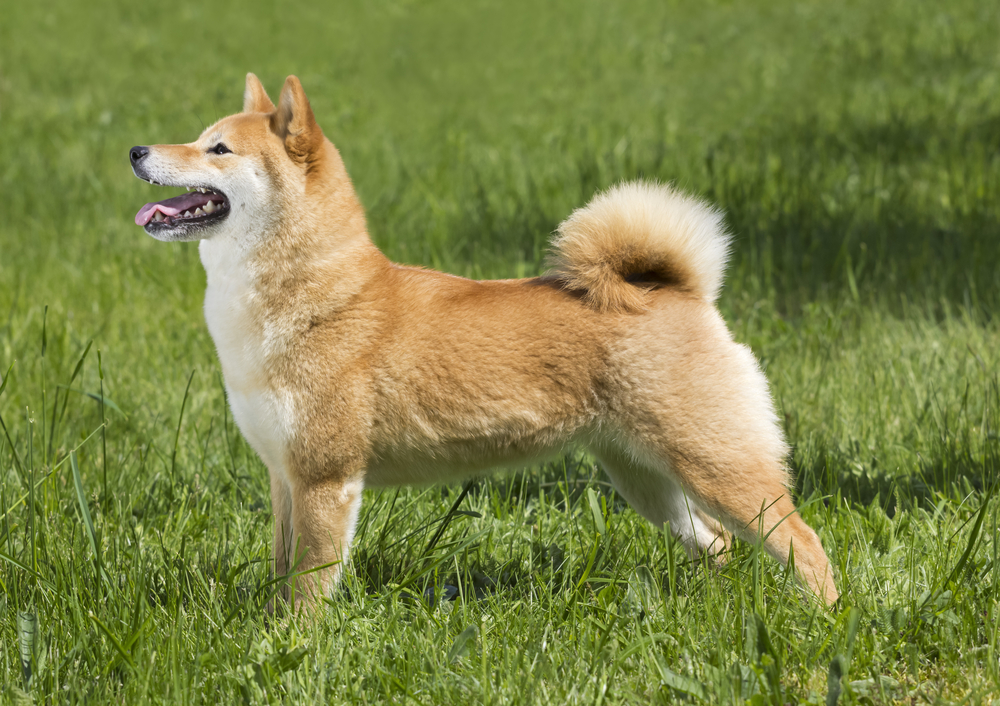
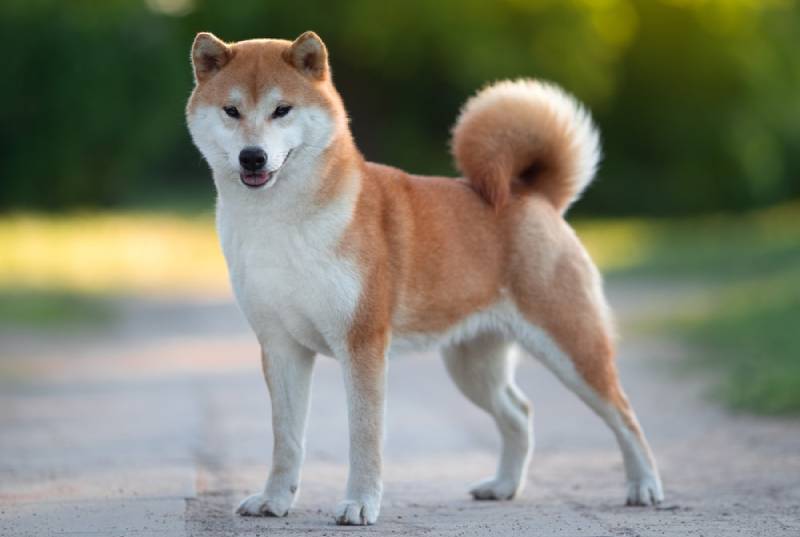
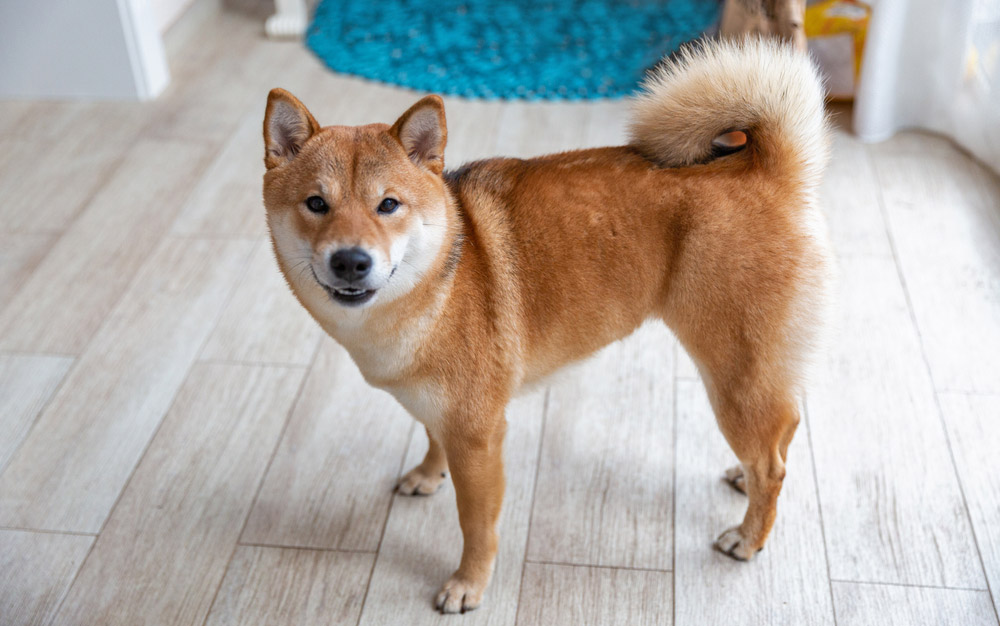
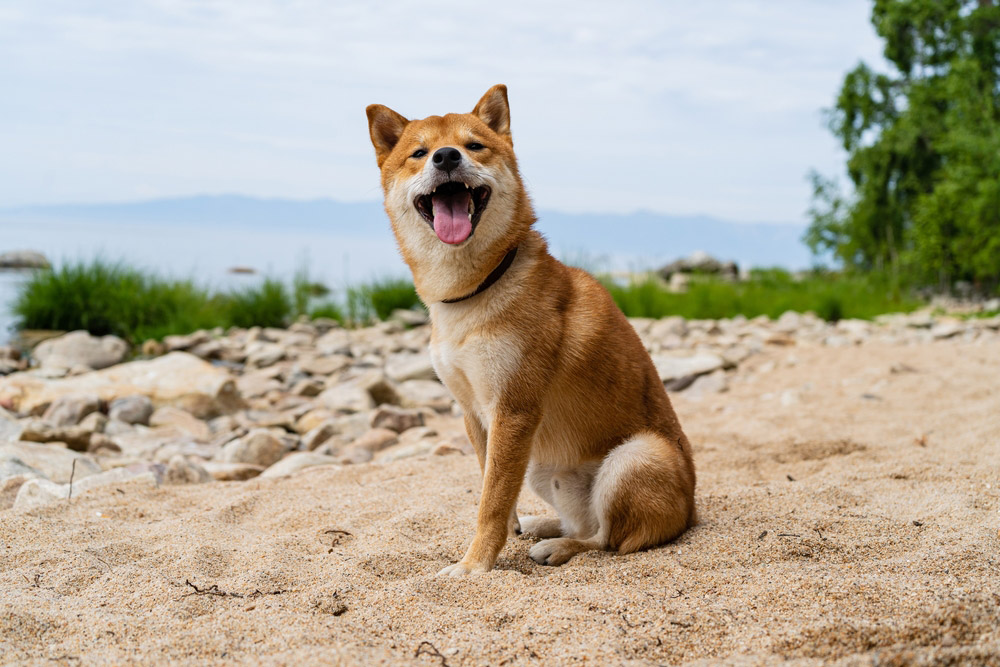
The Shiba Inu is a small to medium-sized breed that originated in Japan. They are one of the oldest and smallest native Japanese dog breeds. They have a well-balanced and compact body, foxlike face, small erect ears, and dark, almond-shaped eyes. Their double coat comprises a thick, straight outer coat and a soft, dense undercoat, and you can find them in several colors, including red, sesame, black and tan, and cream. They have an independent nature and can be stubborn but are affectionate and loyal to their family members.

Shiba Inu Size and Growth Chart
While it’s important to note that individual Shiba Inus may deviate slightly from these averages, the following growth and weight chart provides a general guideline for estimating the size of this breed as they mature. Remember that genetics, nutrition, and overall health can significantly affect a dog’s size, so your pet might be slightly larger or smaller than what is listed here. However, if your pet seems to deviate significantly, it might be a good idea to have them checked by a vet to ensure that they have no underlying health problems.
| Age (Months) | Weight Range (pounds) | Height Range (inches) |
| 3 | 6–10 | 5–7 |
| 4 | 8–13 | 5–8 |
| 5 | 10–16 | 5–9 |
| 6 | 11–15 | 5–10 |
| 7 | 13–18 | 5–11 |
| 8 | 13–20 | 6–12 |
| 9 | 14–21 | 6–13 |
| 10 | 14–22 | 8–14 |
| 11 | 15–23 | 10–16 |
| 12 | 16–24 | 13–17 |
When Does a Shiba Inu Stop Growing?
Shiba Inus typically reach their full height and skeletal maturity by age 1. However, their overall physical development, including muscle tone and overall bulk, may continue until they’re 18–24 months old. It’s important to note that individual Shiba Inus may have variations in their growth patterns, and some may reach their full size slightly earlier or later.

Factors Affecting the Size of a Shiba Inu
1. Genetics
The most significant factor determining a Shiba Inu’s size is their genetics. The size of their parents and ancestors is crucial in determining how big or small the dog will grow. If the parents are smaller, it’s more likely that the puppies will also be smaller, and the same goes for larger dogs. However, it’s important to note that genetics can be unpredictable, and there can be variations within a single litter.
2. Nutrition
Proper nutrition is essential for healthy growth and development. A balanced and high-quality diet tailored to the specific nutritional needs of a growing Shiba Inu can support their optimal growth. Providing appropriate portions and ensuring that they receive all the necessary nutrients can contribute to healthy bone and muscle development while preventing weight gain and obesity.

3. Health
The overall health of a Shiba Inu can impact their growth. Health conditions or illnesses that affect their metabolism, absorption of nutrients, or hormone levels can potentially influence their growth rate, so it’s important to have regular veterinary check-ups to monitor their health and address any concerns promptly.
4. Sex
Male Shiba Inus tend to be slightly larger than the females. Males generally have a more robust and muscular build, while females may have a slightly lighter frame. However, these differences are usually minimal and hard to notice if the two aren’t next to each other.

Ideal Diet for Maintaining a Healthy Weight
Choose a high-quality commercial dog food specifically formulated for your pet’s age. Look for a brand with real meat like chicken or beef listed as the first ingredient, and avoid brands that use artificial colors and preservatives. Portion control is essential for helping your dog maintain a healthy weight, and we recommend scheduled mealtimes instead of free feeding. Limit the number of treats that you provide, and choose healthy options whenever possible. Ensure that your pet has plenty of fresh, clean water to help them stay hydrated and reduce their desire for food.
We recommend getting advice and guidance from a veterinarian if you have any questions or concerns regarding your pet's diet and weight.
How to Measure Your Shiba Inu
Height Measurement
- Have a measuring tape or ruler ready, and find a flat surface against a wall where your Shiba Inu can stand comfortably.
- Gently place your Shiba Inu’s front paws against the wall with their hindquarters straight and level.
- Measure from the floor to their withers or the highest point of their shoulder.
- Record the measurement.
Length Measurement
- Position your Shiba Inu on their side on a flat surface.
- Start measuring from the base of their neck, where it meets the shoulders, to the bottom of their tail.
- Ensure that the measuring tape follows the body’s natural contour without pulling too tightly or leaving it loose.
- Record the measurement.
Weight Measurement
- Use a pet scale to weigh your Shiba Inu. Place them gently on the scale and record the weight.
- If a pet scale is not accessible, you can use a regular household scale. Weigh yourself first, then weigh yourself while holding your Shiba Inu, and subtract your weight to get their approximate weight.
- Another option is to visit your veterinarian’s office, where they can accurately measure your Shiba Inu’s weight.

Conclusion
Your Shiba Inu will likely grow to be 13–17 inches tall at the withers and weigh 16–24 pounds when fully grown. They usually finish growing after about 1 year but will continue to fill out a bit for another 6 months to 1 year. However, it’s important to remember that individual size can vary based on genetics, health, and other factors, so your dog could be larger or smaller than expected, and the numbers presented here are just a general guideline.
Sources
Featured Image Credit: Quatrox Production, Shutterstock
Expert dog care, straight to your inbox
Vet-reviewed advice, training tips, and the best of Dogster. Free, and you can unsubscribe anytime.
By signing up, you agree to our Terms & Conditions and Privacy & Cookies Policy.
Nicole has loved animals of all sizes her whole life so it's no wonder she has dedicated her career to helping them through what she loves best: learning, writing, and sharing knowledge with others. She’s the proud mom of two dogs, a cat, and a human. With a degree in Education and 15+ years of writing experience, Nicole wants to help pet parents and pets around the planet to live happy, safe, and healthy lives.
Join the conversation
Ask a question, share your story, or send private feedback.