New Guinea Singing Dog: Info, Pictures, Facts, & Traits

In this article
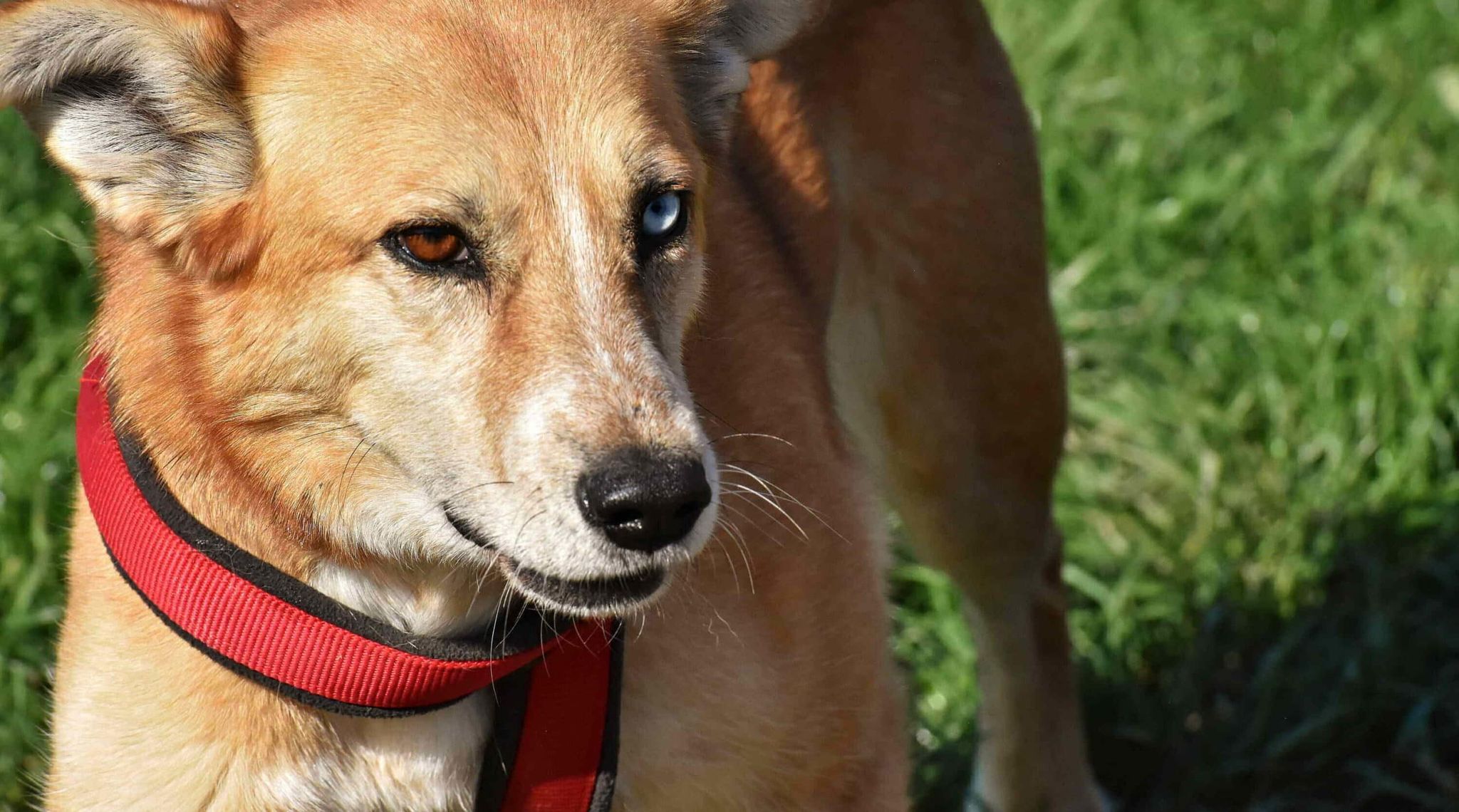
New Guinea Singing Dogs are a rare breed and an endangered species in the wild. For decades, their existence has caused confusion and commotion within the dog world. Some consider them to be wild dogs, while others classify them as feral dogs. Some people believe they’re a subspecies of the Australian Dingo, but they’ve recently been reclassified as a distinct dog breed.
It’s not common to see a New Guinea Singing Dog in the US, and people have mixed experiences and opinions about living with them. While they’re quite the enigma, they’ve proven to be excellent companion dogs for experienced dog owners who have the time to train them properly. There’s still much to learn and discover about this elusive and aloof dog breed, but here’s what we know so far.
Breed Overview
Height:
Weight:
Lifespan:
Colors:
Suitable for:
Temperament:
New Guinea Singing Dogs are small to medium-sized dogs. Their origins are up for debate, but most experts believe that they’re closely related to Australian Dingoes.
New Guinea Singing Dogs are active, alert, and have a strong prey drive. While aloof with strangers, they’re loyal to their families and can be very affectionate with them. They’re fearless and confident and often make wonderful companions to take on outdoor excursions.
New Guinea Singing Dog Characteristics

New Guinea Singing Dog Puppies

New Guinea Singing Dogs are rare in the US, so it’s challenging to find breeders with puppies available. You can check the New Guinea Singing Dog Club of America’s listings to see if there are any breeders near you. You may also be able to find New Guinea Singing Dogs available for adoption from a breed rescue organization. However, it is most likely that you will find adult dogs rather than puppies through these organizations.
As puppies, New Guinea Singing Dogs are very active, energetic, and curious. They will love sniffing and exploring every inch of your home. Crate training is especially helpful for New Guinea Singing Dog puppies because they can end up getting into a lot of trouble if they’re left unsupervised. It can also help make potty training easier.
Early socialization is a must for New Guinea Singing Dog puppies. Taking your puppy to different environments and building positive associations with new experiences will help them immensely as they grow older. New Guinea Singing Dog puppies that have been properly socialized are more likely to have higher tolerance and patience when meeting new dogs and strangers. However, they probably won’t become social butterflies and would much rather just be with their family.
New Guinea Singing Dog Origin & History
New Guinea Singing Dogs are considered to be an ancient dog breed. They’re believed to originate from the New Guinea Highlands and have lived alongside humans and in the wild for several thousands of years.
In the 1950s, New Guinea Singing Dogs were classified as their own species, with Canis hallstromi as their scientific name. They were then reclassified as a subspecies of the Australian Dingo in 1969 but were recently separated from the Australian Dingo and reclassified once again as Canis hallstromi.
The first New Guinea Singing Dogs arrived in the US in 1958 and 1959. They were bred and dispersed to zoos and private animal collections. A few decades later, a pair of male and female New Guinea Singing Dogs, known as Dinkum and Olga, were imported to the US in the 1980s. Many of the New Guinea Singing Dogs bred in North America carry their genes to this day.

Temperament & Intelligence of the New Guinea Singing Dog 🧠

Caring for a New Guinea Singing Dog is a unique experience because they’re so closely related to wild dogs. However, some owners have compared training and living with them as being similar to Akitas, Basenjis, Canaan Dogs, and Shiba Inus.
New Guinea Singing Dogs are recommended for experienced dog owners because they can be challenging to train. Trust and consistency are essential for building a bond with a New Guinea Singing Dog. These dogs are known to challenge any rules that they deem arbitrary or unnecessary. However, sticking to a consistent routine and providing firm, fair, and fun training will help immensely with teaching New Guinea Singing Dogs to respect house rules.
Despite their wild appearance, New Guinea Singing Dogs often grow to become excellent companion dogs. They’re very active and alert and are excellent candidates for those who love the outdoors and spend time in nature regularly. New Guinea Singing Dogs love to explore and will like being included in weekend camping trips and exploring new hiking trails.
New Guinea Singing Dogs have their clear favorites and establish strong bonds with one or two people. They’re loyal to their families and aren’t usually interested in meeting new people. Because of their introverted personality, New Guinea Singing Dogs do best when they’re living in homes where there’s usually someone familiar around to keep them company. They won’t enjoy going to doggy daycare and spending the day with new people and dogs.
Making travel plans can be challenging because New Guinea Singing Dogs often prefer being in the comfort of their own home and can feel stressed out in dog boarding facilities. You’ll probably have to ask a family member or friend who already knows your dog to dog sit if you’re planning on leaving for a trip.
We can’t talk about New Guinea Singing Dogs without mentioning their unique ability to change the pitch of their howl. They have a unique structure located at the back of their mouth that enables them to have wider vocal ranges than other dog breeds and wolves.
New Guinea Singing Dogs don’t bark and will howl instead to communicate with each other. Each New Guinea Singing Dog also has a distinct and unique voice. When one dog starts singing, others will usually join in the chorus.
Domesticated New Guinea Singing Dogs may not howl as frequently, but they’re still not recommended for apartment living because their singing howl is loud and can last a long time. They also require a lot of space and can feel cramped and restless living in a small apartment.
Are These Dogs Good for Families? 👪
New Guinea Singing Dogs can be affectionate and loyal, but they can also be relatively unpredictable. Therefore, they’re not recommended for families with young children. They prefer having their own space and living in quieter settings. They may not be as patient with children running around and making a lot of noise.

Does This Breed Get Along With Other Pets? 🐶 😽
It’s usually best for New Guinea Singing Dogs to be the only pets in a household. This is because they’re quite solitary and are known to be pretty aloof. They need their personal space and will feel stressed if other animals violate their space continuously. If you choose to have another dog in the house, make sure to make pet introductions slow and gradual. It can take several months for New Guinea Singing Dogs to get used to cohabitating in spaces with another dog and live harmoniously with them.
New Guinea Singing Dogs have strong prey drives, so they’re not recommended for houses with cats and other small pets. They’re intelligent and scrappy and can find a way to get into hard-to-reach spaces. Having a New Guinea Singing Dog in the home can be stressful for smaller pets, especially small mammals and birds.

Things to Know When Owning a New Guinea Singing Dog
Food & Diet Requirements 🦴
New Guinea Singing Dogs are high-energy dogs and often do best eating a high-protein diet. Dog foods with high-protein formulas are designed for active dogs that tend to burn more energy throughout the day. Along with containing more protein, they also usually contain more fat and are more calorie dense.
New Guinea Singing Dogs can eat dry dog food as long as you’re feeding them high-quality kibble. They may enjoy eating wet food, fresh dog food, and raw food diets, but these types of special diets aren’t always necessary.
The best way to find the right diet for a New Guinea Singing Dog is to consult your veterinarian. Your veterinarian will assess a variety of factors, including your dog’s age, weight, and activity level. After assessing your dog’s physical health, your veterinarian can help you determine correct portion sizes for your dog and is usually able to recommend specific brands.

Exercise 🐕
New Guinea Singing Dogs have a lot of energy and will need at least an hour of exercise per day. They may enjoy going on walks, but they’ll much prefer running around off-leash. Therefore, they do best in single-family homes with a securely fenced yard or in rural homes that have a lot of space for them to run around in and explore. It’s important to keep in mind that New Guinea Singing Dogs are very agile, and they can climb and jump very high. It’s easy for them to clear 6-foot fences, so it’s essential to ensure your yard is fully enclosed and secure to prevent any escapes.
New Guinea Singing Dogs aren’t known to be social, so they most likely won’t prefer playing with other dogs at the dog park. They may enjoy chasing a ball or frisbee or playing tug with you. Many New Guinea Singing Dogs also like hiking or going on camping trips. They can become good hunting companions, but they’re not always reliable hunting dogs. New Guinea Singing Dogs usually just love being outdoors and taking in all the sights, smells, and sounds of nature. Because they’re so in tune with their instincts, they’ll often be the most engaged when participating in tracking exercises and scent work.
Training 🎾
New Guinea Singing Dogs are intelligent dogs, but they’re known to be a bit aloof and independent. They don’t excel in obedience training because they tend to have a mind of their own. Therefore, they’re not a breed that’s recommended for inexperienced dog owners and people who don’t have the time to invest in a lot of training.
Early socialization is particularly important for New Guinea Singing Dogs. They can be pretty fearless, so you don’t usually have to worry about them being timid in new situations. However, they tend to lean towards reacting aggressively if they feel threatened. New Guinea Singing Dogs are powerful dogs and can cause serious injuries and bites. Therefore, they must learn to behave appropriately in different kinds of settings and with different people.

Grooming ✂️
New Guinea Singing Dogs have minimal grooming needs. They have straight medium to long-length hair that can be brushed weekly. Brushing will help remove loose and dead hairs from their coat and distribute natural oils throughout their body.
It’s also best to bathe New Guinea Singing Dogs on an as-needed basis. Overbathing a dog can cause their skin to dry out and lead to skin and coat issues. Therefore, you can get by with bathing a New Guinea Singing Dog when they’re really starting to smell or if they happen to get particularly dirty. It’s often helpful to use pet wipes to spot-clean and deodorize a New Guinea Singing Dog in between baths.
Health and Conditions 🏥
Since New Guinea Singing Dogs are so rare, not much is known about their genetic health conditions. However, they may develop common health issues that many dogs experience as they age.
Male vs Female
Male New Guinea Singing Dogs tend to grow slightly larger than female New Guinea Singing Dogs. It’s unclear if the breed’s temperament is affected by sex. However, it’s likely you’ll notice behavioral differences between dogs that are spayed or neutered and those that aren’t. Intact dogs have a tendency to roam during mating season and can be more aggressive and territorial. These mating behaviors often subside after a dog has gotten spayed or neutered.
3 Little-Known Facts About the New Guinea Singing Dog
1. Fossils of New Guinea Singing Dogs date back to 6,000 years ago.
New Guinea Singing Dogs are known as an ancient dog breed with fossil records that date back to 6,000 years ago. They’re also often referred to as living fossils because it’s believed that their features haven’t changed much over their entire existence. Unlike many purebred dogs that have gone through extensive selective breeding, New Guinea Singing Dogs preserved much of their original features.
2. Wild populations of New Guinea Singing Dogs have been discovered recently.
It was long believed that wild New Guinea Singing Dogs were extinct. However, a recent DNA study completed in 2020 found that a group of wild highland dogs had nearly identical genetic profiles as pet New Guinea Singing Dogs. Because the population of New Guinea Singing Dogs under human care is at risk of inbreeding, this new group of wild highland dogs may be able to help with future breed conservation efforts.
3. New Guinea Singing Dogs can climb trees.
Along with singing, New Guinea Singing Dogs have another special talent that distinguishes them from most other dog breeds. They have more flexible limbs and spines that enable them to climb trees. They also have excellent night vision, making them extremely skilled hunters.


Final Thoughts
Overall, New Guinea Singing Dogs are best for experienced dog owners who can provide consistent training. They may be a bit challenging at first, but caring for a New Guinea Singing Dog is definitely worth all the effort. With proper socialization and training, New Guinea Singing Dogs have the potential to become some of the most loyal and loving companion pets. They’re fearless explorers and will love joining you on your next outdoor adventure.
Featured Image Credit: Piqsels
Expert dog care, straight to your inbox
News, insights, expert advice, and everything dog.

No spam — unsubscribe anytime.
By signing up, you agree to our Terms & Conditions and Privacy & Cookies Policy.
How useful was this post?
Click a star to rate. You can leave written feedback afterwards. (We read all feedback.)
Jessica is a freelance writer who spends bigger part of her day researching and writing while her furry companion Cavapoo, Nora, snoozes beside her. She loves dogs, pets and animals because there’s so much to learn from them, and they do so much for us. As a dog mom, she understands the strong connection that pet parents have with their pets. So, she loves sharing helpful information that pet owners can use to better understand their beloved pets. When she isn't writing, you may find her walking dogs, tending to her plants, or drinking her nth cup of coffee.