On your next trip to the dog park, look around to see the array of canine colors ahead of you. You’ll likely be quick to spot brown, black, and white pups, but how closely have you examined dogs’ coats for other colors?
If you’ve read the breed standard for any breed on the American Kennel Club (AKC) website, you already know there is a seemingly infinite spectrum of coat colors. For example, the Poodle has 11 breed standard colors and over a dozen color combinations!1
These color variations are only made more special and unique when considering all the available coat patterns and combinations. Read on to explore the vast array of colors, patterns, and markings in dog coats.

The 6 Main Coat Colors
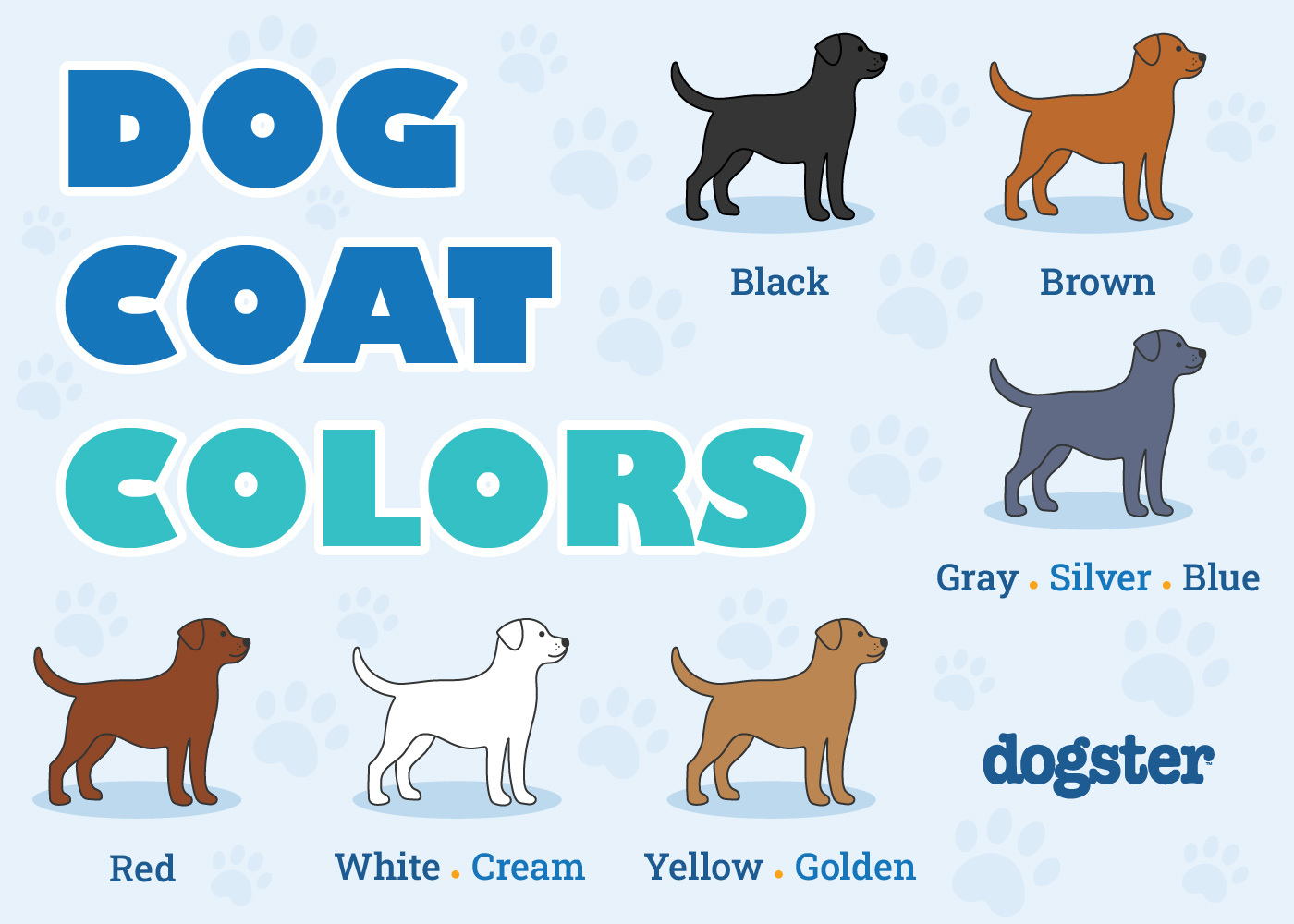
There are six primary dog coat colors, but there are many more shades within each primary color. To further complicate things, the same color can be referred to differently depending on what breed we’re talking about. Additionally, the same terminology can mean different colorations in some breeds.
1. Black

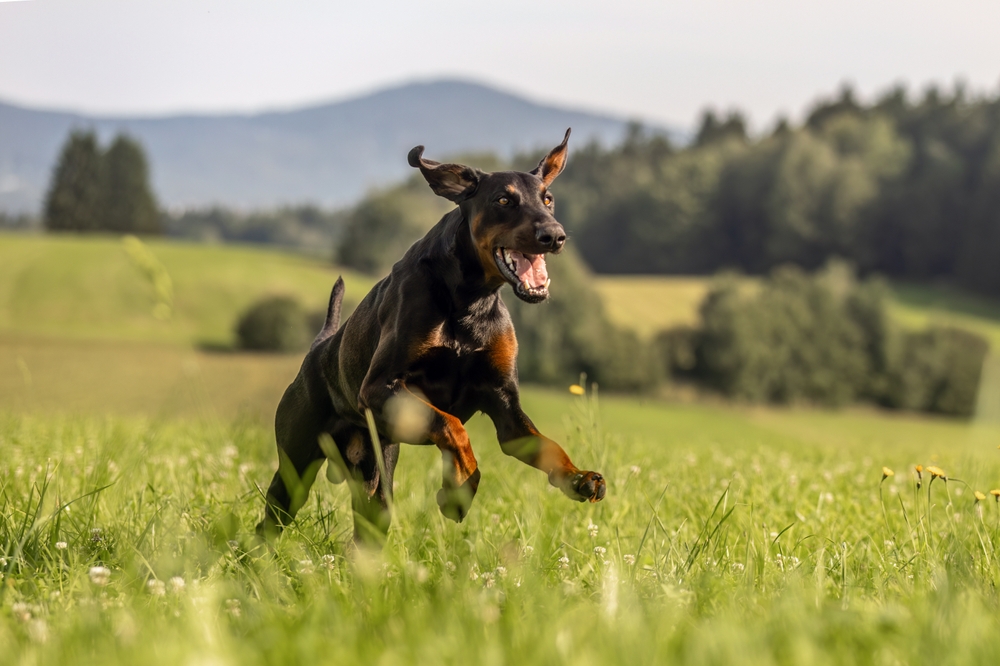
Black is one of the most common coat colors in dogs. It results from a high concentration of eumelanin, a black-brown pigment that produces dark colors in the hair, skin, and eyes.
While pups with black coats are elegant and sleek, they do face some unique challenges.
Have you ever touched a black dog after they’ve spent some time in the sunshine? If so, you know how warm they can get and how quickly their fur heats up. Unfortunately, their dark fur color and black pigmenting can make them prone to overheating during hot weather.
2. Brown

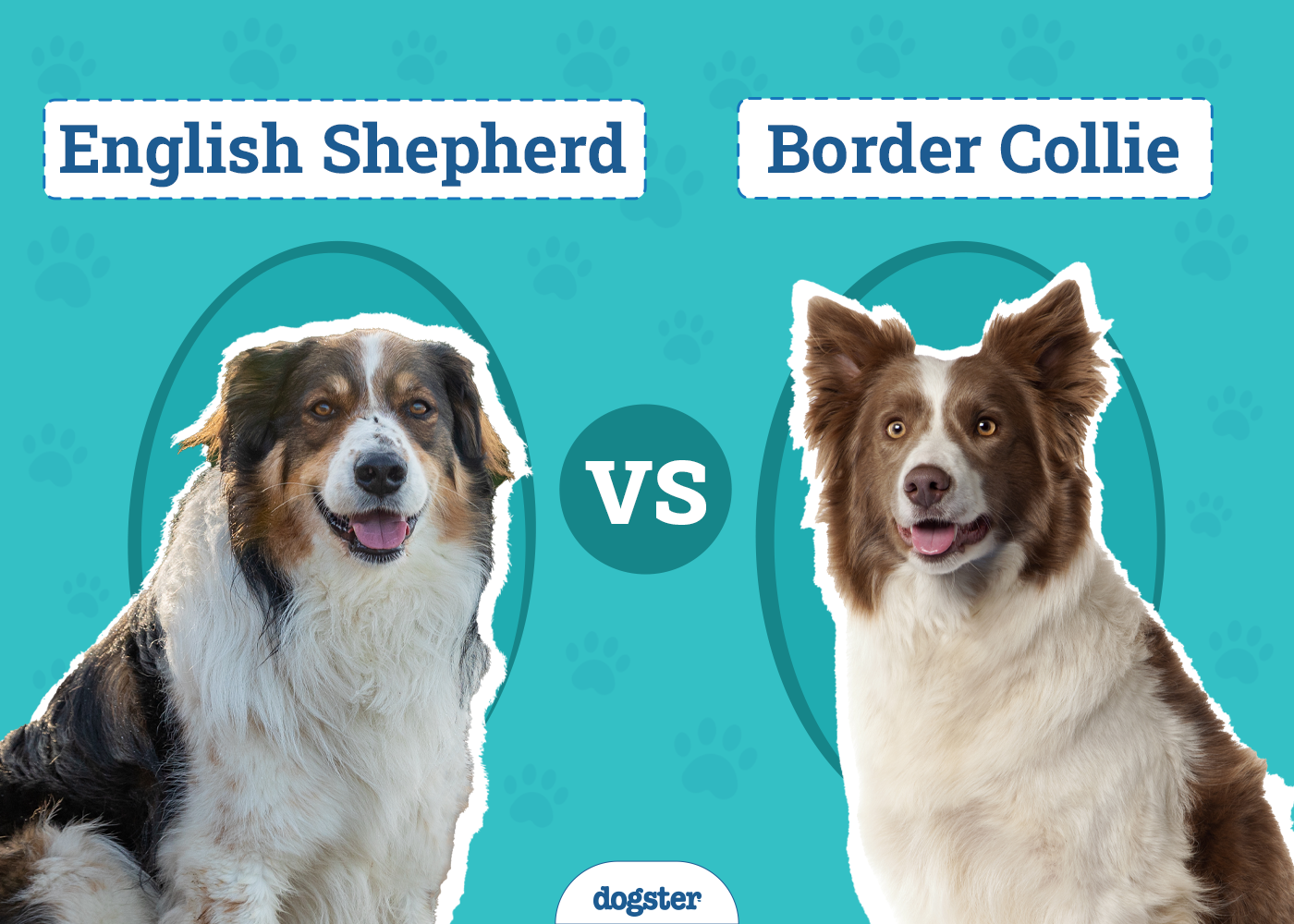
The brown coat coloring offers a broad spectrum of color offshoots such as fawn, tan, and chocolate. This coloration can even veer into the red or gold category. This earthy shade is the result of a moderate to high eumelanin concentration.
Some studies suggest that Labradors with chocolate-colored fur may have a higher incidence of ear infections and skin diseases.2
3. Gray/Silver/Blue
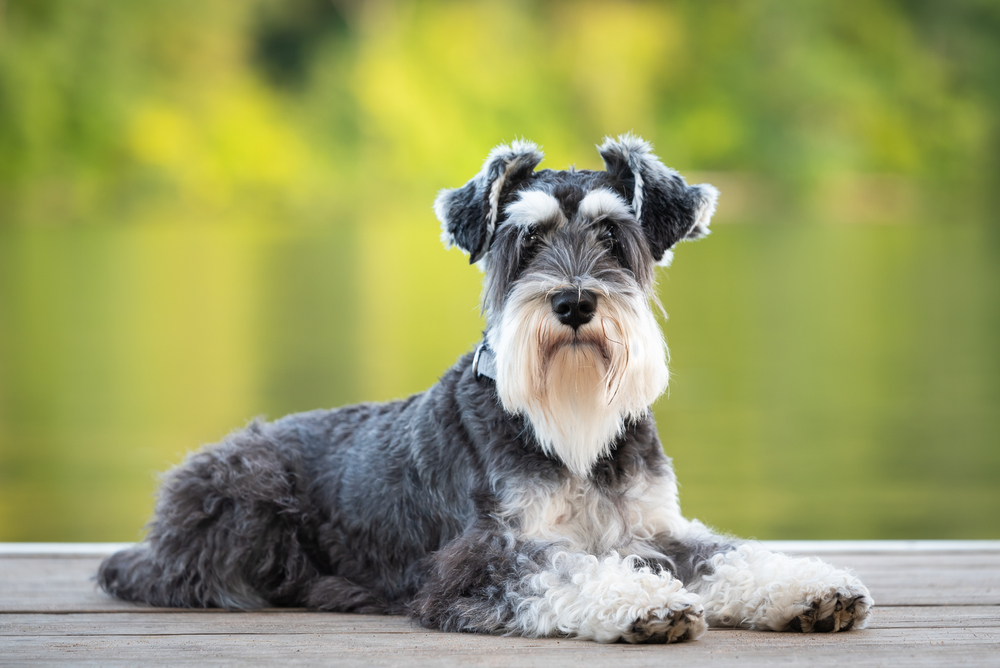
Dogs with gray, silver, and blue coats are very regal and have an almost sparkly or steely appearance. “Blue” doesn’t refer to a Smurf-like coloration but instead a diluted, cool-toned, metallic gray.
4. Red

Red coat coloration is due to a high concentration of pheomelanin, a red pigment molecule. When we say “red,” we’re not talking about a strawberry-like shade, but instead a rich auburn or light copper. However, this color can also encompass orangey-red hues and even have a fiery tinge in the sunlight.
5. White/Cream
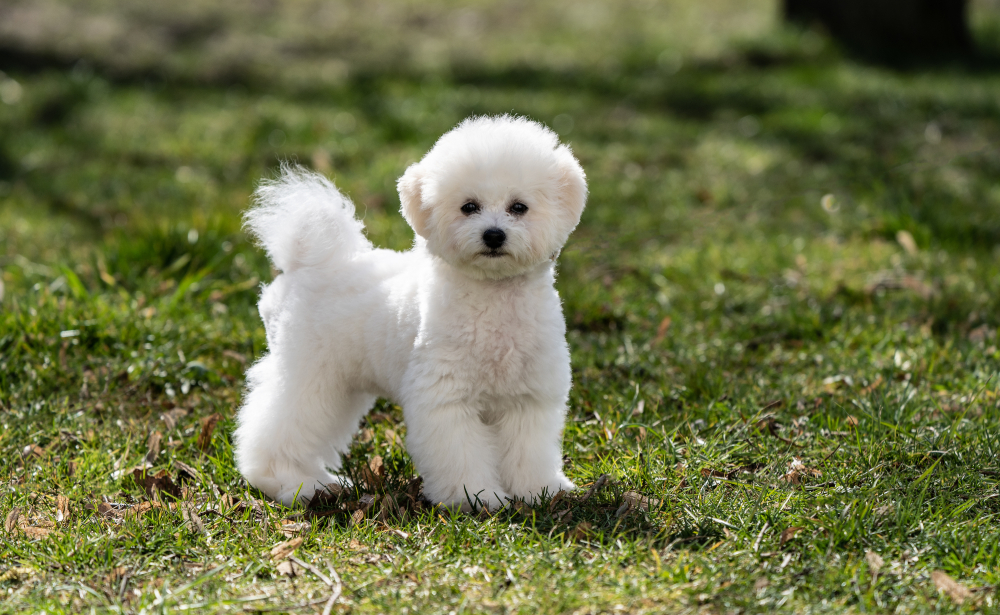
Dogs with white coats have a pristine and elegant appearance. A white coat occurs when there’s no pheomelanin or eumelanin—simply no pigment in the fur. However, even though their fur has no pigmentation, white dogs will still usually have some darker pigment around their eye rims and nose. This is a critical distinction as it sets them apart from true albinos, who have pink noses and eyes due to lacking pigment.
Like pups with black coats, those with white can be prone to some health issues. Like humans with fair skin and light hair, dogs with white or light-colored fur can be more susceptible to sunburns.
6. Yellow/Golden

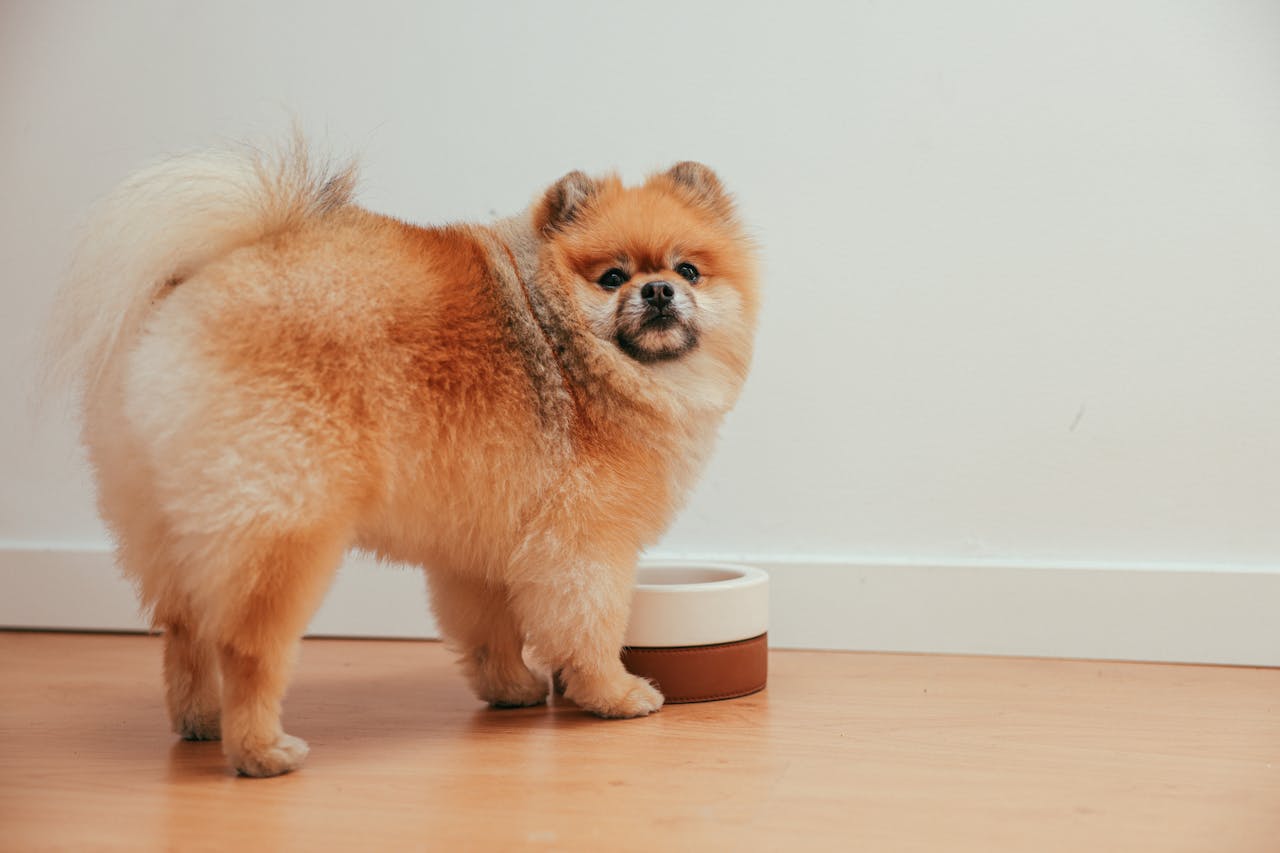
Pups with yellow or gold fur have a moderate concentration of pheomelanin. They can showcase a broad and vibrant spectrum of colors, from wheat hues to golden tones to rich reddish-yellows.
The 11 Most Common Coat Patterns
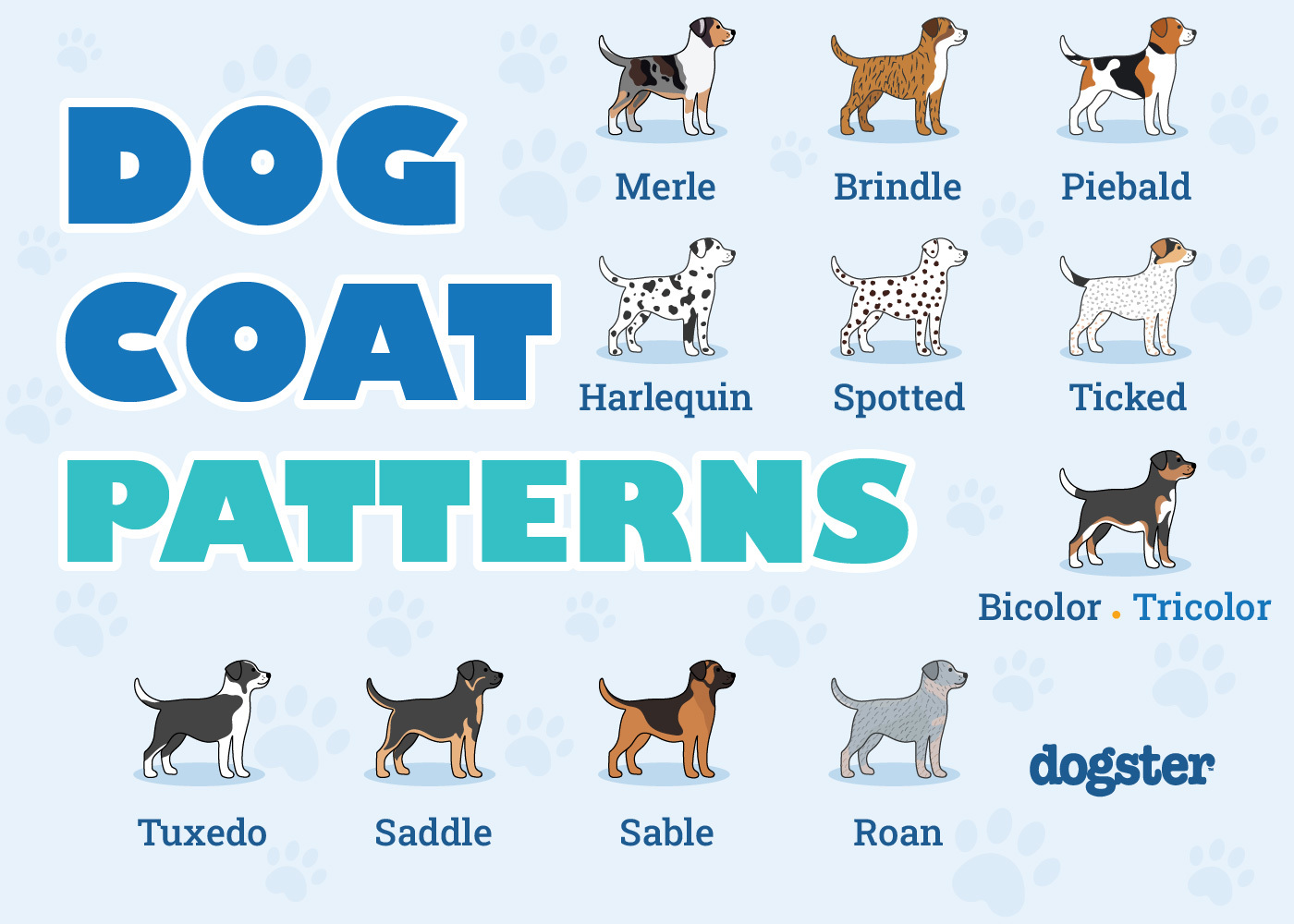
A dog’s primary coat colors play a part in their overall hue, but the patterning and markings on their coats can truly change their entire appearance.
1. Merle

The merle pattern features a marbled coat with dark spots and patches of different colors. Dogs with this pattern often have blue or partially blue eyes. The merle pattern can be seen in different varieties, including red merle (solid brown on tan) and blue merle (solid black on gray).
While merle is a gorgeous pattern, it is sometimes associated with health problems such as deafness and blindness.
Note: The merle pattern is referred to as “dapple” when seen in Dachshunds.
2. Brindle
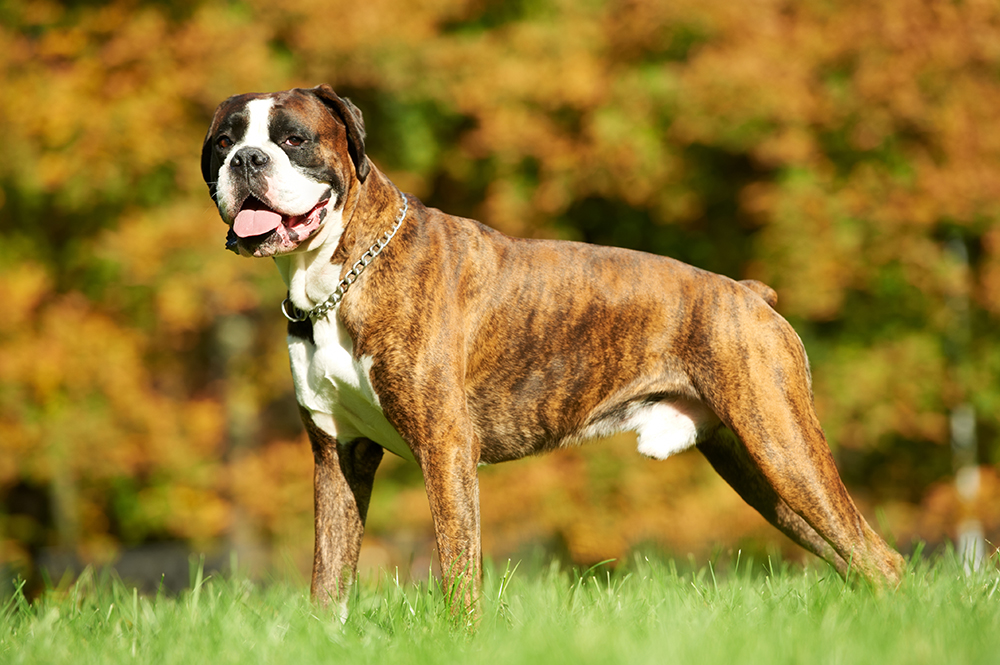
The brindle pattern is a combination of irregular and dark tiger stripes against a lighter base color. This patterning looks similar to tricolor and can sometimes only be distinguished by close examination.
3. Piebald
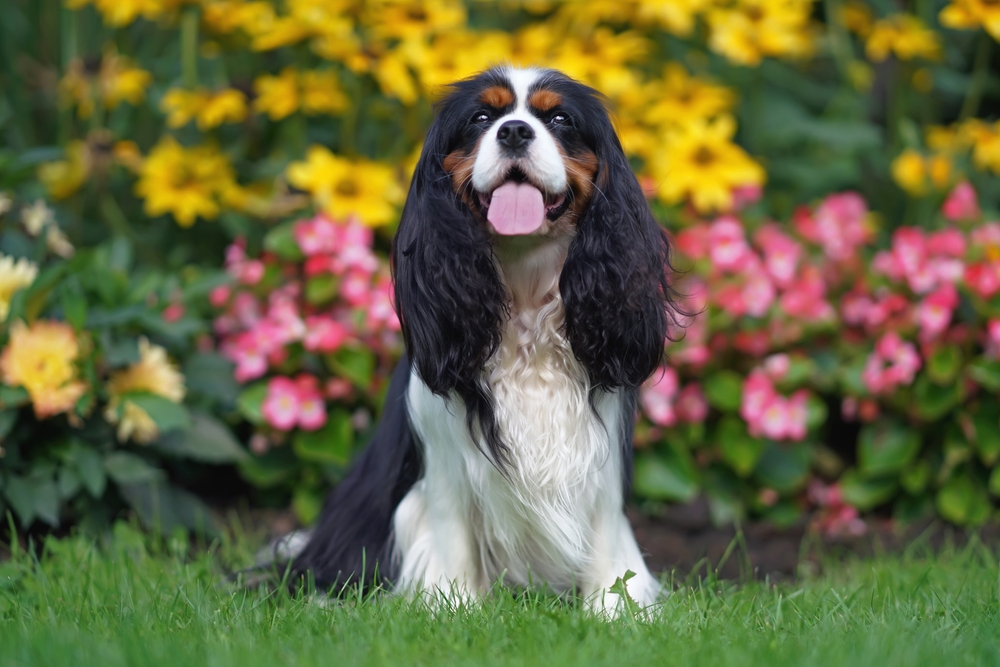
Dogs with irregular patches of white are said to have a piebald patterning. They can have any combination of colors or patterns so long as the classic piebald white spotting is present.
There is also an “extreme piebald” pattern that essentially renders the affected dog entirely white with pink skin. There may be some pigmented specks spread throughout.
Note: This pattern is sometimes also referred to as bicolor or tricolor.
4. Harlequin
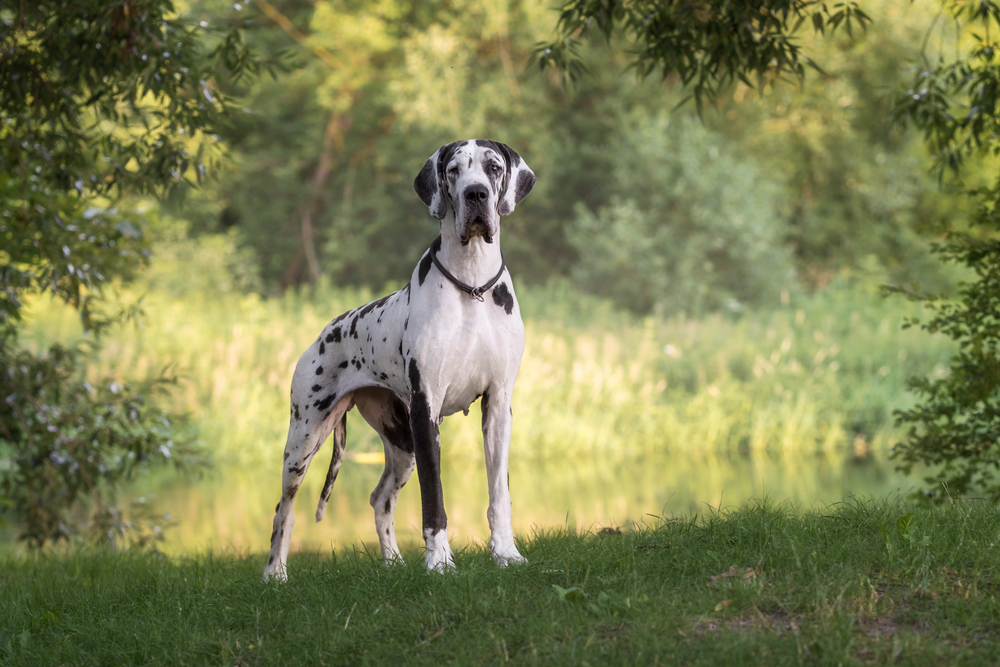
The harlequin pattern features splotches of black or gray on a white base. The patches are distributed randomly throughout the body. The only breed that can sport this pattern is the Great Dane.
5. Spotted

Similar to the Harlequin, the spotted pattern features coin-sized spots of any color on a white background.
6. Ticked
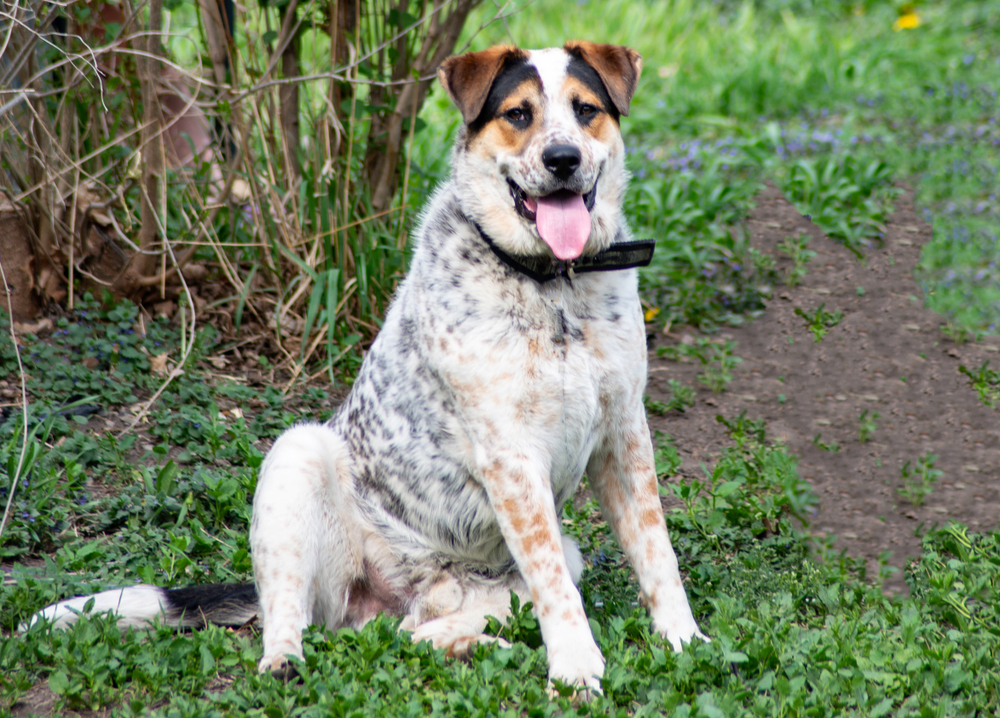
Ticked patterning features flecks of any color on a white background. Ticked is also sometimes known as flecked or speckled.
7. Bicolor & Tricolor

As you may be able to guess by the names of these patterns, they either contain two colors (bicolor) or three (tricolor).
8. Tuxedo
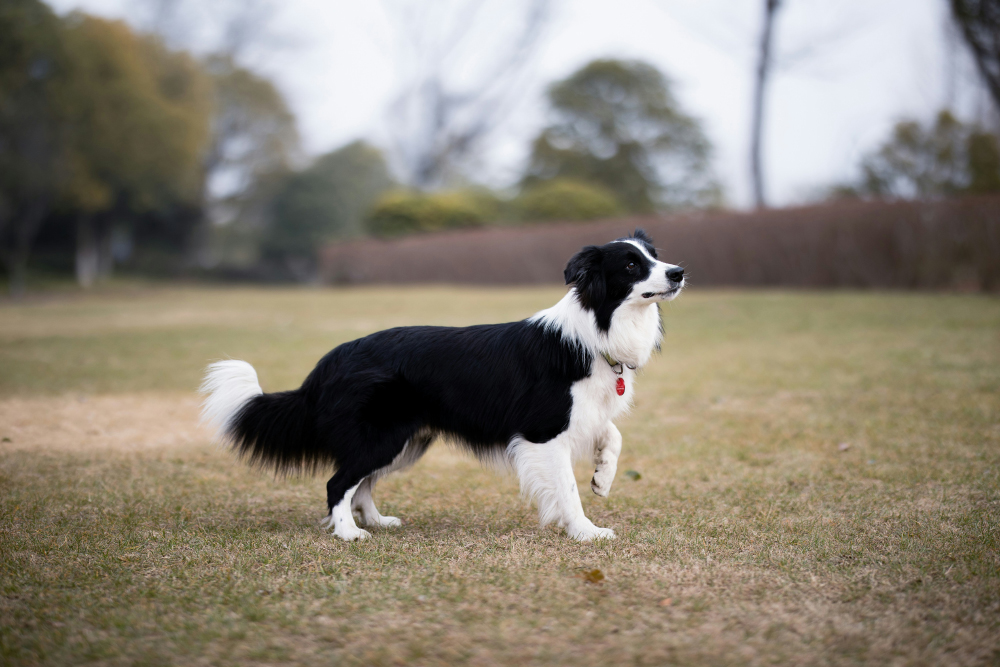
The tuxedo pattern is easy to imagine thanks to the piece of attire it’s named after. Dogs with the tuxedo patterning are solid (typically black) with a white “shirt front” on their chest and chin. They may also have some white on their feet.
9. Saddle

Dogs with the saddle pattern have a different color on the center of their backs. It’s typically a darker color than the rest of their coat, but this isn’t always the case.
Note: This pattern is sometimes also referred to as “blanket.”
10. Sable

The sable pattern features a tan or lighter brown coat with black-tipped hairs overlaid on it. One can truly appreciate the sable coat when stroking a dog with the pattern.
11. Roan

Roan is a pattern that occurs when dogs have a base color that becomes lightened or muted by a mixture of white hairs.

Other Coat Colors
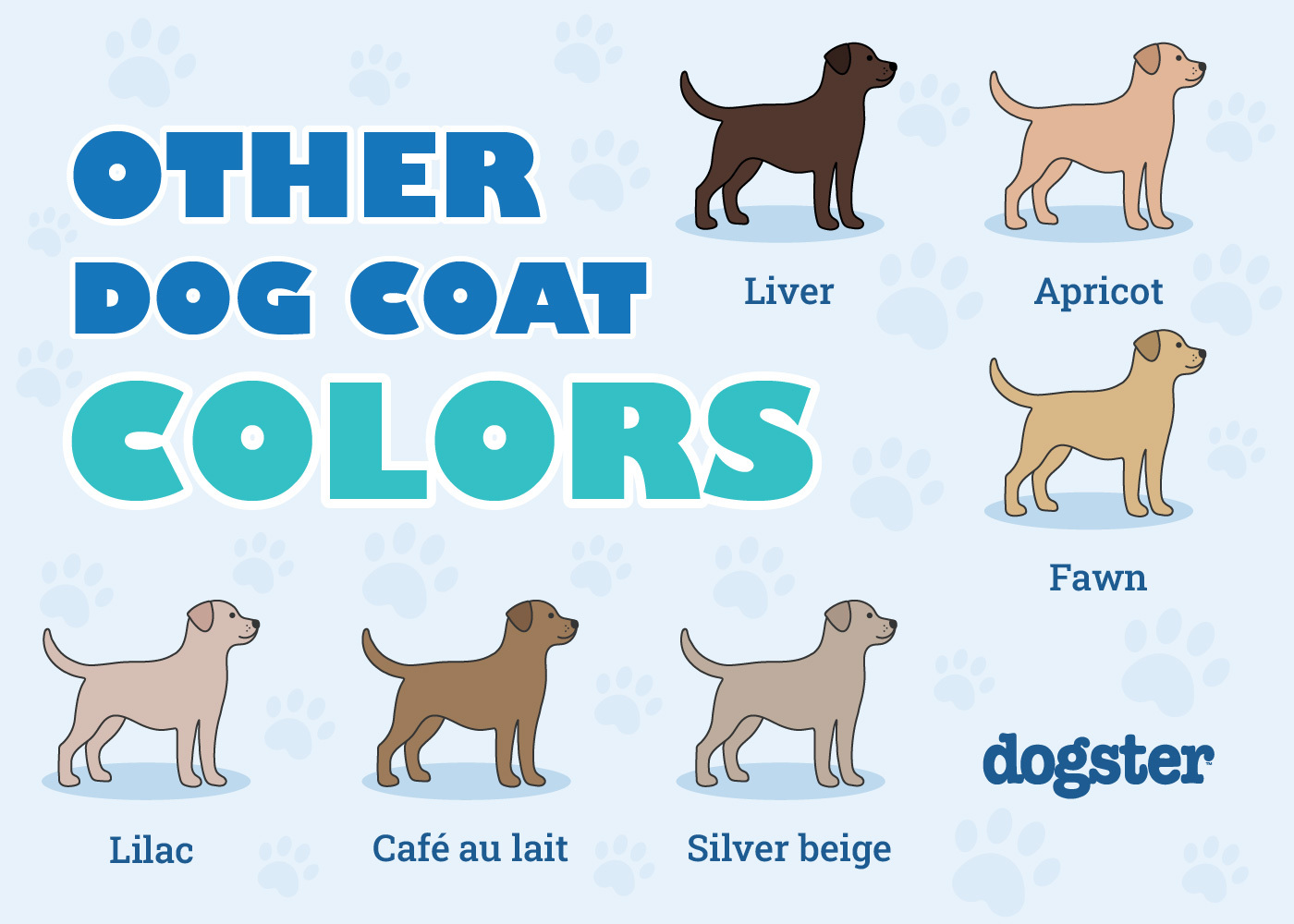
While the six colors above are the most common, there are offshoots of each of these primary colors, including:
- Liver – deep chocolate with reddish-brown tones
- Apricot – can range from pale peach to deep gold
- Fawn – light tan or beige that can vary in intensity
- Lilac – dilute chocolate resulting in a pale, grayish brown with a very light purple undertone
- Café au lait – shiny light tan color, typically with liver points
- Silver beige – diluted brown
The AKC also recognizes mixes of colors and patterns, such as blue-brindle fawn, chocolate sable fawn, and red and white.
Final Thoughts
As easy as it would be to say you have a black, white, or brown dog, coat coloring is just not that simple. The vast assortment of colors and pattern combinations truly make each dog unique. Next time you’re at the dog park with your pup, take a minute to appreciate the wide array of colors you see.
Featured Image Credit: Okeanas, Shutterstock