

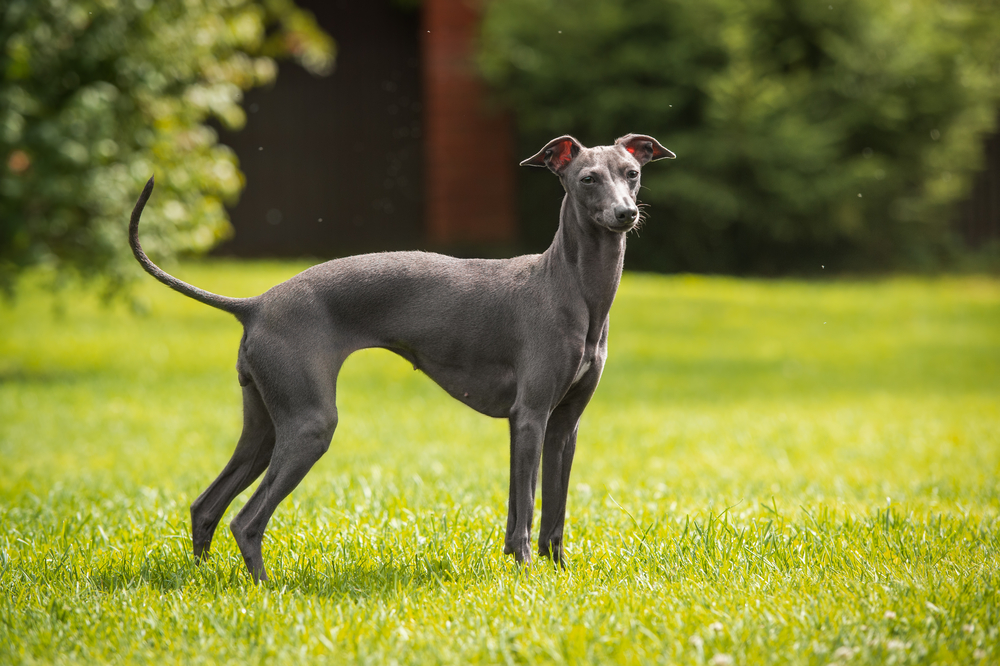
The Italian Greyhound is a sleek, elegant-looking sighthound that is essentially a miniature Greyhound. They are fast, lively, and playful, and they make great pets, although they can be sensitive to low temperatures, noises, and being ignored. They are trainable and can live well in an apartment, thanks primarily to their diminutive form, but owners need to take care because they do have a high prey drive which can prevent off-leash exercise.
Below are 13 fascinating Italian Greyhound facts for those who are considering one as a pet or simply want to learn more about this beautiful breed.

The 13 Italian Greyhound Facts
1. They Can Run at 25 Miles Per Hour
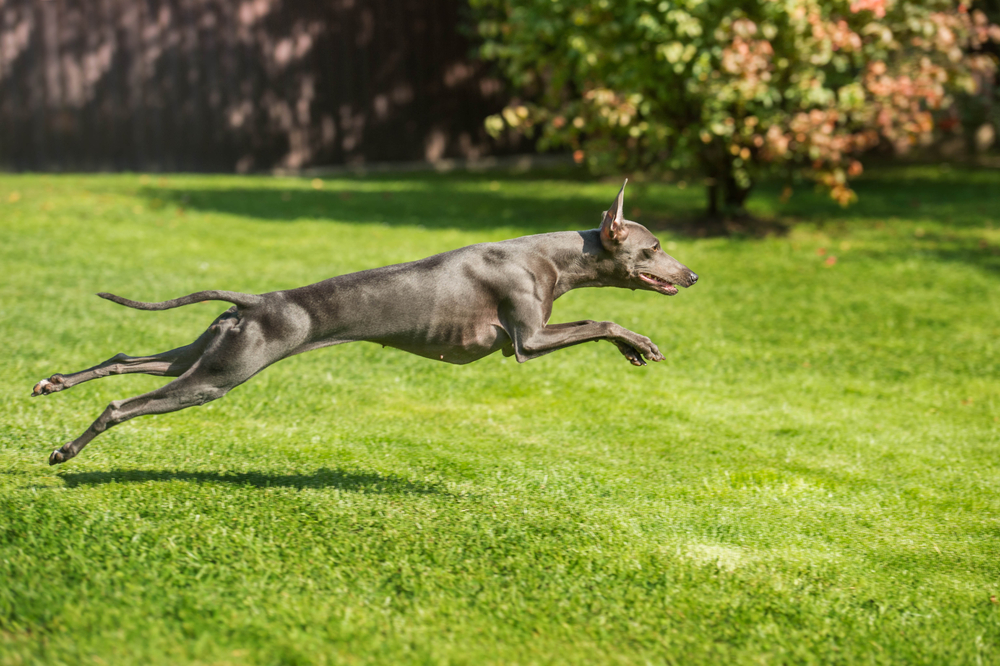
Although they can’t reach the same incredible speeds as Greyhounds, Italian Greyhounds can still run incredibly fast. Some sources estimate their top speed at 25 miles per hour (mph) when they really go for it. Greyhounds can reach almost 45 mph (20 meters per second) so it’s quite possible that this number is accurate. Generally, they will attain these speeds when chasing prey, but it can feel like it when they’re zooming around the living room, too.
If you want to let your dog run, you will need to find an enclosed area where you can let them off the leash, because their high prey drive means they will chase small animals or anything that resembles prey.
2. They Make Very Good Pets
The breed is known for making a good companion dog breed. They are loving and loyal, enjoy cuddles, and are playful. They are also a trainable breed, and this combination makes the Italian Greyhound a great pet. Some believe that the Italian was actually bred as a companion dog, rather than for hunting, although this is disputed.
3. Italian Greyhounds Have High Prey Drives
One of the reasons that people dispute the companion breeding theory is that the Italian Greyhound has a very high prey drive. They will chase any small animal they see. Your little one might even chase cats.
The high prey drive does make it difficult to let the Italian Greyhound off their leash, and it means you should never leave one alone with small pets.

4. They Struggle in Extreme Climates
The short coat and the lack of body fat mean that the Italian Greyhound struggles with cold temperatures. As well as needing a coat or jumper in winter, the struggle with the cold means you will be sharing your duvet, cushions, and even your jumpers with your Italian Greyhound.
They may also struggle with the heat, although this is typically because they love to lounge around and sunbathe.
5. The Italian Greyhound Doesn’t Shed a Lot
It’s hardly surprising, considering the short coat, but the Italian Greyhound is not a heavy shedder. In fact, they are sometimes referred to as hypoallergenic because they drop so little of their coat.
Allergies to dogs are caused by proteins that all dogs produce and give off in their dander and coat but also in their urine and saliva. As such, while Italian Greyhounds do not shed a lot, they can still cause reactions in allergy sufferers.

6. They Do Well as Apartment Dogs
Although the breed is playful and quite lively, the Italian Greyhound’s size means that it can do very well living in an apartment. Another factor that contributes to this is the fact that the Italian Greyhound is a relatively quiet dog. It isn’t usually prone to excessive barking or howling.
7. Italian Greyhounds Make a “Rooing” Noise
Similarly to Greyhounds, when they make a noise, Italian Greyhounds make a sound that owners typically refer to as “rooing.” Rooing is similar to howling, and while most Italian Greyhounds are fairly quiet, some will use this rooing noise to get attention and to get what they want most.
8. Italian Greyhounds Are Sensitive Dogs
The breed does have a lot of things going for it. They’re beautiful and elegant, they make great pets thanks to their playful and loving nature, and they can reach incredible top speeds. However, one area where owners need to pay attention is the dog’s sensitivity.
As well as being sensitive to extreme temperatures and climates, the Italian Greyhound is sensitive to loud noises, and doesn’t do well with harsh training methods of being shouted at or scolded.
9. They Can Live for up to 15 Years
With good health care, nutrition, and a healthy lifestyle, the Iggy can live a long life. It has an average lifespan of around 14 to 15 years, and it isn’t uncommon for this small sighthound to reach that 15-year milestone.

10. Italian Greyhounds Are Prone to Certain Eye Diseases
Italian Greyhounds can suffer from certain ocular conditions that are thought to be inherited. These conditions often occur in dogs younger than 2 years of age and involve corneal dystrophy, posterior pupillary membranes, glaucoma, progressive retinal atrophy (PRA), and cataracts. A congenital condition, present at birth, that causes blindness or serious visual impairment known as optic nerve hypoplasia has also been described. If buying your Italian greyhound, you should always contact a reputable breeder and make sure you visit your vet as soon as you notice any abnormality.
11. They’ve Only Become Popular in the U.S. in the Last 20 Years
The breed was officially recognized by the American Kennel Club in 1886, but it remained a rare breed for some time. In fact, it is only in the last 20 years or so that the breed has started to become popular in the U.S. It is popular in some countries in Europe, though.

12. The Breed Likely Originated in the Mediterranean
Despite being called the Italian Greyhound, the breed likely originated in Greece or Turkey. Images of small Greyhound-type dogs have been found in ancient art in the area and some of these depictions date back 2,000 years so it is an ancient breed.
They get the name Italian Greyhound from the fact that they became so loved in Italy, where they were popular, especially during the 16th Century.
13. It’s Unclear What They Were Originally Bred For
The breed is classed as a sighthound, which means its original use was likely to be as a hunting dog. However, some claim that the breed was actually bred as a companion animal instead. The Italian Greyhound was likely bred as a dual-purpose dog—one that would hunt during the day and settle down to spend time with its handler at night.
Today, the Italian Greyhound is most often kept as a pet but can excel at certain canine sports including agility and speed events. Taking your Italian Greyhound to partake in these events is a good way to provide physical exercise and mental stimulation that they might otherwise miss out on.
In Conclusion
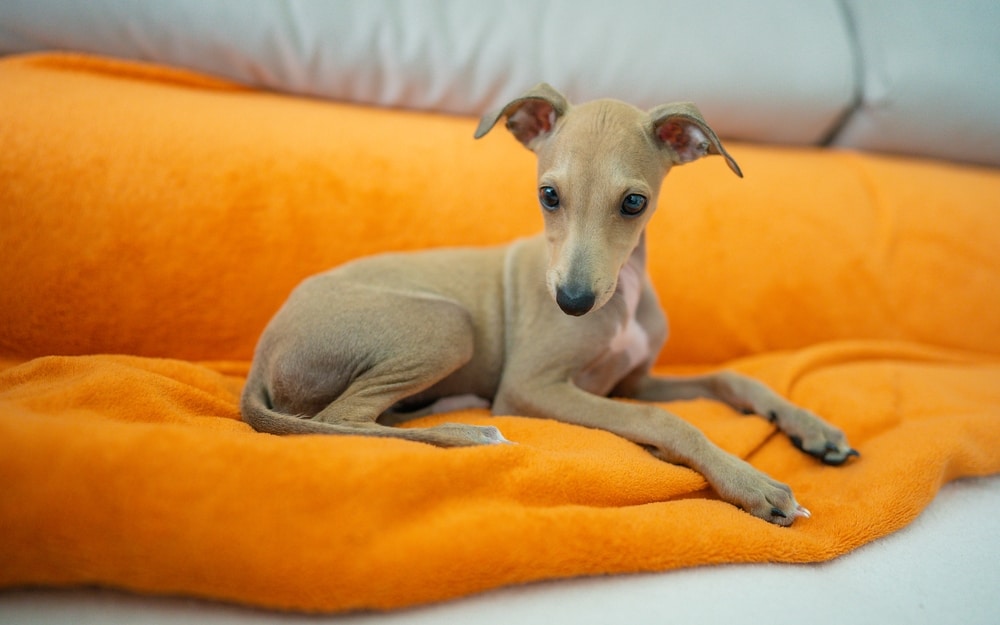
The Italian Greyhound is a small sighthound breed that is commonly kept as a pet. Although still not a common breed in the U.S. it is gaining popularity, and it is popular throughout Europe. It gets its name from the fact that it became so popular in Italy, but the breed actually originates from Greece and Turkey.
It is an adaptable breed that can live in apartments, but you will have to find ways to warm them during cold winter months because the short coat and lack of body fat means they don’t tolerate the cold well.
Featured Image Credit: Alexandra Morrison Photo, Shutterstock
 The 13 Italian Greyhound Facts
































One Response
I would love to know if a reputable Italian greyhound rescue in Michigan! Anyone?!