Is an Akita Good With Cats? History, Vet-Verified Facts & FAQ



In this article
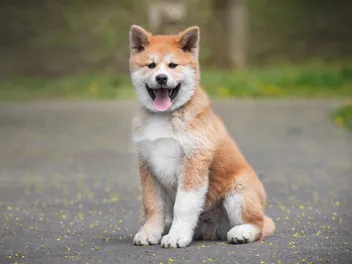
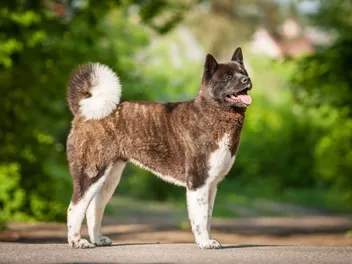
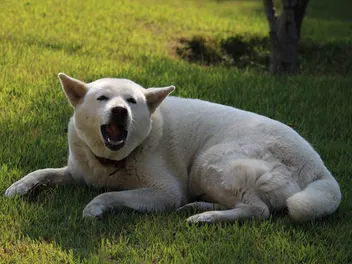
The Akita is a Japanese spitz breed that originated in a mountainous region where it was used as a guardian and hunting dog for elk, wild boars, and even bears. These dogs are imposing, protective, and fiercely loyal, which sometimes means they’re less tolerant of other animals—especially small animals like cats.
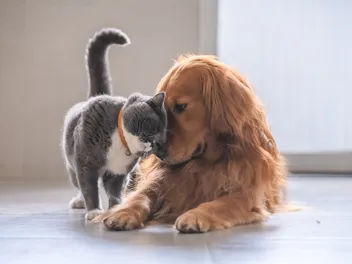
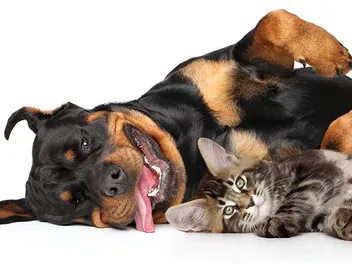
Is an Akita good with cats? While Akitas are often reserved with strangers and may be wary of other animals, they can sometimes coexist with cats if they are properly socialized and introduced early.

Akita History
Akitas have been around for centuries. They’re a hardy, independent breed that was kept by samurai for guarding and hunting bears and other large game. In the 1600s, Akitas were used for dog fighting and bred with other fighting breeds.
That’s a lot of force, wariness, and prey drive selectively bred over centuries. As hunter and guard dogs, Akitas are often reserved around unfamiliar people and animals, though early socialization can help them become more tolerant.
Cats are small, agile, flighty animals. Though predators themselves, cats are usually prey for larger animals like wolves, coyotes, and some dogs. It can be challenging for a dog with a high prey drive and an independent streak, like the Akita, to resist the urge to chase and kill a cat.

Can Akitas Get Along With Cats?
Akitas are generally not an ideal match for households with cats (or small dogs), but that doesn’t mean they can never coexist. With early socialization and consistent training, some Akitas can learn to accept a cat as part of the household, although success varies by individual.
There are no guarantees, however. A puppy may get along well with a cat until it reaches adolescence or adulthood. Likewise, a cat may be safe most of the time, but sudden movement can trigger the Akita’s instincts.
If you want to keep both an Akita and a cat, training and management are ongoing responsibilities. You should consistently reinforce boundaries and good behavior throughout the dog’s life, and be very cautious about leaving them together unsupervised.
Another option is to look for Akita-specific rescues to see if any adult Akitas have a proven track record in a home with cats. Some older Akitas may become calmer and less reactive to small animals, but this varies, and careful introductions and supervision are still important.

What About Cats Outside?
If you have feral cats in your neighborhood, there’s a good chance your Akita will try to chase them, as many Akitas have a strong prey drive. It’s best not to allow your Akita off-leash outside, unless in a secure fenced off area, as they may want to hunt not only neighborhood cats but also squirrels, birds, chipmunks, and other small animals.
If you want an Akita, make sure you have a high, secure fence with no space between the boards that could allow cats or other animals to enter. The goal is to prevent your dog from escaping and to reduce encounters with other animals, although it may not be possible to keep all animals out of the yard.
If your neighbors have cats or small dogs, let them know that you have a dog with a strong prey drive, and they should keep their pets out of your yard.
Summary
Akitas are wonderful, loyal dogs, but with their hunting history and strong prey drive, they may be prone to chasing or reacting to small animals like cats, depending on the individual’s personality, previous experiences, and socialisation. You can have a peaceful home with an Akita and a cat with proper training and socialization, but it’s important to take precautions to avoid any conflict.
See also:
Sources
Featured Image Credit: Olga Aniven, Shutterstock
Expert dog care, straight to your inbox
Vet-reviewed advice, training tips, and the best of Dogster. Free, and you can unsubscribe anytime.
By signing up, you agree to our Terms & Conditions and Privacy & Cookies Policy.
Nicole has loved animals of all sizes her whole life so it's no wonder she has dedicated her career to helping them through what she loves best: learning, writing, and sharing knowledge with others. She’s the proud mom of two dogs, a cat, and a human. With a degree in Education and 15+ years of writing experience, Nicole wants to help pet parents and pets around the planet to live happy, safe, and healthy lives.
Join the conversation
Ask a question, share your story, or send private feedback.