How Big Will My Bernedoodle Get? Vet-Verified Size & Growth Chart


In this article
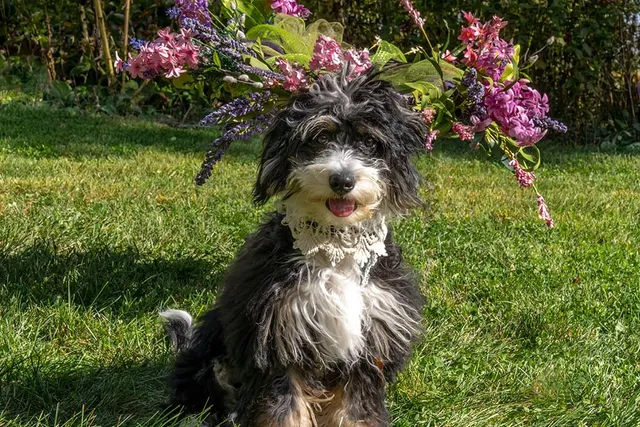
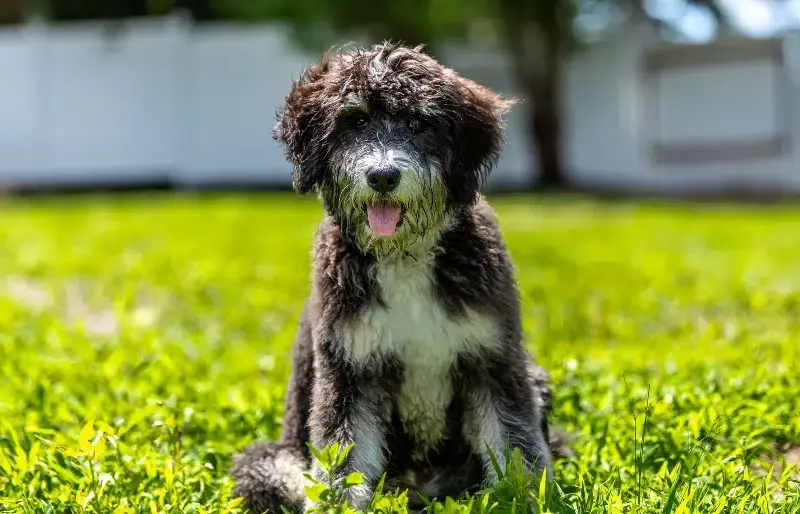
The Bernedoodle is a designer breed that has gained popularity in recent years. This lovable and intelligent dog is a cross between the loyal Bernese Mountain Dog and the clever Poodle, resulting in a family-friendly and highly trainable companion. With their distinctive appearance and charming personalities, Bernedoodles have captured the hearts of many dog lovers.
In this article, we will explore the breed overview, size and growth chart, factors affecting size, ideal diet, and how to measure your Bernedoodle.

Bernedoodle Breed Overview
The Bernedoodle is a hybrid breed that combines the best traits of its parent breeds, the Bernese Mountain Dog and the Poodle. They are known for their friendly and affectionate nature, making them excellent companions for families with children or other pets. Their intelligence and eagerness to please also make them highly trainable and well-suited for various dog sports or as therapy dogs.
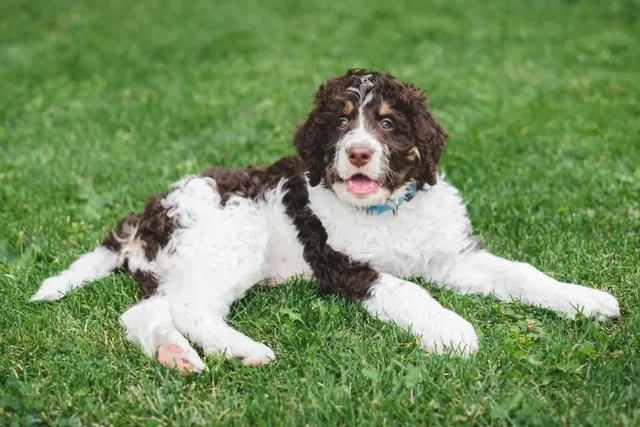
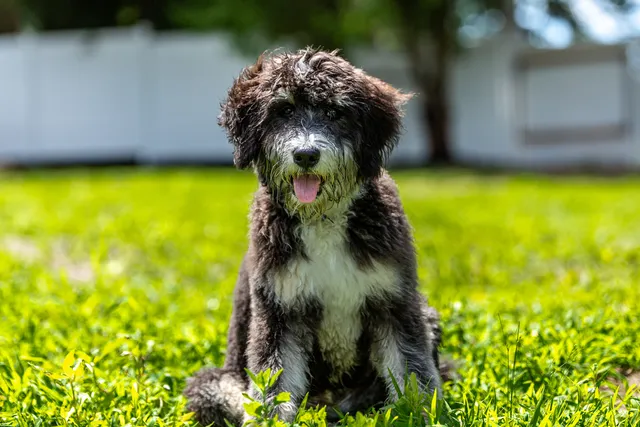
Bernedoodles come in three different sizes: Standard, Miniature, and Toy, depending on the size of the Poodle parent. Their coats can be curly, wavy, or straight, and they are generally low-shedding, making them potentially suitable for people with allergies, although some individuals will shed more than others.

Bernedoodle Size and Growth Chart
The Bernedoodle’s size and growth will depend on the type of Bernedoodle: Standard, Miniature, or Toy. When it comes to cross-breeds, there are a few important concepts to understand about their genetics and growth rates. Firstly, crossbreeds tend to be larger and healthier than both the parent breeds, a concept known as hybrid vigor.
Secondly, there are no strict definitions of a Bernadoodle, so your dog could have a parent who is a Poodle, Bernadoodle, or Bernese Mountain Dog. A pup that is a mix between a Poodle and a Bernese Mountain Dog is known as an F1, and these dogs tend to have similar traits. However, matings where one parent is a Bernadoodle create a proverbial mixing pot of genetics, meaning the pups can show traits, including size, closer to that of a purebred Poodle or Bernese Mountain Dog.
Below is an estimated growth chart for each type of Bernedoodle, assuming they are an F1 generation:
Toy Bernedoodle
| Age | Weight Range |
| 2 months | 2 to 7 pounds |
| 6 months | 8 to 18 pounds |
| 1+ year | 15 to 20 pounds |
Miniature Bernedoodle
| Age | Weight Range |
| 2 months | 4 to 11 pounds |
| 6 months | 13 to 33 pounds |
| 1+ year | 20 to 45 pounds |
Standard Bernedoodle
| Age | Weight Range |
| 2 months | 17 to 33 pounds |
| 6 months | 44 to 77 pounds |
| 1+ year | 60 to 100 pounds |
When Does a Bernedoodle Stop Growing?
Bernedoodles typically reach their full size between 12 to 18 months of age. However, some smaller dogs may reach close to their full size before 12 months old. Their growth rate will slow as they age and finally stop. It’s important to remember that each dog is unique, and growth rates can vary based on genetics, nutrition, and overall health.
Factors Affecting the Size of Bernedoodles
Several factors can affect the size of a Bernedoodle, including genetics, nutrition, and exercise. The size of the Poodle parent, in particular, plays a significant role in determining the offspring's size. Additionally, providing a balanced diet and regular exercise can promote healthy growth and development.

Ideal Diet for Maintaining a Healthy Weight
To maintain a healthy weight, Bernedoodles should be fed a high-quality, well-balanced diet tailored to their specific size, age, and activity level. It is crucial to follow the feeding guidelines provided by your veterinarian or pet food manufacturer and monitor your dog's weight regularly. Regular exercise is also essential in keeping your Bernedoodle fit and preventing obesity-related health issues.
How to Measure Your Bernedoodle
To measure your Bernedoodle’s height, have your dog stand on a flat surface with their legs positioned squarely beneath them. Use a measuring tape or ruler to measure from the highest point of the shoulder blades (withers) to the ground. To measure your dog’s length, use a measuring tape to measure from the base of the tail to the tip of the nose.

Tips for Monitoring Your Bernedoodle's Growth
Monitoring your Bernedoodle's growth is essential to ensuring it develops into a healthy and happy dog. By keeping a close eye on its size and weight, you can identify any potential health issues early on and make adjustments to its care as needed. Here are some tips for monitoring your Bernedoodle's growth.
Regular Vet Checkups
Scheduling regular veterinary appointments is crucial for staying informed about your Bernedoodle's overall health and growth progress. Your vet will be able to assess your dog's development, identify any potential issues, and provide guidance on proper nutrition and exercise. It's recommended to have your Bernedoodle checked at least once a year, but puppies may need more frequent visits to ensure they are growing appropriately.
Tracking Weight and Size
Keeping a record of your Bernedoodle’s weight and size can help you monitor their growth over time if you are interested in doing so. You can use a growth chart specific to their size (Standard, Miniature, or Toy) as a reference for expected milestones. Regularly weigh your dog and measure their height and length, as described in the earlier section, and record the measurements.

Adjusting Diet and Exercise as Needed
As your Bernedoodle grows, their nutritional needs may change. It's essential to feed your dog a balanced diet that meets their specific requirements based on their age, size, and activity level. Monitor your dog's body condition and consult with your veterinarian for recommendations on the best diet for your Bernedoodle.
Exercise is also an important factor in your Bernedoodle’s growth and development. Regular physical activity helps maintain a healthy weight, promotes muscle growth, and supports overall well-being. Be mindful of your dog’s energy levels and adjust the intensity and duration of exercise as needed to suit their individual needs. You don’t want to encourage any high-impact or risky exercise, as this can be harmful to your dog’s joints, especially when they are still growing.
Final Thoughts
Bernedoodles are a loving and intelligent breed that make excellent companions for families and individuals alike. Understanding their growth patterns, factors affecting size, and their ideal diet can help you provide the best care for your Bernedoodle. With proper nutrition, exercise, and love, your Bernedoodle will be a happy and healthy member of your family for years to come.
Sources
https://www.petmd.com/dog/breeds/bernedoodle
https://vetportal.royalcanin.co.uk/wp-content/uploads/2022/06/FINAL-Puppy-Growth-Chart-Digital.pdf
https://www.walkervillevet.com.au/blog/how-much-to-exercise-a-puppy/
Featured Image Credit: jcburke, Shutterstock
Expert dog care, straight to your inbox
News, insights, expert advice, and everything dog.

No spam — unsubscribe anytime.
By signing up, you agree to our Terms & Conditions and Privacy & Cookies Policy.
How useful was this post?
Click a star to rate. You can leave written feedback afterwards. (We read all feedback.)
Nicole has loved animals of all sizes her whole life so it's no wonder she has dedicated her career to helping them through what she loves best: learning, writing, and sharing knowledge with others. She’s the proud mom of two dogs, a cat, and a human. With a degree in Education and 15+ years of writing experience, Nicole wants to help pet parents and pets around the planet to live happy, safe, and healthy lives.