American Shepherd vs Australian Shepherd: The Differences (With Pictures)

In this article
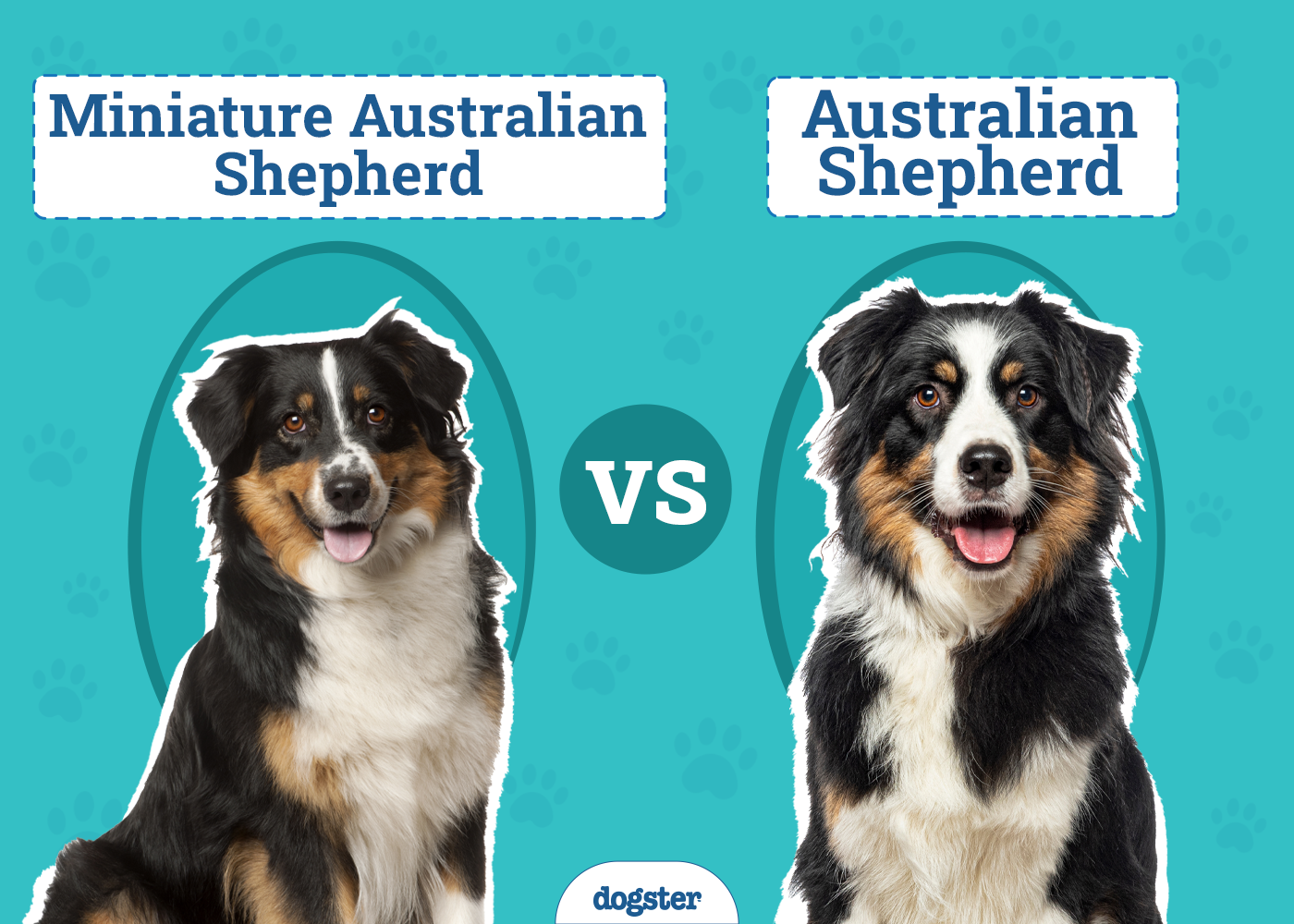
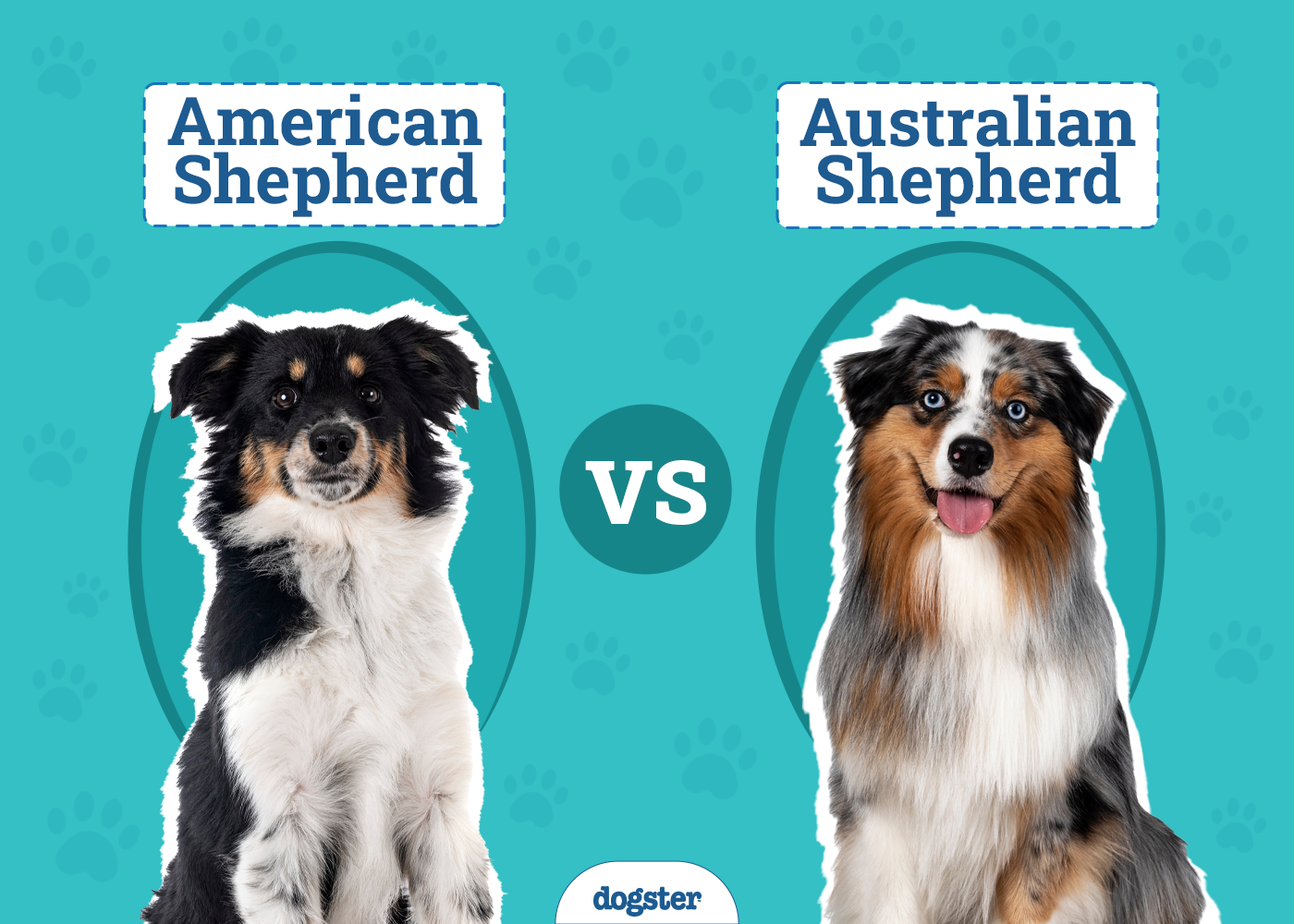
While these breeds are very similar, there are distinct differences between them, and it's not just their size. The American Shepherd is a mini-sized likeness of the Aussie Shepherd and was bred from Australian Shepherds and selected for their small stature and loyalty.
American Shepherds were originally named miniature Australian Shepherds but were differentiated and given their name in 1993.
The Australian Shepherd was created in America (using imported cattle dogs from Australia) and was bred to be the ultimate herding breed. Their gorgeous coat color variations and sharp intelligence quickly threw them into the public eye, and they're now one of the USA's most sought-after dogs.

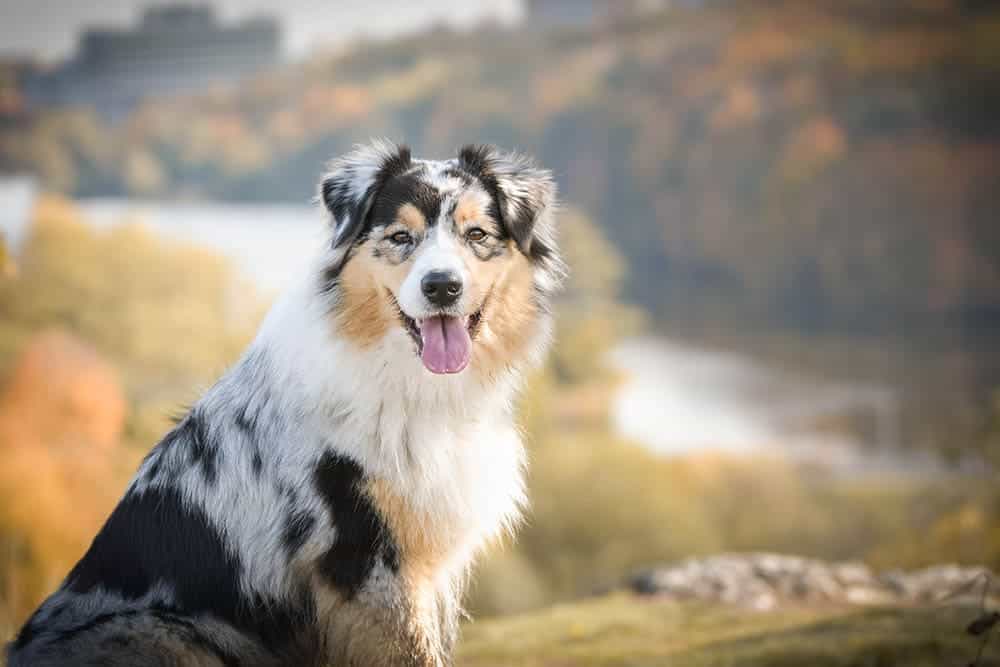
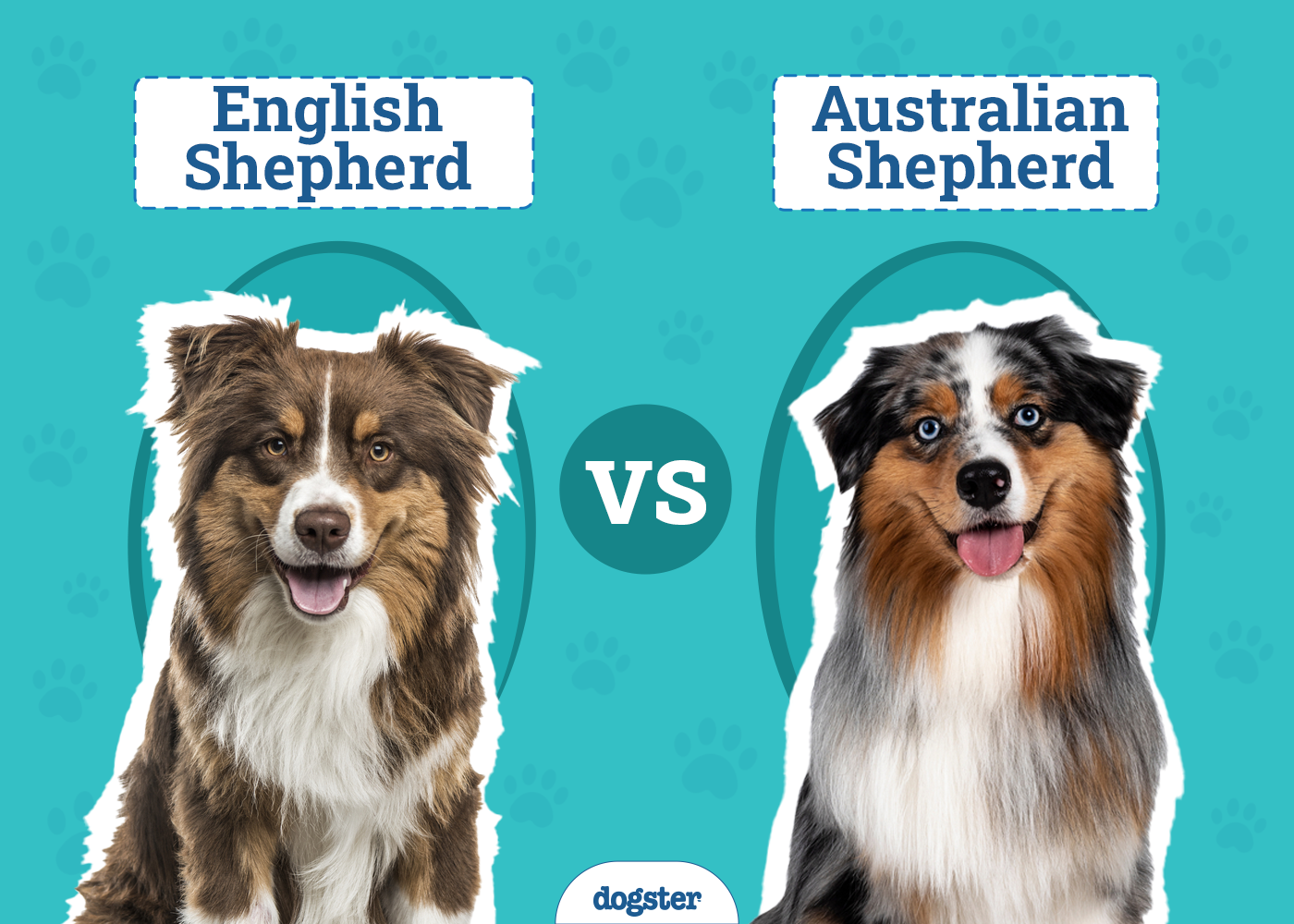
Visual Differences
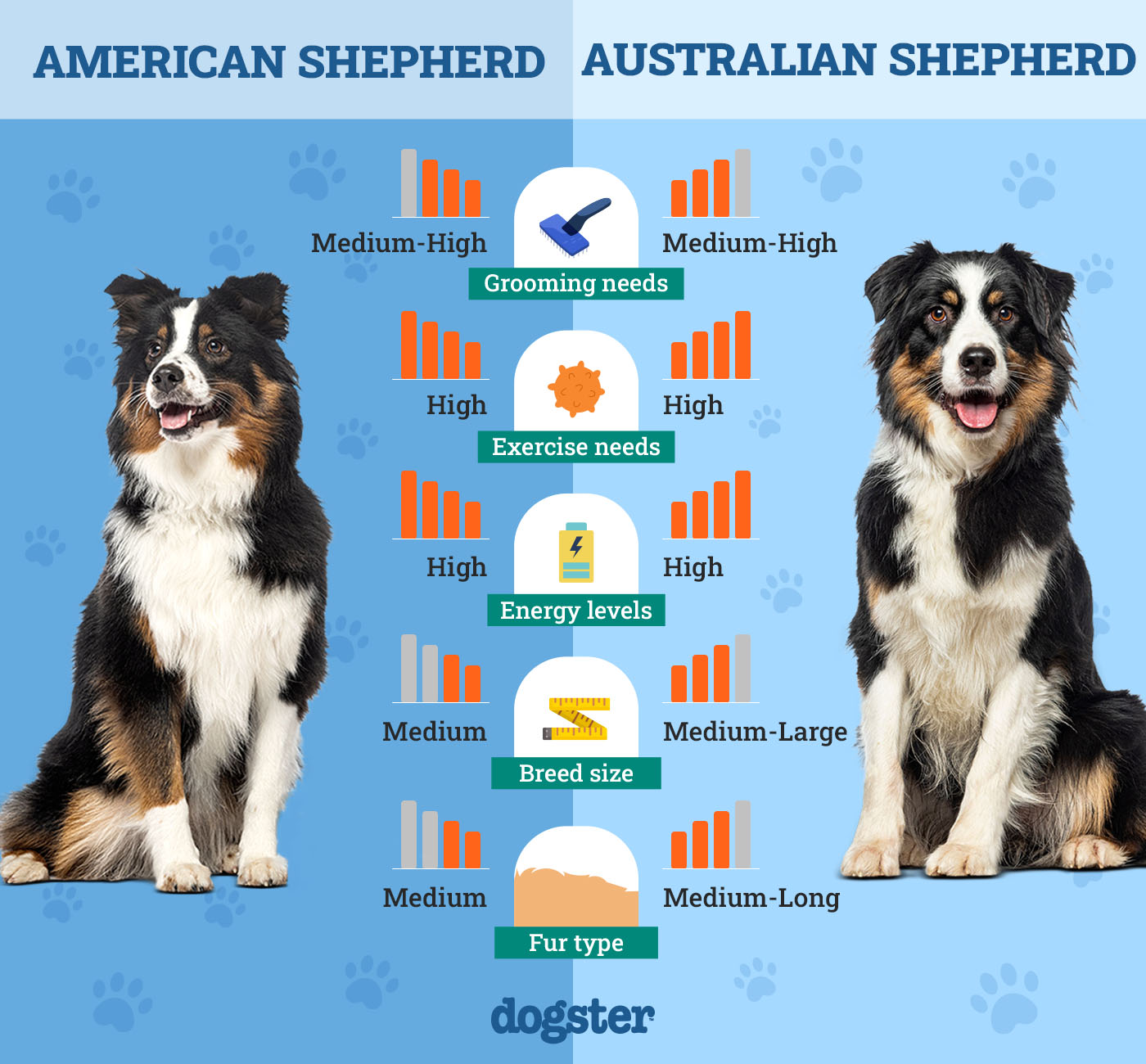
At a Glance
American Shepherd Overview
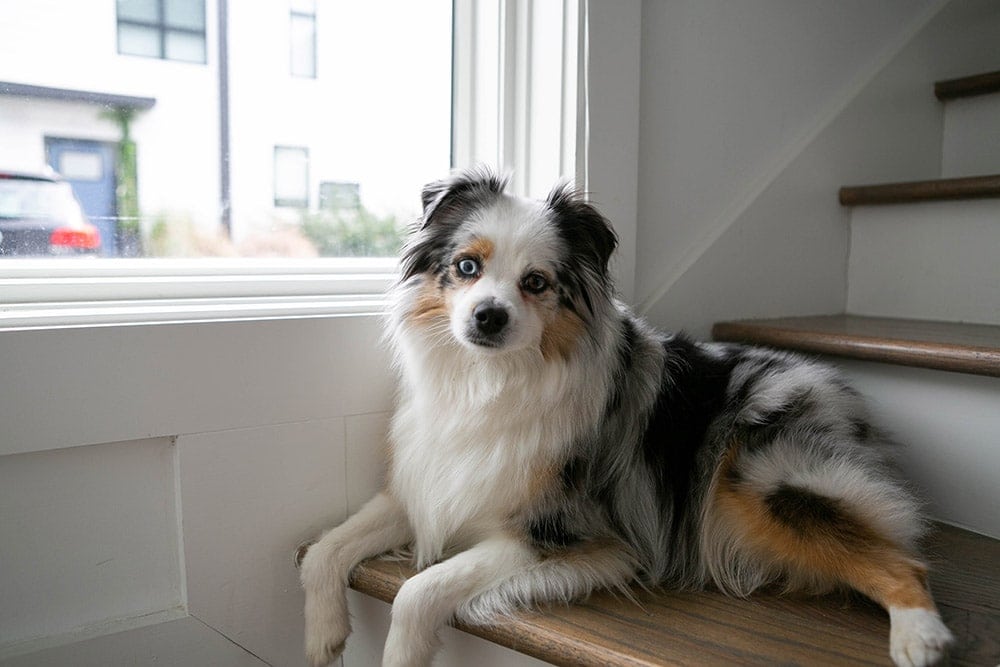
The American Shepherd (or Miniature American Shepherd) is a genuinely brilliant breed hailing from the Australian Shepherd. This little dog was bred in the 1960s and eventually reached its desired size in the 1970s. It is still shown in some competitions in the working breed class. They share many personality traits with their founders, the Australian Shepherd (even their magnificent coat colors), but there are differences.

Personality / Character
The American Shepherd is bright, friendly, and a good family dog with all of the intelligence of a herding breed at just a fraction of the size. The American Shepherd is even more sensitive than the Aussie and can be destructive if they're not given enough mental stimulation. They can (and often do) still retain their herding instincts, so they may corral children and other pets when they feel the urge.
Training 🎾
Training an American Shepherd is easy, as they are eager to please and always want to learn. Their intellect helps them master obedience training with ease, and while they don't do as well at physical trials such as fly ball as the Australian Shepherd, they more than makeup for it in tenacity. American Shepherds are focused, but because of their sensitivity, they may take longer to learn how to ignore certain sounds or triggers.
Health & Care
The American Shepherd has a shorter life span than the Australian Shepherd, although they still exceed the average for a dog of their size (and all dogs in general). They have some health conditions owners need to be aware of:
- Progressive retinal atrophy (wasting of the retina in the eye, causing blindness)
- Resistance to certain medications
- Hereditary cataracts
- Hip dysplasia (painful hip joint dislocation, often on both sides)
They have the same basic health needs as other breeds, including a good diet and hygiene. However, like the Australian Shepherd, American Shepherds need a nutritious diet supporting their active lifestyle.

Grooming ✂️
American Shepherds need to be groomed semi-regularly, as they have long double coats that shed significant amounts twice a year. Daily brushing allows owners to check for any lumps or bumps on the skin and keeps the coat free of tangles and dead hair.
Nail clips and dental hygiene should be upheld, with regular nail trims done to prevent nail overgrowth and daily tooth brushing to prevent dental problems.
Suitable For
The American Shepherd is suitable for families who want a loyal, intelligent dog that dotes on its family and enjoys nothing more than a long game of fetch or rambling walks. This breed would suit families with plenty of time to play with them and provide mental and physical challenges to keep them happy. This breed is unsuitable for less active families, as they need plenty of exercise daily to prevent boredom and destructive behavior.
Pros
- Intelligent
- Loyal
- Devoted to family
Cons
- Needs lots of interaction
- More sensitive than Australian Shepherds
Australian Shepherd Overview
The Australian Shepherd was bred to herd, with the first iterations of the Californian breed appearing in the 19th century after Australian herding dogs were imported into the USA. These dogs are highly intelligent and agile. They often win agility and obedience competitions, particularly fly ball.
Australian Shepherds are still used as working dogs today, which may be why even total homebody Aussies will retain their herding instincts and try to herd anything they can (including kids and other pets). They are chatty, loyal, and focused, but they can be prone to anxiety and destructive behavior if they aren't getting the mental and physical stimulation they need.

Personality / Character
The Australian Shepherd is one of America's most popular dog breeds, ranking 12th in 2023 in the annual data collection by the American Kennel Club, and it's easy to see why. The Aussie is intelligent, quick, and unswervingly loyal, often loving nothing more than spending time with their families or running on a walk.
They aren't as affectionate as American Shepherds are, and they can sometimes be wary of other dogs (and they are usually protective in nature). However, training through socialization can help to give your Aussie the confidence and knowledge to be able to navigate the world with ease.
Training 🎾
There is no easier dog to train than an Australian Shepherd, as their incredible intelligence and focus on a task can mean they quickly pick up obedience commands. They also excel at physical activities such as fly ball and often come in first place in dog competitions.
Health & Care
The Australian Shepherd has a double coat that serves as protection during adverse weather. Their coats should be brushed once a day to prevent matting and tangles. Teeth cleaning should be easy with this dog once you've trained them to sit still and let you do it!
They are, however, more likely to suffer from certain health conditions than other breeds, such as:
- Hip Dysplasia
- Epilepsy
- Deafness
- Blindness

Grooming ✂️
Grooming your Australian Shepherd daily is essential to keep its coat shiny and healthy. Matted fur is a genuine concern, and a good slicker brush will remove any built-up hair and help reduce irritation. Nail clips are a must with this breed since they’re incredibly active. Daily tooth cleaning and routine checks of their skin are also recommended.
Suitable For
The Australian Shepherd is suitable for very active families who want a dog who can do a job. The Australian Shepherd is very affectionate but won't sit snuggled up to you for long. Owners must ensure they can provide all the time and space their Australian Shepherd needs.
Pros
- Good for taking on long walks
- lots of beautiful coat colors
- Very good with kids
Cons
- Needs exercise daily
- Can be noisy and "talkative"
- Has been known to herd other kids and dogs

Which Breed Is Right for You?

When looking at the Australian Shepherd and the American Shepherd, the only significant difference is size. They both have the same beautiful coat colors and markings, except the American Shepherd can express more white in their coats.
They are bright and loyal; however, they aren't commonly used as working dogs anymore.
The Australian Shepherd is steadfast and very vocal, and it will alert you know when something is not right. They are excellent for competitive owners who want to compete in agility competitions and events like jumping, running, and flyball.
Sources
Featured Image Credit: (Top) LNbjors, Shutterstock | (Buttom) Barbel Bauer, Shutterstock
Expert dog care, straight to your inbox
Vet-reviewed advice, training tips, and the best of Dogster. Free, and you can unsubscribe anytime.
By signing up, you agree to our Terms & Conditions and Privacy & Cookies Policy.
Nicole has loved animals of all sizes her whole life so it's no wonder she has dedicated her career to helping them through what she loves best: learning, writing, and sharing knowledge with others. She’s the proud mom of two dogs, a cat, and a human. With a degree in Education and 15+ years of writing experience, Nicole wants to help pet parents and pets around the planet to live happy, safe, and healthy lives.
Join the conversation
Ask a question, share your story, or send private feedback.