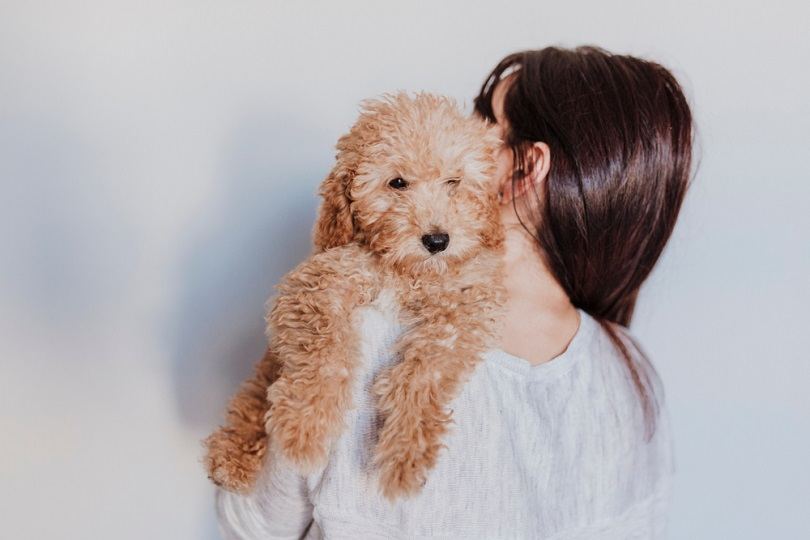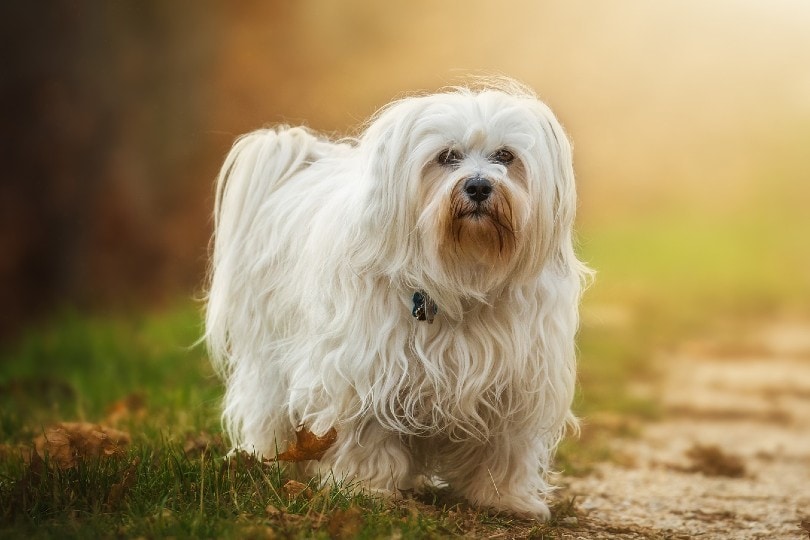
The small but mighty Havanese is a gorgeous dog that has earned its title as the national dog of Cuba. As you’d expect from a canine so well-appointed, the Havanese has a flowing, luscious coat of silken fur. However, Havanese are dogs, so they will still roll in the mud, rush through the bushes, and generally mess up their beautiful coats.
If you own a Havanese, you may wonder how you’re meant to keep their hair from tangling! Luckily, we can help; we’ll take you through 10 top tips on how to keep a Havanese’s hair from matting.

The 10 Tips to Keep Your Havanese’s Fur From Matting
1. Get the Right Equipment
Because of the fine, silky texture of Havanese fur, having the right grooming equipment is essential. In addition, Havanese fur is more likely to mat than other types of fur, so using equipment that can deal with the specific hair type is crucial and will save you lots of time.
There are a few tools that suit the Havanese perfectly, and they’ll help you keep matting to a minimum:
- Pin brush: Since Havanese hair is fine, it builds up static electricity that can contribute to matting. For this reason, brass pins are best, but any machined metal with rounded ends is fine. Ensure the ends aren’t unrounded, as this can be painful for your pup!
- A comb with rounded tines to prevent scratches. Metal is best, as plastic can get easily broken by a stubborn knot.
- Blunt-ended scissors for cutting out any unmanageable knots
- A conditioning or detangling spray

2. Plan Enough Time
A rushed groom is an incomplete one. Havanese dogs need regular grooming, at least once daily if the coat is worn long. These sessions take time! Havanese need to be brushed in a certain way to ensure all the little knots and beginnings of tangles are thoroughly brushed out, and a quick once-over of the top layer of their fur won’t do.
You need to plan grooming sessions so you have enough time for your Havanese to be relaxed during the grooming and so you can locate and tease out any tangled hair before it begins to mat. If your Havanese does get matted, it can be difficult (if not impossible) to groom them out, so taking the time to groom them thoroughly is well worth it.
3. Part the Fur
Havanese have a lot of hair. It’s part of their charm and serves a function in their native home of Cuba. Long, fine, silken hair helps the Havanese stay cool in warm, humid weather, so it helps the breed adapt to the Cuban climate. However, this can make preventing matting more tricky, as these dogs must be groomed in sections to ensure thorough grooming.
Similarly to the point above, Havanese grooms shouldn’t be rushed, so parting the hair into sections and brushing each out, in turn, is important to stop any tangles from becoming mats. Again, using sectioning clips is great for this, but make sure to start at the roots and comb through to catch any tiny knots that could work themselves into larger mats.

4. Brush Every Day
Most Havanese owners will know this one, but it’s important to reiterate it: Havanese must be brushed daily if they have long coats. Their coats are prone to tangling and often get debris stuck to them, so a thorough brushing each day can remove anything stuck in the coat from the day’s adventures and can remove any tangles.
5. Only Keep Collars on When Needed
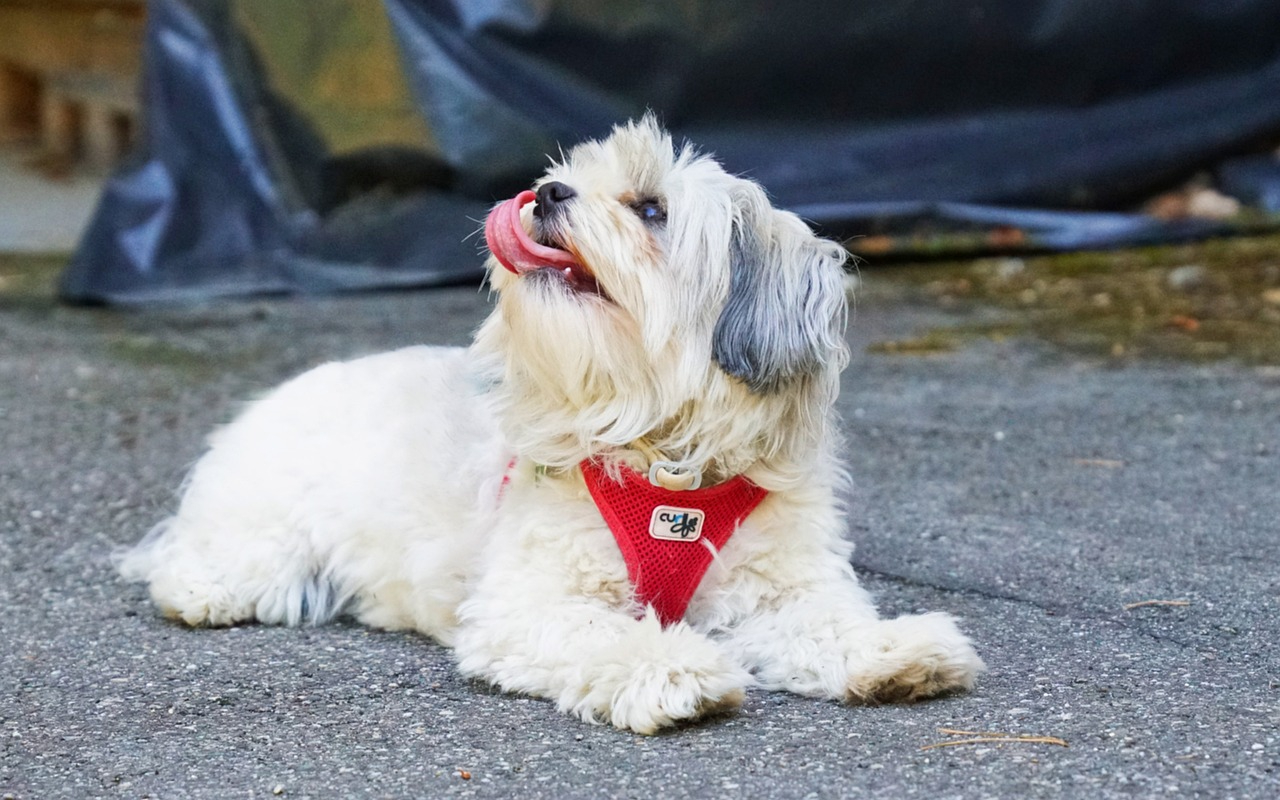
Collars and harnesses can rub against the fur and cause it to tangle due to friction. Make sure you take your Havanese’s collar or harness off when at home and give them a quick once-over with a brush when you do, which can prevent any tangling.
Friction from sitting down or scratching can also cause tangles and matting, so keep this in mind when grooming your dog. Pay attention to “trouble” areas like the neck where their collar would sit so that you can catch any forming tangles.
6. Use Detangling Products
Many detangling products are available for use that can help keep your Havanese’s coat tangle-free. There are conditioning coat sprays that soften and lubricate the hair strands, allowing the hair to slide around each other to prevent static build-up and tangling.
They also help prevent breakage, which can form the bulk of mats when they attract other hair. In addition, many detangling products contain other ingredients for additional benefits, such as improving skin health or coat shine. Ensure the product you pick is non-irritating and non-greasy, as grease can further clump fur and cause tangling.
7. Bathe the Right Amount
Dogs are messy. They love playing in materials like fox poop and mud, and they often need to be cleaned up after walks. Regular bathing is vital to keeping them looking good and feeling great, but you can over-bathe them.
Bathing too often strips the oils from their coat and can leave the skin dry and the hair brittle, which can make it more prone to matting. Not bathing enough can also leave your dog greasy, dirty, and more prone to mating. Balance is key; bi-monthly bathing is recommended, but you can do this less if you think they don’t need it. We don’t recommend washing them any more frequently than this.

8. Deal With Tangles Immediately
Tangles are the beginnings of mats, so dealing with tangled fur as soon as you see it is important. Leaving tangles or clumps of hair will always result in mats, which are bundles of the shed and “live” hair all wound together.
The bigger the tangle, the quicker the mat. Once hair is matted, it can quickly become unmanageable and cause lots of problems, so dealing with any little knots as you see them can prevent matting.
9. Keep It Trimmed
If your Havanese isn’t shown at competitions, or you want to avoid dealing with rigorous grooming regimens, you can try a more manageable style. Puppy or “teddy bear” clips are names given to a short all-over clip that many Havanese have; they’re attractive yet highly manageable cuts that can decrease the likelihood of mats and tangles.
These short hairstyles won’t cause any harm to your Havanese, and they’ll still be able to regrow their coats, so they’ll need tidying up every month or so. If you want to keep your Havanese comfortable but avoid grooming them extensively, a puppy cut might be the answer.
Even clipped Havanese will still need regular grooming to stop mats in the shorter fur, but it’s a much more relaxed affair.

10. Take Your Dog to the Groomer
Above all, if you want to ensure your Havanese doesn’t form mats but don’t feel you can adequately groom them yourself, you should take them to a groomer. This can be costly as most groomers will charge by the hour, but it’ll be much quicker (and more comfortable) being groomed regularly than having an emergency grooming session due to heavy matting.
Grooming trips should be regular, but your Havanese will still need daily grooming to keep them comfortable.

How Can I Keep My Havanese’s Hair Healthy?
You can help to keep your Havanese tangle-free by keeping their coat and skin healthy. The dog’s nutrition plays a big part in this, so ensuring your Havanese has a diet rich in coat-healthy components can nourish them from the inside. Healthy fats, in particular, directly affect a dog’s skin and coat, as omega-3 and omega-6 can reduce inflammation and sensitivity and can support wound healing.
Most high-quality dog food will be well-balanced and contain adequate amounts of skin and coat-supporting ingredients (such as omega-3 and vitamin A), but you could also supplement your dog if you feel they could benefit. Fish oil contains high amounts of omega-3 and omega-6 and is usually well-tolerated by most dogs.
However, always check with a veterinarian first if you want to give your Havanese supplements.
If you need to speak with a vet but can't get to one, head over to PangoVet. It's our online service where you can talk to a vet online and get the personalized advice you need for your pet — all at an affordable price!

Why Is De-Matting Important?
Making sure your Havanese is matt-free is very important because mats are painful, and they can cause sores to develop on the skin, which can quickly get infected. When a dog’s hair gets matted, it pulls on the hair still attached to the skin and collects any hair that would be shed out of the coat.
This hair winds itself around the matt, making it bigger. This cycle continues until whole areas of the coat are matted together!
In extreme examples, dogs can have reduced mobility due to the mats restricting movement or even causing limbs to need an amputation. Mats around the backside of a dog can make it difficult for the dog to poop and can trap pee and poop close to the skin. Open sores can easily become infected in this way and attract flies that lay eggs and breed maggots in the wound.
Matted hair is very painful and dramatically decreases the dog’s quality of life, so every dog should always have its grooming needs met.
Summary
Havanese are beautiful dogs with signature silky coats that need regular grooming to keep them from getting matted. There are several things Havanese owners can do to prevent mats; even something as simple as using the correct grooming equipment can keep your Havanese looking sleek and matt-free.
It’s crucial to keep your Havanese’s coat free of tangles, as matting is a serious issue that can cause medical emergencies in extreme examples.
- See also: How Much Do Havanese Cost?
Featured Image Credit: Ralf Bitzer, Pixabay
 The 10 Tips to Keep Your Havanese’s Fur From Matting