In this article
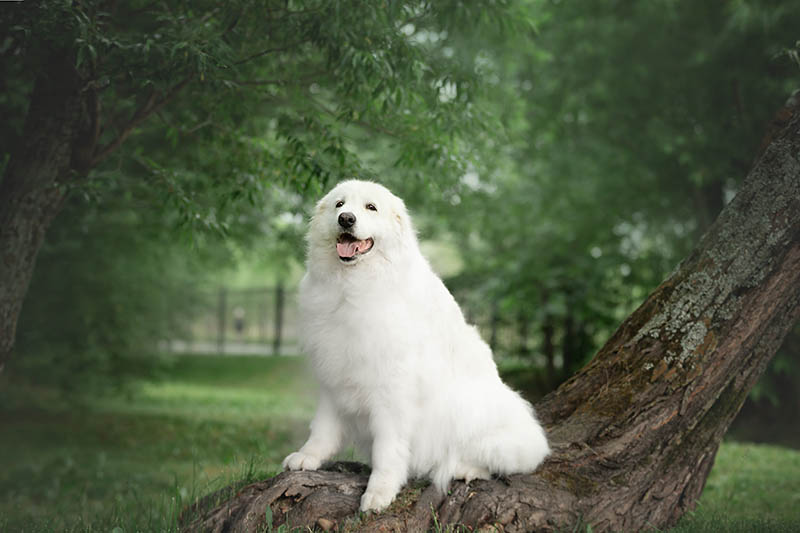
View 8 More +The Abruzzese Mastiff is a large dog with fluffy, light-colored fur. It is descended from ancient shepherd dogs used in Italy’s Abruzzes and Maremma regions. The Abruzzese Mastiff is rare in the United States, so you may know very little about this dog. If you want to learn more, we’ll cover everything you need to know.
Breed Overview
Height:
23.5–29.5 inches
Weight:
65–100 pounds
Lifespan:
11–13 years
Colors:
White, ivory, lemon, or orange
Suitable for:
Active families, families with children, experienced dog owners, multi-pet households
Temperament:
Intelligent, hardworking, and affectionate
The Abruzzese Mastiff is believed to be one of the oldest Italian sheepdogs and was developed over 2,000 years ago. Although it is an ancient breed, it is relatively unknown outside of its native land of Italy. In the past, the Abruzzese Mastiff was primarily employed as a livestock guardian. It would defend animals from dangerous predators, even predators as imposing as bears. While it can still be used as a defender of livestock today, many households enjoy the Abruzzese Mastiff simply for its good company.
Abruzzese Mastiff Characteristics

Abruzzese Mastiff Puppies

The Abruzzese Mastiff is not often seen outside of Italy and is difficult to get a hold of in the United States. Therefore, the chances of finding an Abruzzese Mastiff at your local animal shelter are slim. However, if you are fortunate enough to come across an Abruzzese Mastiff in need of a new home, then the price of your Abruzzese Mastiff will vary depending on your animal shelter’s price points. Generally, dog adoptions cost upwards of $150.
You will likely need to acquire your Abruzzese Mastiff from a breeder. To do so, do thorough research to find a trusted, responsible breeder. The Abruzzese Mastiff’s price may range between $600 and $800, which is less expensive than some breeds. However, the rarity of this breed may make it exceptionally difficult to find a breeder specializing in the Abruzzese Mastiff.
Before bringing your Abruzzese Mastiff home, there are some upfront costs that you will need to be able to cover. This includes food, feeding bowls, drinking bowls, toys, leashes, collars, and more. Depending on the quality of these items, these initial expenses can easily cost a few hundred dollars.

Temperament & Intelligence of the Abruzzese Mastiff
The Abruzzese Mastiff was bred to be the guardian of the flock and is an even-keeled, docile dog. It will think before it acts, yet it acts decisively. They are hardworking and love to have a job. They are exceptional team players since the breed was developed to work in groups when defending livestock from predators. In short, the Abruzzese Mastiff is friendly, devoted, and unwaveringly courageous.
Are These Dogs Good for Families? 🧑🧑🧒
The Abruzzese Mastiff’s protective nature around livestock extends to its family. They are excellent guard dogs while still having a friendly disposition. The Abruzzese is remarkably devoted to their loved ones and will shower their family with affection. While it may be wary around strangers, the dog will warm up to newcomers over time. The Abruzzese is known to tolerate small children, but as with any dog, training, socialization, and supervision will still be necessary.
Does This Breed Get Along with Other Pets?
The Abruzzese Mastiff was bred to work in groups, so it is adept at adjusting to the presence of new animals in the home. Although it may be somewhat hesitant at first, it tends to be friendly and welcoming to other animals after a while. However, adequate socialization and proper introductions will be necessary to ensure that all your pets can coexist harmoniously. Always supervise your Abruzzese Mastiff’s interactions with other pets, especially smaller animals whom a larger dog may accidentally injure.
Things to Know When Owning an Abruzzese Mastiff
Food & Diet Requirements 🦴
Since the Abruzzese Mastiff is a larger dog, you must feed it a diet that provides it with a proper amount of calories. The diet for the Abruzzese Mastiff should be high-quality and contain a healthy source of protein and fat. Your dog’s meals should also include a proportional amount of vitamins and carbs.

Exercise 🐕
Since the Abruzzese Mastiff is a hard-working sheepdog developed to fight off powerful creatures such as bears, it stands to reason that this dog requires a lot of exercise to maintain a healthy body weight and musculature. At a minimum, the Abruzzese Mastiff should get 2 hours of daily exercise.
Since the Abruzzese Mastiff needs such high levels of activity, it thrives best in active households where it can be taken on long, brisk walks, jogs, or other rigorous activities. Similarly, the Abruzzese Mastiff needs a large open space like a fenced-in yard. It does not do well in apartments or other cramped living situations.
Training 🎾
The Abruzzese Mastiff is friendly and cooperative but can also be independent. This can make the breed difficult for first-time dog owners to train, so it is only recommended for experienced owners who can be firm and consistent.
Abruzzese Mastiffs must be regularly socialized in order to grow accustomed to unfamiliar people, pets, or experiences. Without this socialization, the Abruzzese Mastiff will struggle to adapt to new circumstances, which may lead to an aggressive or fearful dog.
Simple commands such as come, sit, stay, and heel must be taught to the Abruzzese Mastiff. While training, focus on positive reinforcement rather than harsh words or punishments, which are ineffective and may sabotage your training progress.
Grooming ✂️
The Abruzzese Mastiff has moderate grooming needs. You will need to brush its fur several times per week to keep the skin and coat healthy and clean, and you should also brush its teeth regularly.

Health and Conditions 🏥
The Abruzzese Mastiff is generally considered healthy; however, like most dogs, it is prone to certain conditions.
Minor Conditions:
During your Abruzzese Mastiff’s growth stage, there are a few developmental conditions that you will want to watch out for. These are hip dysplasia and elbow dysplasia. Both conditions relate to the abnormal development of the joints that impede their specific function.
- Occasional or frequent lameness
- Limping without injury or “bunny hopping” while running
- Unable to stand without difficulty
- Sitting in strange positions
- Struggling to get on and off of furniture, climb stairs, or enter and exit the car
- Popping or cracking sounds coming from the joint during movement
- Swollenness around the elbow
- Lameness or limping
- Thickness of the affected joint
- Impeded range of motion
- Pain when moving the affected joint
- Unwilling to play or run
Serious Conditions:
One of the most concerning conditions the Abruzzese Mastiff is prone to is bloat. After eating, your Abruzzese Mastiff’s stomach may become expanded with food or gas. In minor cases, this leads to abdominal pain. In severe instances, the abdomen distends until it restricts blood flow to other body parts, sending your dog into shock. If you suspect that your dog is experiencing bloat, go to your vet immediately. This condition can become rapidly fatal.
- Enlargement of the abdomen
- Protectiveness of its stomach, such as guarding or focusing on the abdomen
- Dry heaving
- Spitting out white foam
- Panting and drooling
- Paleness of the gums
- Rapid heartbeat
- Anxious behavior such as pacing and fidgeting
- Collapse

Male vs Female
The differences between the male and female Abruzzese Mastiff are minimal. On average, the male Abruzzese Mastiffs are larger than the females.
3 Little-Known Facts About the Abruzzese Mastiff
1. The Abruzzese Mastiff Is Known by Many Names
Some of the most common names include the Abruzzo Sheepdog and the Maremma Sheepdog.
2. It Has Many Ancestors
It is believed that the Abruzzese Mastiff is descended from the Alabai, the White Greek Shepherd, and other various breeds.
3. They Look Like Mini Polar Bears
The Abruzzese Mastiff has a large head, similar in shape to a polar bear.
Conclusion
The Abruzzese Mastiff is a remarkable, rare dog with a long history of defending livestock in Italy. The breed has natural guardian instincts that can help protect your family, making it an excellent guard dog. Plus, the Abruzzese Mastiff’s friendly disposition makes it a great candidate for a family dog.
The best owners for an Abruzzese Mastiff are highly active, experienced dog owners with a lot of outdoor space for their dogs to run around. Without these qualities, the Abruzzese Mastiff is unlikely to thrive and reach its full potential.
If you think the Abruzzese Mastiff is right for you and your family, you will have more luck searching for a breeder than visiting an animal shelter. While searching for your Abruzzese Mastiff, have patience and seek a responsible, ethical breeder rather than jumping at the first opportunity. Although the Abruzzese Mastiff may be difficult to find, waiting for a happy, healthy dog is worth the wait.
Featured Image Credit: Anastasiia Cherniavskaia, Shutterstock