In this article
View 8 More +If you love history as much as dogs, the Native American Indian Dog (NAID) might be the pet for you. They’re modeled after the dogs who lived with ancient North American native tribes and are a relatively new and rare breed. Keep reading to learn the mysteries behind the Native American Indian Dog!
Breed Overview
Height:
21–30 inches
Weight:
45–120 pounds
Lifespan:
14–17 years
Colors:
White, gray, sable, red, black, or various colors on a white background
Suitable for:
Experienced dog owners, active people, families with older children
Temperament:
Sensitive, intelligent, athletic, protective, social, good with other pets
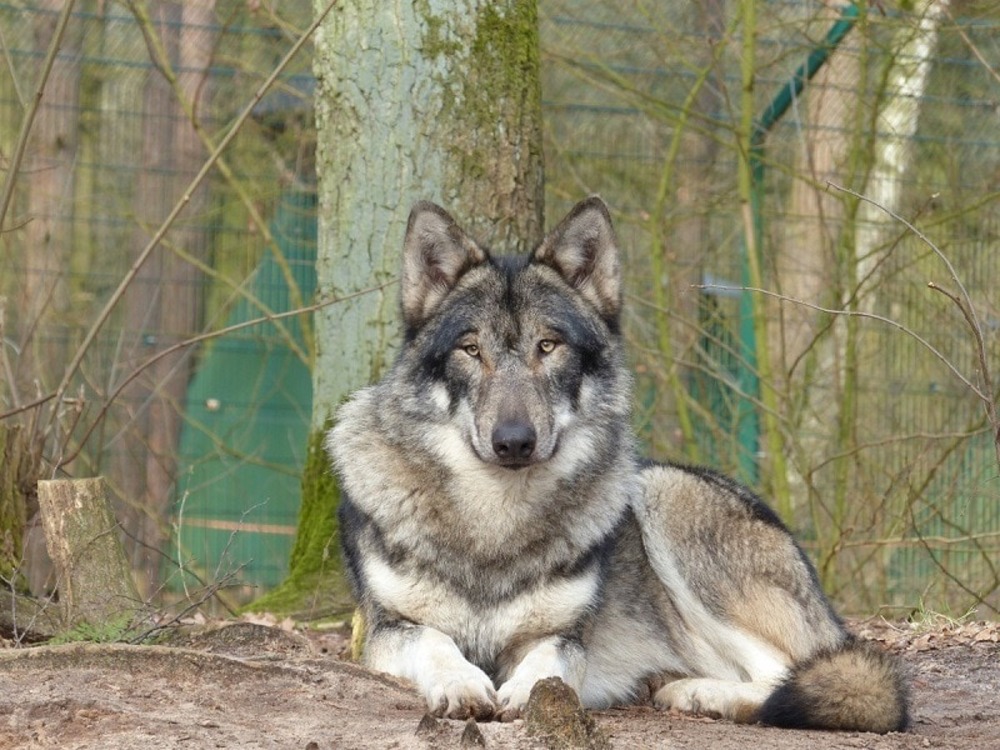
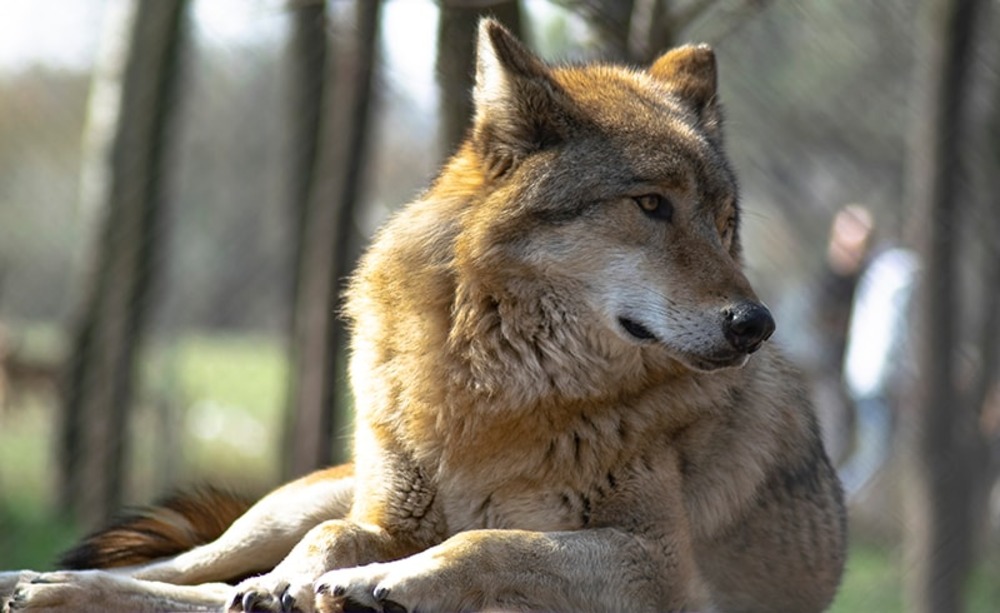
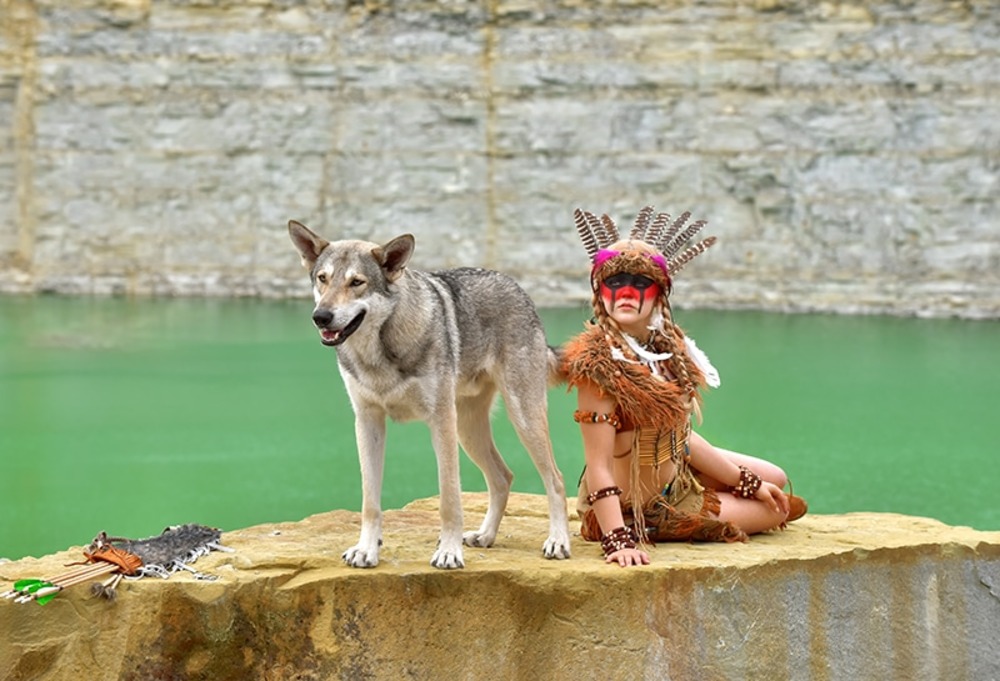
Modern Native American Indian Dogs were developed to preserve and imitate the loyal companions who made life easier for native tribes of North America. These beautiful dogs look like wolves, but they aren’t related to them.
With truly extraordinary brains and personalities, the Native American Indian Dog is the picture of a versatile companion animal. However, their rarity and lack of official recognition probably hinder them from becoming more popular. In this article, you’ll learn about the history, traits, and care of the Native American Indian Dog.
Native American Indian Dog Characteristics

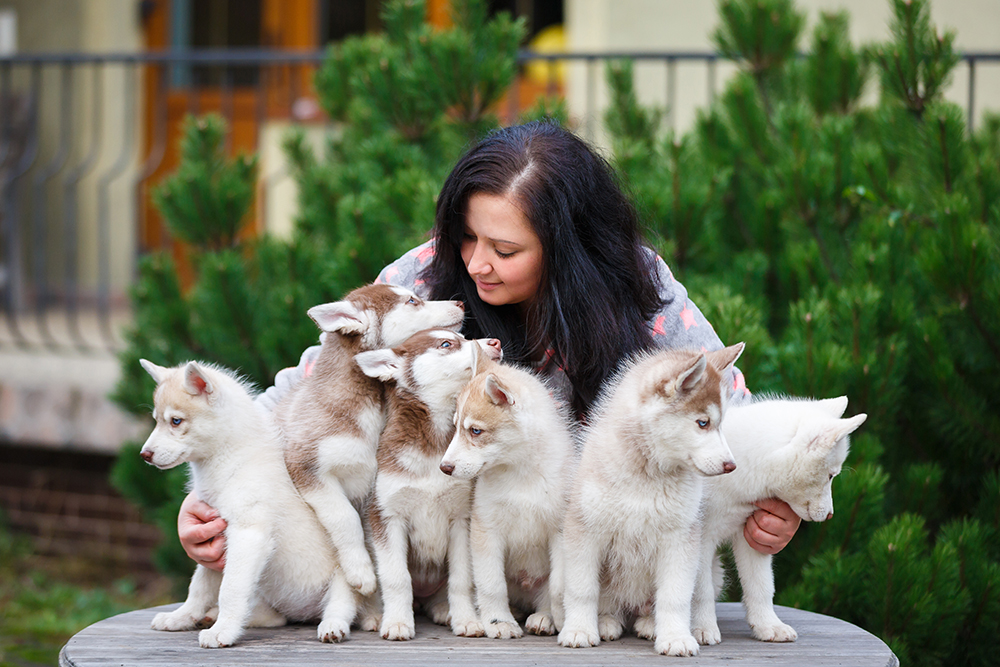
Native American Indian Dog Puppies
Native American Indian Dogs are an incredibly rare breed still being developed, and major dog registries like the American Kennel Club do not recognize them. Because of that, you should be prepared to search long and hard for a breeder and most likely put your name on a waiting list for a puppy.
Because the NAID closely resembles other breeds like the Siberian Husky and wolf hybrid, unethical breeders may try to sell them as Native American Indian Dogs. Look for breeders who perform genetic testing and offer proof that they’re selling a true NAID.
Native American Indian Dog puppies should receive consistent socialization as soon as they join your family. As a breed, they’re prone to being shy with strangers, and socialization can help build their confidence and prevent future problems. These intelligent dogs will also benefit from puppy training classes.
Avoid using harsh tones or punishment with NAID puppies due to their sensitive nature. Focus on building a bond with your pet, and don’t do anything that might damage your fledgling connection.
Native American Indian Dog Origin & History
The modern Native American Indian Dog is modeled after dogs used by Native American tribes in what is now the United States. Before European settlers brought horses to the continent, dogs were used to pull sleds.
They also served as guardians, hunting partners, and companions. It is believed that these original dogs existed in North America as early as 30,000 years ago. However, the original breeds interbred with dogs introduced from Europe, and most eventually went extinct.
In the late 20th century, a few breeders set out to recreate and preserve a dog similar to the historical Native American breeds. The Native American Indian Dog is the result of that effort.

Temperament & Intelligence of the Native American Indian Dog
The Native American Indian Dog is highly intelligent, incredibly loving, and affectionate to their family. They bond closely with their humans and are eager to please. They can be protective and shy with strangers, especially if not well-socialized.
Just like their ancestors, the NAID is a very versatile dog that can be trained to perform many tasks. They are a social breed that enjoys the company of humans and other animals. Many prefer to live as part of a pack rather than as an only dog.
They’re loyal and playful and make excellent companions for the right owners. However, they’re prone to being sensitive and will not respond well to negative interactions or angry words.
Are These Dogs Good for Families? 👪
Native American Indian Dogs are fantastic family pets. They are playful but gentle and make ideal companions for children. However, their size and sensitivity make them a better match for families with older, dog-savvy children. The NAID has a protective streak that makes them watchful over the kids, and it is vital to teach the dog that friends of the family are not threats. As always, kids and pets should always be supervised when interacting.
Does This Breed Get Along with Other Pets? 🐶 😽
Native American Indian Dogs not only get along with other pets but often do better with canine companionship. They get along well with other dogs and a diverse array of animals, including livestock.
Any dog may instinctively chase cats who act like prey, and you’ll have to supervise the NAID with the family feline until everyone gets used to each other. Birds and small exotic pets should typically be kept separate from the NAID to prevent a predator stress response.

Things to Know When Owning a Native American Indian Dog
If you’re on a waiting list for an NAID puppy, you never know when that call might come to bring your new pet home. Here’s what you need to know about owning a Native American Indian Dog.
Food & Diet Requirements 🦴
You can feed your NAID a balanced diet formulated for their appropriate life stage. Quality, commercial dog food should provide all the nutrients your dog needs to stay healthy. If you want to cook a homemade diet for your dog, ask your veterinarian for assistance to ensure it is properly balanced.
Otherwise, your NAID can suffer from nutritional deficits. Your veterinarian can also help you calculate how many calories your dog should eat each day. Because NAIDs come in a wide range of sizes and activity levels, the amount of food they need will also vary.
Exercise 🐕
Native American Indian Dogs are active dogs with a moderate energy level. They do not do well in apartments or small spaces but prefer access to a fenced yard. They need about 45 to 60 minutes of exercise each day, and they’re a better fit for active families and individuals.
The NAID likes joining family hikes or playing in the backyard with the kids. Because of their intelligence, they can also learn and participate in many organized canine sports, like agility.
Training 🎾
Native American Indian Dogs are pleasant to train because of their intelligence and desire to please. However, due to their intelligence, they can be a bit strong-willed without consistent training and guidance. They are smart enough to solve their own problems or make them if their brains aren’t channeled in positive directions.
The NAID will respond best to positive reinforcement training methods rather than punishment or harsh treatment. You can provide regular opportunities for mental stimulation to keep the Native American Indian Dog busy and enriched.
Grooming ✂️
The Native American Indian Dog comes in two coat lengths, both with a protective undercoat. You’ll sometimes see them referred to as a “hypoallergenic” breed, but that is a bit misleading. They don’t shed as much as you might expect based on their often-shaggy coats, but no dog is truly hypoallergenic.
If you have dog allergies, the low-shedding NAID might be less likely to trigger your signs, but the only way to know for sure is to spend time with one.
The NAID has minimal grooming requirements. Brushing their coats a few times a week will keep their skin and fur healthy while removing dead hair. They also need their nails trimmed and their ears checked regularly for dirt or infections.
Brushing their teeth every day is ideal, but at a minimum, it is best to brush them at least twice weekly.
Health and Conditions 🏥
One positive aspect of the Native American Indian dog’s rarity is that they’re incredibly healthy. Experienced breeders prioritize their dogs’ health and focus on minimizing inherited genetic conditions.
- None
- Hip dysplasia
Male vs Female
Male Native American Indian Dogs are taller and heavier than the females, sometimes by quite a bit. Larger males can weigh over 100 pounds, but females only weigh around half as much.
Keep this size difference in mind when deciding whether to get a male or female dog. If you’re waiting for an NAID puppy, however, you may not get to be as picky about the dog’s sex as you would with other, more common breeds.
3 Little-Known Facts About the Native American Indian Dog
1. They Have a Diverse Genetic Ancestry
Native American Indian Dogs were developed from several ancient breeds, some of which are now extinct. They may also have wild canine blood from coyotes and gray wolves. Several other breeds, including Huskies, Malamutes, and similar types, were used to develop the look of the modern NAID.
2. One Kennel Was Primarily Responsible for Resurrecting the Breed
In the mid-1990s, a breeding operation called Majestic View Kennels was tasked with developing and purifying the Native American Indian Dog. Many NAIDs used for breeding are related to the Majestic View dogs.
3. Similar Breeds Were Developed from Native American Dogs
The NAID is not the only breed based on ancient Native American dogs. Other rare breeds, such as the American Indian Dog and Native American Village Dog, are similar to NAIDs. None of these breeds is officially recognized by a kennel club yet.

Final Thoughts
The Native American Indian Dog is the definition of a rare gem. They’re sweet, gorgeous, smart, and loving, and they make excellent companions for individuals and families. However, they’re best suited to homes with space for them to run in a fenced yard and owners who are comfortable socializing and training their dogs.
Finding a Native American Indian Dog for sale requires patience, but you may find that the effort is well worth the wait.
Featured Image Credit: MRCat, Pixabay