In this article
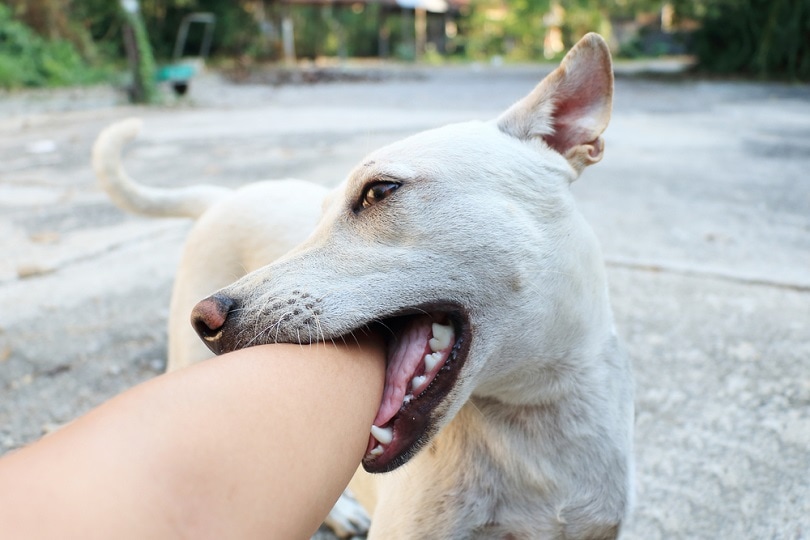
Every year, approximately 4 million Americans are bitten by dogs. Of those, 800,000 need medical treatment for their wounds.1 Any dog, no matter how big or small, can bite. Even if your dog isn’t fighting, there may be cases where you are accidentally bitten while your dog is trying to grab a toy or treat out of your hand. Every dog bite carries a risk of infection, so knowing how to clean a bite wound, no matter why it happened, is essential.
In this article, we’ll discuss the steps to take after a dog bite and how to assess and clean the wound. We’ll also look at signs that the bite wound requires medical treatment and what to do if your dog bites another dog. Read on to learn more about how to clean a dog bite and what supplies should be in your home in case this occurs.

If You Are Bitten by Your Own Dog
Your dog should be up to date on their vaccinations, including for rabies. Rabies is a serious and deadly disease that affects the central nervous system and causes disease in the brain. It can be spread to people and animals through bites and scratches of infected animals. Vaccines prevent this disease, so your pets should remain current on all their shots each year. If a person doesn’t get proper treatment for rabies in the appropriate time frame, they will die.
If your dog bites you and you know they are up to date on their vaccines, you can assess the wound and decide how to proceed. However, some dog bites occur from stray dogs or dogs that belong to family and friends.
If You Are Bitten by a Dog That Is Not Yours
If you know the dog’s owner, ask for proof that the dog is vaccinated for rabies so you don’t have to worry about contracting it. If the dog appears healthy but you cannot get proof that they are vaccinated, the dog can then be held in quarantine for 10 days at a local animal control facility. This is to watch the signs of the disease. If no signs of illness appear within the 10-day time frame, you will not need to seek treatment for rabies. In the United States, no one has ever contracted rabies from a dog in quarantine for 10 full days. If the dog starts showing signs of rabies within 10 days, you will need treatment for rabies, too.
If the dog is suspected to be rabid or showing signs of being sick at the time of the bite, you will need immediate treatment for rabies. If the dog was a stray and has left the area, contact your local public health officials and consider immediate treatment for rabies.
How to Clean a Dog Bite
Dog bites can cause severe and painful injuries. All bites should be cleaned thoroughly because a dog’s mouth contains bacteria. Once bacteria enter below the skin’s surface, they can rapidly spread and lead to severe infections. Approximately 15%–20% of dog bite wounds become infected.1
If your wound is treatable at home, here are the steps to clean it properly.
1. Wash the Wound
The first thing you should do is wash the wound with soap and water. Clean as much as you can, even inside the wound. Once you’ve cleaned the entire area, rinse it thoroughly with water, making sure to remove all the soap. Ideally, use an antibacterial soap such as chlorhexidine or povidone-iodine.

2. Stop the Bleeding
If the wound is bleeding, you should apply even pressure with a clean towel. Most bleeding will stop within 5 minutes. If it does not stop or slow during this time, seek professional care.
3. Use an Antibiotic Ointment
If the bleeding has stopped or slowed significantly, apply an over-the-counter antibiotic ointment to the affected area. This will kill bacteria and help prevent an infection from occurring. Be sure to use clean hands to apply the ointment to avoid risking recontamination.

4. Apply a Bandage
Use a sterile bandage to cover the entire wound. If the bandage doesn’t cover the wound, you can use several bandages or gauze pads and medical tape if you have it.
5. Change the Bandage or Dressing
Change the bandage a few times each day to keep your wound clean and check for any changes. You can remove the bandage if the wound is no longer oozing. The wound will heal faster if it’s exposed to the air. If you’re leaving the wound uncovered, be sure to continue to clean it regularly each day with soap and water. If you’re covering the wound again, clean it before the next bandage is applied.

6. See Your Doctor
Even if you’re feeling fine, visiting your doctor for any bite wound that breaks the skin is a good idea. This is especially important if the wound is deep, near a joint, or the bleeding won’t stop. Seeing a doctor is the best way to know if the wound needs further treatment. Deep puncture wounds may require stitches to close, and your doctor may give you oral antibiotics to make sure an infection doesn’t develop.
7. Monitor the Wound
As your bite wound is healing, pay attention to it. If the wound becomes infected, you’ll notice symptoms and signs. Pay attention to how you’re feeling. If the wound is infected or you’re feeling weak and feverish, see your doctor immediately.
Signs and symptoms of wound infection include:
- Redness
- Pain
- Swelling
- Pus or fluid oozing from the opening
- Tenderness
- Loss of feeling around the wound
- Red streaks on the skin around the bite, tracking
- Chills
- Fever
- Trouble breathing
- Muscle weakness
- Swollen lymph nodes
Seek medical treatment immediately if you notice any of these symptoms.


If Your Dog Is Bitten by Another Dog
The same rules apply to your dog as they do for you regarding rabies. If you know the owner of the dog that bit your dog, ask for proof of current vaccinations. If it can’t be provided, talk to your vet about treatment options for your dog’s open wounds. If you can, take pictures of the dog and the owner, so you can identify them later if necessary.
It’s important to have the bite wounds on your dog, no matter how mild you think they are, examined by your veterinarian. If the wounds are deep and bleeding heavily, go straight to your local emergency vet.
Bite wounds on a dog can heal with the skin closing but can also trap any bacteria underneath it. This forms a pocket that can quickly turn into an abscess. Other risks to your dog include bone and joint infections, tissue infections, and crush injuries.

Cleaning the Wound
If the bite wound on your dog isn’t an emergency and you can’t get to your vet immediately, you can gently wash the wound with antibacterial soap and water. Dab the area dry with a clean towel, and use an antibiotic ointment on the wound covered with a sterile gauze pad.
It’s essential to stop your dog from licking or chewing at the wound. They also can’t eat the antibiotic ointment. If the wound is in a spot that your dog can reach with their mouth, they may need to wear an e-collar while the wound is healing. Your vet may also prescribe antibiotics and pain relief that should be given to your dog according to the directions.
Preventing Dog Bites
Dogs have prey drives and like to chase moving objects. Usually, this includes small animals and birds, but it can also include children. Small children should not scream, run around, or hug dogs. Teach your children to be calm and stay near you if an unfamiliar dog approaches them. They should also learn the signs of stress in a dog before a bite: whale eye, head turning, yawning, tense mouth, appeasement lick, and lifting paws.
Dogs should be greeted slowly and only with approval from their owner. They should never be reached for or touched when they aren’t expecting it. Allow the dog to smell you first. Don’t approach dogs that are not familiar to you or allow children to play with dogs unsupervised. If a dog is eating, sleeping, or caring for puppies, don’t disturb them.
Immediately report any stray dogs in the area, especially if they look aggressive or sick.

How to Tell If a Dog May Bite
Dogs don’t usually bite without sending warning signals before they do. We must recognize these signals to protect ourselves, our children, and our pets. Most dogs will not seek out trouble and prefer to avoid aggressive situations. When dogs bite, many do so because they are scared or anxious and feel they have no other choice.
Watch for signs of fear and anxiety in your dog and any that you encounter outside. Obvious signs that a dog will bite are aggressive behaviors. Growling, snapping, jumping, snarling, and showing teeth are clear signs that a dog should be avoided.
The signs aren’t as obvious when a dog is scared. Look for excessive licking of the lips, yawning, flattened ears, and trying to move away. If a dog is crouched down with their tail between their legs, they are not feeling secure. If you notice these signs, put as much distance as possible between you and the dog. If you are with your dog, quickly move them away and leave the area.
Summing Up
Dog bites are serious and should be treated right away. Cleaning the wound, stopping the bleeding, and applying a bandage should all be done as soon as possible. Wounds should be thoroughly cleaned to avoid infections, but you should see your doctor after a bite that breaks the skin. They will decide if you need antibiotics, stitches, or further treatment. Then, it’s important to monitor your wound for signs of infection. It’s vital to review the signs a dog shows before they bite so you can be aware of the threat and get yourself and your dog to a safe area.
Related read:
Featured Image Credit: meawtai99, Shutterstock