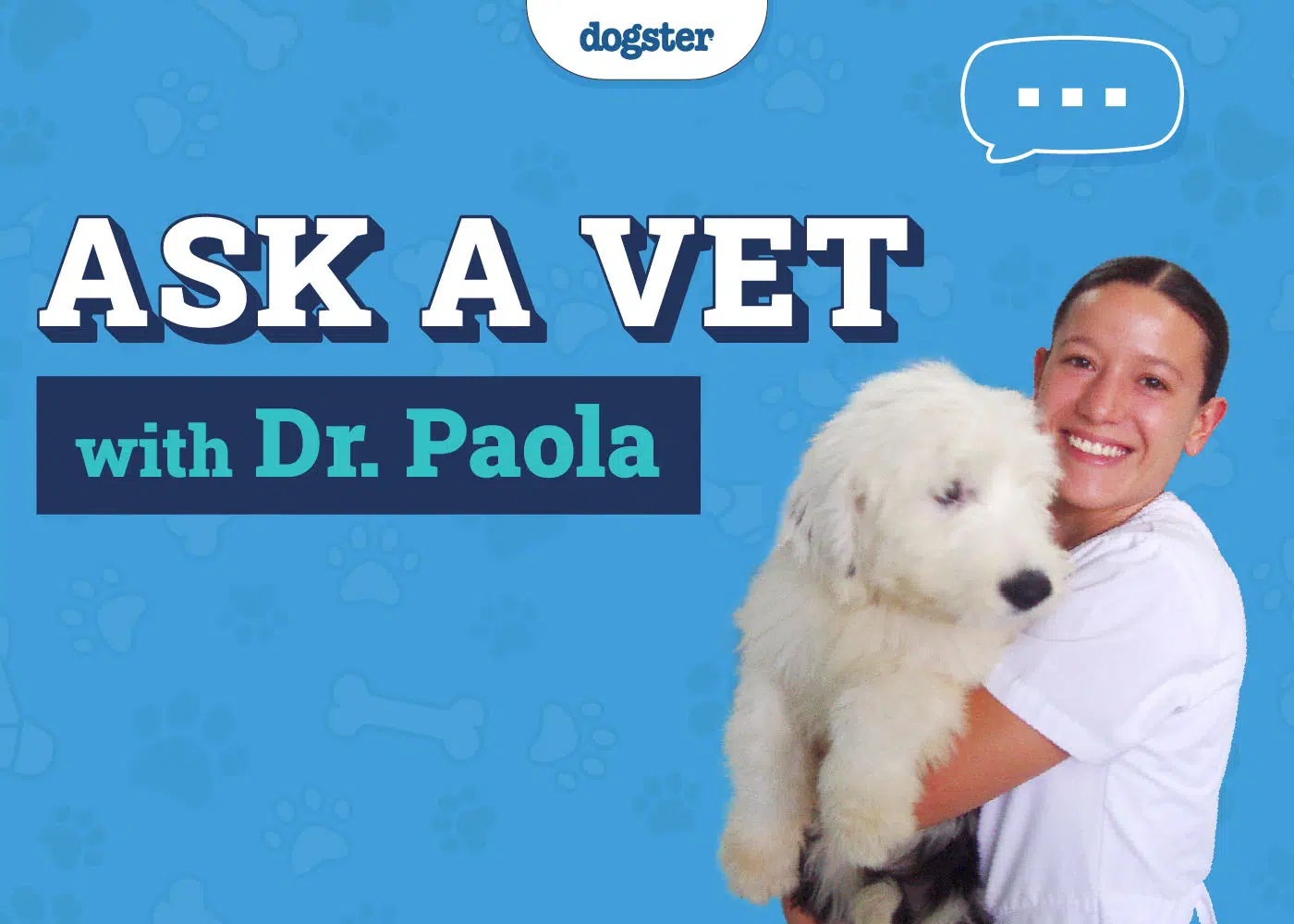
Welcome to our “Ask Dr. Paola” series, where every Monday we bring expert advice straight from Dr. Paola Cuevas (MVZ) to help our readers better understand their dog’s health and well-being.
Whether you’re a new pet parent or a seasoned dog lover, Dr. Paola is here to provide answers to your most pressing questions. From nutrition tips and preventive care to troubleshooting common behavioral issues, Dr. Paola is ready to offer insights that will keep your furry friend happy and healthy. Stay tuned for expert guidance on a range of topics that matter most to you and your dog, so you can make informed decisions and provide the best possible care for your canine companion. Have a question? Send it in here!

Help! My Dog Has Allergies!
“Hi Dr. Paola!
Peyton is my 7-year-old Schnoodle. I was wondering which foods would be good for him, as he has allergy issues.”– Regina
Hi Regina,
When a dog like Peyton struggles with allergy-related skin or digestive issues, choosing the right food becomes a bit like solving a puzzle. The immune system reacts to certain proteins as if they were unwelcome visitors, and this reaction shows up as itching, ear trouble, or stomach upset. The most reliable way to sort things out is through an elimination diet. This means feeding a single carefully chosen protein source, either one your dog has never eaten before or one that has been broken into very small pieces through hydrolysis. Because the immune system cannot easily recognize these tiny protein fragments, the body has a chance to settle, much like calming choppy water so you can finally see what lies beneath.
Once the diet is in place, you simply allow time for the body to respond. Most dogs begin to show improvement within several weeks, although a full eight-week trial gives the clearest answer. During this period, every treat, chew, and flavored medication must match the diet because even a small exposure to the old ingredients can cloud the picture. When done correctly, this approach helps pet parents understand whether food is the true trigger or if environmental factors like pollen or dust mites are playing a bigger role.
For many pet parents, this process offers clarity and relief. Instead of guessing which ingredients might be causing trouble, the elimination diet provides a structured, evidence-based way to give the immune system a reset. It is a great method that, if applied with consistency, pays off with healthier skin, a calmer gut, and a much more comfortable companion. If you need further support or have any other specific questions, please give us a call at PangoVet. We would be happy to help.
Kind regards,
– Dr. Paola

If you want real time answers to your questions, you can talk to one of our veterinarians online. Click on the image or button below:

Help! What Should Be in a Pet’s First Aid Kit?
“Hi Dr. Paola,
Can you list the contents of a basic, intermediate, and advanced first aid kit for dog owners? And possibly create a checklist of medical issues that can be:
– treated by owner
– should be consulted with a vet
– MUST be seen by a vet
– Pet Emergencies – Do This NOW!My daughter fosters dogs (God bless her happy little heart!), and I’m preparing a basic canine first aid kit, but would like some advice/guidance on ‘must-have’ vs ‘good-to-have’ gear.
Thank you for making pets’ lives better, which helps humans live a better life, too.“ – Thom
Hi Thom,
Let’s see… a well-prepared first aid kit works a bit like a toolbox for unexpected moments, and it grows in complexity depending on how much hands-on care a family routinely provides. A basic kit usually includes clean saline for gentle wound flushing, non-adhesive bandage pads, rolled gauze, adhesive tape, blunt tip scissors, tweezers, a digital thermometer, disposable gloves, and an appropriately sized muzzle because even the sweetest dog may react when painful. An intermediate kit adds sterile lubricant for thermometers, a soft Elizabethan collar, a thicker assortment of bandaging materials, chlorhexidine solution for skin cleaning, an instant cold pack, electrolyte powder made for veterinary use, and a small flashlight to check the mouth or paws. An advanced kit resembles what a foster home might keep and includes a stethoscope, tick removal tool, nail cautery agent, honey or sugar gel for mild hypoglycemia in tiny patients, sterile eye wash, and a properly stored supply of any medications a veterinarian has prescribed for recurring conditions.
Understanding what an owner can safely manage at home helps prevent both over-treatment and dangerous delays. Minor issues such as small superficial scrapes, isolated mild diarrhea with normal hydration, or a single vomiting episode in an otherwise bright dog can usually be managed by owners using gentle cleaning, hydration support, and close observation. Situations that call for veterinary guidance include recurring gastrointestinal upset, wounds deeper than the skin surface, limping that lasts longer than a day, or swelling of the face or paws, because these can progress if the underlying cause is not addressed. Problems that require a direct and timely veterinary exam include difficulty breathing, repeated vomiting, collapse, persistent bleeding, ingestion of toxins, seizures, or any sudden change in mental state, since these reflect conditions that can worsen rapidly without intervention.
True emergencies are moments when prompt action protects life before the veterinary team takes over. If a dog stops breathing or has no detectable heartbeat, immediate cardiopulmonary resuscitation following approved veterinary CPR guidelines is critical while someone else contacts the nearest emergency clinic. In the case of heatstroke, rapid but controlled cooling with room temperature water and transport to a clinic can limit organ damage. If a dog has eaten a known toxin, calling a poison control line while beginning transport ensures that treatment starts quickly. Thinking of the first aid kit as a safety net rather than a substitute for professional care helps pet parents act confidently, and it brings a sense of calm, much like knowing a well-stocked kitchen lets you prepare a meal even on a busy night.
I hope this helps!
– Dr. Paola

Help! My Dog Eats Too Quick!
“How can I stop my dog, Penny, from eating so fast? She always acts like she’s starving. She has cerebellar hypoplasia, so a bowl to slow her down is not an option. I also feed her a low-calorie dog food as suggested by her vet.” – Sheila
Hi Sheila,
Helping a dog with cerebellar hypoplasia eat at a calmer pace often requires a bit of creativity, especially when standard slow-feeder bowls are difficult for her to manage. Dogs who appear constantly hungry can be compared to a person rushing through a favorite meal; the excitement takes over before the body has time to register that food is coming. Offering Penny her meal in a way that naturally encourages slower, more controlled movements can make a noticeable difference. Spreading her kibble thinly across a large baking sheet or a shallow tray creates a wider foraging surface that is easier for dogs with coordination challenges and encourages her to pick up small amounts at a time. Some caregivers also find success with placing her food in several small piles across the room so she walks a little between portions, which mimics grazing and slows the pace without increasing her calorie intake.
You might also consider feeding her more frequent, smaller meals throughout the day since this can reduce the intense anticipation that builds before each feeding. A snuffle mat made from soft fleece can be an option as long as you choose one that is very stable and low profile, allowing Penny to nose through without losing her balance. These approaches rely on normal canine foraging behaviors, much like scattering seeds for birds encourages natural searching rather than rapid gulping. If Penny is acting as if she is constantly hungry despite a veterinarian-approved low-calorie diet, it is worth exploring whether her current food is truly satiating. Diets higher in fiber can increase a sense of fullness, and some therapeutic weight management formulations are designed specifically with this effect in mind. You can confirm with her veterinarian whether a higher fiber option is appropriate for her medical history. If meal pacing continues to be difficult, or if you are ever concerned that her drive to eat feels excessive compared with her calorie intake, please feel free to give us a call at PangoVet with more specifics, and we will do our best to provide more personalized suggestions or considerations you might wish to explore.
Best wishes,
– Dr. Paola
- View past week’s questions here: December 1, 2025
- See our full list of past articles here
- Click here to submit a question
- Get Dr. Paola’s weekly advice sent straight to your inbox. Sign up below!
 Help! My Dog Has Allergies!