9 Fascinating Dog Poop Facts (Vet-Reviewed)


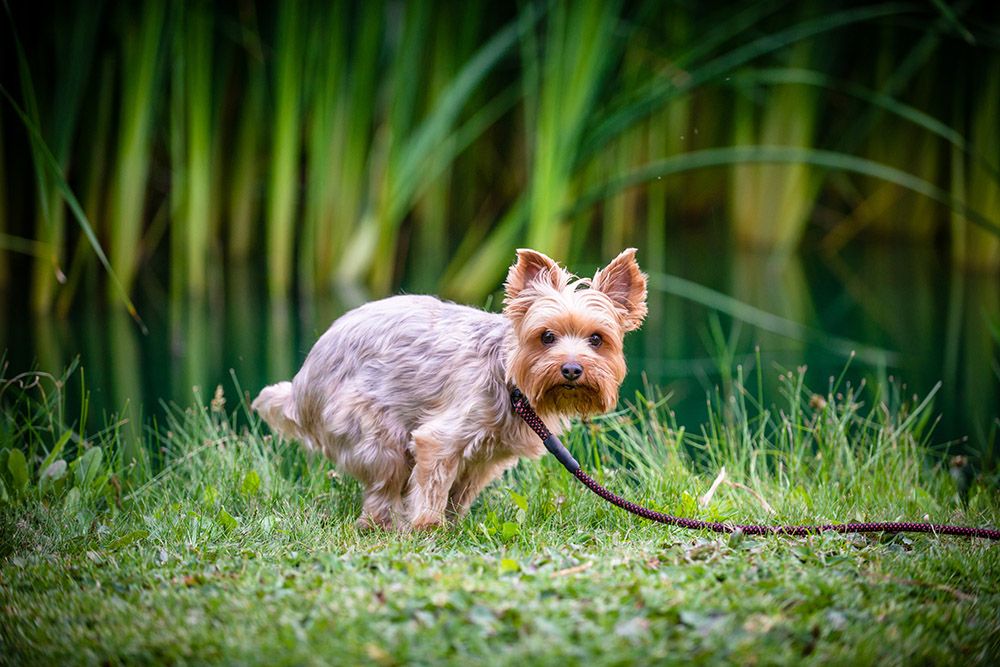
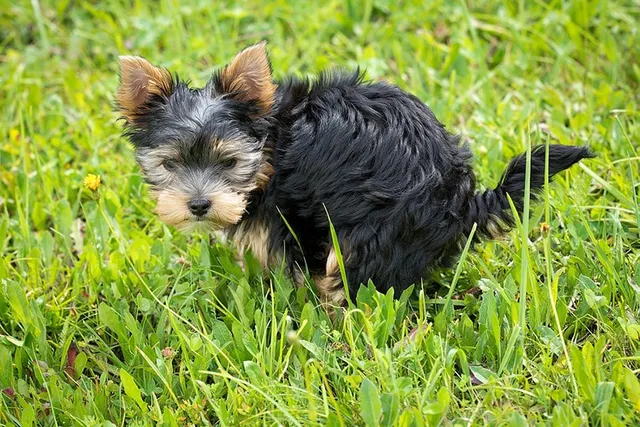
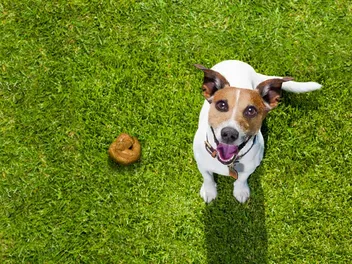
Do you think you know all about dog poop? Think again! While you may think you know all you need to know about your dog’s waste (because what do you need to know other than that picking it up is icky?), there are some pretty fascinating facts about this topic. For example, were you aware that dog poop can take between 9 weeks and 12 months to break down? Why is there such a difference?
We’re here to share some of these fascinating dog poop facts that you might not know. If you want to learn more about your dog’s waste (including how it can tell you more about your pup’s health), keep reading!

The 9 Fascinating Dog Poop Facts
Here are nine fascinating dog poop facts that will give you all the information you ever wanted to know!
1. A dog will poop about 276 pounds of waste each year.
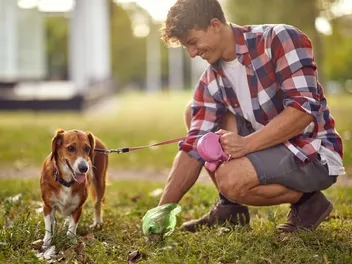
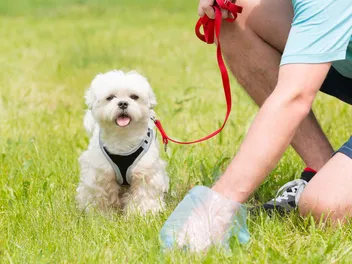
Wow, that’s a lot of poop! This is only one reason (of many) why picking up your dog’s waste is vital. Imagine if no one picked up after their dogs in your town or city; how many canines do you think there are where you live? Multiply that number by 276, and imagine all that poop just lying around! The negative health implications would be numerous (not to mention the visuals would be gross). So, make sure you’re picking up your dog’s poop each time you walk them.

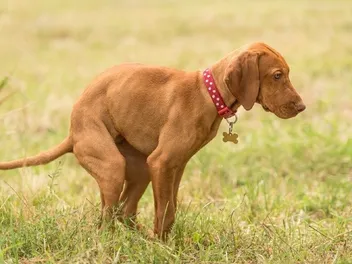
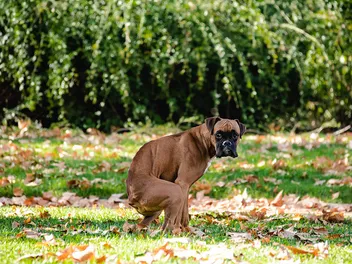
2. Healthy dogs tend to poop one to three times each day.
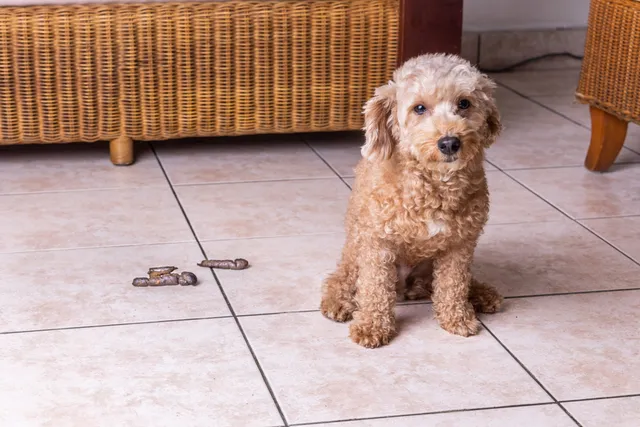
Every dog is an individual, though, so this can vary. Several factors affect how often a dog goes to the bathroom in a day, like their age, how active they are, how much they eat, and the quality of their diet. However, your dog should poop at least once a day. If they haven’t pooped in a couple of days, and you know they have been eating, then they’re likely constipated, and if that’s the case, they should see their vet. Constipation can lead to obstipation, whereby they feces become so firm and dry that they cannot be passed. Prolonged obstipation can lead to megacolon, where the walls of the colon become stretched and therefore don’t work as they should.
Seek veterinary advice if you’re concerned about your pet’s well-being.
3. Dog poop may take up to 12 months to completely break down.
Now, not all a dog’s waste will take up to a year to decompose; how quickly this happens depends on what the temperature and weather are like (poop breaks down faster in hotter weather) and what’s in your pup’s diet (those eating more protein will have poop that takes longer to decompose). Also, where the poop is laid is a contributing factor; poops laid on soil will break down quicker than those laid on lawns or concrete. So, a dog’s waste could take as little as 9 weeks to break down completely, or it could take up to 12 months (sometimes even longer). This is just another reason not to leave your pet’s waste lying around!

4. Dog waste isn’t suitable as fertilizer.
Some people believe that since cow manure works as fertilizer, dog poop must too, which means it’s fine to leave it lying on your lawn. It seems logical, but dog waste is absolutely not a suitable fertilizer! Why not? For a handful of reasons, not least of which is because dog poop kills grass. Dogs eat a lot of protein which is broken down within the body. The by-product of this breakdown is nitrogen. Nitrogen rich feces and urine concentrated in small areas of the lawn will kill the grass.
The other reasons dog poop doesn’t work as fertilizer? Because it can cause lawn fungi to flourish, is full of bacteria, and can pollute local water sources.
5. The Environmental Protection Agency (EPA) labels pet waste (including dog poop) as a pollutant.
Dog poop and other pet waste can severely impact water sources, particularly when it involves storm runoff. The EPA lists pet waste among fuel, oil, pesticides, and antifreeze as some of the most common pollutants in storm runoff that get into local water sources. Pet waste that ends up in local water sources can kill fish and plants, as well as carry diseases that can make water unsafe for people and animals.
So, if you sometimes dump your pup’s waste into a storm drain after you pick it up, please don’t do that again! It will be safer for everyone.

6. An entire day’s poop from a 40-pound canine can contain 7.8 billion fecal coliform bacteria.
Yes, billion. This is one type of bacteria found in a dog’s poop that can seriously impact local water sources. In fact, the EPA did a study in 1993 that found only 2 to 3 days’ worth of poop from around 100 dogs inside of a 20 square mile area could result in enough bacteria to shut down a bay to swimming and shell fishing. Just one more reason you don’t want to leave your pup’s waste lying out and about!
7. You can use the four C’s to evaluate your dog’s poop.
What are the four C’s? Color, consistency, content, and coating. The color of your canine’s poop can tell you everything from whether they’re eating a lot of grass to if they’re having issues with their liver. The consistency can tell you whether your pup needs to visit a vet or not. The content of their waste can let you know if your dog has eaten something they shouldn’t or if they have worms. And whether there’s a coating of mucus on your pet’s stool can also indicate whether a vet visit is needed. You may want to take a quick look at your dog’s poop after they go to ensure all is well!

8. Your dog’s vet can learn tons from their poop.
Your pet’s veterinarian can learn a lot from their poop. They can detect intestinal bleeding and inflammation, determine if your dog has parasites, see if your pup is constipated or dehydrated, and so much more! It’s advisable to have routine fecal testing for your pup, but talk with your vet to find out how often they feel is a good idea for this. Regular fecal testing ensures you and your vet stay on top of your dog’s health and find things sooner rather than later.
9. Interestingly, canines may prefer pooping in the north/south direction instead of east/west.
Some, but not all, canines poop in line with Earth’s magnetic field (at least, according to this study). Nobody seems quite clear on why this happens, but it’s definitely a fascinating fact! Next time you’re in the yard with your pup while they’re doing their business, see which direction they’re facing to find out if they’re an outlier or not.

Conclusion
See? Dog poop is much more interesting than you imagined! It’s still pretty gross, though, but no matter how icky it may be, remember to always pick up your pup’s poop when you’re out and about. Canine waste has a lot of bacteria that can cause a host of issues in the local ecosystem if it isn’t bagged and thrown out properly. You should also pick it up out of your yard, too, as it can destroy grass and can still enter the waterways through rain run-off. Be sure to share this info with your friends and family so they become just as knowledgeable as you! See also:
Featured Image Credit: Stowen Seto, Shutterstock
Expert dog care, straight to your inbox
News, insights, expert advice, and everything dog.

No spam — unsubscribe anytime.
By signing up, you agree to our Terms & Conditions and Privacy & Cookies Policy.
How useful was this post?
Click a star to rate. You can leave written feedback afterwards. (We read all feedback.)
Misty Layne lives out in the woods in small-town Alabama with her two Siamese - Serafina & Jasper. She also has an array of stray cats, raccoons, and opossums who like to call her front porch home. When she’s not writing about animals, you’ll find her writing poetry, stories, and film reviews (the animals are, by far, her favorite writing topic, though!). In her free time, Misty enjoys chilling with her cats, playing piano, watching indie and foreign films, photographing abandoned places, and catching up on her never-ending TBR list.