10 Vet-Reviewed Dog Noises That Mean Your Dog Is Happy (With Videos)


In this article
Dog owners all across the world wish that their dogs could speak to them, but we often don’t realize that canines are just as talkative as we are, just in their own way. They might not be able to form words as we can, but dogs use their body language and vocalizations to express their innermost feelings.
There are many noises that dogs make that are used for a variety of different intentions, from a warning to excitement. Some happy noises can even be mistaken for uncertainty or stress. To help you translate your dog’s language into something recognizable, here’s a list of noises that dogs make that mean they’re happy to see you.

The 10 Noises That Mean Your Dog Is Happy
1. Growling
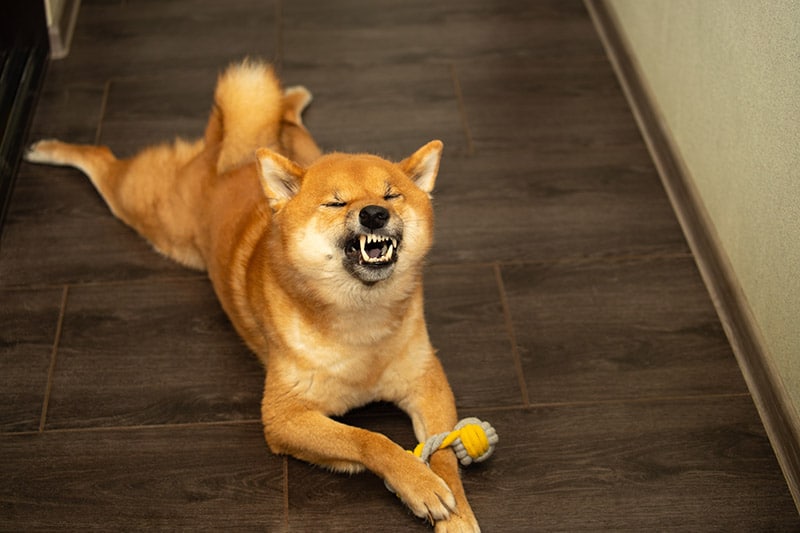
Although it’s more commonly associated with aggression or fear, growling can be a way that dogs show their playfulness, too. When they play a vigorous game of tug with you or chase a canine friend around the garden, you’ll likely hear them growl. This doesn’t mean they’re angry with you or each other; it just means they’re having fun.
Happy growls are easy to distinguish from the aggressive version. They’re softer and accompanied by happy body language. When in doubt or if your dog is getting too vigorous with their playing, take a break to let them calm down.
2. Happy Barks
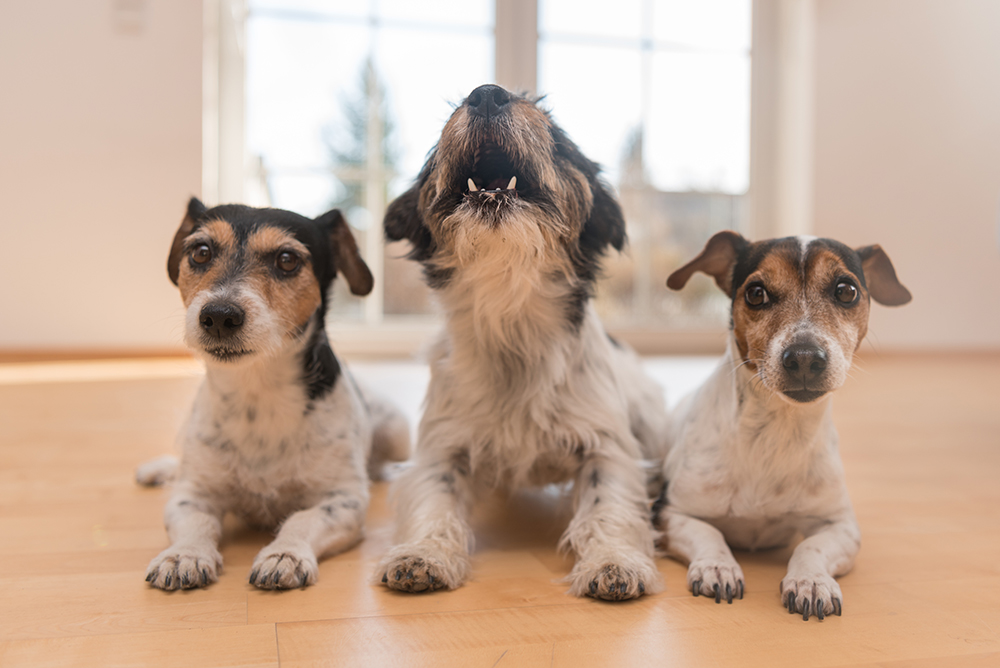
Barking is the most common method that dogs use to express themselves, especially if they’re one of the more naturally vocal breeds, like Basset Hounds or Chihuahuas. Like human speech, dogs have different ways of barking to show their intentions, and you’ll become more familiar with the different types as you spend more time with them.
Your dog will bark when they sense a threat, when they hear a strange noise, or even while they’re playing. Some dogs will also bark when you get home from work. These barks are often high-pitched and excited, which shows how happy your dog is.
3. Howling
Another sound that dogs make that means many things is howling. Primarily, dogs use howling to communicate with other dogs or respond to them howling. High-pitched sounds, like sirens, can also trigger this instinctual response. A howl can also be a sign of pain, sickness, or separation anxiety.
However, dogs also howl when they’re happy. Some hunting breeds may howl after tracking prey, both as a way to communicate their success and to signal their human partners.
4. Low-Pitched Moaning
Moaning is a sound that’s commonly associated with pain, sadness, or other negative emotions. For dogs, though, this isn’t always the case. You might not hear your adult or senior dog making a low-pitched moaning sound, but it’s a common noise made by puppies.
Contrary to how the low-pitched moaning might sound when you first hear it, especially if you’ve never owned a dog before, puppies may moan to express their contentment. More often than not, the low-pitched moaning noise that your puppy makes will accompany cuddles with you, their littermates, or their mother.
5. Purring
It may surprise you, but dogs can produce a sound similar to purring, though it isn’t exactly like a cat’s continuous rumble. Their purring is more of a throaty grumble or pig-like snuffle.
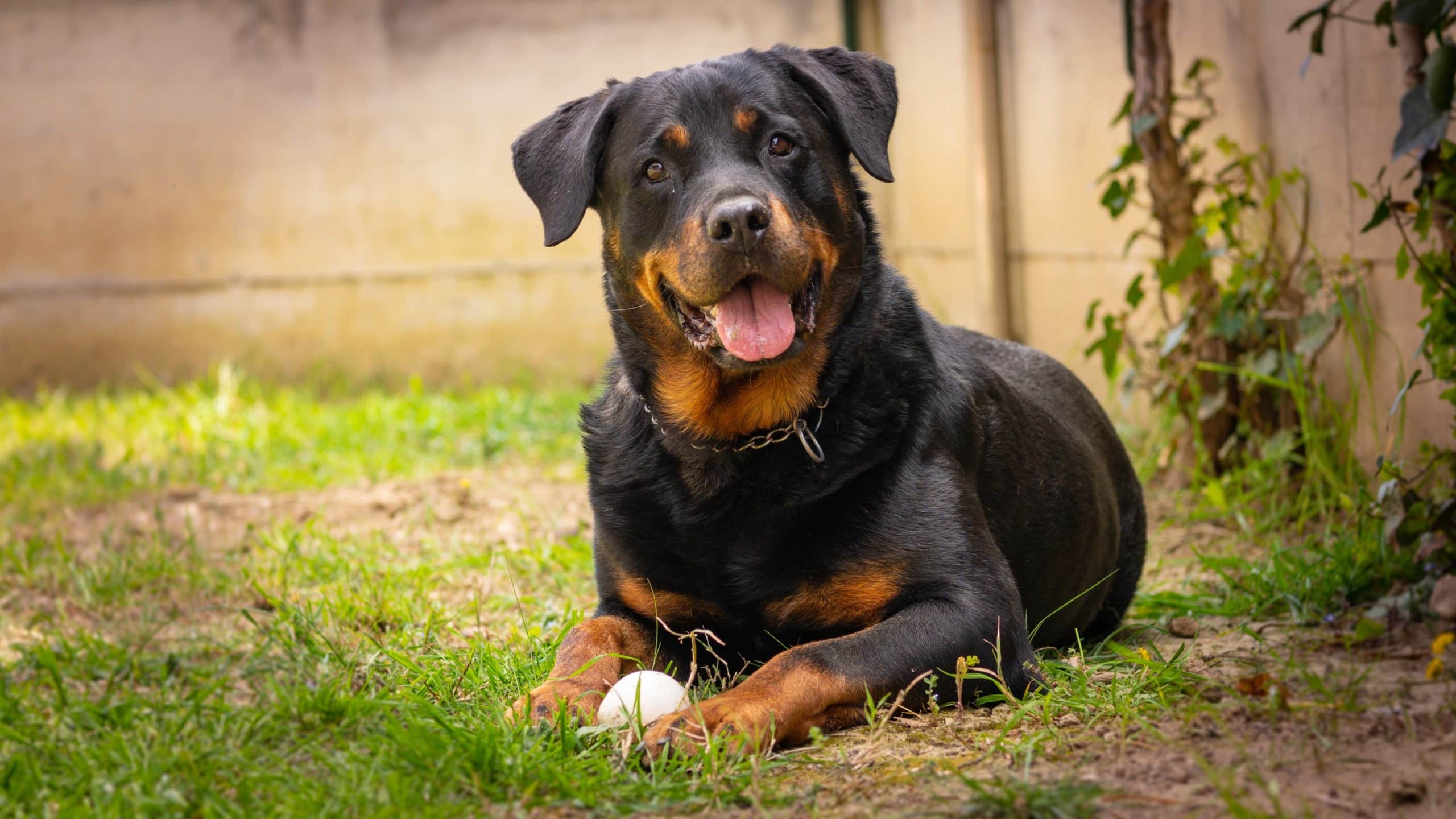
Canine purring sounds incredibly similar to growling, but it has a slight difference. While happy growls usually accompany playtime, “purring” is more common when your dog is resting or enjoying attention from you. Rottweilers, for example, are renowned for their throaty rumbling when they’re with their favorite people.
6. Sighing
If you’ve owned your dog for a while, you’ve probably heard one or two disgruntled sighs from them when they don’t get their way. Maybe they didn’t get the table scraps that they were begging for or it’s too stormy to go for a walk. Either way, they may rest their head on their paws and huff a drawn-out sigh to show their disappointment.
Not all sighs are intended to be disparaging, though. Your dog’s heavy-sounding sigh might be their way of expressing contentment. Similar to our own relieved sigh when we finally get our shoes off after a long day and put our feet up, your dog might sigh when they settle in bed after a game of tug or a visit to the dog park. It’s their way of saying, “That was fun, but now let’s take a nap.”
7. Sleep Noises
Dogs enter a similar rapid eye movement stage (REM) of sleep as humans do, and good dreams are a common cause for happy dog sounds, too. While we can’t know for sure what our dogs dream about, the consensus is that they’re often chasing squirrels or adventuring somewhere exciting.
It can be alarming to new dog owners, though, especially if your dog starts twitching, whining, and barking. Rest assured that this is completely normal behavior. Sleep vocalizations are a sign that your dog is getting restorative REM sleep, which is essential for overall health and well-being. While we can’t know exactly what dogs dream about, these sounds often occur when they are in a relaxed, comfortable state.
8. Sneezing
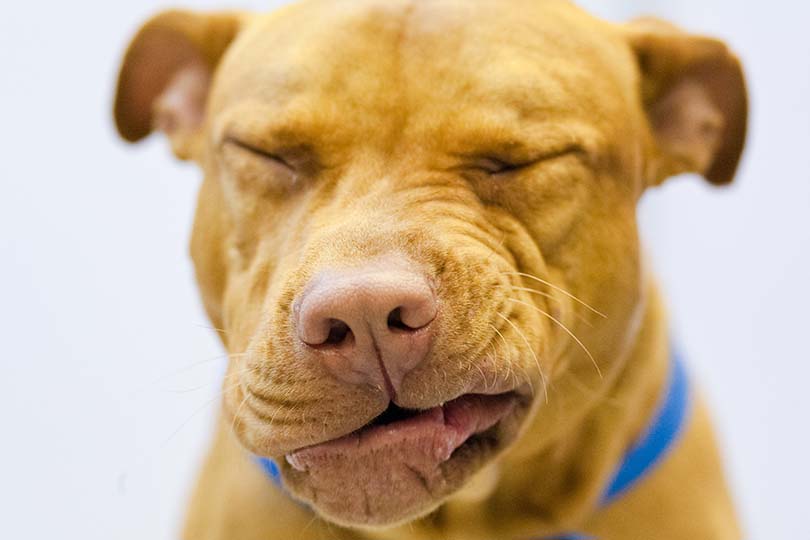
Some of the happy noises that dogs make can be concerning, but sneezing is perhaps one of the funniest, especially if your dog suddenly starts sneezing in the middle of their play session. Sneezing, like with us, occurs when something tickles the inside of your dog’s nose. The resulting sneeze is a way to clear away the irritant.
When your dog is overexcited, whether they're playing or happy about you being home, they might inhale more dust and air than usual. This can trigger a sneezing fit. Dogs can also use sneezing as a way to reduce tension. They'll sneeze if they're stressed or tell a canine friend that they're playing.
9. Reverse Sneezing
Reverse sneezing or snorting is probably one of the most worrying noises that dogs can make. Most of the time, it’s harmless to your dog — if not a little uncomfortable — and is often caused by allergies. Sometimes, reverse sneezing is caused by your dog trying to dislodge a bug or dust that’s trapped in their nasal cavity.
Similar to the way that sneezing can be triggered by playing, reverse sneezing can be a result of playtime too. If your dog gets over-excited or plays around in a dusty area, they’ll inhale more allergens and irritants that can get stuck in their noses.
While most reverse sneezing is nothing to worry about, if your dog has more episodes than usual, you should visit your veterinarian to make sure everything’s okay.
10. Whining
The final noise that dogs often make when they’re happy is whining. Like some of the other noises on this list, whining is often a result of pain, fear, or stress or as a way for your dog to get attention. Many people don’t realize that whining can be a happy sound too, probably because it just sounds so sad.
However, some dogs are just super excited. If you’ve been away on vacation for a few days, your dog might greet you with an exuberant wagging tail and excited whines. Some dogs might even whine every time you get home from work.

Which Dog Breeds Are the Most Vocal?
Not all dogs make these noises, and some breeds are more vocal than others. This can vary between individuals and their personalities, along with their instincts for making noise and even how well they’re trained.
Some dog breeds that are most likely to be vocal and show their happiness with barking, whining, or other noises are:

How to Tell If Your Dog Is Happy
Most of the noises mentioned here are used by dogs for a variety of different reasons, not just because they’re happy. Some noises, like growls, are used as warnings that you’re going too far, and your dog doesn’t like it. For this reason, it’s important not to trust the sounds alone, just in case you misinterpret one of the meanings.
Along with the sounds that your dog makes, you need to pay attention to their body language. A dog’s ears, tail, eyes, mouth, and the way that they move are all essential for you to understand what they’re trying to tell you.
Relaxed movements and wagging tails are both good signs that your dog is happy. Even if they’re growling over a tug toy, if they keep coming back for more when you let go and are not stiff and rigid as they play, they’re being playful. The same is true for barking. Usually, happy barks are higher in pitch and accompanied by bouncing and a wagging tail.
Aggressive behavior is stiff and slow. Your dog will often lower their head and move like they’re a coiled spring. Their barking and growling also tend to be deeper, since it’s intended to be a threat rather than playful.
The more familiar you are with the dog in question, the easier reading them will be, but if you’re just starting out, it can be difficult to distinguish between friendly and aggressive behavior. When in doubt, back off to let your dog calm down and play again later. Once you’re familiar with the difference, it’s relatively easy to tell the behaviors apart.

In Conclusion
Dogs mix and match most of their vocalizations with body language to express themselves. Unfortunately, many of their happy growls, whines, and barks are often misinterpreted by humans. While a few of these noises can be signs of aggression or pain, they’re also used to express how happy your dog is.
Pay attention to the pitch of your dog’s growls or barks, and watch their head and tail. With enough practice, you’ll soon become fluent in your dog’s language and understand all their happy noises.
Related Reads:
Featured Image Credit: Best dog photo, Shutterstock
Expert dog care, straight to your inbox
Vet-reviewed advice, training tips, and the best of Dogster. Free, and you can unsubscribe anytime.
By signing up, you agree to our Terms & Conditions and Privacy & Cookies Policy.
Nicole has loved animals of all sizes her whole life so it's no wonder she has dedicated her career to helping them through what she loves best: learning, writing, and sharing knowledge with others. She’s the proud mom of two dogs, a cat, and a human. With a degree in Education and 15+ years of writing experience, Nicole wants to help pet parents and pets around the planet to live happy, safe, and healthy lives.
Join the conversation
Ask a question, share your story, or send private feedback.