Get

In Your Inbox

Dogster is reader-supported. When you buy via links on our site, we may earn an affiliate commission at no cost to you. Learn more.

9 Russian Dogs: Breed Information & Descriptions (With Pictures)

Share

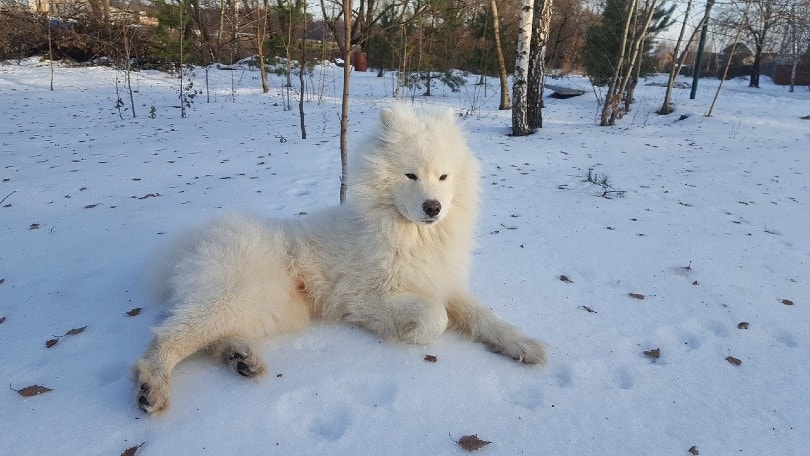
Samoyed in snow

Russia is home to a diverse array of dog breeds. However, Russian breeds are similar in many ways: they are intelligent, loyal, protective, and obedient. Additionally, they have a strong build to allow them to withstand Russia’s harsh conditions.

Most Russian dogs make excellent pets and working dogs. Nonetheless, each breed has unique traits that allow them to excel at the function they were designed for. Therefore, it is crucial to understand what to expect from a Russian pup before adopting them.

In this article, we’ll discuss nine of the most popular breeds native to Russia.

The Top 9 Russian Dog Breeds

1. Siberian Husky

Siberian Husky
Image By: BARBARA808, Pixabay

The Siberian Husky is arguably the most popular Russian breed today. This medium-sized canine’s lineage dates back nearly 4,000 years, making it one of the oldest breeds in the world. The Chukchi people bred them for pulling sleds, and to this day, Siberian Huskies still compete in sled races.

The Siberian Husky was designed to be as people-friendly as possible, which explains why they make such an excellent family dog. In fact, it was typical for tribal people to leave their children in the care of a mature Siberian Husky as they went about their business.

Siberian Huskies can live up to 14 years.


2. Caucasian Shepherd

Caucasian Shepherd
Image By: DragoNika, Shutterstock

The Caucasian Shepherd, also known as the bear dog, is the largest Russian dog that can weigh up to 225 pounds. As you can imagine, they are immensely powerful and are not to be taken lightly. The Caucasian Shepherd’s lineage dates back over 2,500 years, and they are one of the oldest mastiff-type breeds. They were developed in the Caucasus Mountains, where they were employed to guard flocks, hunt bears, kill wolves, and protect properties.

The Caucasian Shepherd’s unbridled strength and ferocity made them popular police and guard dogs all over Europe. During the communist era, they were used to protect prisoners in Gulag camps and serve as border guards along the Berlin Wall.

While Caucasian Shepherds are excellent guard dogs, they are not ideal for first-time owners because they can be fierce and difficult to control. 


3. Russian Black Terrie

Black Russian Terrier_Shutterstock_Brezhneva.od
Image Credit: Brezhneva.od, Shutterstock

The Russian Black Terrier is a relatively large dog weighing up to 130 pounds. Also known as the Chornyi Terrier, they were developed during the height of the Cold War to serve as military and working dogs. They have a double coat to allow them to withstand cold and harsh conditions.

The Black Terrier is strong, energetic, and lively. However, they are fiercely protective of their owners.


4. Borzoi

Borzoi
Image Credit: Bob63, Pixabay

The name Borzoi” means “fast” in Russian. Needless to say, the Borzoi is one of the fastest canines on the planet, capable of running at speeds of up to 36 miles per hour. This regal-looking sighthound was bred to hunt wolves during the 9th century.

Nevertheless, Borzois have a lovely temperament, making them wonderful companions. They are so laid-back that some owners describe them as “cat-like.” However, they require lots of exercise to be happy and healthy.


5. Russian Toy Terrier

russian toy terrier
Image Credit: Evgeniia Shikhaleeva, Shutterstock

The Russian Toy Terrier, also known as the Russkiy Toy, is a miniature lap dog bred to be a fun-sized companion for Russian aristocrats. This breed features feathering on their ears, which increases their adorableness.

The Russkiy Toy is charming, loyal, and affectionate. Like most toy dogs, they are incredibly sassy; if you do not give them attention, they will throw a tantrum until you do. Additionally, Russkiy Toys do not seem to realize how tiny they are and will not hesitate to challenge large dogs. Therefore, be vigilant when taking your Russian Toy Terrier for walks.


6. Samoyed
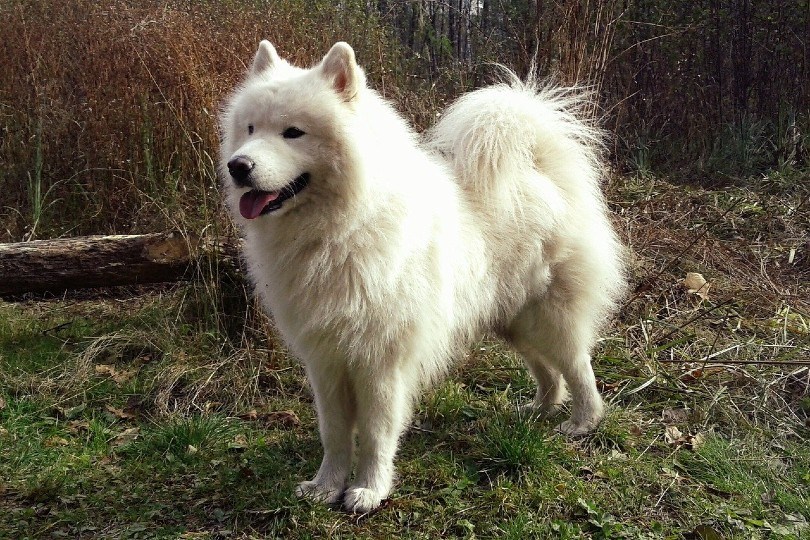
Samoyed
Image Credit: A-r-e-s, Pixabay

Even though the gorgeous Samoyed looks like a show dog, the Samoyedic people of Siberia developed them to be an all-purpose dog around 3,000 years ago. They excelled at various tasks, including hunting, herding reindeer, and pulling sleds.

Samoyeds are adorable and remarkably sweet; they even have broad, endearing smiles, which is why they are also known as “Smiling Sammies.” They do not lose their childish charm when they become adults.

Nonetheless, before you adopt a Samoyed, you should know that this longhaired cutie requires lots of grooming. They also need a few hours of daily exercise to be happy and healthy but do not do well in hot climates.


7. Karelian Bear Dog

Karelian Bear Dog
Image By: A-P L, Pixabay

The Karelian Bear Dog has been around for more than 2,000 years. They were used to develop various popular breeds such as the Siberian Husky and Russian Spitz dogs. 

As you can tell from their name, the Karelian Bear Dog was used for hunting bears. Unfortunately, the Karelian Bear’s tenacious nature makes them unsuitable for families with children and pets.


8. Central Asian Shepherd Dog

Central Asian Shepherd Dog
Image By: shelma25, Pixabay

The Central Asian Shepherd Dog, also known as Alabai, shares the same lineage as the Caucasian Shepherd. As a result, the Alabai is very similar to the Caucasian Shepherd regarding temperament.

Therefore, while the 180-pound Alabai might arguably be the best guard dog on the planet, they require an experienced handler. Like the Caucasian Shepherd, the Alabai is unsuitable for families with children and other pets.


9. South Russian Ovcharka

south russian ovcharka in slovenie
Image Credit: Monica Martinez Do-Allo, Shutterstock

The South Russian Ovcharka, also known as the South Russian Sheepdog or Ukrainian Shepherd Dog, is native to the Ukrainian Steppes between the Sea of Azov and the Black Sea.

Ovcharkas are incredibly popular in Russia due to their undemanding nature and adaptability. Additionally, their strong protective instincts make them an excellent guard dog.

Conclusion

Russian dogs have remarkable histories and make some of the best furry companions. They are skilled at their jobs and loyal, hardworking, and loving. However, many breeds do not do well in warm climates, and some are better suited to experienced dog owners. Although some Russian dogs, like the Siberian Husky, are relatively easy to find, others aren’t very common in the United States.

Next on your reading list:


Featured Image Credit: chek89645040878, Pixabay

Want content like this delivered to you?

Sign Up For Our Newsletter

News, insights, expert advice, and everything dog

* By submitting, you agree to our Terms & Conditions and Privacy & Cookies Policy.


How useful was this post?

Click on a star to rate (you can leave written feedback after clicking submit)

Help us improve Dogster for pet parents!

Your feedback really matters.

What did you like about this post? Also how can we improve it?

Join the conversation

Leave a Reply

You’re very welcome to leave a comment or question. Please know that all comments must meet our community guidelines, and your email address will NOT be published. Let’s have a positive and constructive conversation.


Dogster's Digital Magazine is Back!​

Dogster Magazine Cover June 2026

Vet-approved health & behavior advice

Real dog stories & community features

The Organization Helping Pets Feel Safer, Happier, and ‘Fear Free’ – Heroes of the Pet World

[jump-inks title=”Click to Skip Ahead”] What Is Fear Free All About? Why Awareness Matters A Decade of Growth and Impact What’s Next for...

Why Some Dogs Treat Mealtime Like Playtime – And When to Pay Attention

Most dogs are reliable eaters. Bowl goes down, food disappears. So when a dog starts batting kibble across the kitchen floor, tossing pieces...

Major Win for Dogs: Ontario Becomes the Final Province to Ban Ear Cropping and Debarking

​​Ontario has approved new animal welfare regulations that will prohibit elective ear cropping and devocalization (debarking) procedures in dogs from January 1, 2027....

Dogster’s Weekly Photo Contest Winners: Most Adorable Puppy (June 8, 2026)

Every week our team gets the privilege of sorting through our readers photos to choose what dogs will win this weeks contest! See...

More related

Do Shih Tzus Have Breathing Problems? Vet Approved Facts & FAQ

If you’re thinking about getting a Shih Tzu or already have one, there are a few common health concerns you should be aware...

Ethoxyquin in Dog Food: Why Is It Controversial? Vet-Verified Facts

Dog owners, brace yourselves! The food your beloved canine companion eats on a daily basis might contain a controversial ingredient – ethoxyquin. This...

How Do I Stop Dogs From Fouling in My Garden? 7 Vet-Approved Tips

Sharing your garden space can be pretty annoying, especially when your dog uses the space as their bathroom. If your dog has access...

A Guide to Using Food Puzzle Toys With Your Dog: Choosing, How to & More (Vet-Verified)

Does your dog constantly scarf down their food? Do they seem as if they’re bored much of the time? Then, you may want...

Keep reading

Can Dogs Have Snow Cones? Vet-Approved Health & Nutrition Facts

Few treats are better for cooling us down on a hot summer day than a crisp, flavorful snow cone. As the furriest members of the family, our dogs can often use the relief from the heat more than anyone. There...

Snow Cone in a bowl

Can Dogs Eat Enchiladas? Vet Approved Nutrition Facts & FAQ

Enchiladas are a popular and delicious Mexican dish that many people worldwide adore. Most people love this dish and your pets may also want to get a taste. The smell of meat and seasonings may cause your dog to beg...

Can Dogs Eat Enchiladas

Can Dogs Eat Dill? Vet-Verified Nutrition Facts & Preparation Ideas

Dill (Anethum graveolena) is a member of the parsley family, Apiaceae, and is safe to feed to dogs, in moderation. There is no evidence that indicates that dill causes problems in dogs, but it is always best to feed it...

Dogster-Can-Dogs-Eat-Dill

Can Dogs Eat Alfalfa? Vet-Verified Facts to Know

Alfalfa is an important grazing plant that feeds livestock worldwide. Many people wonder, can dogs can eat alfalfa? The short answer is yes, alfalfa is a healthy food for dogs. However, there are a few factors to consider before making...

Can Dogs Eat Alfalfa

10 Best Puppy Foods in 2026 – Reviews & Top Picks

It’s essential that you provide your puppy with food specifically made for its stage of life. By providing your puppy with puppy-specific food, it’s much more likely to grow healthily and happily. Of course, it’s critical to select puppy food...

jack russell terier puppy eating food from bowl

9 Best Dog Foods for Bullmastiffs in 2026 – Reviews & Top Picks

With so many dog food brands available, it can be difficult to know exactly which is right for your pooch. Some breeds might need higher protein due to their higher activity levels, and some need to focus on weight management....

Bullmastiff dog standing outdoor

Orijen Dog Food vs Blue Buffalo Dog Food: 2026 Comparison, Pros & Cons

With so many dog food options on the market, it’s easy to walk away with your hands empty and your head buzzing. If you’ve been buying dog food for some time or have recently adopted a puppy and have been...

Dogster_Dog Food Orijen VS Blue Buffalo

Meridian Dog Food Review 2026: Pros, Cons, Recalls, and FAQ

Review Summary Meridian is a holistic pet food company that is made by Midwestern Pet Foods under the parent company Nunn Milling Co. Meridian makes four different dog food recipes with an aim at high quality, natural nutrition. We all...

Dogster_Meridian Dog Food Review

Love Dogs? So Do We! Join the Dogster Community

Stay informed with expert pet care insights delivered straight to your inbox! Discover professional guidance on animal behavior, feeding tips, trusted product picks, and much more.


Sign up for the Dogster Email Newsletter