Buying a new puppy from a dog breeder can be an exciting and stressful time. Purebred puppies can be expensive, and there are dozens of breeders in every area offering services and making claims. However, not all breeders are equal in their morals, values, and practices. Good breeders will seek the health and welfare of puppies as top priority.
So, how can you tell if a breeder is ethical? You need to ask questions. This list contains 13 questions that experts say you should ask every dog breeder before potentially buying a puppy. This list also includes the answers you want to hear and some concerning red flags to be aware of.

The Important Questions to Ask a Dog Breeder
1. Can I Meet the Parents?
One of the first things you should ask a breeder is whether you can meet the breeding parents of your puppy. The parents can give you a lot of instantaneous information about your potential puppy. The parents can show coloring, size, personality, and more. The breeders should also have the parents on hand and living a healthy and fruitful life. Healthy, happy parents are a great sign to see from a breeder. Breeders that are reluctant to show you the parents or claim to not have the parents with them are a concern and should raise a red flag.
2. What Health Screening and Testing Has Been Done to the Parents?
Many purebred dogs have a list of potential genetic problems that they can encounter. (The American Kennel Club lists these on each dog’s profile.) Many of these issues can be screened out during the breeding process by running screening tests and pairing compatible parents together for the best results. You should ask your breeder what screening tests they do and ask if you can potentially see the results. Any testing is a good sign. A lack of genetic testing could leave you with a dog that could develop genetic problems later in life. Honest breeders should have no problem offering up this information willingly.
3. What Are the Most Common Health Issues With This Lineage?
If your breeder is interested in improving their dogs and offering the best service possible, they should be keeping track of any health issues and problems that their dogs encounter. An honest breeder should have information about potential health issues that their dogs have encountered. All dogs will experience some health issues throughout the course of their life. If a breeder says their dogs have zero health issues or that they don’t know or don’t keep track of their puppies’ long term health, that should be a potential red flag that something is off.

4. How Long Have You Been Breeding?
There are hundreds of dog breeders around the country, and some of them have been breeding dogs for longer than others. Experience is valuable and adds intangible benefits to your experience with a breeder. Experienced breeders learn lessons over time that they then apply to their craft. That is not to say that breeders who have less experience are necessarily bad (everyone must start somewhere), but more experienced breeders will typically offer a smoother puppy experience. This is especially true if you are getting a dog breed that is prone to genetic health conditions.
5. Do You Focus on This Particular Breed or Have Multiple Breeds?
Some breeders specialize in specific breeds. Specialized breeders often have a deeper knowledge about a single breed than breeders who dabble in multiple breeds. Some breeders branch out and breed two, three, or more breeds, which can dilute their experience. Breeders who deal in many different types of dogs might not have the deep knowledge of a single breed that some prospective buyers crave before making a decision.
6. Do You Socialize Your Puppies?
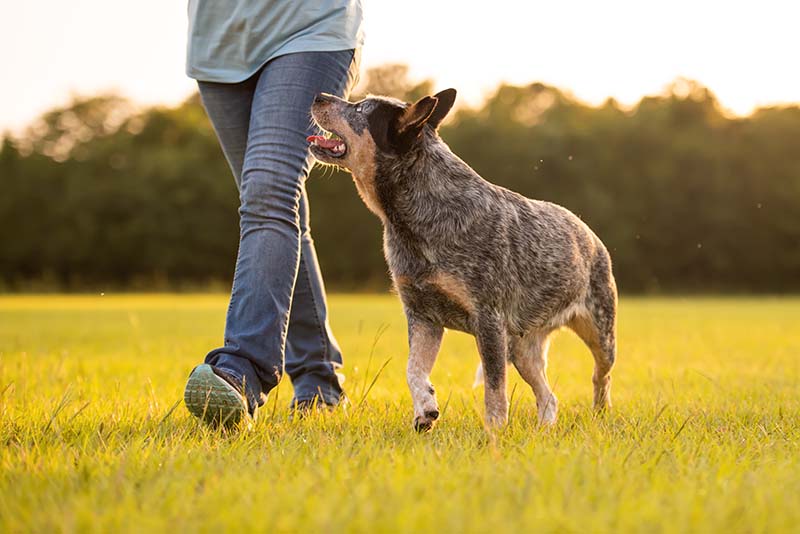
Socialization is extremely important for young dogs. Puppies need to get socialized in two ways when they are very young. First, they need to spend time with their mother and their littermates so that they learn some of the ins and outs of doggy behavior and social cues. Second, they should ideally be socialized with humans through the breeder and the breeder’s family. Some breeders will not socialize their puppies, keep them separated, and barely interact with them. Others will wean their pups from the mother much too early. That is not advised, and unsocialized puppies can be more difficult to deal with and train than socialized puppies.
7. What Preventative Treatments Has This Puppy Had?
Breeders should vaccinate their puppies before they go home with their new owners. Unvaccinated puppies are at risk of catching dangerous diseases that they are often not strong enough to fight off, so getting a puppy vaccinated is extremely important. When you get your puppy, they will need additional vaccinations and you should be informed when these are due. In addition, worming treatments and flea prevention should be administered before purchase, so you can ensure you’re not bringing diseases and parasites into your home.

8. Do You Provide Health Guarantees?
One of the most important things you can get from a dog breeder is a health guarantee. Health guarantees will cover you in the case that the puppy ends up with a genetic issue that should have been screened for or a preventable disease that the dog got while in the breeder’s care. You should clearly understand what your dog is covered for, and how to prevent any issues once they are in your care. Some breeders will even take out temporary pet insurance to protect their puppies in the first few weeks of entering your home.
9. Are You Following State Regulations?
Each state has different regulations governing dog breeders. Some states are friendlier to breeders than others. However, every reputable dog breeder should follow all of the local and state regulations regarding puppy health, puppy age, facility upkeep, and more. It can be awkward to ask about the law, but it is important to know whether your breeder is cutting corners or doing everything above board. You should look up your state regulations regarding dog breeders before you buy a puppy, so you know what to look for when meeting with any dog breeder. In addition, some breeders are required to be USDA (US Department of Agriculture) licensed, according to the federal Animal Welfare Act.
10. Do You Provide Contracts for Your Puppies?
Contracts can come in a number of different forms. Contracts can guarantee pricing, timelines for when the puppy will be available, health guarantees, and more. You should not buy a puppy from a breeder without a contract. If a breeder is hesitant to provide a contract or put verbal guarantees into writing, you should be concerned and consider changing breeders. A reputable breeder should have no issues putting their guarantees and claims into writing that will protect you and give you clarity about the buying process.
11. How Can I Get in Touch With Any Concerns I May Have?
The biggest concern that people have with new puppies is health. Some puppies end up becoming severely ill after they go home. Other puppies end up revealing genetic problems that turn up at the vet during their puppy visit. If you have issues with your new puppy, you should have a way to contact the breeder, even if you just want to fill them in on the issues. Breeders need to know if their puppies are having issues so they can improve in the future. However, there are also unscrupulous breeders out there who will willingly sell you an unhealthy puppy and then disappear from the face of the Earth after money has exchanged hands. Make sure you have a good phone number or mailing address for your breeder before you make the final sale.
12. When Can I Take My Puppy Home?
Different breeders have different standards and practices that affect when you can actually bring your new puppy home. The expert recommendation is that puppies should go home between 8 and 10 weeks of age. Puppies should not go home earlier than 8 weeks. If a breeder offers to let you go home with a puppy that is 4 to 6 weeks old, it could be a red flag. (Some municipalities have laws that prevent breeders from sending dogs home earlier than 8 weeks.) Pups benefit from a few extra weeks with their mother and littermates, and those taken home earlier are more likely to have behavioral issues. Other breeders might opt to keep their puppies with the mother for 12 to 16 weeks. If you are buying a puppy from a litter that was just born, you could be waiting 3 to 4 months before you are able to bring your new dog home. That is important information to glean before making a final decision about a puppy.
13. What Should I Feed My Puppy?
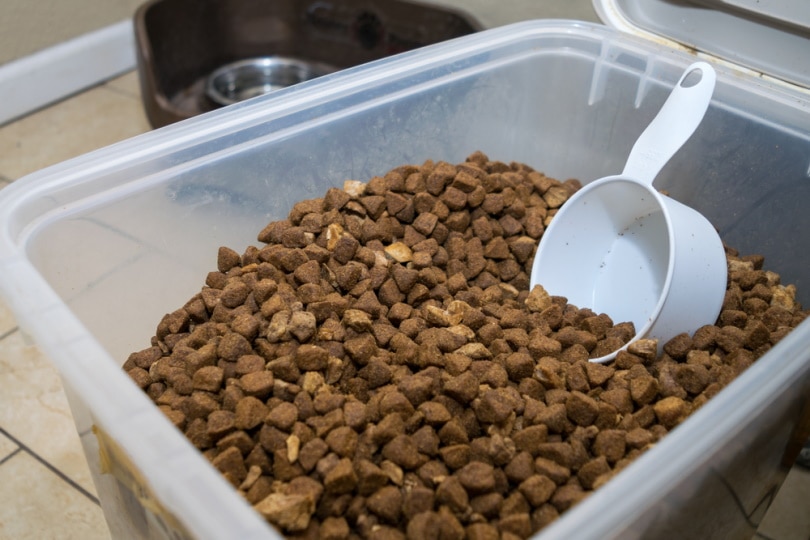
Ideally, your puppy should already be eating an AAFCO (Association of American Feed Control Officers) approved diet for growth and development (a puppy food, not an adult food). These diets will provide all the nutrients that your puppy needs, home cooked diets are likely to be nutrient deficient and can lead to major health problems in puppies. When you take your puppy home, you should keep the diet the same, at least for a few days. Sudden changes in diet can cause gastrointestinal upsets.

Conclusion
Good breeders should always be honest and upfront with you regarding these questions. The truth is that every dog has some risk of health problems or concerning genetic profiles. This is an unfortunate side effect of long-term breeding in purebred populations. Good breeders will always be upfront and honest about the potential risks and their practices so that you have all of the relevant information to make a good decision for you and your family. Do not be afraid to ask these questions, and don’t be shy about pressing for answers. Reticent breeders are usually trying to hide something.
See also:
Featured Image Credit: Bohdan Malitskiy, Shutterstock
 The Important Questions to Ask a Dog Breeder