In this article
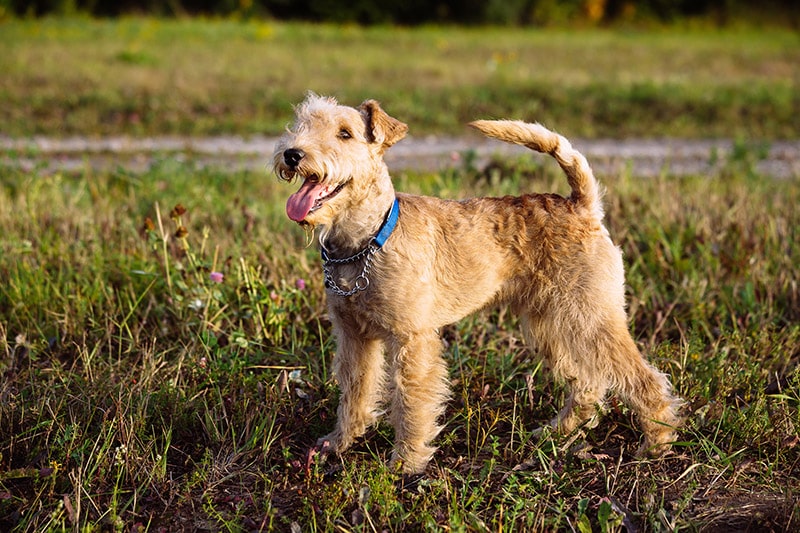
View 8 More +Among terriers, the Lakeland Terrier is perhaps the least well-known among dog enthusiasts. They look like a smaller, finer Airedale, but don’t let that fool you—the Lakeland is a scruffy, wiry-coated dog with a bubbly, social spirit all their own. Often called a big dog in a small dog’s body, the Lakeland Terrier is underappreciated due to their dwindling numbers, and they’re even at risk of being endangered. Let’s learn more about this little-known breed here, including what they’re like and how to care for them.
Breed Overview
Height:
13 to 15 inches
Weight:
15 to 17 pounds
Lifespan:
12 to 15 years
Colors:
Tan, black, blue, wheaten, liver, red grizzle
Suitable for:
Active families with or without children, active singles or seniors
Temperament:
Loyal, loving, intelligent, easy to train, friendly, gets along with other pets
The Lakeland Terrier is the smallest tan and black terrier, with the largest being the Welsh and Airedale Terriers. Well-liked for their agreeable and intelligent personality, the Lakeland is sadly considered vulnerable by The Kennel Club.1 There simply aren’t as many breeders for the Lakeland these days, lowering the availability of the breed and endangering them in one fell swoop.
Lakeland Terrier Characteristics

Lakeland Terrier Puppies
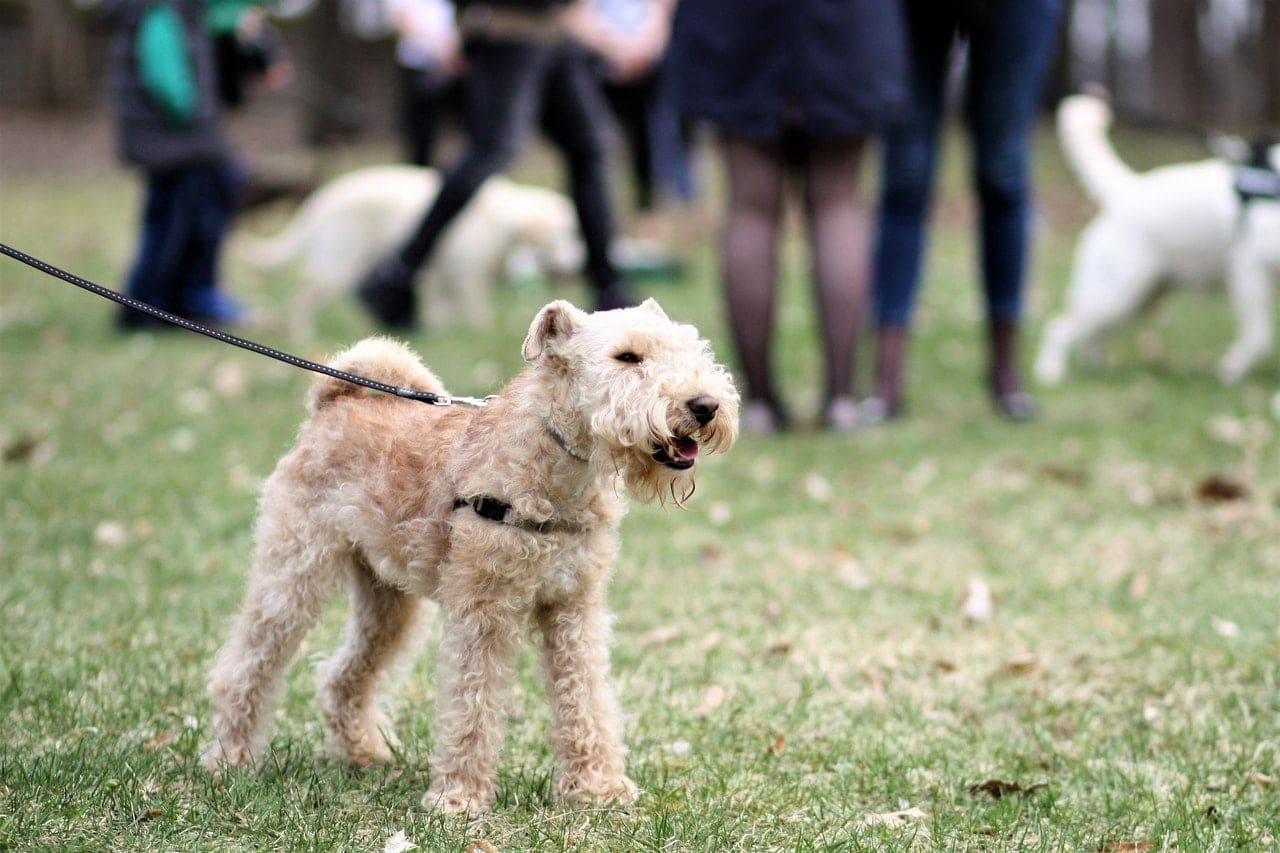
The Lakeland Terrier is rare and hard to find compared to other breeds, but you have a few resources at your disposal. The U.S. Lakeland Terrier Club may be able to help you find ethical breeders that specialize in the breed, and the AKC marketplace of breeders is always worth checking too. Social media groups devoted to the breed are yet another option but are much less reliable.
Locating an ethical and reputable Lakeland Terrier breeder is easier said than done. You have to watch out for shady breeders who are out to make a quick buck at the expense of poor dogs kept in deplorable conditions.
Temperament & Intelligence of the Lakeland Terrier 🧠
The Lakeland Terrier is good-natured, with an animated, happy-go-lucky spirit that fits well in any household. They’re a super social breed that needs to be with their people as often as possible and preferably involved too! They thrive with human contact and have a mischievous sense of humor you’ll fall in love with. Lakelands have an infectious pluck that spices things up around the house or on trips outdoors. Speaking of outdoors, they’re avid runners and aren’t afraid of the water either! the Lakeland Terrier is a versatile dog that’s content wherever you are.
They can have a bit of a stubborn streak and exhibit “selective deafness” when they really get interested in something, which will happen a lot because the Lakeland Terrier is a curious breed that gets bored easily without quality exercise and plenty of mental stimulation. They’re not a difficult dog by any means, but they definitely keep you on your toes with their unique brand of furry hyperactivity.
Are These Dogs Good for Families? 🏠
Yes, Lakeland Terriers are excellent family companions known for being patient with younger kids and having a sweeter demeanor versus other terriers. They’re loyal to their families and fearless toward strangers but have a polite and social temperament otherwise. Lakelands make fast friends and are amenable toward houseguests when they’re well-socialized, but they can be excitable, so you’ll have to teach them not to jump up on people.

Does This Breed Get Along With Other Pets? 🐶 😽
It depends. The Lakeland Terrier has a strong prey drive, so they’re inclined to chase cats and smaller prey pets like rabbits. They can be socialized early to tolerate cats, however. As far as other dogs, Lakelands can be feisty but aren’t overly dominant. Again, it takes socialization early in puppyhood to teach them the rules of engagement as far as being a dog and interacting appropriately with furry housemates.
Things to Know When Owning a Lakeland Terrier:
Food & Diet Requirements 🦴
Lakeland Terrier puppies need a high-protein diet with 25% to 32% protein, while an adult needs between 18% and 22% protein. Both formulas are balanced with carbs, healthy fats, vitamins, and all those trace nutrients your dog needs to grow and thrive. Three to four small meals per day is a good rule of thumb for puppies, while adults do well with two or three meals per day.
Exercise 🐕
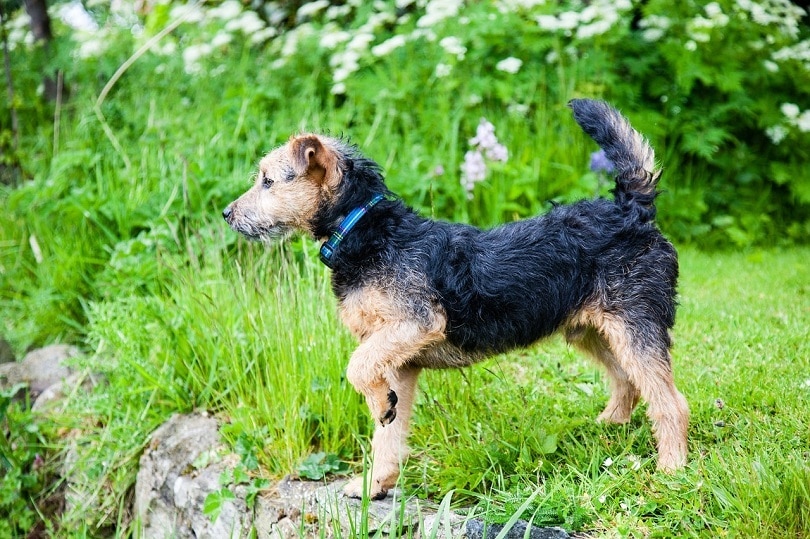
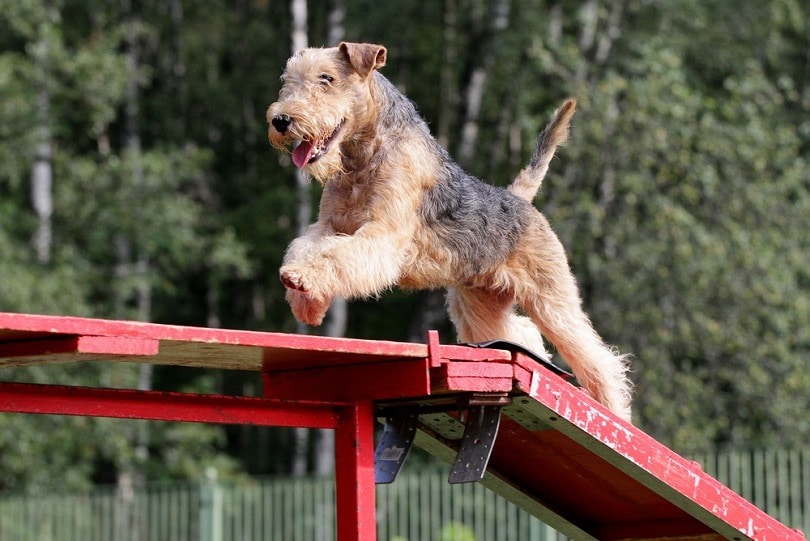
Lakeland Terriers need about an hour of vigorous exercise each day to stay happy and healthy, which can be split up into walks, outside time, and indoor activities. They’re an active breed that can keep up with the best canine athletes, but they don’t realize their size sometimes. Fetch, tug-of-war, and agility courses are just a few possibilities you can employ to keep your Lakeland Terrier entertained on boring summer afternoons.
Mental stimulation indoors is key to managing the Lakeland Terrier’s high energy levels. Even when you think you’ve worn them out, they will start chewing on all your shoes or digging holes in the yard. These are signs you need to step up your game, so invest in some enrichment games like snuffle mats and Kong puzzle feeders, and begin a daily training routine if you haven’t already.
Training 🦮
Lakeland Terriers are intelligent and trainable and learn commands quickly. The catch is that they can be stubborn when they don’t want to do something, requiring patience on your part. Your best behavioral tool during training is consistent positive reinforcement. For example, start by rewarding your Lakeland Terrier for responding to their name as a puppy. Once they get that down, you can move to more basic but still important commands like sit, stay, or heel.
Extensive but careful socialization is vital to forming a more well-rounded Lakeland Terrier. They’re well-mannered dogs in general, but they’re known for being willful. Begin socializing by taking your dog out on their leash and observing their reaction to stimuli like strangers, other dogs, and other animals like birds. If they bark or tug on the leash around another dog, for instance, stand still like a statue and appear indifferent. When they calm down, praise and reward them. You don’t have to use treats all the time, but they certainly do help streamline the process!
Grooming ✂️
Lakeland Terriers are considered a non-shedding breed, so you’ll have to brush their coats regularly for about 15 to 30 minutes per week. A slicker brush or metal comb works best for this. You can also bathe them every 4 to 6 weeks. Their coat should be kept short to avoid any matting. Finally, be sure to keep their nails trimmed, and brush their teeth daily, if possible.
Health and Conditions ❤️
The Lakeland Terrier is typically a healthy breed, and good breeders are meticulous about screening their litters for potential inherited conditions. That said, you can never completely eliminate surprise health defects and conditions from cropping up later down the line, and some conditions are more common than others in this breed.
- Eye problems: Lens luxation, or eye lens dislocation, is known to occur in this breed, along with glaucoma and cataracts to a lesser degree.
- Hypothyroidism: This is a treatable hormonal deficiency that causes a range of signs, such as dull coat, fatigue, and weight gain.
- Legg-Calves-Perthes disease: Also called necrosis, this rare and debilitating inherited condition is more likely in Lakeland Terriers.
- Bleeding disorders: The Lakeland Terrier is susceptible to a range of blood clotting disorders, most prominently, von Willebrand’s disease.
Male vs. Female
The physical difference between male and female Lakeland Terriers is less obvious than other breeds. Females average 13 to 14 inches tall and about 15 pounds, while males are a bit larger at 14 to 15 inches and 17 pounds on average. There are no major personality differences between the two sexes, and every individual has their own unique personality.
3 Little-Known Facts About the Lakeland Terrier
1. The Breed Has Several Names
Bred in the Lake District, or “Lakeland,” in England, the Lakeland Terrier has gone by numerous monikers. Among them are the Patterson Terrier, the Fell Terrier, and the Cumberland. They’re related to a number of English terriers in Northern England bred for hunting small game.
2. Lakeland Terriers Are Considered a Vulnerable Native Breed
Just 220 puppies of this breed were registered with the Kennel Club in 2016, leading them to be nearly endangered as a species. There are very few concerted breeding efforts devoted to them, sadly. Hopefully, more attention can be drawn to the Lakeland Terrier so the breed flourishes in the future.
3. Bred as a Superior Small Game Hunter
The Lakeland is a relatively recent terrier breed, recognized as their own breed in 1934. They were distinguished from other terriers as a more agile fox hunter with fantastic burrowing ability, work ethic, and a tail-wagging affectionate nature at home. Unfortunately, their numbers have never been very high in England or elsewhere.

Final Thoughts
Lakeland Terriers will burrow their way into your heart with their affable, warm personality and wicked sense of humor. They can take some work to exercise and socialize properly but are well-suited to many households willing to deal with a big furry baby. There are precious few of these around, but hopefully, that will change in the near future.
Featured Image Credit: ivkatefoto, Shutterstock