5 Safe Chews for Dogs: How to Choose the Right Dog Chews (Vet Approved)

In this article
No one would argue that dogs love to chew! It seems to be one of their favorite daily activities. Since it's something that they do so frequently, you may think that they have an iron stomach and can chew up whatever they want.
But that is just not the case. There are even certain types of chews on the market that are not the safest and can pose major health risks for your pet. So, if you're in the market for safe dog chews, we go over five of the best options here.

The 5 Safe Chews for Dogs
1. Bully Sticks

| Safety: | 4.5/5 |
| Ingredients: | Beef muscle |
| Suitable for: | Any dog that can chew and does not swallow chews in large bites |
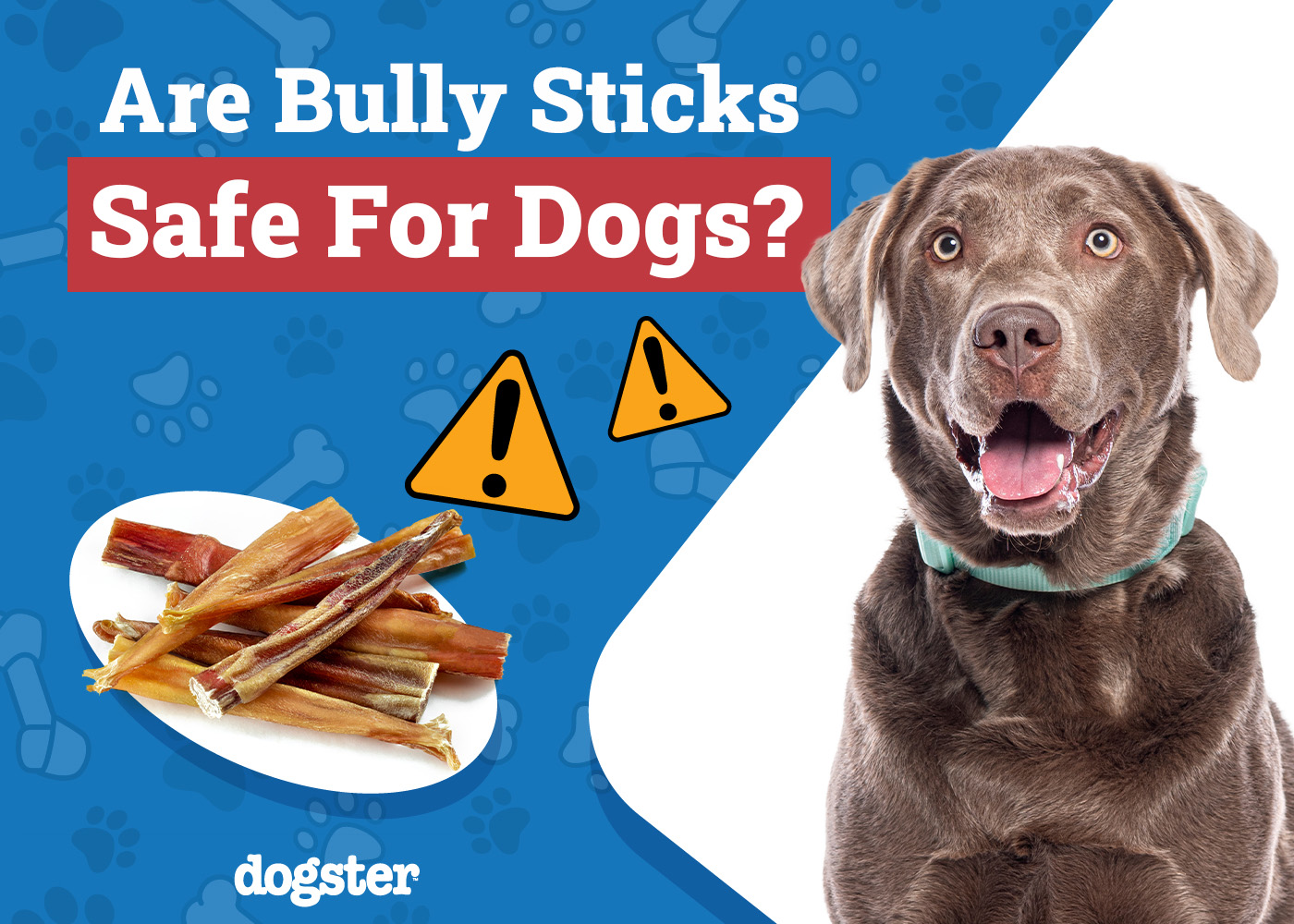
Bully sticks are growing in popularity in the dog community because they are safe, attractive, and healthy for canines. Generally, these snacks are made of a rather interesting ingredient, to say the least. Bully sticks are made from beef muscle—more specifically, bull penis. While that might sound not-so-yummy to you, these sticks are a terrific source of protein, amino acids, and omega fatty acids.
On top of being nutritionally friendly, the chewy texture can help reduce dental bacteria and plaque. You can find bully sticks at virtually any pet shop or online, and most selections are affordable.
Because of their texture, bully sticks are perfect for mild to moderate chewers and pose less of a risk of bowel obstruction than some other options. These sticks are considered some of the safest chews on the market today, but they are not completely foolproof. Dogs that eat quickly could find themselves choking or with a large piece lodged in the esophagus.
Bully sticks are excellent for dogs with certain food allergies, as they only have a single ingredient. So, if you have a sensitive pup, it might be just what they need to enjoy gnawing away without the tummy upset.
One downfall of bully sticks is that they might be contaminated with bacteria1. If so, consuming a bully stick might lead to food poisoning in rare circumstances. Any type of uncooked or improperly prepared meat-related product is potentially able to pass on harmful bacteria.
Pros
- High protein
- Single ingredient
- Great for dogs with allergies (other than beef allergies)
- Might aid dental health
Cons
- Can contain bacteria
- Needs to be eaten slowly
2. Yak Cheese Chews
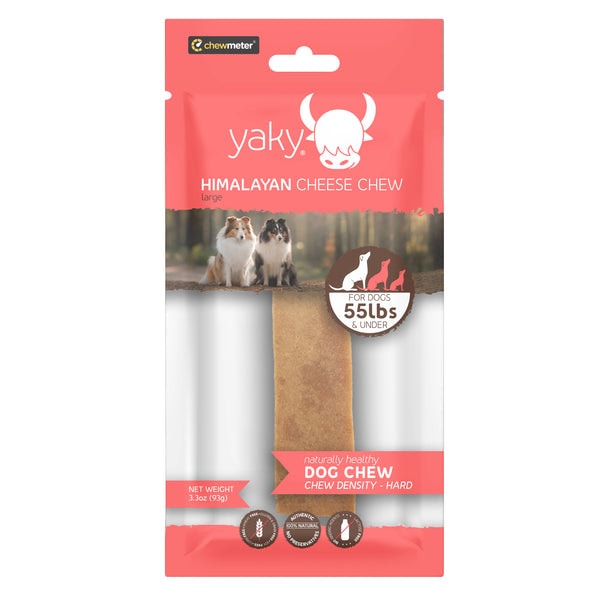
| Safety: | 4.5/5 |
| Ingredients: | Yak or cow’s milk, lime juice, vinegar |
| Suitable for: | Healthy canines with no milk allergies/intolerances |
Yak chews are growing in popularity as dog chew treats. These are generally made from a concoction of yak milk, lime juice, and vinegar or salt, so the material will boil and form into solid matter. As they are very hard, though, they can result in broken teeth for an unlucky pup. A general guide to assessing tooth safety for a chew is to check whether you can make an impression in it with your thumbnail. If you can’t, it may cause damage to a dog's teeth.
Since a yak typically has a better diet than farm cows, yak chews tend to have a more nutrient-dense profile. They contain a dose of protein, iron, magnesium, and calcium, along with linoleic acid and omega fatty acids.
Since this is essentially a hard chunk of cheese, pieces can break off and get swallowed. This is potentially a choking hazard, though it's often less harmful than, say, a swallowed hoof. The cheese naturally breaks down when it comes in contact with saliva, helping it melt.
Dogs can have lactose intolerance, so affected pups may get digestive upset from milk-based chews.2 They might also have a protein allergy that causes sensitivity to such treats. That said, since yak chews have less lactose than traditional cow's milk, they can be safer or less irritating options.
Pros
- Melts in mouth
- Loaded with vitamins and minerals
- Short ingredients list
Cons
- Some dogs can be lactose intolerant
- Potential choking hazard if not chewed carefully
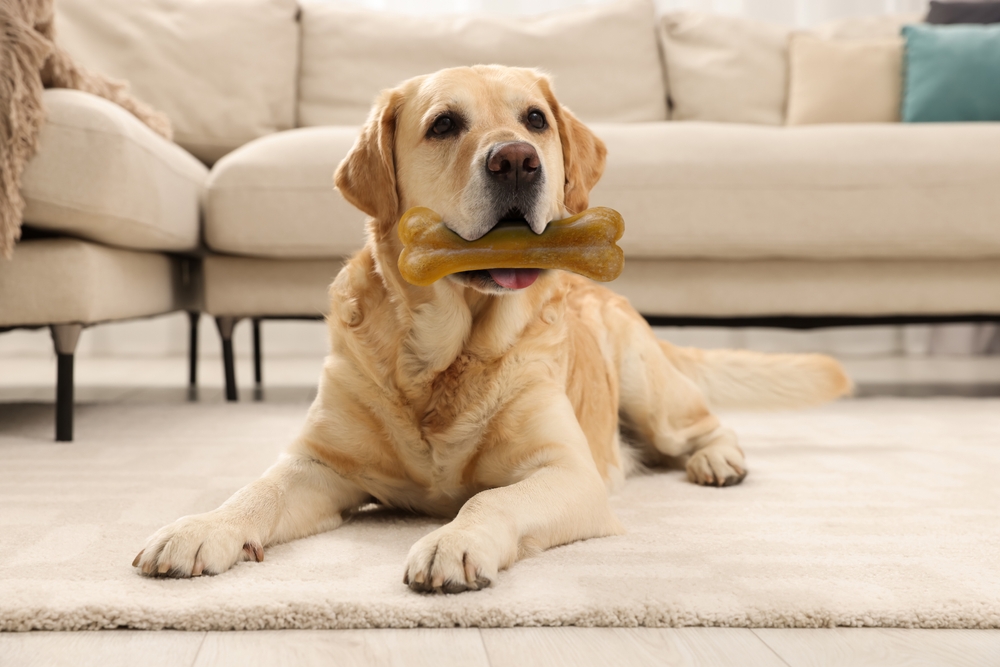
3. Synthetic Bones

| Safety: | 3.5/5 |
| Material: | Nylon |
| Suitable for: | Mild to moderate chewers |
Synthetic bones are options for dog owners to consider, as they are safer than rawhide. Generally, they are made of nylon or other artificial ingredients. At times, they can have flavoring or just be plain.
These bones shouldn’t be given to dogs unsupervised. As long as they are supervised, your dog can spend hours trying to gnaw away at the material. It lasts much longer than edible options and really seems to captivate their attention.
Nylon bones are generally safe for most canines. However, they should be avoided if you have an avid chewer. These bones can pose a genuine hazard for dogs because they can be ingested and cause major blockages in the esophagus or intestines.
Also, unless other ingredients are added, these types of chews don’t offer any type of real nutrition for your canine. So, if you are looking for a caloric boost, this isn’t the right option to select.
Pros
- Long-lasting
- Easy to find
Cons
- No nutritional quality
- Potential foreign body or choking hazard
- Will not break down in the stomach and should never be ingested
4. Natural Raw Bones

| Safety: | 2/5 |
| Ingredients: | Bone |
| Suitable for: | Mild to moderate chewers |
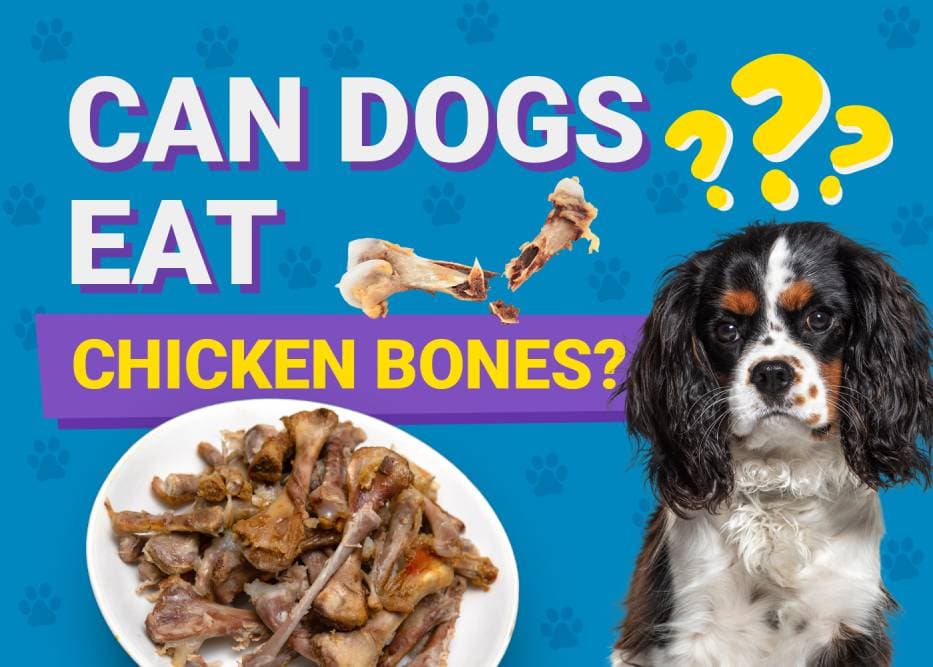
Natural bones get a bad rap because people don't understand the benefits. Cooked bones splinter and break apart, causing major hazards for dogs when swallowed. Natural raw bones, however, don't have the same splintering effect and will also clean the teeth. However, there are several serious risks.
Large, hard bones can fracture your dog’s teeth. Small bones can be ingested and cause choking and blockages in the gastrointestinal tract, even leading to intestinal perforation and even death. Raw bones can also carry bacteria and other pathogens, so there is a fair risk of contracting a disease.
Some people will argue that this is the most species-appropriate snack that you can offer your dog apart from entrails and lean meats. If you think about a dog’s origins, we know that they are related to their wolf cousins. But while wolves are obligate carnivores, dogs are omnivores that can also delight in a wide selection of plants and grains. Their digestive system has evolved from wolves, so it is not necessary to feed them bones.
Overall, bones are a matter of opinion. If you decide to offer bones to your dog, make sure they are all-natural and uncooked—always avoid boiled or baked bones. Make sure the bone is fresh and cannot be swallowed. You also have to be careful if your dog has an allergy to a certain animal protein, so you don’t give them a bone from that animal.
Pros
- Some people think that they are a natural part of a dog’s diet
- Helps keep the teeth clean
- Don’t splinter as easily as cooked bones
Cons
- Can still pose a choking hazard
5. Stuffed Chews

| Safety: | 3.5/5 |
| Ingredients: | Dependent upon product |
| Suitable for: | Mild to moderate chewers |
Stuffed chews vary depending on the product that you get, so there are no definitive ingredients to explain. We encourage you to scour the ingredients on every label before purchase.
These chews can be synthetic or made of natural ingredients. They can be stuffed with anything from peanut butter to meaty pie. They can entice your pup to chew due to the flavor and tend to pose slightly less of a chance of total bowel obstruction if swallowed.
Since there is no one-size-fits-all stuffed dog bone, look for potential allergy or sensitivity triggers. It can also cause an uptake of calories, making these chews unsuitable for overweight pets.
Pros
- Easy to locate
- Appetite enhancing
- Variety of products
Cons
- Can trigger allergies or sensitivities
- Not ideal for overweight pets

What to Look For in a Chew
So, if you are in the market for chews for your dog, what should you be looking for?
Hardness
The hardness level is a vital aspect when you're thinking about buying chews for your dog. While most dogs love chewing on hard surfaces, if a chew is too tough, it can cause dental damage and gastrointestinal obstructions.
There's a sweet spot that makes a certain chew perfect for a dog, mainly depending on its overall composition and the aggressiveness of the chewing.

Durability
You'll certainly want the chew to hold up to its intended purpose. The last thing you want is to get a chew that you think will be long-lasting, and your dog tears it to bits in just a few minutes.
Also, you don’t want the chew to be so stiff that they can’t chew it. You want it to be appetizing without being hazardous.
Size
Since chews tend to last a long time, as they are meant for long-term chewing sessions, size is important. If you get a chew that is too big, it can be uncomfortable or even impossible for your little dog to chew.
If you buy a chew that is too small for a large dog, it can pose a major choking hazard.

Additives
It is essential to read over any ingredients in the chew. Even if you think a chew is all natural and made from one substance, manufacturers can add certain chemicals or preservatives to make it last longer. Dogs can be sensitive to certain chemicals, dyes, preservatives, and other additives.
They can also have food allergies that can make them intolerant to certain ingredients. Fortunately, the labels should be straightforward, so always do a quick check to make sure there’s nothing you’re overlooking.
Additional Factors to Consider
Your Dog’s Behavior
There is no one-size-fits-all solution for dog chews. Some dogs chew delicately over time and never swallow any big chunks. These dogs are a lot safer with some of the chews on this list. Other dogs attempt to swallow a chew whole and are at a much higher risk of problems. There are certain dogs that should never be given anything that won’t break down in their stomachs, including bones and synthetic chews.
Types of Chews to Avoid
Chews have notoriously been associated with dangers. Common veterinary emergencies involve dogs swallowing large pieces of inedible or otherwise bulky items. Here are the main chews to avoid, especially if you have an aggressive chewer.

Cooked Bones
Cooked bones splinter into shards, making them definite no-nos. These pieces can get lodged in the gastrointestinal tract, and they can break into shards, wounding the mouth, esophagus, stomach, and intestines.
Emergencies Related to Chews
Dogs love to chew on things, even things that they shouldn't! It is no wonder that intestinal blockages and choking are so common. Chews can easily cause intestinal blockages that can lead to partial or complete obstructions. These obstructions may pass in some cases and require emergency surgery in others. It's certainly not worth the risk, and not all pet parents can afford the procedure. This could lead to losing a pet prematurely.
Buying the appropriate chews and toys can prevent untimely accidents or death.
Conclusion
Chews are essential for all canines, no matter their chewing level. Dogs will chew on something regardless of what it is, so you should always make sure it is safe and even healthy or beneficial for your pet. Chews should be free of any harmful additives or splintering potential.
Hopefully, this article has given you a few terrific ideas so you can give your peppy pup the chewing pleasure they deserve.
Sources
Featured Image Credit: New Africa, Shutterstock
Expert dog care, straight to your inbox
Vet-reviewed advice, training tips, and the best of Dogster. Free, and you can unsubscribe anytime.
By signing up, you agree to our Terms & Conditions and Privacy & Cookies Policy.
Ashley Bates is a freelance dog writer and pet enthusiast who is currently studying the art of animal therapy. A mother to four human children— and 23 furry and feathery kids, too – Ashley volunteers at local shelters, advocates for animal well-being, and rescues every creature in need. Her mission is to create awareness, education, and entertainment about pets to prevent homelessness. Her specialties are dogs and cats.
Join the conversation
Ask a question, share your story, or send private feedback.