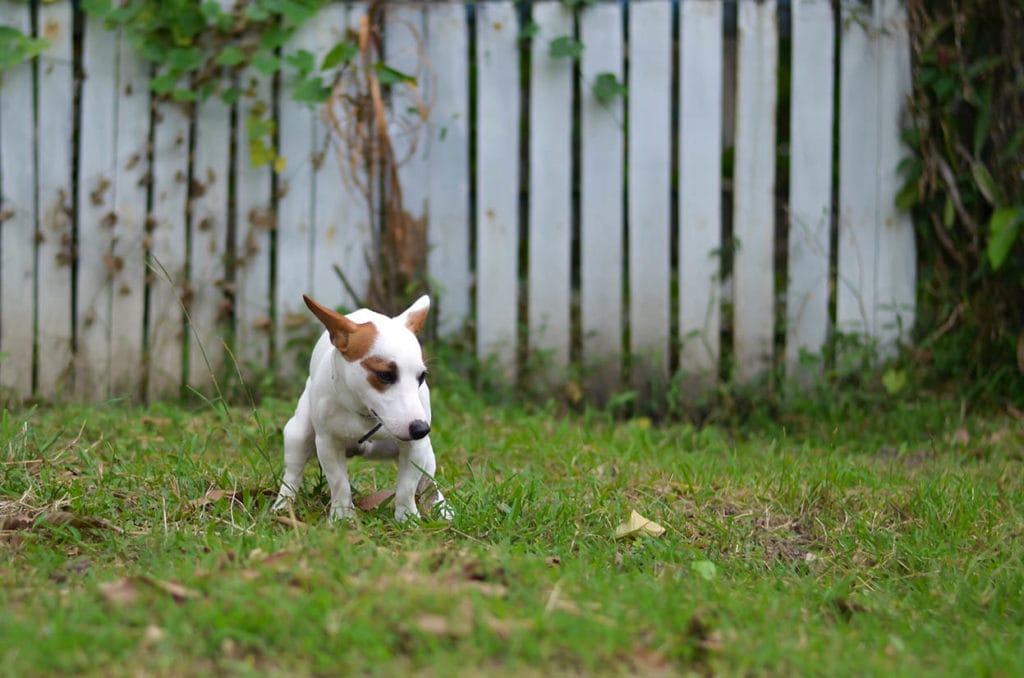
If your old dog has lost consciousness and collapsed, you might assume they have had a seizure. While it could be a seizure, the diagnosis should come after talking with a vet, as plenty of other problems, such as heart disease and vestibular issues, for instance, can cause your old dog to collapse.
Then again, some seizures are more subtle than others and may look like unusual twitching or behavior. However, if your vet has confirmed that your dog’s episode was a seizure, you might be keen to find out more about seizures, specifically in older dogs. Unfortunately, older dogs are more likely to suffer from seizures due to metabolic problems or brain tumors, while younger dogs are more likely to have epilepsy or an infectious disease.
You can’t diagnose seizures based on your dog’s age alone, and thorough vet treatment is essential for the best outcome for your dog.

What Are Seizures?
Seizures are signs caused by abnormal electrical brain activity. There are four kinds of seizures:
- Generalized seizure: Causes loss of consciousness and body spasms due to the entire brain being involved
- Partial seizure: Abnormal movements in one body part and no loss of consciousness because only part of the brain is involved in the seizure
- Complex partial seizures: Abnormal behavior, aggression, or hallucination-like appearance due to a seizure in one part of the brain
- Absent seizures: Vacant expression and lack of response due to seizure activity are rarely noted in dogs
There are also different kinds of seizures based on how often they occur or how long they last:
- Cluster seizures: Two or more seizures within 24 hours.
- Acute repetitive seizures: Two or more seizures within 5–12 hours
- Status epilepticus: Continuous seizure for 5 or more minutes, or two or more seizures with no recovery between seizures

What Are the Signs of Seizures?
Your dog will behave abnormally when they have a seizure, which is out of their control. Before the seizure itself is the “pre-ictal period,” during which a dog may be exposed to a trigger or show signs they are about to seize. After the seizure, a period of disorientation, known as the “post-ictal period” is normal for a few minutes.
Signs your dog is having a generalized seizure include:
- Anxiety or abnormal behavior before the episode
- Collapse
- Uncontrolled limb movements
- Violent shaking
- Frothing at mouth
- Loss of consciousness
- Stumbling
- Vocalizing
- Uncontrolled urination or defecation
- Stiff body
- Extended limbs
Absent or partial seizures can cause signs like:
- Standing and staring, non-responsive
- Fly biting
- Jaw chattering
- Twitching of one body part
- Aggression
Seek veterinary advice if you’re concerned about your pet’s well-being.
If you need to speak with a vet but can't get to one, head over to PangoVet. It's our online service where you can talk to a vet online and get the advice you need for your dog — all at an affordable price!

What Are the Causes of Seizures?
Causes Outside the Brain
Extracranial causes of seizures originate outside of the brain. Since the brain is healthy to begin with, they are sometimes called reactive seizures. Seizures can occur in response to:
- Low blood sugar
- Low blood calcium, which commonly occurs in lactating dogs
- Liver disease
- Liver shunts
- Kidney disease
- Drugs like Isoxazoline flea and tick products
- Toxins like metaldehyde, caffeine, and theobromine (found in chocolate)

Causes Inside the Brain
Intracranial causes of seizures originate within the brain. Some forms of brain disease can cause seizures, including:
- Brain tumors e.g. meningiomas
- Previous trauma which causes scarring of the brain
- Infectious diseases like rabies, distemper, toxoplasma, and neospora
- Inflammatory diseases like meningoencephalitis of unknown origin (MUO)
- Cerebrovascular accident (stroke)
Causes in Older Dogs
In older or geriatric dogs, having their first seizure, congenital problems are unlikely. Brain tumors, strokes, kidney disease, and liver disease are more likely. Older dogs can also suffer seizures from toxins or infectious diseases, but it is considered less likely.

How Do I Care for a Dog With Seizures?
First, you should speak to a vet. Your vet will take a history and examine your dog to get a better picture of what’s going on. They will likely recommend a blood test to ensure your pet’s organs are functioning well and rule out metabolic problems.
An MRI scan is the only option for imaging the brain, but it is not always pursued due to the cost. It is up to you whether you want your dog to have an MRI. In some cases, anticonvulsant medication is prescribed to dogs with frequent seizures.
You should also make some adjustments at home to make your dog’s life more comfortable and keep them happy.
- Monitor quality of life: If your dog is nearing the end of their life, the most important factor is that they are comfortable. You can make their life more enjoyable by keeping them involved in family life, spending time with them, and helping them around the house. For example, you can install ramps if you need to. You should keep your pup clean and groomed and turn them to prevent bed sores if necessary.
- Keep a seizure diary: We recommend keeping a diary that includes details of seizures so you can give your vet accurate information.
- Reduce hazards: We recommend never allowing your dog to swim since seizure dogs can drown even in shallow water. Block off any dangerous areas of the house, such as fireplaces, pools, and stairs.
- Avoid triggers: Some dogs have triggers for seizures, like light, sound, and movement. Stress is the most commonly reported trigger, so if your dog has specific phobias, try to avoid them. Dogs with epilepsy often have behavioral problems, and behavioral treatments can be helpful, so talk to your vet about any behavior concerns.
- Follow your vet’s instructions: Administer any medication according to the vet’s instructions. Never stop medication simply because it is working and your dog hasn’t had any seizures for a while. Stopping and restarting medication can worsen seizures, as can irregular dosing schedules. Your dog will likely need follow-up checks, too.
- Know what to do when your dog has seizures: If your dog loses consciousness during a seizure you will have to act to keep them and yourself safe. Remove anything from the vicinity that could be a hazard. Remember, dogs can accidentally bite during a seizure so stay away from their heads. They are unconscious, so there is no need to comfort them.
- Know when to seek help: If your dog is in status epilepticus (a seizure lasting more than 5 minutes or back-to-back seizures), it is an emergency. Your pet could die because of high body temperature. If your dog has more than three seizures in 24 hours, they should also be seen urgently for further seizure control. Other than that, whether you need to see a vet depends on your pet’s condition so ask your vet what to do if your pet seizures again.
Frequently Asked Questions (FAQ)
Is It Normal for Older Dogs to Have Seizures?
No, a seizure is never normal; it represents abnormal brain activity. You should never dismiss a seizure as a problem of old age since it is a sign of disease.
When Should You Euthanize a Dog With Seizures?
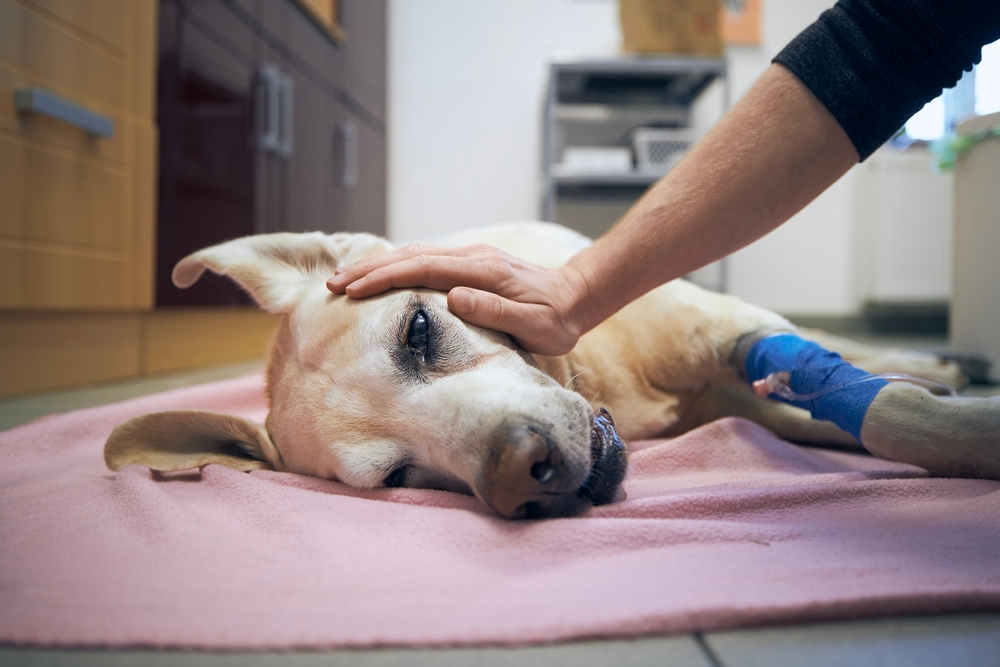
The most important thing for your old dog is their quality of life. Everyone has different resources for helping their dog, including time and money. If you have given your dog the best help you can, and the seizures still impact their everyday life and well-being, it may, unfortunately, be time to euthanize them.
Some older dogs have conditions on top of the seizures that make their lives painful. You should talk to your vet to discuss the best options for your dog.
Conclusion
A dog’s age and signs are not a diagnosis for seizures. Older dogs’ seizures can be caused by anything mentioned in this article. However, they are more likely than younger dogs to have a brain tumor, metabolic disease, or a stroke.
A blood test is a good first step to ensure your dog’s organs are functioning well. If your old dog has recurrent seizures, medication can help manage their quality of life. Advanced imaging and treatments are available at referral centers to help dogs with brain tumors.
Featured Image Credit: ARVD73, Shutterstock