In this article
It is any dog owner’s worst nightmare to find their dog collapsed. When your dog collapses, they experience a sudden loss of strength that results in them falling and being unable to get up again. They may also experience weakness, confusion, disorientation, and stagger around before they collapse.
Collapse can be caused by many different issues of varying severity. These can include low blood sugar, heart disease, breathing issues, pain, blood loss from hemorrhage, Addisonian crisis, and seizure activity. If you find your pet collapsed, you need to ensure they are safe, then contact your vet immediately.
Collapse is not that common in dogs, but it is a medical emergency if it occurs. To quickly determine the cause of the collapse and get the right treatment, you need to prioritize getting your dog to your vet. It can be a scary time for owners but knowing what to do in these situations can help to remain calm and do the right thing.

My Pet Has Collapsed, What Do I Do Now?
Follow these steps if you find your dog collapsed:
1. Make sure your pet is in a safe place.
Ensure your pet is somewhere safe and away from any immediate danger, for example, by a road or near a river. If necessary and possible, use a blanket or towel to move them. Although you might be panicking, try to talk to your pet calmly and measuredly so that they don’t panic.
2. Check them over.
Check your pet over so that you can report any of the following clinical signs to your vet to give them a better idea of what is going on:
- Unresponsive
- Struggling to breath
- Not breathing at all
- In pain
- Unable to move
- Bleeding
- Swollen abdomen
- Pale gums
These things will give your vet clues as to what caused the collapse and allow them to plan for your arrival at the veterinary hospital.
3. Take your pet to your vet.
Even if your pet seems to recover, there may still be a serious underlying health issue that needs veterinary attention. Your vet will need to examine them to try and understand what happened.
What Can You Do to Help Your Dog?
While you are waiting for veterinary assistance, owners must be aware of the immediate actions that need to be taken if their dog collapses. This does depend on whether your dog is breathing and whether they are responsive or not.
If your dog has collapsed but is breathing and responsive, try to remain calm and move them into a vehicle to transport them to your vet. If someone is with you or you have the facilities to do so safely, ring your vet to alert them you are bringing a collapsed dog to the hospital.
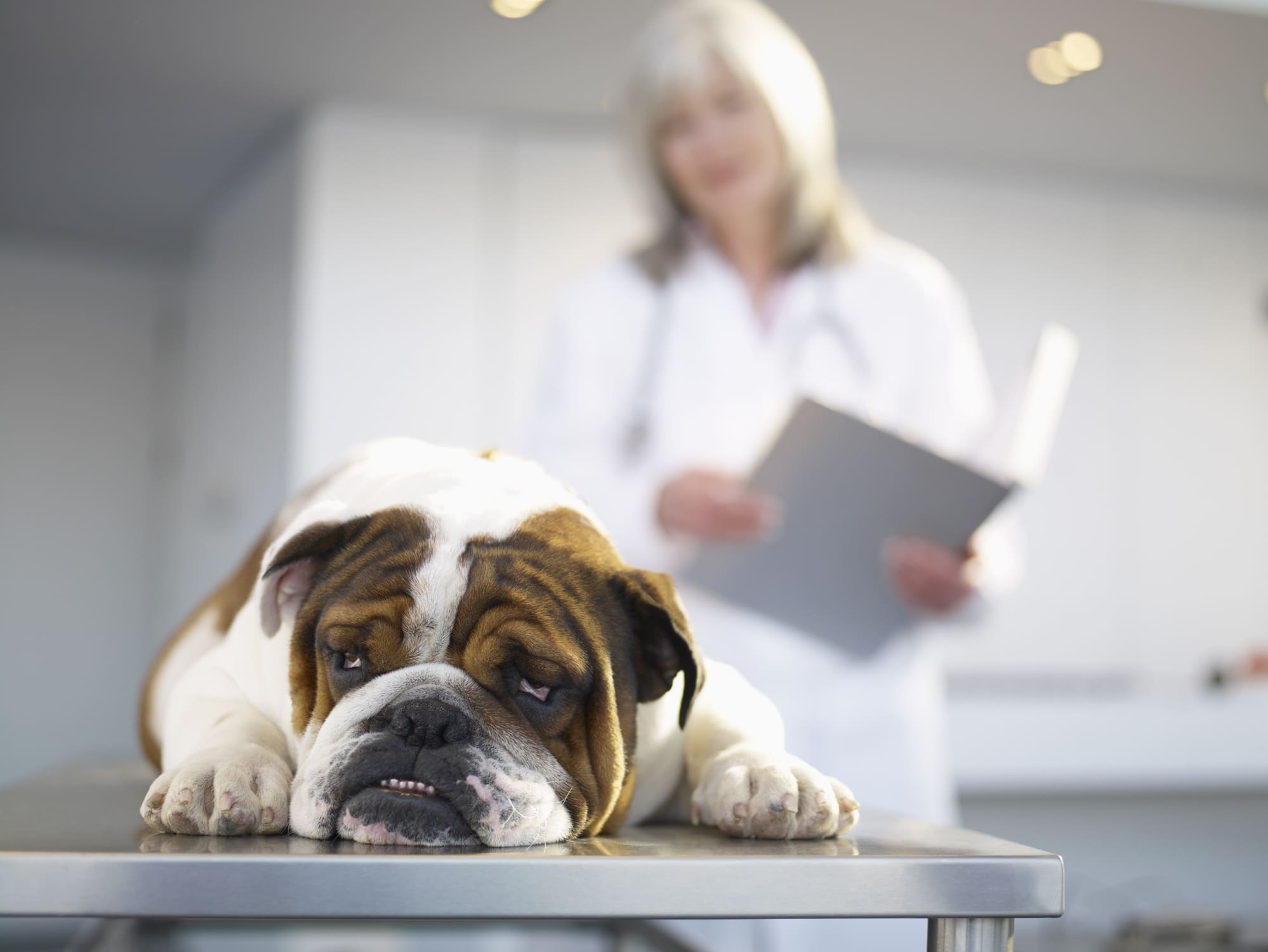
When you get to your vet, they will triage your dog. Your vet will attempt to stabilize your dog and take some baseline blood tests. It is very important that you provide your vet with all the relevant clinical history such as if they have eaten something they shouldn’t have or if they were running around in warm temperatures. This will help your vet tailor their treatment plan.

What Are the Causes of Collapse in Dogs?
Collapsing is a clinical sign of an underlying issue. Potential causes of collapse include:
1. Heatstroke
Dogs cannot control their body temperature the same way humans do by sweating. They only have a small number of sweat glands on their paws. Their main method of regulating their body temperature is by panting. Dogs are prone to overheating. Heat stroke can occur in the warmer months of the year or after bouts of vigorous physical exercise. If your dog is dehydrated, this can exacerbate the condition even more.
If your dog is suffering from heatstroke, they may start to pant, they will have dry or sticky gums, and they may appear lethargic before they collapse. It is worth noting that any sort of overexertion or dehydration can cause collapse so owners must always be vigilant when exercising their pets.

2. Anaphylaxis
Anaphylaxis is an immediate and severe reaction triggered by something your dog has been exposed to. It occurs when the immune system overreacts. It is a hypersensitivity reaction to a foreign protein in their environment known as an allergen. Your dog will have been exposed to the allergen before an anaphylactic reaction occurs.
Common signs of anaphylaxis include breathing difficulties, itching, swollen face, hives all over the body, vomiting and diarrhea, as well as collapse. Stings from insects are a common cause in dogs. Internal swelling due to an allergic reaction can partially block or fully block the airways, causing collapse as well.
3. Cardiovascular Issues
Many different heart conditions can cause your dog to collapse. You may not even be aware your dog has an issue with their heart as, in some cases, they cause collapse with no previous clinical signs.
Conditions such as arrhythmias, cardiomyopathy, heart valve disease, and pericardial effusion can all cause issues with blood flow and the delivery of oxygen to vital tissues. This often leads to collapse.
4. Electrolyte Imbalance
If your dog has low amounts of substances like potassium or magnesium, this can have an adverse effect on muscle function. It can also affect the strength and rhythm of the heartbeat, which causes collapse as well.
5. Shock
There are different types of shock (for example, hypovolemic, cardiogenic, distributive), which can be caused by things such as large amounts of blood loss or heart failure. These can all lead to collapse very quickly.
6. Respiratory Issues
There are various issues relating to respiratory disease that can lead to collapse. If a lung infection is present or fluid builds up in the lungs for any other reason, this can restrict oxygen and cause collapse.
If there is an upper airway obstruction, such as a foreign body or swelling due to an allergic reaction, this can partially or fully block the airways, causing collapse. Tracheal collapse is a medical condition in which the cartilage rings of the trachea are weakened and narrow, causing breathing difficulties and, ultimately, collapse.

7. Head Injuries/stroke
Any sort of trauma or bleeding in the brain can cause a disruption to vital functions and result in collapse.
8. Brain Tumors
Brain tumors can put pressure on vital parts of the brain, affecting its function. This can potentially cause collapse.
9. Seizure Activity
Neurological conditions such as epilepsy can cause muscle spasms and contractions as well as loss of consciousness. This can lead to collapse.
10. Poisons
Ingestion of anything toxic can have lots of different effects on the body’s nervous system. This can include collapse.
11. Internal Bleeding
Any conditions causing significant internal bleeding can cause vital organs to be deprived of oxygen and lead to collapse.

12. Addisonian Crisis
An Addisonian crisis is an acute medical emergency. It usually presents as weakness, vomiting, diarrhea, and collapse. If your dog has been diagnosed with Addison’s disease, it is important that owners are familiar with these clinical signs, as a dog experiencing an Addisonian crisis will require immediate veterinary attention.
If you have any concerns about your dog or their health, we recommend you contact your vet directly.
If you need to speak with a vet but can't get to one, head over to PangoVet. It's our online service where you can talk to a vet online and get the advice you need for your dog — all at an affordable price!

What Is the Difference Between Fainting and Collapse?
The terms collapse and fainting are often used interchangeably. Fainting, also known as syncope, can occur due to several different reasons. It is a temporary loss of consciousness that happens when your dog’s brain does not receive enough oxygen. The main characteristic of fainting is the loss of consciousness. Your dog will be completely unresponsive to external stimuli at this point.
Fainting usually occurs due to a dip in blood pressure and lasts only a brief period. Consciousness is usually regained in seconds or minutes. Fainting is not a disease itself but a clinical sign of an underlying disease. Collapse may involve a loss of consciousness, but not always. Sometimes, collapse can just mean falling while conscious. Collapse is a broader term that encompasses fainting as well as other causes.
Conclusion
There are many different causes for the collapse of a dog. Some are less serious; however, some can be fatal. It is always important to take your dog to your vet if they ever do collapse. A collapsed dog will require immediate veterinary attention to determine the cause of the collapse and support them.
There are many different treatments your vet may administer depending on the underlying issues.
Featured Image Credit: heathergunn, Pixabay