How to Firm Up Dog Poop: 9 Vet-Approved Tips


In this article
View 1 More +Just like people, dogs can experience stomach upset that leads to loose stools and diarrhea. Some dogs simply have a sensitive digestive system that causes loose stools, while there are also multiple medical conditions that can be a cause. There are numerous ways to firm up dog poop, but you should always have your dog evaluated by a vet before attempting to do this at home. It’s important to ensure that there isn’t an underlying medical condition causing the loose stool.

The 9 Tips on How to Firm Up Your Dog’s Poop
1. Avoid Abrupt Food Changes
Feeding your dog a high-quality diet is important to make sure that all of their nutritional needs are met. It’s just as important to stick with that diet and avoid any sudden changes. Once a dog’s digestive system gets accustomed to a diet, the good bacteria in their gut becomes efficient and effective at digesting it. If a sudden change occurs, it can throw off the balance of the bacteria and lead to things like vomiting and diarrhea. Make any food changes gradually by mixing increasing amounts of the new food with the old food over the course of 7-10 days.

2. Offer a Bland Diet
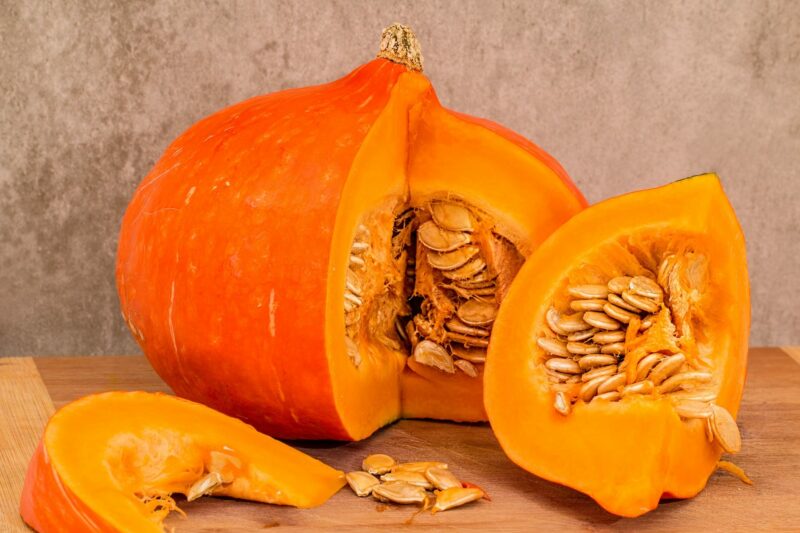
When you have an upset stomach, the last thing you probably want to eat is a heavy, rich, highly seasoned meal, and the same goes for dogs. Bland foods can help settle the stomach and make things easier on the digestive tract while it works to recover from diarrhea. Rice, pumpkin puree, and boiled chicken are good options to offer to your dog, but make sure to check with your vet before changing your dog’s diet like this.
3. Try Fasting
Fasting your dog can help the digestive tract calm down and heal from whatever irritation it has experienced without the extra workload of digestion. Typically, the fasting period lasts for 12–24 hours, and you should not withhold water from your dog unless explicitly directed to do so by your vet. Keep in mind that some dogs shouldn’t fast, so be sure to consult your vet first.

4. Suspect a Food Sensitivity
Dogs can develop sensitivities or even allergies to some of the common ingredients in dog food. For them it can mean diarrhea, vomiting or weight loss. If your dog is having long-term loose stools, talk to your veterinarian about trying a novel protein or limited ingredient diet to see if you're working with a food sensitivity.
5. Avoid Dairy
Like fatty foods, most dogs aren’t able to easily or properly digest dairy. Foods that have a higher amount of lactose, like milk, are very likely to upset your dog’s stomach. Lower-lactose foods, like hard cheeses, may not cause as much of an issue, but between these foods being both dairy and fatty, it’s best to avoid them.
Some dogs may be able to tolerate dairy for a while before it begins causing issues, but if your dog is experiencing loose stools and stomach upset, then try cutting dairy foods out of their diet entirely.

6. Add Fiber
Soluble fiber helps to absorb excess water from the digestive tract, which reduces the runniness of the stool and adds bulk to stool, making it firmer and easier to pass. Fiber can be added to your dog’s diet through multiple additives. Plain pumpkin puree—not pumpkin pie filling—is often the go-to since it’s high in fiber and low in calories. Carrots, squashes, and other high-fiber fruits and veggies can be given. You may also add an unflavored fiber supplement to your dog’s food, but it’s best to talk to your vet about the options before doing this.
7. Use Probiotics
The good bacteria that colonize the digestive tract are an essential part of healthy digestion and immunity. If something has thrown off your dog’s good bacteria, then they may experience stomach upset. Doggy probiotics can help to recolonize the digestive system with good bacteria to support healthy digestion.
It’s important that you opt for probiotics that are designed for dogs, though. The good bacteria in your dog’s gut are not quite the same as the good bacteria that humans have, so providing dog probiotics will provide a much closer match.

8. Cut Out the Human Foods
Human foods can contain a lot of fat, especially in proportion to the size of your dog. Fatty foods can lead to stomach upset in dogs, much like they can in humans. Avoid giving your dog fried foods of any kind, as well as other types of fatty foods, like pastries. If your dog has consumed a fatty meal and begins to experience loose stools, then they should see a vet. Pancreatitis can occur after consuming fatty foods and this condition can be very unpleasant and even deadly for your dog.
You’ll also want to avoid anything with seasonings as some of these can actually be toxic. Your best bet–avoid human foods all together.
9. Talk to Your Vet
Since there are so many things that can cause diarrhea to occur, your dog may simply need to see your vet for a proper diagnosis, especially if they’re showing other signs of vomiting, not eating or stomach pain. Your vet will be able to give you guidance on how to properly manage your dog’s diarrhea.
No Matter the Cause, Maintain Hydration
When your dog has diarrhea, or even chronic loose stools, maintaining hydration is very important. A dog can lose a lot of fluids through their stools, so be sure they always have fresh, clean water available and that they are drinking. You may up their water intake by offering canned food or by moistening their dry kibble with a little water.

Conclusion
Loose stools can be a frustrating and tricky thing to deal with. Your best bet is to speak to your veterinarian before trying to firm up your dog's poop at home, so that they can make sure there isn’t a medical condition behind their loose stools and advise you on which route is best to proceed with.
Sources
Featured Image Credit: Stowen Seto, Shutterstock
Expert dog care, straight to your inbox
News, insights, expert advice, and everything dog.

No spam — unsubscribe anytime.
By signing up, you agree to our Terms & Conditions and Privacy & Cookies Policy.
How useful was this post?
Click a star to rate. You can leave written feedback afterwards. (We read all feedback.)
Brooke Billingsley spent 9 years as a veterinary assistant before becoming a nurse in 2013. She lives in Arkansas with her boyfriend, and loves all animals; currently sharing a home with three dogs, two cats, five fish, and two snails. She has a soft spot for special needs animals and has a three-legged senior dog and an internet famous cat with acromegaly and cerebellar hypoplasia. Fish keeping has become a hobby of Brooke’s and she is continually learning how to give her aquarium pets the best life possible. Brooke enjoys gardening and keeps a vegetable garden during the summer months. She stays active with yoga and obtained her 200-hour yoga teacher certification in 2020. She hosts a podcast focusing on folklore and myth and loves spending her free time researching and writing. Brooke believes that every day is an opportunity for learning and growth and she spends time daily working toward new skills and knowledge.