How to Trim Your Dog’s Nails at Home: Vet-Approved Step-by-Step Guide


In this article
You are not alone if you're a dog owner struggling to clip your dog's nails. Many pet parents feel uncomfortable trimming their dog’s nails for fear of trimming a nail too short, which can cause pain for the dog. Some dogs also have high anxiety about nail trimming. You always have the option of having your veterinarian or grooming professional trim the nails for you. Still, this is an added expense that some people do not have in their budget.
Unfortunately, trimming your dog’s nails is a must, and if you feel you can tackle this yourself, read on to learn tips and tricks on how to do the job safely to avoid pain and stress for your dog.

Preparation
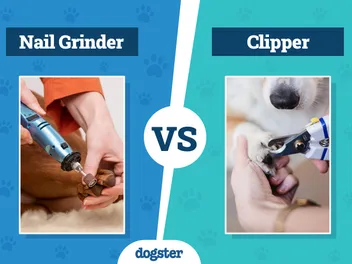
Before you begin, having an excellent pair of nail trimmers is essential. If the nail trimmer is cheaply made and has a dull blade, the experience will be painful for your dog, so always keep the blades sharpened. You should also have plenty of small treats on hand for rewards. It’s wise to have a nail grinder, too, so you can file the nail after trimming, if necessary. However, note that walking your dog on pavement or a similar hard surface will naturally file the nails down if done often enough.
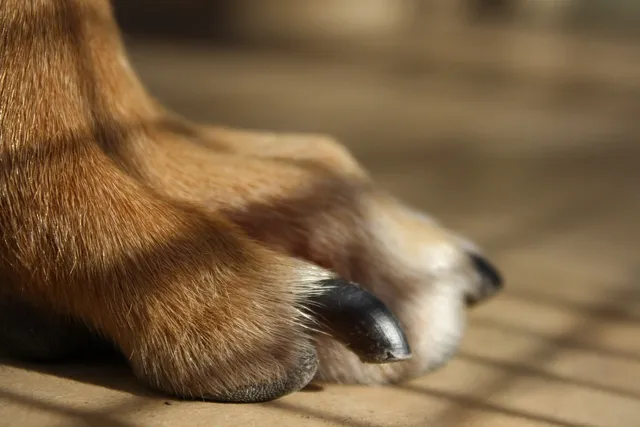
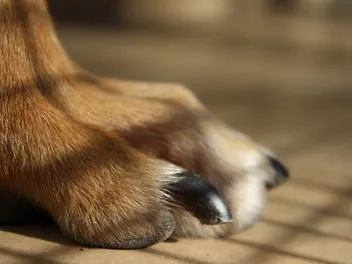
Lastly, if you cut the quick (the soft cuticle inside the dog’s nail which contains a blood vessel and nerve ending), which does happen occasionally, especially with dark nails, having styptic powder on hand is convenient to stop the bleeding. You can also use cornstarch or flour. Simply dab a little on a tissue and press it to the infected area until the bleeding stops.
One last thing: If you happen to cut the quick, your dog will likely yelp or cry, but don’t panic! While it’s not ideal, it does happen, and you should soothe your dog with coos (and a small treat won’t hurt in this situation, either). We’ll explain how to avoid cutting the quick in our step-by-step guide.

Step-By-Step Guide for Trimming Your Dog’s Nails at Home
1. Bust Out the Nail Trimmer
With your dog relaxed, let them see the clippers and sniff them if they want. Your dog may become immediately afraid at the sight of nail clippers if they have had a traumatizing experience in the past. If your dog is a puppy, the nail trimmers will likely be a new object to investigate and may not cause any fear initially. Nonetheless, regardless of age or past experiences, your dog needs to overcome the fear to have successful future nail trimmings.
Always use a soothing voice when holding the nail trimmers and make the atmosphere as positive as possible while the nail trimmers are present. Verbally praise your dog and give them a treat each time they sniff the clippers or if they don’t seem bothered by the clipper's presence. Repeat this several times a day for roughly 2 weeks to help your dog feel comfortable with the clippers before moving on to the next step. You can also apply this step for nail grinder acclimation.
2. Gently Pick Up a Paw

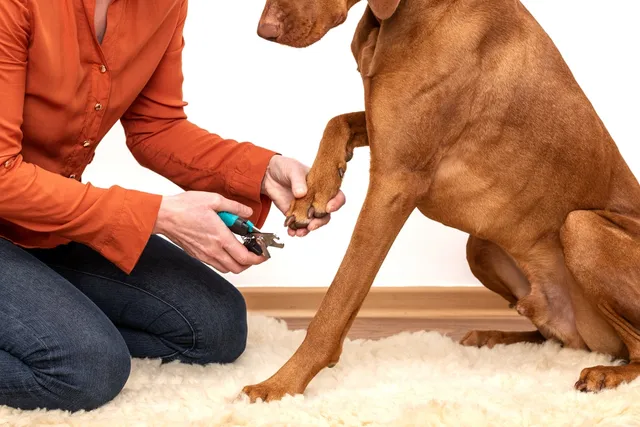
Lightly touch and massage the shoulder and work your way down to a paw to help your dog relax (pick a front paw so your dog can see you face to face). Begin massaging the paw and toes to acclimate your dog to having the paws rubbed. Be sure to touch the nails while talking in a soothing, soft voice.
Apply slight pressure to the nails and watch for your dog’s reaction. If they react positively and don’t pull the paw away, reward them with a treat. If they do pull the paw away, stop and try again every few minutes; you can go back to massaging or petting your dog elsewhere to help them relax yet again.
3. Bust Out the Nail Trimmer, Again
By this stage, your dog should be somewhat familiar with the clippers. While holding a paw, open and close the clippers in your dog’s presence to familiarize them with the clipper’s sounds. Do this repeatedly while speaking in a soothing and calm voice, and don’t forget to compliment the action with small treats and vocal praise.
Gradually close the space between your dog and the clippers, all while cooing and speaking calmly and without touching your dog with the clippers. When your dog sniffs the clippers or doesn’t show anxiety or fear of the clippers, reward them with verbal praise or a small treat—only then should you move to the next step.
4. Combine the Clippers With Paw Handling

This next step is crucial in getting your dog comfortable with the feel of the clippers, especially while you’re holding a paw. While sitting on the floor and holding a paw, open and close the clippers repeatedly, gradually moving the clippers closer while giving praise. If your dog stays relaxed, gently touch the clippers to a toe, keeping a soothing voice. You can reward with another treat if necessary. If they become anxious, stop and try again in a few minutes. Repeat this step as necessary.
5. Attempt the Nail Trim
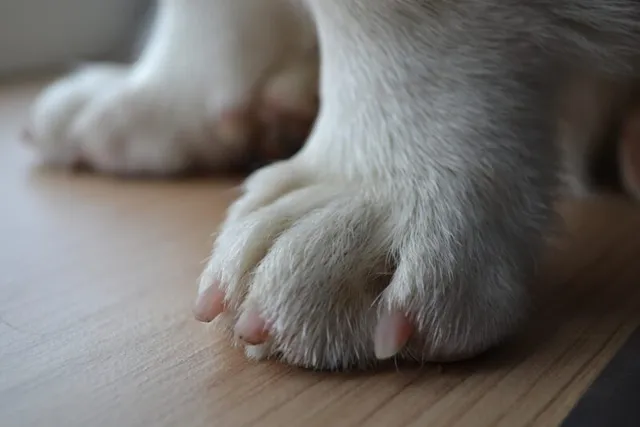
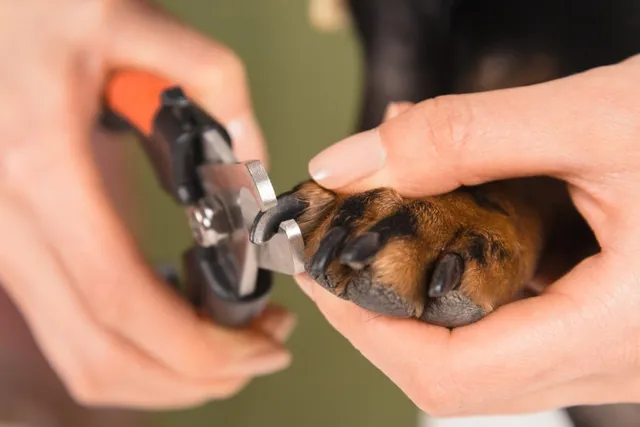
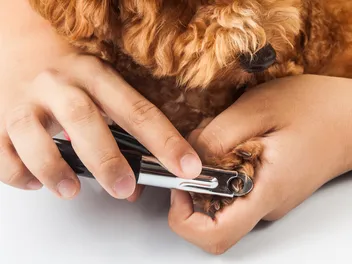
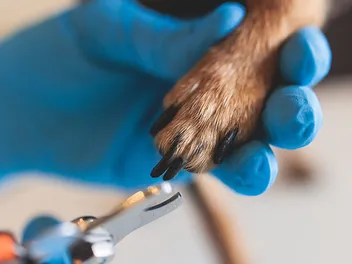
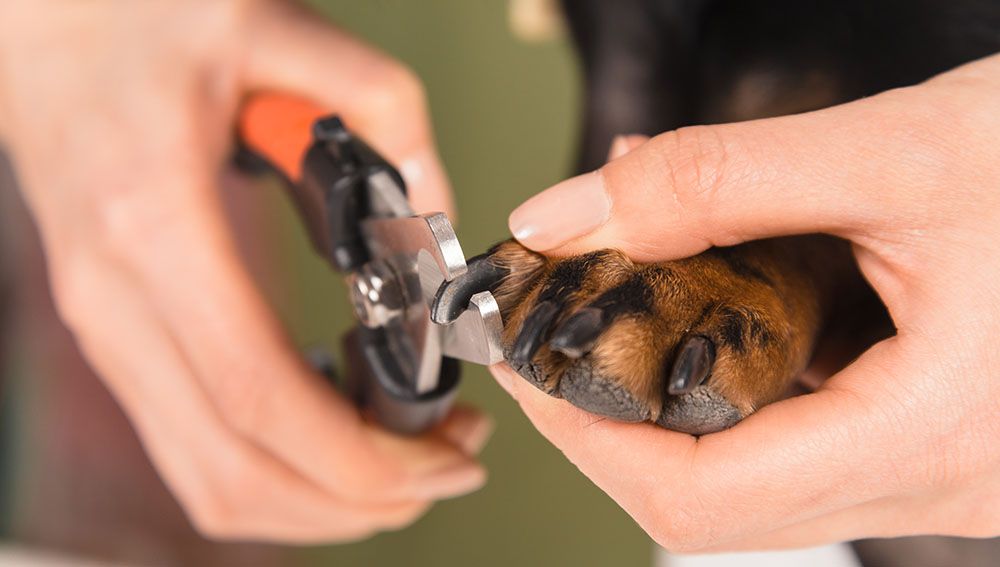
Take a nail with your thumb and forefinger to gently expose the nail. Snip the very tip of the nail and give both verbal praise and a treat. You don’t want to cut off too much to avoid cutting into the quick. With light-colored nails, you can typically see where the blood supply in the nail starts, as it is a pinkish area located at the curve of the nail.
Do not attempt to trim all nails in one session to avoid overwhelming your dog. For better success, trim two nails at a time, followed by a break and reward.

Frequently Asked Questions (FAQ)
Why Do Dog Nails Need to Be Trimmed?
Long nails are painful for dogs. When they hit the ground when they walk or run, the nails push into the nail bed, putting pressure on the joints and toes, causing the nails to bend to the side or uncomfortably twist.
Long nails, especially the dew claws or “thumbs,” can also grow into the pads, causing pain and injury. Another issue is they can get snagged on something, causing a nail to rip off and expose sensitive nerve endings, resulting in great pain. Infection can also set in with these types of injuries, requiring pain medications and antibiotics, all of which can be avoided with a simple nail trim.

What to Do if Your Dog Will Not Allow You to Trim the Nails
Some dogs will fight tooth and nail—pun intended—when it comes to having their nails trimmed, leaving both you and your dog stressed. Some dogs act like you’re the worst creature in the world by attempting to trim the nails while crying out before you even touch the paw pads, so what should you do?
Always aim for a nail trim when your dog is relaxed or even tired from a play session. Gradually touch the paws and massage the toes before allowing your dog to see the nail trimmer. Don’t forget to praise when your dog doesn’t object to having the paws massaged or when they’re calm when seeing the trimmer. If your dog freaks out, stop and try again some other time.
If your dog is too anxious when you attempt to trim the nails, it’s important to allow your vet or professional groomer to do it for you. Signs of extreme anxiety include excessive trembling, panting, drooling, and even aggressive behavior (nipping or growling).
If you need guidance on trimming your dog's nails, we suggest you speak to a vet.
How Often Should I Trim My Dog’s Nails?
How often to trim the nails depends on how fast your dog’s nails grow and how much time they spend playing outdoors. When dogs spend a good amount of time engaging in outdoor activities, such as running and walking (especially on hard surfaces like concrete), the surface will naturally wear the nails down.
Some dogs require a nail trim every 1 to 2 weeks, while others only need it done every 3 to 4 weeks or longer. If you can hear your dog’s nails clicking on a hard surface when walking, it’s time for a nail trim.

Conclusion
With a few simple steps, you can successfully trim the nails at home. Always use positive reinforcement to acclimate your dog, and never yell at your dog while attempting to trim the nails, as this will only make your dog afraid, and you'll be unsuccessful.
Don't forget to use small treats and vocal praise, and enlist your vet or groomer's help if you cannot trim them yourself. You can also ask your vet to show you how to trim the nails for future reference.
Sources
Featured Image Credit: Duet-PandG, Shutterstock
Expert dog care, straight to your inbox
News, insights, expert advice, and everything dog.

No spam — unsubscribe anytime.
By signing up, you agree to our Terms & Conditions and Privacy & Cookies Policy.
How useful was this post?
Click a star to rate. You can leave written feedback afterwards. (We read all feedback.)
Rachel Giordano is a writer and musician living in Pensacola, Florida, with her partner and their two dogs, Aero, a Border Collie/Sheltie mix and Sophie, a Boston Terrier. Rachel holds a Bachelor of Arts degree in communication and loves writing about animals of all types. When she’s not writing about pets, she loves to write suspense/thriller novels. A musician by night and writer by day, she enjoys educating the public about the needs and requirements of animals, big and small.