In this article
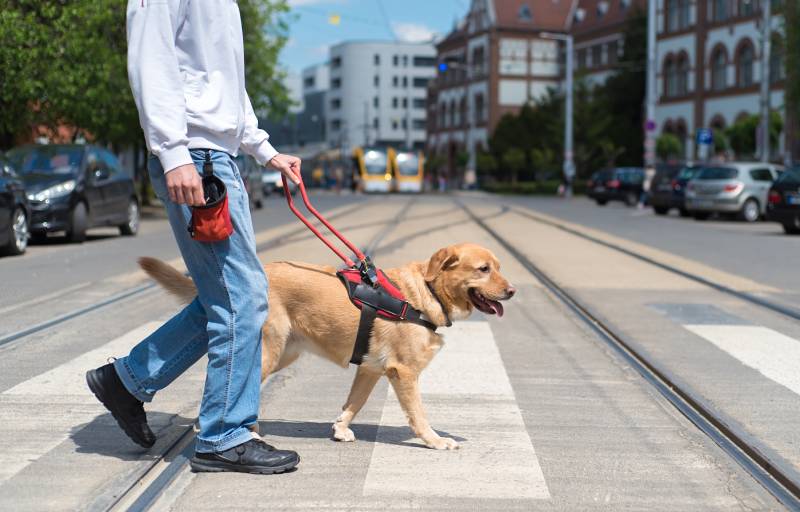
According to the Centers for Disease Control and Prevention (CDC), roughly 12 million people aged 40 years or older in the US live with some kind of visual impairment.1 Many associate guide dogs as being eyes for their owners. While of course they serve this role primarily, these service animals are so much more. They can help many individuals function confidently and independently while providing companionship.
Being a guide dog is a lifelong job. However, not all pups are suited to this demanding work. Years of experience have shown that some breeds are better suited to this role. Thanks to the tireless efforts of instructors, volunteers, and support personnel, many people can realize a new lease on life with the help of their guide dog. Let’s learn some even more interesting facts about guide dogs below.

The 10 Facts About Guide Dogs
1. Guide Dogs for the Blind Undergo Extensive Training
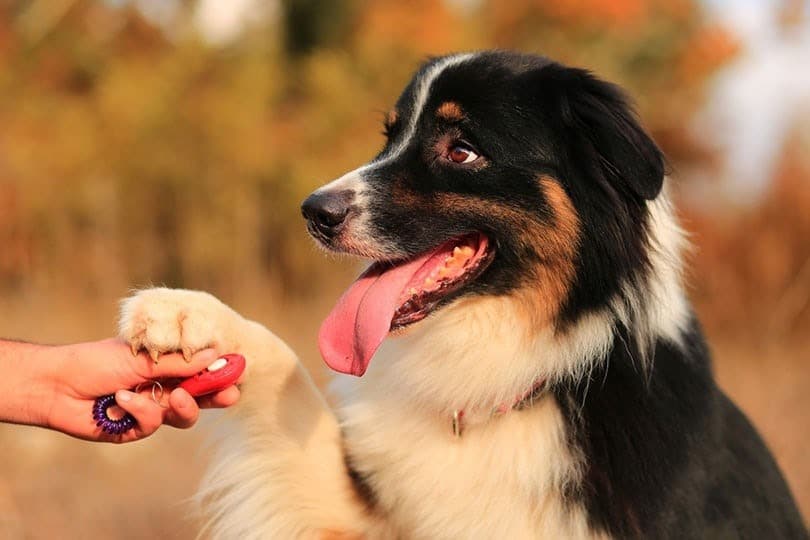
According to Seeing Eye, an organization that breeds and trains dogs to become guide dogs, training starts at 8 weeks old, when selected puppies are placed in the homes of trained volunteers. These individuals undertake the vital tasks of socialization and teaching basic commands. Once a pup is between 13 and 19 months old, they are returned to the Seeing Eye campus for a 4-month training course to learn their new role with a sighted instructor.
Once their skills are confirmed, the dogs are matched with their new owners. An additional 18 or 25 days of training occurs with the guidance of the instructor, who assesses the compatibility and bonding with the individuals and their guide dogs.
2. A 13th-Century Chinese Scroll Provides Early Evidence of Guide Dogs
Researchers theorize that historically, humans selectively bred dogs more for function than their appearance.2 The scientific literature has documented dogs with specific roles, such as companion animals and herders, thousands of years ago. This amazing 13th-century Chinese scroll clearly depicts a man who is presumed to be blind, being led by a dog.3
Guide dogs, as we know them, originated in the early 20th century during World War I. Nevertheless, people before us realized the tremendous potential of their canine companions even before it became evident to the modern-day world.
3. A Guide Dog Named Buddy Made History in 1928
The history of guide dogs in the United States can be traced to one clever pooch named Buddy. An essay published in 1927 in The Saturday Evening Post caught the attention of Morris Frank. He contacted the author, who invited him to visit the place raising guide dogs for veterans of World War I. Frank returned stateside with his seeing-eye dog, Buddy.
Buddy impressed Frank and the local media when he successfully guided his human through the swarm of reporters, onlookers, and typical New York City traffic. It set the stage for a thriving service for blind individuals to navigate their world confidently.
4. A Guide Dog Has a Long, Productive Life
An individual forges a strong bond with their guide dogs. That makes the relatively long, productive life they have so valuable. A pup can stay on the job for 7 to 10 or even 11 years. It’s worth noting that prospective guide dogs receive health screenings before they start training. That can help ensure that only the healthiest animals proceed in this job.
5. Guide Dogs Are Fun-Loving Pets at Heart
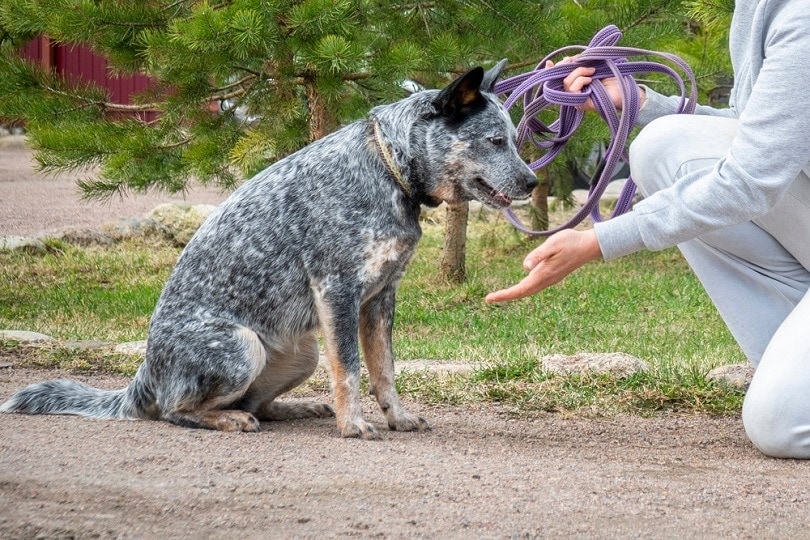
We know not to pet a guide dog on the job. It’s imperative not to distract a service animal from their important work. However, even guide dogs are puppies at heart. They’re working when the harness is on them and their owner is giving them commands. Nevertheless, when the day is over and the harness comes off, it’s like taking off your work uniform—it’s time to play and have fun being a pet.
A guide dog’s job is mentally taxing, but playing allows them to unwind (not unlike you taking off your shoes and relaxing in your favorite chair) and play with their human at the end of a long day.
6. Organizations Prefer Certain Breeds as Guide Dogs
You may have noticed some breeds are more common as guide dogs. The organization Guide Dogs of America lists that 80% of their pups are Labrador Retrievers. Another 10% are Labrador-Golden Retriever mixes, followed by 5% each for German Shepherd Dogs and purebred Golden Retrievers. These breeds stand out for their superior intelligence, loyalty, and gentle disposition.
7. The Americans With Disabilities Act (ADA) Ensures Guide Dogs Can Go Just About Anywhere the General Public Can
Many places routinely ban dogs on their premises for various reasons. Health codes forbid canines in restaurants, and other businesses have concerns as well. However, the Americans with Disabilities Act (ADA) grants guide dogs hassle-free access to places where their owners can go. There are exceptions, such as burn units and operating theaters in hospitals for reasons of sterility. Also, owners must keep their pups under control.

8. Guide Dogs Serve Several Needs
Seeing-eye dogs provided the first documented use of these canines. However, that’s not the only need they serve. The animals used during and after World War I also assisted deaf and hard-of-hearing individuals. Many organizations help children with autism, veterans with psychiatric conditions, and individuals with seizure disorders. Therapy dogs of all kinds assist with many types of issues.
9. Guide Dogs Learn “Intelligent Disobedience”
One of the abilities that guide dogs must have is known as “intelligent disobedience.” Organizations that train and provide guide dogs must ensure that their dogs can carry out “intelligent disobedience”. This is the ability of a guide dog to ignore their owner’s instruction if they can see there is danger in doing so. For example, a guide dog will refuse to cross a busy street intentionally, despite their human telling them to.
10. January 29th Is National Seeing-Eye Dog Day!
Morris Frank left an indelible mark on help for blind people. He co-founded the Seeing Eye organization and also created National Seeing-Eye Dog Day in 1929. The contribution made by Morris Frank, and other individuals around the world are priceless. Many people with visual impairment have a much better quality of life because of their efforts. In addition, we now have the ADA and the freedom it provides because of the awareness it fostered.
Final Thoughts
While you already knew guide dogs were amazing, we bet you didn’t know just how incredible they really are. There is a lot to love about these working dogs, and it’s important to support them in any way we can in order to benefit the lives of visually impaired people around us.
Featured Image Credit: SasaStock, Shutterstock