Why Are Dogs So Food Motivated? Vet-Approved Explanation



In this article
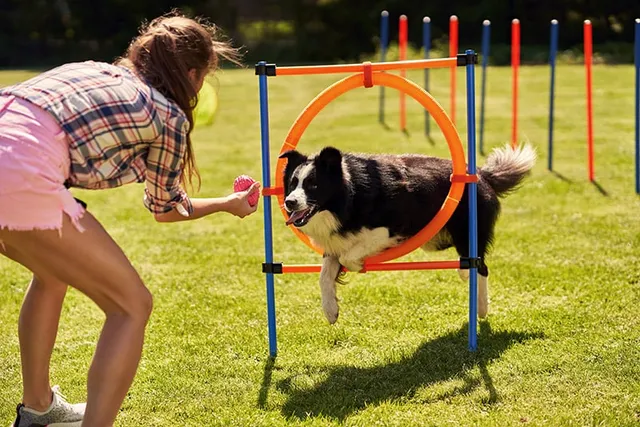
Training a dog can be challenging, especially if you’re committed to using positive, reward-based techniques. Luckily, most dogs have a valuable trait we can use to our advantage: they’re food-motivated. But have you ever wondered why dogs are so food-motivated?
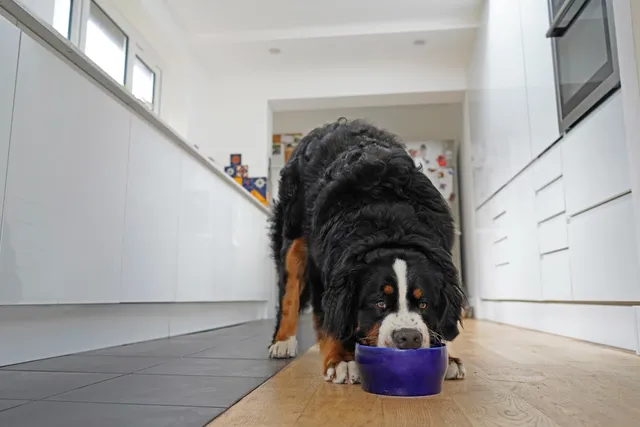
Some dogs aren’t as food-motivated as others, but food motivation in dogs is typically a result of their survival instinct. Dogs need to eat to survive and are natural scavengers, so having food handed to them with minimal effort can be highly rewarding for them.
Keep reading to learn interesting facts about food motivation in some breeds, whether there’s such a thing as being too food-motivated, and how to train a dog that needs something other than food to encourage them.

Food Motivation in Dogs
Domestic dogs descend from wolves, and while most of them no longer bear much resemblance to their wild ancestors, some instincts remain. Like most wild animals, wolves spend much of their time searching for food. Hunting and scavenging come naturally to them as a means of survival.
Pet dogs rarely need to put much effort into getting food, but most can’t shake the feeling they need to. This makes eating a reward sometimes, especially if you use high-value treats when training your dog.
If you own a Labrador Retriever, you’re probably aware that few breeds can match their love of food. As it turns out, there’s a scientific explanation for this. A study from 2016 found that Labs and the closely related Flat-Coated Retriever have a genetic mutation that makes them more food-motivated and prone to obesity than other breeds.

Can a Dog Be Too Food Motivated?
When you rely on food to train your dog, there is such a thing as being too motivated. You need your dog to stay focused on what you’re trying to teach them instead of salivating at the mere smell of food. If your dog is too excited to learn when food is around, there are a few options you can try.
First, try to find a food that your dog likes less than others. For most dogs, you can use high-value, extra-tasty treats for training. Super food-motivated dogs might need the opposite, and you can try fruit or vegetables instead of meat-based treats.
Keep yourself calm during training so your body language doesn’t further excite your dog. Fast movements or talking in a high-pitched voice should be avoided. You might need to consider using other methods to reward your dog besides food.
You can praise your dog, pet them, or reserve a favorite toy only for use during training.
Help! I Don’t Think My Dog Is Food Motivated
Some dogs are picky eaters, while others don’t value food enough to change their behavior for it. If this describes your dog, here are some options for how to proceed.
You can experiment with different foods to find one that might motivate your dog. It won’t always be what you expect, either. When your dog is hungry, try offering several treats or safe human food options to see what they are drawn to.
Once you find a treat your dog likes, only use it for training so your dog doesn’t get too used to eating it. You can also find something else that motivates your dog. Some dogs live to please their owners and might be satisfied with words of praise or a nice ear scratch. Others will work for a quick game of fetch or tug-of-war afterward.
Again, the goal is to reserve the rewards your dog values most for only when you’re trying to shape their behavior. Otherwise, they can lose significance, and you’ll have to find another way to motivate your pup.


Conclusion
Food motivation in dogs is a combination of instinct and learned behavior caused by the self-reward of eating delicious treats. While food motivation can be a valuable tool when it comes to training your dog, not every pup may be overly food-motivated, and some are too much so. You may need to find other ways to encourage your dog’s learning. Remember to include any training treats in your dog’s daily calorie count to ensure they stay at a healthy weight.
Sources
Featured Image Credit: Africa Studio, Shutterstock
Expert dog care, straight to your inbox
News, insights, expert advice, and everything dog.

No spam — unsubscribe anytime.
By signing up, you agree to our Terms & Conditions and Privacy & Cookies Policy.
How useful was this post?
Click a star to rate. You can leave written feedback afterwards. (We read all feedback.)
Elizabeth Gray is a lifelong lover of all animals great and small. She got her first cat at 5 years old and at 14, she started working for her local veterinarian. Elizabeth spent more than 20 years working as a veterinary nurse before stepping away to become a stay-at-home parent to her daughter. Now, she is excited to share her hard-earned knowledge (literally--she has scars) with the readers. Elizabeth lives in Iowa with her family, including her two furry kids, Linnard, a husky mix and Algernon, the worldʻs most patient cat. When not writing, she enjoys reading, watching all sports but especially soccer, and spending time outdoors with her family.