Get

In Your Inbox

Dogster is reader-supported. When you buy via links on our site, we may earn an affiliate commission at no cost to you. Learn more.

Why Do Dogs Guard Their Food? 5 Vet-Verified Reasons & Treatment

Share

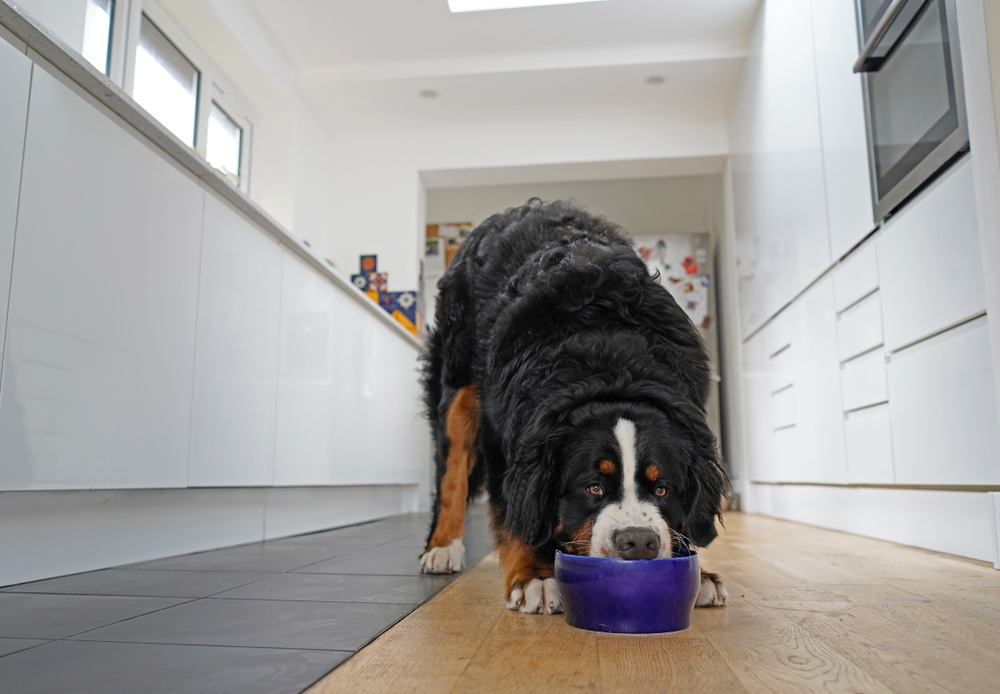
bernese mountain dog guarding its food

If your dog is guarding their food, you may be concerned by the behavior. But why do so many dogs do this, and how can you get them to stop? Even if you don’t think it’s a problem now, it can quickly escalate and lead to a dangerous situation.

With that in mind, we’ve highlighted several common reasons for food guarding and tips and tricks to get them to stop!

divider dog faces oct 2024

The 5 Common Reasons Why Dogs Guard Their Food

1. Anxiety

Likelihood: Very high
Severity of issue: High

Anxiety is by far the most common reason dogs guard their food. Whether it’s from primal instincts, past traumas, or something else entirely, they don’t want anyone to get near them when they’re eating.

You can help them by ensuring they have consistent feeding times, adequate portions, enough toys to play with, and enough exercise.  Don’t remove your dog’s food from them once they’ve started eating, and don’t allow other dogs to eat in the same room.

little dog growling and guarding its food
Image Credit: Tetiana Komchatnikh, Shutterstock

2. Improper Training

Likelihood: Moderate
Severity of issue: Very high

If a dog’s owner takes away their food while they’re eating it, it can lead to food aggression. Your dog wants to finish their meal, and if they think you’re going to take it and not give it back, they may respond with anger.

A previous owner may have treated your dog badly and teased them when they were eating. Give your dog space, and don’t engage with them until they’ve finished their meal.


3. Lack of Consistency

Likelihood: Moderate
Severity of issue: High

Having a consistent feeding time and feeding your dog consistent portions is critical to preventing and treating food guarding and aggression. Your dog needs to know what to expect, including the amount of food and when it will be fed.

Consistency can help calm your dog’s nerves and let them know they don’t need to guard their food. They’ll learn that you will put more back in the bowl when dinner time comes!
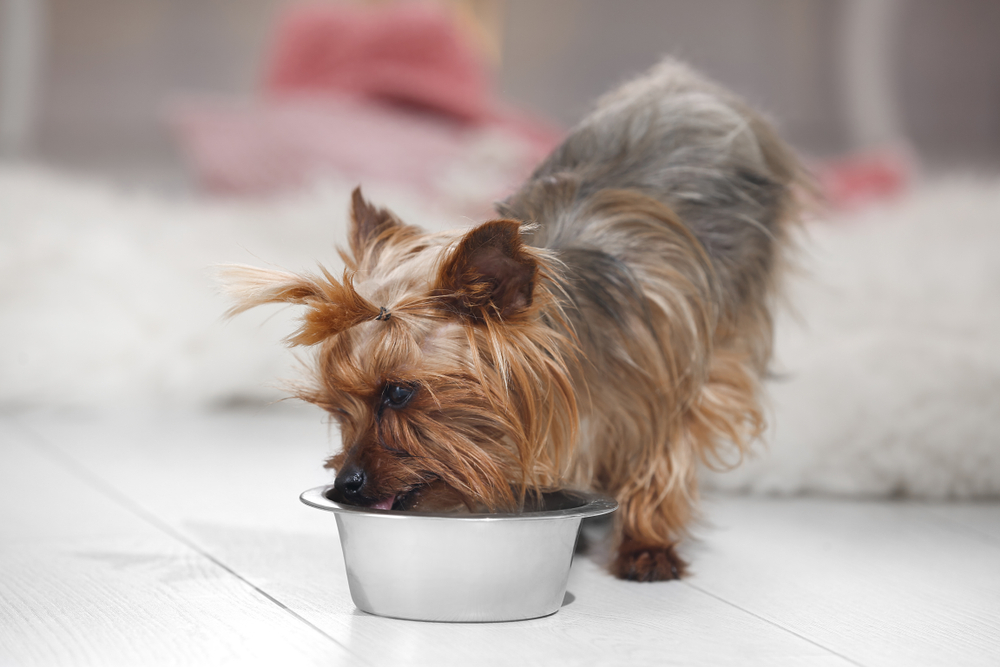
yorkshire terrier eating dog food from metal bowl
Image Credit: New Africa, Shutterstock

4. Lack of Confidence

Likelihood: Low
Severity of issue: High

This isn’t the most common reason a dog might guard their food, but it happens with timid dogs. Dogs that lack confidence are more likely to experience anxiety when their environment changes or they feel threatened.

It could be new people in the home, another dog, a different feeding time, or something else entirely. However, a dog that doesn’t have the confidence to handle different situations may be more likely to display food guarding behaviors. Socializing your pet with new people and environments can build their confidence and reduce anxiety.


5. Other Dogs

Likelihood: Moderate
Severity of issue: Very high

Do you live in a multi-dog home? If so, consider having separate feeding areas for each dog. A common cause of food aggression in dogs is a fear that they won’t be able to get enough food because the other dog(s) will take some.

Giving them their own dedicated portions can eliminate this fear and sometimes eliminate food aggression problems. Even if it doesn’t solve the problem, you still shouldn’t feed a dog with food aggression around other dogs since it can lead to fighting.

owner feeding her dogs
Image Credit: Nadezhda Zaitceva, Shutterstock

divider dog faces oct 2024

How to Prevent & Treat Resource Guarding

Although you might not think resource guarding is a big deal for your pup, it doesn’t take long for a situation to turn into a problem. You can prevent resource guarding by staying consistent with their feeding schedule early on, giving them a place to eat away from other dogs, socializing them, and avoiding negative reinforcement techniques.

However, if your dog already has resource guarding and food aggression problems, you’ll need to take action. Keep in mind that your dog’s size and temperament play a huge role in when you should attempt rectifying this yourself and when you need to get outside help.

If you’re concerned about your dog’s behavior we suggest you speak to a vet.

If you need to speak with a vet but can't get to one, head over to PangoVet. It's our online service where you can talk to a vet online and get the advice you need for your pet — all at an affordable price!

PangoVet_Mention-in-Content Savings V1

The 4 Tips to Treat Resource Guarding

As long as you feel safe handling your dog in all situations, you can attempt any of the following tips to reduce resource-guarding behaviors.

1. Ensure They Have Sufficient Resources

It’s vital to ensure your dog is getting enough food and water and has easy access to them at mealtimes. Establishing a feeding routine and keeping the portions the same can help them stay calm at mealtimes.
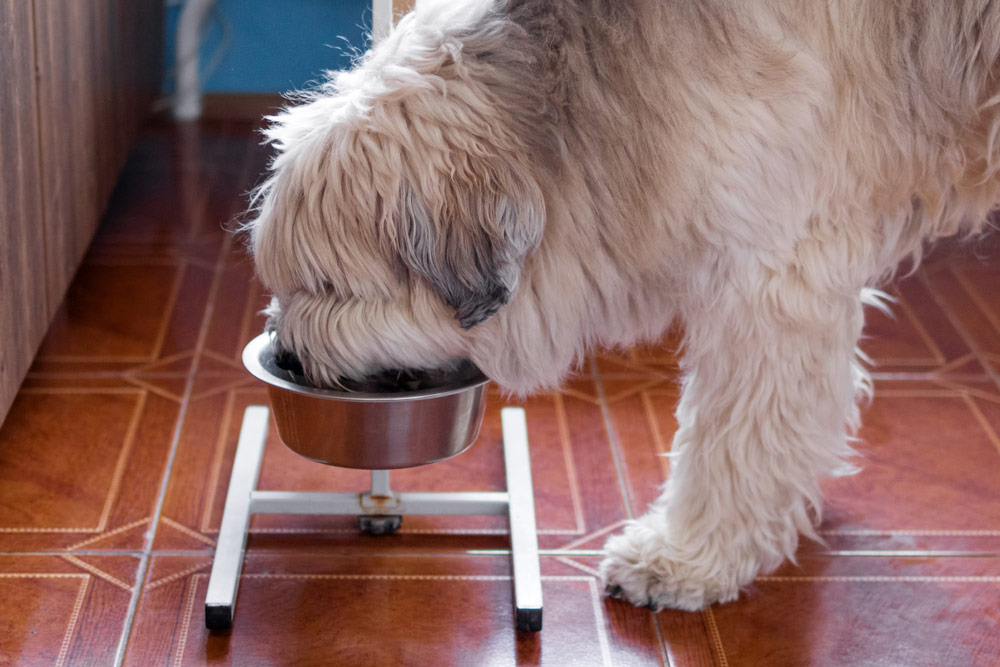
dog eating from elevated bowl
Image Credit: Nadezhda Zaitceva, Shutterstock

2. Use Positive Reinforcement

When your dog is doing what they should, lavish them with praise, and if they’re doing something they shouldn’t, don’t respond with aggression. You can praise your dog when they’re calm while eating, and eventually, they’ll associate mealtime with a positive experience.


3. Sequester Dogs as Needed

If your dog has a problem with other dogs around their food, ensure they’re not near each other when eating. Ensure each dog has a food bowl and a place to eat in private; that way, they’re not competing for resources.

Chihuahua Dog eating in a food bowl
Image Credit: Kyrylo Vasyliev, Shutterstock

4. Teach “leave” and “give” cues

Research has shown that teaching your dog to leave or give an item to you helps to reduce resource-guarding behaviors.  Always pair the actions (the dog giving something up) with a reward, and offer a trade if you want to take something away. For example, if you want to take a toy away from your dog, swap it with a high value treat that you are happy for them to have.

Give the toy back to your dog once it has relinquished it to you so that it doesn’t learn that giving something up means it is gone forever.

divider dog faces oct 2024

Conclusion

Food guarding can be a problematic and frustrating issue, but with a little education, training, and consistency, there’s no reason you can’t get it under control. However, don’t be afraid to get outside help, and don’t push too quickly, or your pup could wind up hurting you while trying to protect their food.


Featured Image Credit: Kristesoro, Shutterstock

Want content like this delivered to you?

Sign Up For Our Newsletter

News, insights, expert advice, and everything dog

* By submitting, you agree to our Terms & Conditions and Privacy & Cookies Policy.


How useful was this post?

Click on a star to rate (you can leave written feedback after clicking submit)

Help us improve Dogster for pet parents!

Your feedback really matters.

What did you like about this post? Also how can we improve it?

Join the conversation

Leave a Reply

You’re very welcome to leave a comment or question. Please know that all comments must meet our community guidelines, and your email address will NOT be published. Let’s have a positive and constructive conversation.


Talk With A Vet Online

Peace of mind,
anywhere, anytime

Affordable vet advice

A Major Breakthrough in Canine Anxiety Care: FDA Approves First Dual-Purpose Medication

Why This FDA Approval Is Such Important News For years, veterinarians and pet parents have struggled with a frustrating reality in canine behavioral...

Ask Dr. Paola- Help! Can Shock Collars Cause Seizures? (June 1, 2026)

Welcome to our “Ask Dr. Paola” series, where every Monday we bring expert advice straight from Dr. Paola Cuevas (MVZ) to help our...

Behind Most “Bad” Dog Behavior Is a Pretty Simple Problem (and Solution)

Dogs are supposed to be easygoing companions, and many seem to live up to it: sleeping on the couch for hours, watching the...

Justice For Pneuma and Melo

WARNING: THIS ARTICLE CONTAINS DISTRESSING CONTENT It’s every pet owner’s worst nightmare. You leave your dogs with people who are supposed to protect...

More related

White Toy Poodle: Info, Pictures, Origin & History

The Toy Poodle is the smallest version of the three recognized Poodle classifications. These tiny pups are built to be companions and make...

Dogster Photo Contest: Dogs of the Week Winners (January 8, 2026)

Every week our team gets the privilege of sorting through our readers photos to choose what dogs will win this weeks contest! See...

At What Age Is a Dog a Teenager? Vet-Verified Facts & Explanation

You may have heard that dogs age differently from humans, which is true, but what age does that put their rebellious teenage years?...

Jindo Spitz Mix: Info, Pictures, Care & More

Jindos are small dogs that originated in South Korea and have amazing physical abilities, intelligence, and a calm demeanor. They have a similar...

Keep reading

What Time Should I Feed My Dog? Vet-Verified Feeding Guide

Canine nutrition can feel like an impossible labyrinth to navigate, whether you’re a first-time dog owner or not. There is so much information—and misinformation—out there, making it hard to know exactly what time of day to feed your dog and...

Schnauzer puppy dog eating tasty dry food from bowl

Bug-Based Dog Food: Safe, Healthy, or Just Weird?

You catch your dog mid-crunch in the backyard, mandibles working overtime on something small and wriggling. A cricket. A beetle. You wince, but your dog? They’re in heaven. Turns out, your instinct to be grossed out might be outdated. Insects...

golden retriever dog eating

Can Dogs Have Scallops? Vet-Verified Nutrition Facts & FAQ

Learning that 95% of people consider their pets family members is not all that surprising these days. We open our homes to our dogs, share our vacations with them, and even let them sleep in our beds. We even slip...

Dogster-Can-Dogs-Have-Scallops

Blue Buffalo Dog Food Review 2026: Pros, Cons & Verdict

Review Summary Blue Buffalo is one of the largest dog food manufacturers in the United States, and its surge to the top is because it creates high-quality and nutritious food for dogs. It makes all its food in the United...

Dogster_Blue Buffalo Dog Food Review

How Much Canned Food to Feed a Dog: Vet Approved Nutrition Advice

Learning how much to feed your dog and what type of food to offer at various life stages is crucial when deciding on a dog’s diet. It is vital to check out proper measurements based on activity level, age, and...

wet dog food

Can Dogs Eat Pine Nuts? Vet-Verified Nutrition Facts & Considerations

There are many pieces of misinformation floating around the web on what is and is not safe for your canine companions. One of these very topics might have to do with pine nuts. Are pine nuts toxic to dogs? No,...

Dogster-Can-Dogs-Eat-Pine Nuts

Victor Dog Food Review 2026: Pros, Cons, Recalls & FAQ

Review Summary Victor dog food is a newer dog food from a US-owned company. The brand touts its commitment to high-quality dog food with only the best ingredients, ensuring that dogs get the best possible nutrition at any life stage....

Dogster_Victor Dog Food Review

Can Dogs Have Olive Oil? Vet-Verified Health Facts & FAQ

You’ve undoubtedly heard of the benefits of olive oil on human cardiovascular health. Research has also shown it has anti-inflammatory properties, contains antioxidants, and may help protect against or treat a variety of conditions in people, including rheumatoid arthritis, cancer,...

olive oil

Love Dogs? So Do We! Join the Dogster Community

Stay informed with expert pet care insights delivered straight to your inbox! Discover professional guidance on animal behavior, feeding tips, trusted product picks, and much more.


Sign up for the Dogster Email Newsletter