


In this article
View 4 More +Albon is the brand name for the antibiotic sulfadimethoxine. Because it is an antibiotic, Albon can be used to treat a number of different types of bacterial infections in your dog. However, it’s most commonly used to treat infections of coccidiosis. Albon is overall a fairly safe drug, though like any medication, it isn’t without its side effects. Let’s learn more about Albon for coccidia in dogs, as well as its other uses and potential side effects.

What Is Albon?
Albon is the brand name of the antibiotic sulfadimethoxine. Albon belongs to the sulfa class of antibiotics and is used most commonly in the treatment of coccidiosis. Coccidia is a microscopic protozoan that attacks the gastrointestinal (GI) tract of the dog (and other mammals). Coccidia act like intestinal parasites, causing infection when your dog ingests contaminated feces from another dog or sometimes by eating small prey animals. Coccidia most commonly causes diarrhea with secondary dehydration. Severe cases can cause vomiting, weight loss and anorexia. If your dog is infected with coccidia, Albon is the preferred drug of choice for treatment.
Albon can also be used for other bacterial infections. This can range anywhere from a skin infection to an abscess or urinary tract infection. Your veterinarian will determine what antibiotic is best for your dog given their history, abnormal signs, body weight, and history of any medication side effects.
If you need to speak with a vet but can't get to one, head over to PangoVet. It's our online service where you can talk to a vet online and get the advice you need for your dog — all at an affordable price!

How Is Albon Given?
Albon is administered by mouth in veterinary medicine. Most commonly, Albon comes in a liquid form that is easy to give to smaller dogs. For larger dogs, Albon also comes in a tablet form, making it easy to dose based on your dog’s body weight. Most veterinarians will prescribe Albon to be administered once every 24 hours. It’s dosed on the weight of your dog anywhere from 55–27.5 mg/kg of body weight.
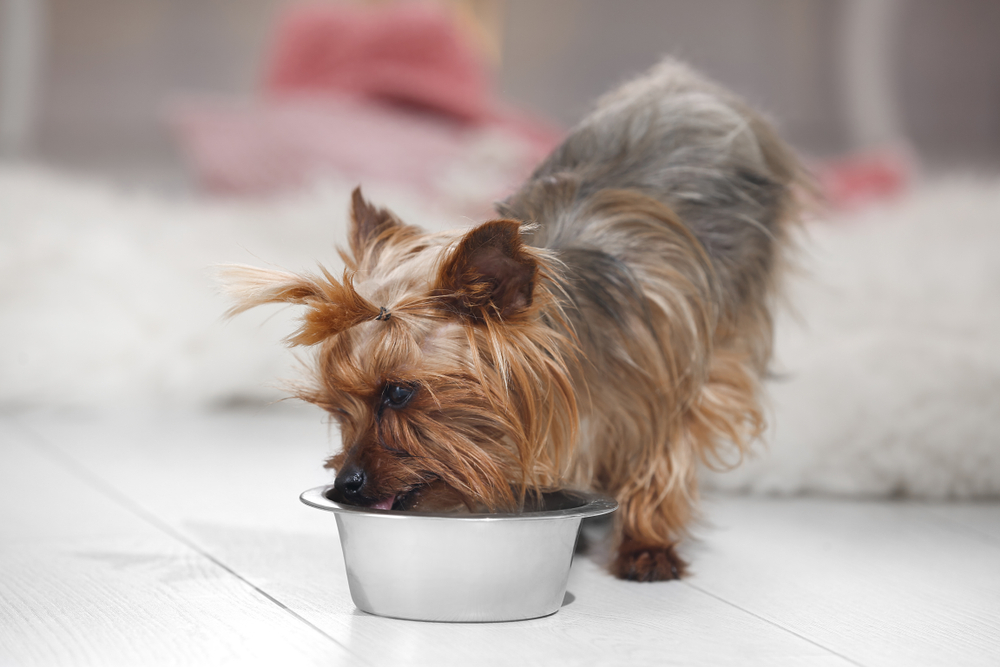
Albon will be effective whether or not it is given with food, though sometimes it’s much easier to give to dogs when it’s hidden in canned food and/or a bowl of food so that your dog will not taste the medication. Also, some dogs will vomit when Albon is given on an empty stomach, similar to other antibiotics. Therefore, if your dog vomits, you should always give Albon with a meal.
What Happens If You Miss a Dose?
Albon should only be administered once in a 24-hour period, unless otherwise prescribed by your veterinarian. If you miss a dose, simply give the medication when you remember. However, it’s important to then adjust the next dose of Albon to be 24 hours after you gave the forgotten dose.
For instance, if you have been giving the medication every morning at 8 a.m. to your dog, and you forget to give it until dinner time at 6 p.m., give the Albon at 6 p.m. Then the next day, you should continue the medication at 6 p.m. until the entire course has been completed.
If you accidentally give more than is prescribed, call your veterinarian and make sure they do not want to adjust anything with your dog’s prescription.
Potential Side Effects of Albon
Albon is similar to other antibiotics in that we can commonly see an upset stomach occur with administration. If it causes your dog to vomit and/or become nauseous, always give the medication with a meal. Your dog may also benefit from getting anti-nausea medications when they receive Albon.
Other common side effects to your dog when giving Albon may be development of keratoconjunctivitis sicca (KCS), or dry eye. This is characterized by red, sometimes swollen and crusty eyes. Your dog may rub at the eyes because they are uncomfortable and irritated. Some dogs may be allergic to Albon and other sulfa drugs, developing itching (pruritus), hives, skin redness, and facial swelling after ingestion.
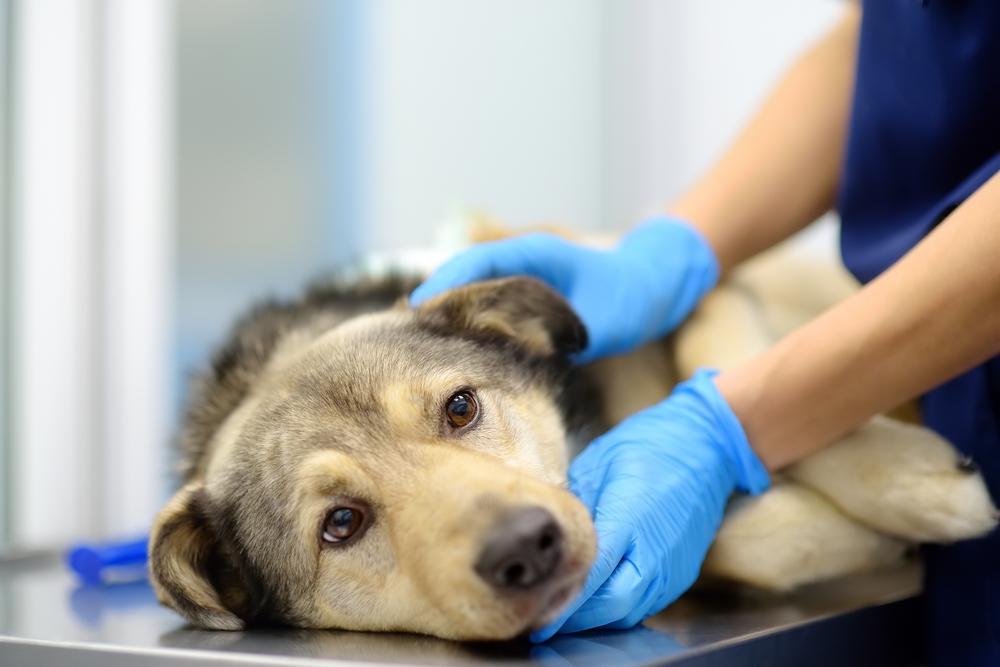
Rarely dogs may develop acute hepatitis, or liver inflammation, from receiving Albon. This would need to be diagnosed by your veterinarian based on bloodwork and advanced testing. You may notice yellowing of the eyes and skin, vomiting, anorexia and generalized weakness if your dog develops side effects to the liver.
Frequently Asked Questions (FAQ)
Is Albon Expensive?
Albon is one of the more affordable antibiotics we have in veterinary medicine. As with any medication, it will be more expensive for a large dog versus a small puppy. However, even with appropriate dosing based on body weight, Albon will still be much more affordable than other commonly used antibiotics. It’s important to remember, however, that your veterinarian will always prescribe the antibiotic that should work best for your dog’s specific needs. Even though it’s inexpensive, Albon may not be the first choice for some infections.
Can I Order Albon Online?
Like any antibiotic, your dog needs to be prescribed Albon by a licensed veterinarian. Your veterinarian will need to diagnose the reason your dog needs Albon, get an accurate weight, and then prescribe an accurate dose for your dog. Your veterinarian may allow you to order this medication from an outside pharmacy, though most veterinary hospitals carry this medication as it is commonly prescribed.
Can Coccidiosis Be Cured?
Yes. If accurately diagnosed and treated, coccidiosis can be completely cleared from your dog. What we can commonly see in dogs is re-infection. We see this when dogs eat their own feces, or eat out of the grass or water where they have gone to the bathroom. It’s important to complete follow-up fecal exams to make sure your dog has been cleared of coccidia.
How Long Does Coccidia Last?
Without treatment, a coccidia infection in dogs can last anywhere from three to four weeks, depending on the age of your dog. A dog with clinical signs of illness may require treatment, and a vet will prescribe an antibiotic such as Albon to be taken anywhere from 5–25 days. The sooner your dog is diagnosed, the faster they can be treated and the sooner the coccidiosis will go away.
Conclusion
Albon is the brand name of the antibiotic sulfadimethoxine. It is always given orally to dogs, typically once every 24 hours. Albon is most commonly prescribed to treat the GI protozoa coccidia, though it can be used to treat a number of different bacterial infections. Albon comes in a liquid formula perfect for small dogs, and tablets that can be easily dosed for larger dogs. Albon can cause GI upset similar to other antibiotics and may be better tolerated with food. Rarely dogs may develop an allergy to Albon, dry eye, or even liver problems. Albon is a great, affordable option available at almost all small animal veterinary hospitals.
Featured Image Credit: Snezhana_G, Shutterstock























3 Responses
I was informed by a breeder that albon stops the reproduction of parasites but doesn't kill the parasites. Is this true?
Hi Karen!
That’s a great question. Yes, that’s generally correct. Albon (sulfadimethoxine) doesn’t directly kill parasites; instead, it prevents them from reproducing, allowing your dog’s immune system to clear the infection over time.
If you’re using or considering Albon for your dog, it’s best to follow a veterinarian’s guidance to make sure it’s the right treatment and that the dosage is appropriate. If you'd like to speak to a vet without leaving home, feel free to book a 20 minute consultation with one of our professional vets at Pangovet.com and they will be able to answer all your questions 🙂
Have a wonderful day!
Does Albon (already in syringes) need to be refrigerated?