Get

In Your Inbox

Dogster is reader-supported. When you buy via links on our site, we may earn an affiliate commission at no cost to you. Learn more.

How to Train Your Dog or Puppy to Walk on a Leash: Vet-Approved Tips

Share

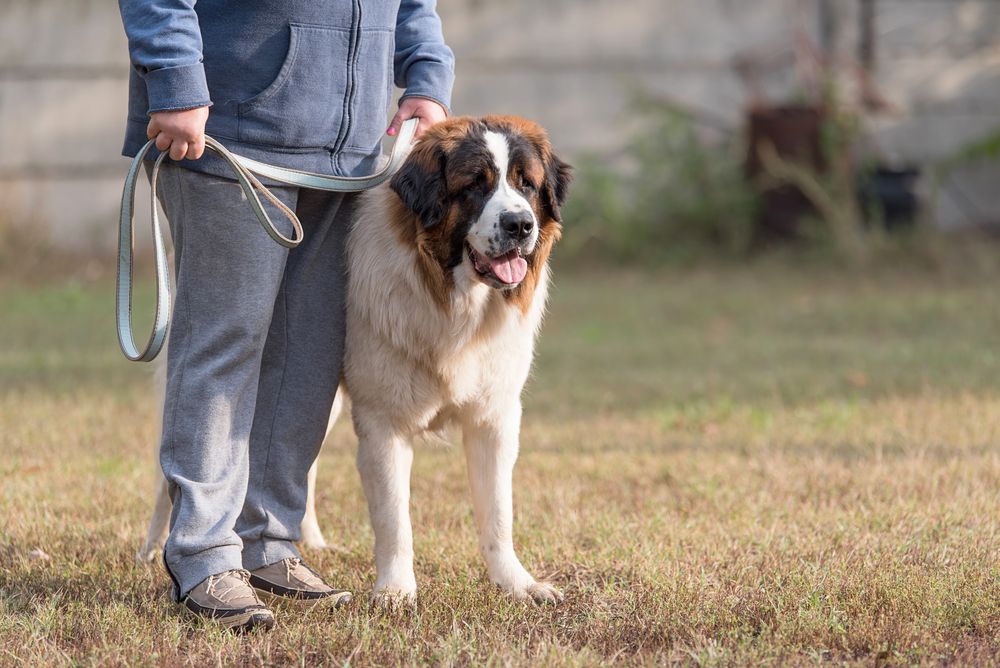
Woman holding a Saint Bernard on a leash

Learning to walk on a leash is one of the most crucial training steps for any dog or puppy. Leash behavior can be the difference between a relaxed, enjoyable walk with your dog and a stressful, potentially dangerous one.

In this guide, we’ll walk you through the steps for how to teach your dog or puppy to walk nicely on the leash and share some extra tips for making leash training a success.

dogster face divider

The 5 Tips on How to Train Your Dog to Walk on a Leash

Puppyhood is the best time to train a dog as they’re still in the developmental stage, and this can help curb unwanted ingrained behaviors later on. If your dog is a rescued adult, don’t worry; adult dogs are still perfectly capable of learning new things, and it just takes more time and patience.

Here are the steps for teaching your dog to walk like a true lady or gentleman on the leash!

What You'll Need:

1. Getting Used to the Leash

Let your dog wear their harness and/or collar around the house for short spells to help them get used to how it feels. Make the time they wear it exciting by playing with them and offering treats, so they form positive associations.

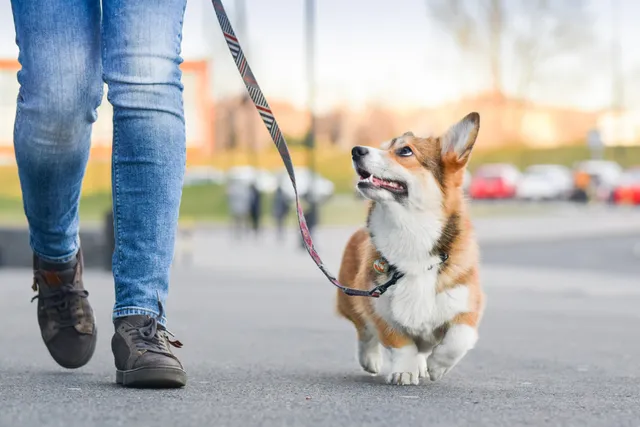
pembroke welsh corgi dog walking with owner
Image Credit: Jus_Ol, Shutterstock

2. Teaching Your Dog to Pay Attention

Put your dog’s leash on and simply stand there quietly. Your dog will likely sniff about or get excited because something’s happening. Don’t react—continue to stand still, and don’t speak to your dog.

Wait for them to look at you, then praise them abundantly and reward them with a treat. This teaches the dog to pay attention to you when the leash is on. Avoid starting the walk before your dog has paid attention to you.


3. Walking on a Loose Leash

Now that your dog has paid attention to you and has been rewarded for doing so, it’s time to start practicing walking on a loose leash. As you go, use a verbal cue like “with me” as well as treats and praise to get your dog to walk close to your side. The leash should be loose rather than taut.

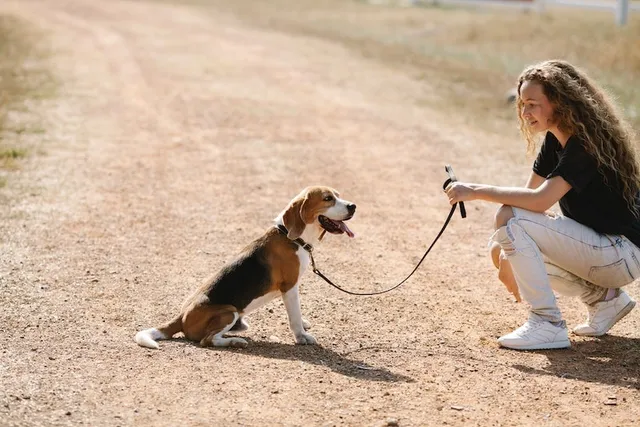
man training a leashed border collie dog
Image Credit: Dora Zett, Shutterstock

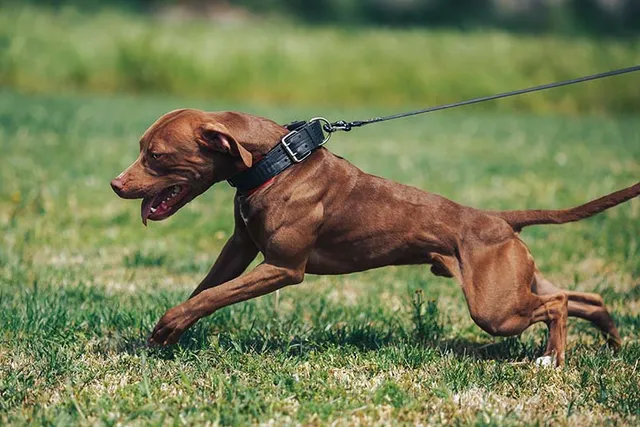
4. Discouraging Pulling

If your dog starts to pull on the leash or you feel it getting taut, stop and stand still. Only move forward again when your dog has turned to look at you and the leash loosens. It’s essential to do this each time any pulling occurs.


5. Practicing

You need to be consistent when it comes to training your dog to walk nicely on a leash. That means consistently stopping when they pull and dedicating time to practicing every single day. Inconsistency can unravel the work you’ve put in, so keep practicing as normal, even if your dog is getting good at walking nicely, to reinforce what they’ve learned.

Dog walker strides with his pet on leash while walking at street pavement
Image Credit: alexei_tm, Shutterstock

dogster paw divider

Training a Dog to Walk on a Leash: Extra Tips

  • Make sure your dog has a harness or collar that’s comfortable for them.
  • Practice leash walking in a quiet area of your home to minimize distractions.
  • Avoid using retractable leashes for training—stick to a standard, 4–6-inch leash. This keeps your dog closer to you and gives you more control.
  • Don’t yank on the leash to try and gain control.
  • Make training sessions short, consistent, and fun.
  • If your dog lunges at passersby, other dogs, or objects on walks, keep an eye out for when they’re about to do it and distract them with a treat before they can. Move away from the person, dog, or thing to prevent them from being lunged at. Take care not to reward the lunging accidentally.
  • Never underestimate the power of praise and treats!

dogster paw divider

Final Thoughts

The main goal of teaching your dog to walk nicely on a leash is to instill that good behavior means you move forward, whereas unwanted behavior, like pulling, means you stop. Dogs love walks and want to keep moving forward to explore, so it will soon start to sink in that positive behavior reaps the rewards as long as you’re consistent.


Featured Image Credit: SasaStock, Shutterstock

Want content like this delivered to you?

Sign Up For Our Newsletter

News, insights, expert advice, and everything dog

* By submitting, you agree to our Terms & Conditions and Privacy & Cookies Policy.


How useful was this post?

Click on a star to rate (you can leave written feedback after clicking submit)

Help us improve Dogster for pet parents!

Your feedback really matters.

What did you like about this post? Also how can we improve it?

Join the conversation

Leave a Reply

You’re very welcome to leave a comment or question. Please know that all comments must meet our community guidelines, and your email address will NOT be published. Let’s have a positive and constructive conversation.


Dogster's Digital Magazine is Back!​

Dogster Magazine Cover June 2026

Vet-approved health & behavior advice

Real dog stories & community features

The Organization Helping Pets Feel Safer, Happier, and ‘Fear Free’ – Heroes of the Pet World

For many pet owners, stress during veterinary visits, grooming appointments, travel, or even routine handling can feel like an unavoidable part of life...

Why Some Dogs Treat Mealtime Like Playtime – And When to Pay Attention

Most dogs are reliable eaters. Bowl goes down, food disappears. So when a dog starts batting kibble across the kitchen floor, tossing pieces...

Major Win for Dogs: Ontario Becomes the Final Province to Ban Ear Cropping and Debarking

​​Ontario has approved new animal welfare regulations that will prohibit elective ear cropping and devocalization (debarking) procedures in dogs from January 1, 2027....

Dogster’s Weekly Photo Contest Winners: Most Adorable Puppy (June 8, 2026)

Every week our team gets the privilege of sorting through our readers photos to choose what dogs will win this weeks contest! See...

More related

Miniature Basset Hound Dog Breed: Info, Pictures, Care Guide & More

If you’re looking for a smaller pup that gets along great with your family, a miniature Basset Hound might be just what you’re...

Saint Bernard vs. Great Dane – Which Should I Choose?

In the world of fascinating canine breeds, two majestic creatures that stand out are Saint Bernard and the Great Dane. Both of these...

How to Give a Dog a Bath: A Complete Guide (Vet Approved)

"A dog's idea of personal grooming is to roll on a dead fish." - James Gorman Some dogs, such as the Basenji, are...

Service Dogs for Seizures: What They Do & When Are They Needed (Vet-Approved)

There are many different kinds of service dogs out there, but did you know that there are service dogs that have been specifically...

Keep reading

Can Dogs Eat Loquats? Vet-Approved Nutrition Facts

Loquats—also known as Japanese plums—are the fruits of Eriobotrya japonica trees. These sweet orange fruits offer a host of health benefits for humans, but are they safe for dogs? The ASPCA does not list loquats in its toxic plant roundup,1...

Can Dogs Eat Loquats

Bug-Based Dog Food: Safe, Healthy, or Just Weird?

You catch your dog mid-crunch in the backyard, mandibles working overtime on something small and wriggling. A cricket. A beetle. You wince, but your dog? They’re in heaven. Turns out, your instinct to be grossed out might be outdated. Insects...

golden retriever dog eating

4 Turmeric Recipes for Dogs – Quick, Safe & Healthy (Vet Approved)

Turmeric is a root that is related to ginger, and its scientific name is Curcuma longa. Turmeric has been appreciated in traditional medicine for centuries, as it is known to have many benefits for people and their animals, including dogs....

Turmeric Recipes for Dogs

10 Best Dry Dog Foods for Senior Dogs in 2026: Reviews & Top Picks

Owning a senior dog can be a bittersweet time in your life. While you have all these wonderful memories together and a close bond, you also have to watch their health and mobility decline. Keeping our dogs around for as...

german shepherd dog lying near food bowl

Can Dogs Eat Ants? Vet-Verified Facts & FAQ

As curious animals, dogs are bound to eat ants at some point in their life. Those little insects that you need to protect your sugary foods from can be found everywhere. Your dog is likely going to eat ants from...

Can Dogs Eat_Ants

10 Best Dog Foods for Maltipoo Puppies in 2026 – Reviews & Top Picks 

You’ve just brought home an adorable Maltipoo puppy from the breeder, and you’re excited to watch this little ball of fluff grow into an adult. Puppies of all breeds need well-balanced nutrition to grow up strong and healthy, but not...

Maltipoo puppy eats from a metal bowl

Are Greenies Good for Dogs? Vet-Approved Nutrition Guide

Dental disease is one of the most common canine health problems. Dental problems can be painful and make it difficult for dogs to eat. Severe periodontal disease can make dogs more vulnerable to tooth root abscesses and organ disease. That’s...

Greenies bites out of package

10 Best Dog Food Toppers in 2026: Reviews & Top Picks

Providing nutritious food and treats for your canine is vital for maintaining a healthy lifestyle. High-quality meals were once a niche market, but now, premium brand companies enjoy record sales. Although high-end pet food is typically produced with fewer fillers...

cute corgi dog eating dry dog food

Love Dogs? So Do We! Join the Dogster Community

Stay informed with expert pet care insights delivered straight to your inbox! Discover professional guidance on animal behavior, feeding tips, trusted product picks, and much more.


Sign up for the Dogster Email Newsletter