How to Reduce Dog Shedding: 9 Vet-Approved Tips & Tricks


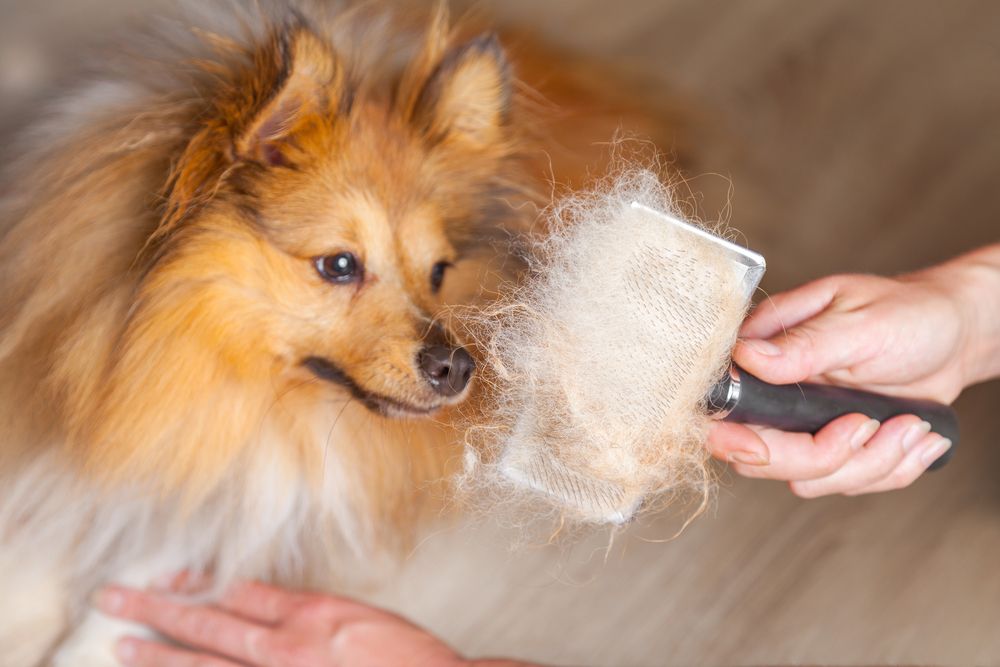
You adore your dog, but not so much all the shedding they do. Having dog hair everywhere (on the sofa! On your clothes! In your mouth!) isn’t that fun—especially if you have a pup who’s a heavy shedder. So, how can you reduce dog shedding in the house?
You might have heard of some tips and tricks but may not know if they help or not. Take dog shirts; do dog shirts help with shedding? How about anti-shedding dog suits? We’re here to give you the knowledge you need to reduce dog shedding in your home (although keep in mind you can’t stop your dog from shedding entirely). With these nine tips and tricks, you should have at least a bit less fur flying around.

The 9 Tips for Reducing Dog Shedding
1. Brush Your Dog

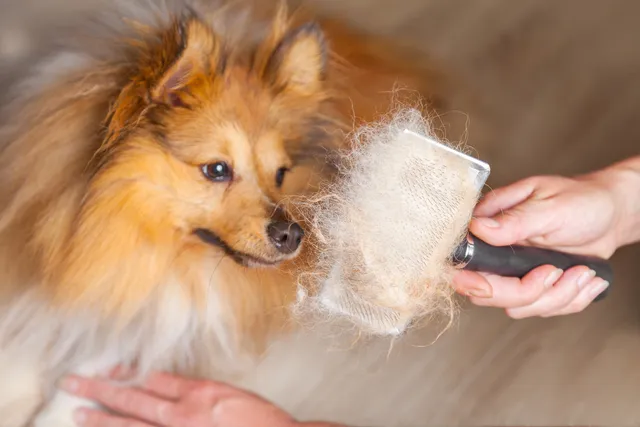
It might not seem like much, but regularly brushing your dog is one of the best ways to reduce shedding. How much brushing constitutes “regularly” will vary from pup to pup; a heavy shedder will need daily brushing, while a light shedder will only need to be brushed a couple of times a week. How does brushing help reduce shedding?
When you brush your dog’s hair, you are removing dead hair from their coat, which means it won’t be shed in the future. Plus, regular brushing ensures your pet’s coat is cleaner, less tangled, and softer. Regular brushing of your dog is also an excellent time for you to bond with them!
2. Get the Right Brush
Of course, to brush your pet most effectively, you need to pick the right kind of brush. Not all brushes are suitable for all dogs. For example, canines with curly coats will do best with a wire-pin brush. However, dogs with short hair will do better with a rubber curry comb.
What options do you have when it comes to brushes?
- Slicker brush (have lots of wire pins, good for wooly or curly coats, as well as medium to long coats)
- Rubber curry comb (great for dogs with short hair; removes dead hair and massages)
- Bristle brush (suitable for most coat types; dogs with coarser hair may need extra stiff bristles, though)
- Undercoat rakes (good for double-coated dogs)
3. Utilize Shedding Tools

To reduce shedding, though, you will need more than a brush. Utilizing a shedding tool is also essential if you want less fur flying around. Even if your pup only sheds seasonally and not year-round, a shedding tool can come in handy, as these tools are explicitly designed to get rid of dead hair within the undercoat while leaving the top coat intact.
You will find different kinds of shedding tools out there. Some have blades that contain serrated teeth, while others are stainless steel tines that are tightly spaced. Speak with your vet to find out which shedding tool will work best for your dog’s coat.
4. Parasite Control
Nobody wants to find fleas on their dog. These annoying parasites get everywhere in your home, causing itchiness and irritation to everyone they bite. Plus, getting rid of them is a lot of work. So, preventative flea medication is a must for your pup.
But did you know that parasite control can help with shedding, too? Parasites cause itchiness that leads to excessive scratching, and all that scratching can loosen up hair and remove it from a dog’s body. So, if you want less fur in your house, be sure you’re giving your pet flea and parasite control medication each month.
5. Bathe Your Pup

How often are you bathing your dog? While you don’t need to do it very frequently, as that could dry out their skin, regular bathing keeps a dog’s coat looking great and can help reduce shedding. Bathing can help get rid of dead hair, and there are de-shedding shampoos available that can further aid the process of detangling dead hair from healthy hair. Some shampoos contain omega 3 and 6 which helps to keep skin well nourished. Other ingredients such as oatmeal are thought to exfoliate the skin and loosen dead fur so that it can be washed away.
Regular baths will make your pup look fantastic and smell much better, and they will help reduce the amount of loose fur floating around your home.
If you are looking for the perfect, pet-friendly shampoo and conditioner combo, we highly recommend the products by Hepper. With a soothing oatmeal shampoo, free of soaps and other harsh chemicals, and a cucumber and aloe-scented conditioner, your pet's skin and coat will be smooth, hydrated, and irritation-free.
| Image | Product | Details | |
|---|---|---|---|

|
Hepper Oatmeal Pet Shampoo |
|
Check Price |

|
Hepper Pet Conditioner |
|
Check Price |
At Dogster, we’ve admired Hepper for many years, and decided to take a controlling ownership interest so that we could benefit from the outstanding products of this cool pet company!
6. Healthy Diet
“You are what you eat” doesn’t apply to only humans; it goes for canines, too! A healthy diet is essential for your dog for numerous reasons, and one of those reasons is that it may help reduce shedding. Think about it—a dog who is getting all the vital minerals and vitamins they need will have healthier hair follicles that are more resistant to breakage, which can result in less hair shed.
Having a diet rich in omega fatty acids and excellent protein sources can also help prevent dry skin, which helps to reduce shedding in the house. If your pet is eating a quality diet and still experiencing excessive shedding, ask your vet whether supplements may be right for your dog.
7. Keep an Eye on Water Intake
Keeping track of how much water your dog drinks each day can be a challenge, but you need to ensure your pet is drinking enough. Dehydration can cause dry skin and increased hair loss, so if your pup isn’t getting enough water, you could see more hair shed. Not sure how much water your dog should drink? The general rule of thumb is that a canine should drink approximately an ounce of water for every pound they weigh, over a 24 hour period. So, if your pup weighs 30 pounds, they should have about 30 ounces of water a day.
If your dog isn’t drinking enough, make sure their water bowl is clean, and you are constantly refilling the bowl with clean water. You can also try adding a bit of water to their meals to help them meet their water intake goals.

8. Regular Vet Visits
Regular vet visits are vital to your dog’s care and can also help reduce shedding. This is particularly true if your dog has been shedding excessively recently, as there could be an underlying medical cause for the issue. Allergies, stress, anxiety, skin conditions, parasitic infections and even systemic illnesses can all result in hair loss. By visiting your vet regularly, you’re ensuring your pup is as healthy as can be!
9. Dog Shirts & Anti-Shedding Dog Suits
Now for the big question—do dog shirts or anti-shedding dog suits help with shedding? They can. They won’t prevent shedding or make your dog shed less, but they do protect against friction. Why is that important? Well, when your dog rubs against something (say, when they’re rolling around on the sofa), it creates friction that could snag fur and trap it on the surface. Plus, when your dog is wearing a shirt or dog suit, most loose fur will be trapped inside the article of clothing, which equals less loose fur in your house.
So, dog shirts and anti-shedding dog suits can certainly be helpful, but don’t expect miracles.
Final Thoughts
Dog hair flying around your home can become annoying since it gets everywhere. But with these nine tips and tricks, you can reduce the amount of shedding your pup does, so there’s less loose fur in your house. Incorporate all of these into your dog’s care and routine for the best results!
Featured Image Credit: Filmbildfabrik, Shutterstock
Expert dog care, straight to your inbox
News, insights, expert advice, and everything dog.

No spam — unsubscribe anytime.
By signing up, you agree to our Terms & Conditions and Privacy & Cookies Policy.
How useful was this post?
Click a star to rate. You can leave written feedback afterwards. (We read all feedback.)
Misty Layne lives out in the woods in small-town Alabama with her two Siamese - Serafina & Jasper. She also has an array of stray cats, raccoons, and opossums who like to call her front porch home. When she’s not writing about animals, you’ll find her writing poetry, stories, and film reviews (the animals are, by far, her favorite writing topic, though!). In her free time, Misty enjoys chilling with her cats, playing piano, watching indie and foreign films, photographing abandoned places, and catching up on her never-ending TBR list.