In this article
View 8 More +The Nova Scotia Duck Tolling Retriever is a big dog in a small package that makes them extremely popular with people who like to spend time outdoors. If you are thinking of getting one of these dogs but would like to know more about them first, keep reading as we look into their appearance, history, grooming and exercise requirements, and plenty more.
Breed Overview
Height:
17–21 inches
Weight:
35–50 pounds
Lifespan:
12–14 years
Colors:
Red, buff, red gold
Suitable for:
People who enjoy the outdoors, families, large and small homes
Temperament:
Intelligent, playful, alert
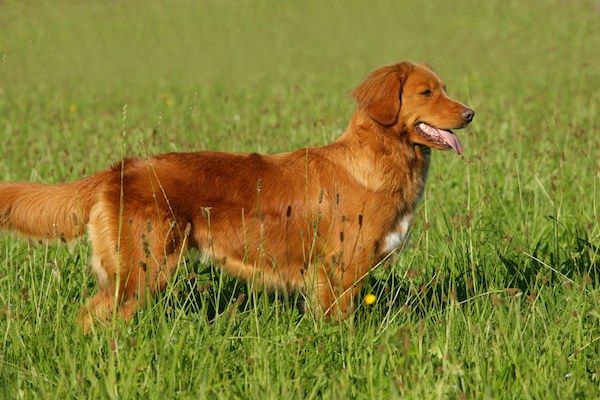
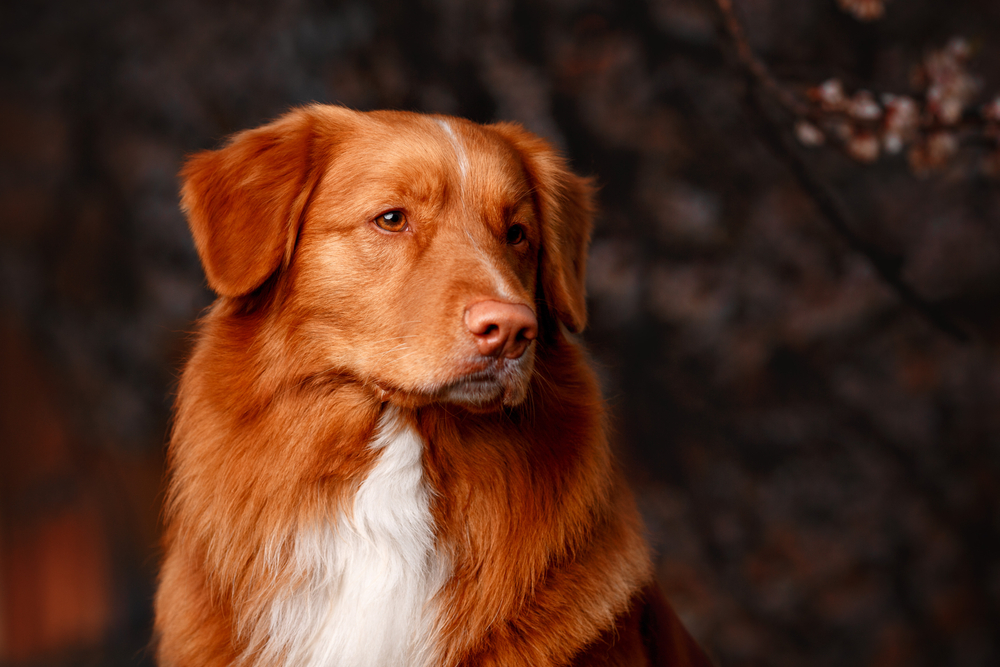
The Nova Scotia Duck Tolling Retriever, or Toller, is a breed that hunters use to lure waterfowl within shooting range, which they call “tolling.” This dog has a foxlike appearance with a vibrant red coat, and they are Canada’s smallest retriever. They are popular with people who like the outdoors due to their love of running, swimming, and exploring, but they can make a great pet for any family due to their loving nature and desire to take part in family activities.
Nova Scotia Duck Tolling Retriever Characteristics

Nova Scotia Duck Tolling Retriever Puppies
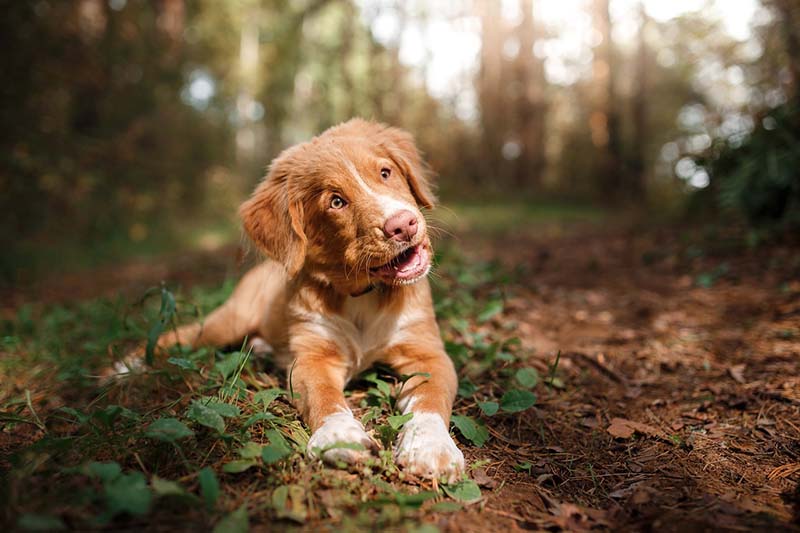
Nova Scotia Duck Tolling Retriever puppies are extremely energetic, and many will quickly exhibit strong instincts for retrieving and a love of water. It’s a good time to get them familiar with as many other people, pets, and places as possible so they are more comfortable around those things as adults. Getting them into a training and grooming routine can also be helpful.
Finding a breeder can be difficult depending on where you live, but you might be able to find one by talking with your local veterinarians, pet stores, and animal shelters. Many online sites offer this breed for sale, though shipping and transportation costs can raise costs significantly. Always ensure that you do your research and select a high-quality breeder who provides all paperwork and puts their dogs’ health ahead of profits.
Nova Scotia Duck Tolling Retriever Origin & History
The Nova Scotia Duck Tolling Retriever comes from Nova Scotia, Canada. Breeders developed them in the early 19th century to work as hunting dogs, but unlike other retrievers, this breed uses a special technique called tolling to lure waterfowl to come within range of the hunters. The luring involves playing on the beach and mimicking the movements of a fox.
The Canadian Kennel Club officially recognized the Toller in 1945, and the American Kennel Club did the same in 2003.
Temperament & Intelligence of the Nova Scotia Duck Tolling Retriever 🧠
The Nova Scotia Duck Tolling Retriever has a gentle and affectionate nature. Although they may initially be wary of strangers, they usually quickly get over it to make fast friends. They enjoy playing games and are always ready for any adventure. They are also intelligent and eager to please, which helps make them easy to train, even for first-time owners, and they are capable of learning complex tasks. They are also good problem solvers, and many owners describe them as having a sense of humor.
Are These Dogs Good for Families? 🏡
Yes, Nova Scotia Duck Tolling Retrievers are excellent for families. Their affectionate, playful nature makes them wonderful companions for children, who are often as playful as they are. They are also loyal and form strong bonds with all family members. They enjoy playing in the backyard, going on hikes, and swimming.
Does This Breed Get Along With Other Pets?🐶 😽
Nova Scotia Duck Tolling Retrievers usually get along well with other pets, including dogs and cats, especially when they spend time with them as puppies. However, due to their hunting heritage, they may chase after smaller animals like rabbits and birds, so you will need to supervise any interactions closely at first to see how it goes.
Things to Know When Owning a Nova Scotia Duck Tolling Retriever
Food & Diet Requirements🦴
Nova Scotia Duck Tolling Retrievers will need high-quality dog food with real meat listed as the first ingredient to help provide the nutrients that they need to keep up with their active lifestyle without contributing to weight gain. Avoid brands that use artificial coloring or preservatives, and follow portioning recommendations closely. It’s also important to limit treats to no more than 10% of your pet’s daily calories to reduce the risk of weight gain.

Exercise🐕
The Toller is an energetic and athletic breed that requires a significant amount of exercise each day to stay healthy and happy. Getting enough exercise is also vital to reduce the risk of them misbehaving because they are bored. You should expect to spend at least 1–2 hours per day walking, running, swimming, playing fetch, and participating in other activities with your pet to help stimulate their body and mind.
Training 🦮
Training a Nova Scotia Duck Tolling Retriever is a rewarding and enjoyable process due to their high intelligence and eager-to-please attitude. Starting to train while they are still a puppy can help them get into a routine that lasts into adulthood. Hold short, scheduled sessions consistently for the best results, and reward your dog with plenty of positive reinforcement in the form of treats, praise, and pets to help keep them interested and coming back for more.
Grooming✂️
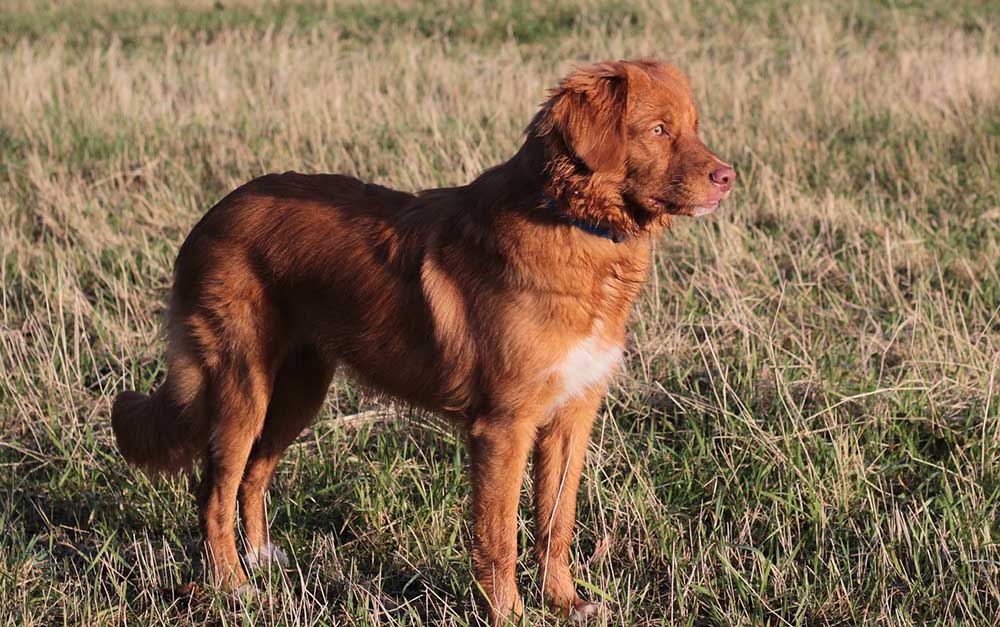
Nova Scotia Duck Tolling Retrievers are not heavy shedders, but they have a medium-length coat that will require brushing one to two times per week and an occasional bath with a dog-safe shampoo. You will also need to check their ears, especially after swimming, to ensure that they are clean and dry, and clip the nails if you hear them clicking on the floor. You will also want to brush your teeth manually with dog-specific toothpaste to help slow the progression of dental disease.
Health and Conditions ❤️
- Obesity
- Dental disease
- Hip dysplasia
- Progressive retinal
- Addison’s disease
Minor Conditions
- Obesity is an entirely preventable disease that can lead to several health problems, including diabetes, and cardiovascular issues. Yet, some sources suggest that more than 50% of dogs in the United States are overweight. Plenty of exercise, proper attention to portioning recommendations on the food that you serve, and not overdoing it with the treats can help keep your pet’s weight within healthy guidelines.
- Dental disease affects many dog breeds, including the Nova Scotia Duck Tolling Retriever. In fact, some sources report that more than 80% of dogs over the age of 3 have some form of it. Manually brushing their teeth and scheduling frequent checkups can help slow the progression and alert you to any problems early.
Serious Conditions
- Hip dysplasia is a condition where the hip joint doesn’t form correctly and then wears down more quickly over time, leading to decreased range of motion, pain, and even lameness. Active dogs like the Nova Scotia Duck Tolling Retriever can cause the hip joint to deteriorate even faster. Weight management, medication, and sometimes surgery can help your dog live a happy life.
- Progressive retinal atrophy is a group of degenerative diseases that affect the eye of your pet. It causes the photoreceptor cells to deteriorate over time, making it difficult to see. Night vision often goes first, but complete blindness can occur in some cases.
- Addison’s disease is a condition that affects the adrenal gland, which can lead to clinical signs that can include lethargy, depression, vomiting, alopecia, and weak pulse. Although some dogs with Addison’s disease may need intensive therapy and hospitalization, most can live full lives.
Male vs. Female
Male Nova Scotia Duck Tolling Retrievers are usually larger and heavier than the females. They will also likely be more attention-seeking and maintain their puppy-like behavior for longer. Females will mature faster and likely be easier to train. They might also be more selective with their affection and more prone to mood swings.
3 Little-Known Facts About the Nova Scotia Duck Tolling Retriever
1. Unique Name
“Tolling” comes from the Middle English word, “Tollen,” which means to entice or lure.
2. Multiple Colors
While the most common color for a Toller is a vibrant red or orange, the breed can exhibit a range of shades, from gold to dark copper.

3. Search-and-Rescue Skills
Nova Scotia Duck Tolling Retrievers are incredibly skilled search-and-rescue dogs.
Final Thoughts
The Nova Scotia Duck Tolling Retriever is an amazing breed perfectly suited to someone who enjoys the outdoors and spending time near the water. This dog loves to swim and can be a great companion for the whole family while on vacation. They are also fun to have at home, where they form strong bonds with family members and enjoy playing with children and other pets to get the activity that they need.
Featured Image Credit: studio vanDam, Shutterstock