In this article
View 2 More +Choosing the right food for your dog can get pretty complicated. Not only are there hundreds of different brands and thousands of varieties of traditional dry and wet foods lining pet store and supermarket shelves, we also have options like high protein, grain free, vegan, raw feeding, food delivery services, and homemade diets to consider. The past few years have seen a huge increase in the popularity of raw diets and fresh-frozen food subscriptions, with dog owners wanting their pets to enjoy the nutritional and enrichment benefits of whole food ingredients. What most of these foods tend to have in common is that they need to be frozen, which means you’re going to need a good-sized freezer, and a safe method of thawing.
We might not be able to help you with the freezer, but we can certainly give you some tips to make sure your dog’s meals are both nutritious and safe.

The 6 Tips for Thawing and Serving Frozen Dog Food
1. Start With High Quality Ingredients From A Reputable Source
When it comes to fresh or raw ingredients, minimizing the risks of food poisoning starts before it gets to you. The thawing practices here will help minimize the risks of microbes multiplying and spreading through your dog’s food, but if the food is highly contaminated before you begin, careful thawing may not be enough. Be careful to select pet food companies or items that are of a high quality, with a good reputation, and keep an eye out for any pet food recalls. If you have frozen food delivered, make sure all items have stayed frozen, and that packaging is intact.
If in doubt, throw it out.
2. Keep It Frozen
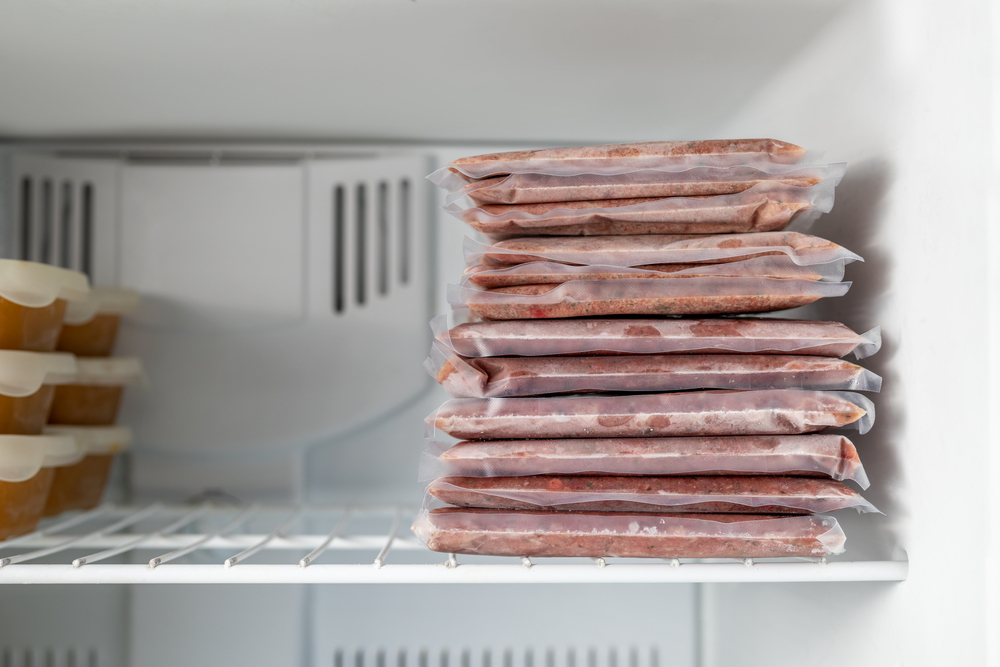
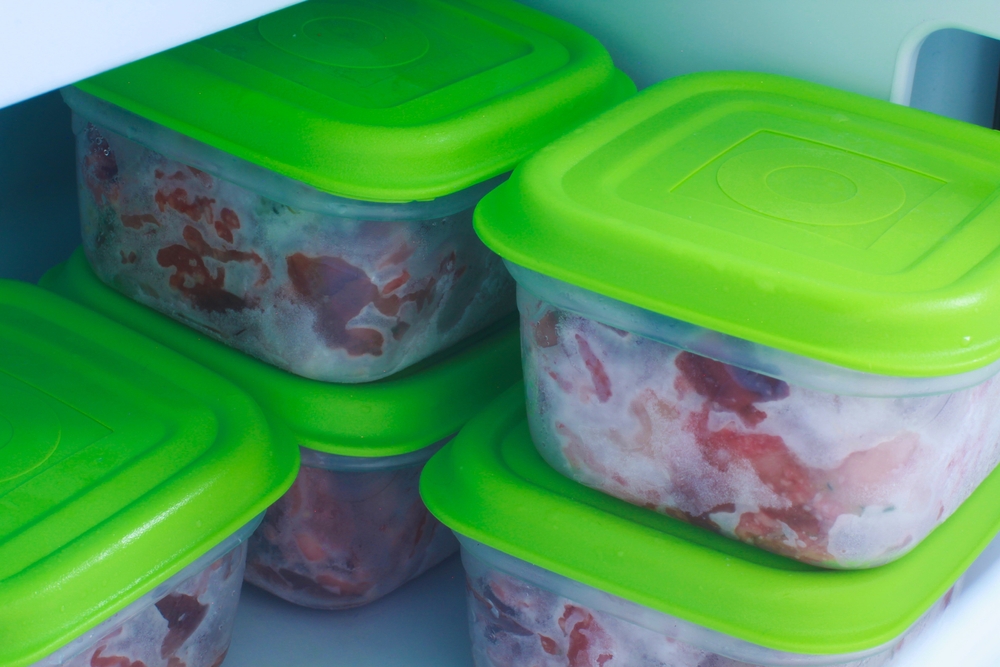
Whether you buy frozen dog food from the store or have it delivered, don’t waste any time putting it into the freezer. If the meat starts to thaw, any microbes that have been inactivated by freezing can start to wake up and multiply, so keep the food frozen until you’re ready to thaw it.
3. Divide Into Portions
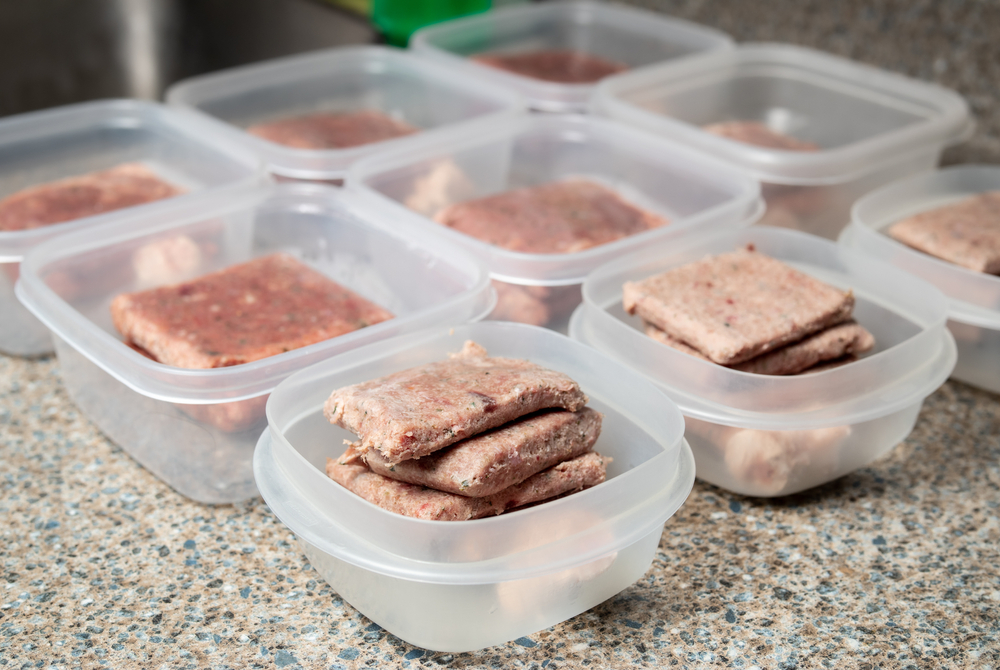
Most frozen dog foods will already come in meal-sized portions which will save you time, but if you are preparing homemade food or freezing leftovers, make sure you divide them into portions, and only thaw out what you need.
4. Thaw In The Fridge
This might seem like a really slow way to go about meal prep, but it is also the safest. Freezing doesn’t kill microbes like bacteria, it only inactivates them. As the temperature rises, the microbes are reactivated and start to multiply. By thawing the food in the refrigerator, the temperature stays fairly uniform throughout the meat, and is less likely to reach a level that will trigger pathogens. At room temperature, food will thaw unevenly, with the outer surface approaching room temperature by the time the inside is just starting to thaw, greatly increasing the risk of contamination.
It usually takes around 12 hours for meat to thaw in the fridge, so make sure you remember to transfer what you need the night before.
5. Thaw No More Than Three Days Worth of Food At A Time
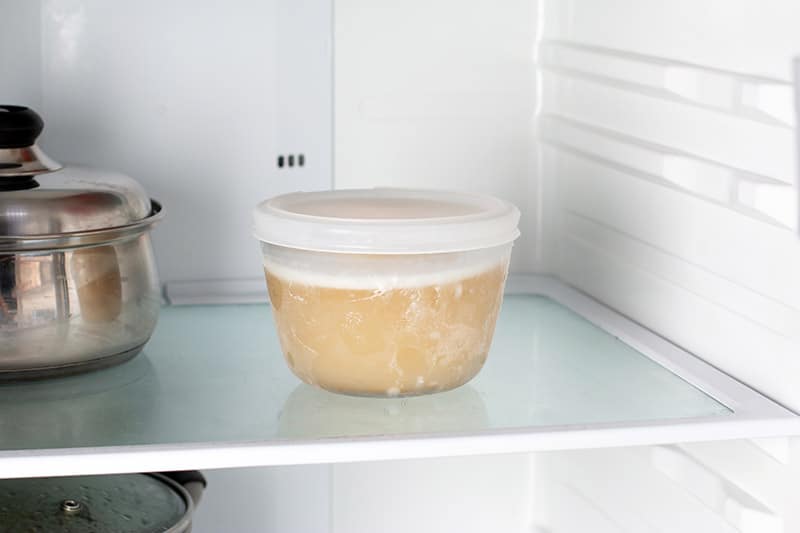
Once the food has been thawed, it will be safe to keep in the fridge for 2-3 days, so only take out what you need for the next 2-3 days, and no more. Anything that has not been used after 72 hours should be thrown away.
6. Don’t Refreeze
Although it is technically safe to re-freeze food that has been thawed in the fridge, it does increase the risks of pathogen contamination. Additionally, the recrystallization of water into ice can damage the food, reducing its nutritional value, so we don’t recommend refreezing your dog’s food.
Any uneaten food that has been thawed to room temperature should be discarded.

How Can I Speed Up the Thawing Process?
If you find yourself in a bit of a rush to get your dog’s food ready, there are two methods you can use to speed up the process:
1. Microwave Thawing
You can use the defrost function of your microwave to thaw your dog’s frozen food, but ONLY if you are serving it immediately or cooking it further. Make sure the food is thawed, but not hot, when serving microwaved food to your dog. If it is too hot for them to eat, place it back in the fridge for a few minutes until it cools down.
2. Immerse in Cool Water
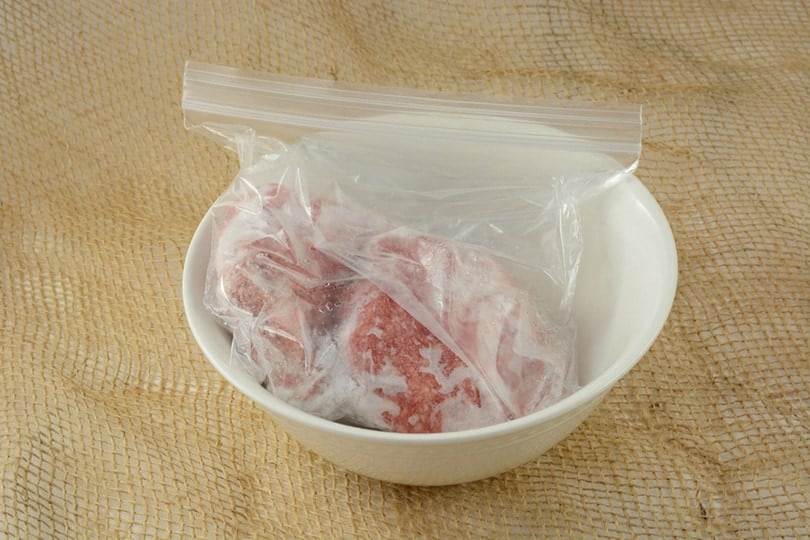
Place the frozen food in a leak proof bag or container, and immerse it in cold tap water. This isn’t as safe as refrigerator thawing, but it does help the food defrost a little faster without allowing it to become too warm. Do not use warm or hot water as this will have the same effect as thawing at room temperature. If using this method, you need to check the food regularly as you want to serve it as soon as it thaws.
What About Raw Diets?
Feeding your dog a raw diet can have some health benefits, but it also carries some significant risks. The pathogens that make raw meat dangerous for humans are just as dangerous for dogs, with microorganisms like Salmonella, E. coli, and botulinum toxin that can cause debilitating, even deadly, disease. As we mentioned, freezing does not eradicate foodborne pathogens, only cooking can do that, so even correctly handled and thawed raw meat can cause food poisoning. Both the Center for Disease Control (CDC) and American Veterinary Medical Association (AVMA) advise against feeding pets raw meat so always make sure with a veterinarian before you attempt to add raw meat to your dog’s diet.
If you need to speak with a vet but can't get to one, head over to PangoVet. It's our online service where you can talk to a vet online and get the personalized advice you need for your pet — all at an affordable price!

The best way to ensure the safety of raw dog food is to cook it, which may sound counterintuitive, but you don’t need to use ultra high temperatures to make your pet’s food safe. Virtually all foodborne pathogens will be eradicated by gently heating meat to a temperature of 165°F (use a meat thermometer to check the center). Remove any bones as cooking will make them brittle and sharp. Make sure you handle all raw meat with gloves, and always wash hands thoroughly with an antibacterial cleaner when finished.

Final Thoughts
There are lots of benefits to providing your dog with fresh, whole ingredients, but without the preservative effects of ultraheating or high pressure treatments, foodborne pathogens and spoilage pose considerable risks to our pets. Although freezing food does not kill these microbes, it will inactivate them and stop them from replicating and spreading, but this only works if we thaw it properly and carefully.
By following the steps above, you can provide your pet with a tasty and nutritious meal they’ll love, without taking risks with their health.
Featured Image Credit: sophiecat, Shutterstock