Can Dogs Eat Beef Jerky? Vet-Approved Feeding & Health Facts


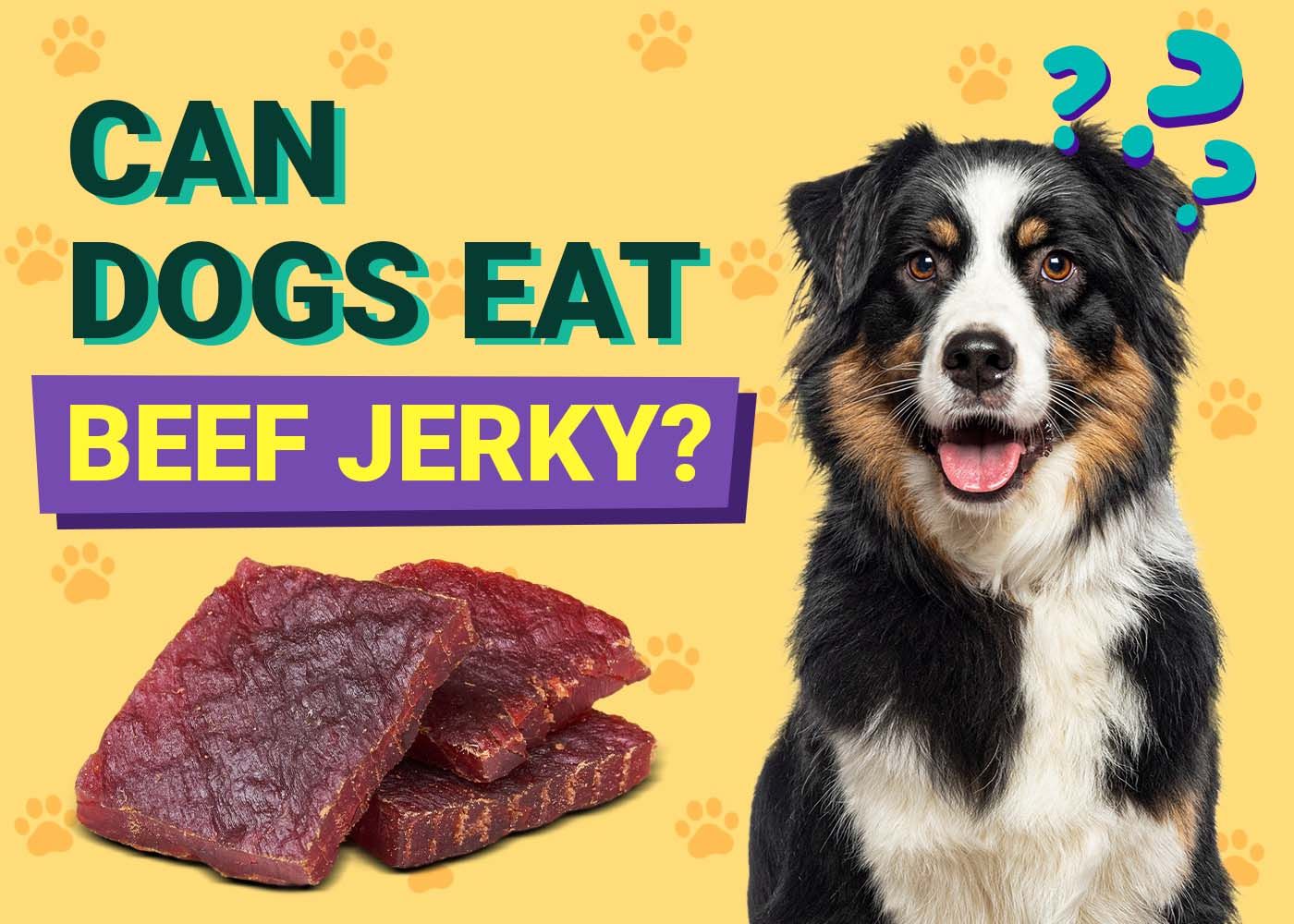
Dogs are exceptional at persuading you to give them a bit of a treat. This interaction with your dog actually provides more than just a tasty snack for them; it also makes you feel good by increasing the bond between you both. If you are a beef jerky fan yourself or have heard the hype about its benefits as a high-protein snack, you may wish to offer your dog a piece or two to give them the same nutritious treat.
However, if you're considering sharing beef jerky with your dog, it's essential to be cautious about the ingredients and seasoning it frequently contains. Most of these additives to the beef are not suitable for canine consumption, making the question of whether beef jerky is safe for dogs to eat a gray area.

What Is Beef Jerky?
Beef jerky is a popular on-the-go snack providing pet parents with portable protein. It is a type of dried and cured meat that is made from beef. The process of making beef jerky involves marinating thin slices of beef in a mixture of spices, salt, and sometimes sugar to add flavor. After marinating, the meat is then dried at a low temperature, which removes the moisture and helps preserve the meat.
The traditional method of making beef jerky involves air-drying or sun-drying the meat, but modern commercial production often uses dehydrators or ovens to speed up the process. The result is a lightweight, portable, high-protein, and usually low-fat snack with a chewy texture and concentrated flavor.

Why Can’t Dogs Eat Beef Jerky?
Beef jerky meat isn’t toxic to dogs, and it isn’t that dogs can’t eat any form of this meat. The problem with this food is how it is prepared. All the additives, spices, preservatives, and seasonings added for human use and preference can cause a multitude of problems for dogs due to the following issues.
1. High Salt Content
Many commercially available beef jerky products designed for human consumption are high in salt. Dogs should not be fed high-salt treats and foods. Excessive salt intake can lead to dehydration, increased thirst, and even salt toxicity if ingested in large amounts.
2. Spices and Seasoning
Some beef jerky products are seasoned with ingredients like onion, garlic, xylitol, or other spices. These are harmful and toxic to dogs, especially if eaten in large quantities but even tiny amounts of xylitol can be toxic. These added extras, although tasty, can cause gastrointestinal upset or more severe health issues if toxicity is present.

3. Preservatives and Additives
Commercially produced human beef jerky often contains preservatives and other additives that may not be well-tolerated by your dog’s digestive system.
4. Fat Content
Certain types of beef jerky can be higher in fat, and a sudden intake of fatty foods can lead to upset stomach or pancreatitis, a serious and painful inflammation of the pancreas.
5. Choking Hazard
The chewy texture of beef jerky can pose a choking hazard, especially for dogs that tend to gulp their food rather than chew it thoroughly or if inappropriately sized pieces are offered.
If you still wish to feed your dog beef jerky, consider any of these options as better alternatives: plain, unseasoned beef jerky, homemade beef jerky, and commercially prepared pet jerky that is specially formulated for safe dog consumption.
It is always fun to feed our dogs snacks, particularly as positive rewards but don't overdo it! Like most things in life, moderation is key. Extra foods, snacks, and treats should not make up more than 10% of their normal daily diet and calorie intake. If you are unsure how to calculate this or what type of treats to use for your dog, please check with your veterinarian, as they will be more than happy to help!
Can Dogs Be Allergic to Beef?
Absolutely! This applies to all formats and versions of beef, whether it is in their main diet or as an occasional treat. Just because beef is often touted as a healthy nutritious meat, this doesn’t mean that’s the case for all dogs.
Dogs can suffer from food allergies to ingredients they have eaten before, and the most common food allergens for dogs are animal proteins, including beef. A food allergy occurs when a dog’s immune system reacts inappropriately to the ingredient and this typically causes skin and or gastrointestinal issues.
Signs of food allergies may include:
If your vet suspects a food allergy they may suggest a food trial. This involves feeding a special diet for at least 6-8 weeks, to see if the signs improve. The diet will either be a novel protein diet- containing a new protein and carbohydrate source that your dog has never had before, or a hydrolyzed diet where the proteins have been broken down into tiny pieces that the dog’s immune system does not recognize.
Unfortunately, blood tests for food allergies are not accurate for diagnosis.
Conclusion
If you want to share a beefy treat with your dog, there is nothing wrong with this in moderation as long as the jerky is plain with no salt or seasonings. Therefore, it’s best to stick to jerky formulated specifically for pets.
Before introducing any new food into your dog's diet, it's always a good idea to consult with your veterinarian to ensure it is safe and appropriate for your individual dog's health needs and that no allergies are present.
Sources
Featured Image Credit: Brent Hofacker, Shutterstock
Expert dog care, straight to your inbox
News, insights, expert advice, and everything dog.

No spam — unsubscribe anytime.
By signing up, you agree to our Terms & Conditions and Privacy & Cookies Policy.
How useful was this post?
Click a star to rate. You can leave written feedback afterwards. (We read all feedback.)
Annaliese qualified as a veterinary nurse from Edinburgh in Scotland and went on to obtain a diploma in advanced veterinary nursing in surgery from London. Throughout this time, she worked in both small and mixed veterinary practices and gained head nurse status. Responsible for training other veterinary nurses she also ran the nursing department, nurse clinics and patient care protocols. She has looked after thousands of patients and owners and created new higher standard nursing regimes, whilst specializing in surgery and anesthesia. After being asked to co-author numerous veterinary nursing textbooks, Annaliese continued to write for further mainstream publications in the UK and USA and after twenty-plus years in both the veterinary and pet care professions , she hung up her scrub suit and now writes full-time.